Table of Contents >> Show >> Hide
- What the PB30 Is (and Who It’s Actually For)
- Key Specs That Matter in Real Life
- Materials, Finishes, and Why PVD Is a Big Deal
- How a Wall-Mounted Rain Shower Feels (Spoiler: It’s Not a Pressure Cannon)
- Water Efficiency and U.S. Flow Rules (The Stuff Nobody Mentions Until the Inspector Does)
- Valve Pairing: The Hidden Ingredient in a Great PB30 Shower
- Installation and Placement Tips (So Your Rain Head Doesn’t “Rain” on Your Forehead)
- Maintenance: Keeping That “Luxury Hotel” Look at Home
- Pros, Cons, and Who Should Skip It
- Conclusion: Is the COCOON PB30 Worth Building Around?
- Real-World Experiences: Living With a COCOON PB30 Wall Mounted Rain Shower (500+ Words)
Some showers are purely functional: in, out, done, goodbye. The COCOON PB30 wall mounted rain shower is not here for that energy.
It’s here for the “I deserve a spa moment even if my to-do list is screaming” vibewithout turning your bathroom into a science fair
of knobs, levers, and mysterious plumbing decisions.
Designed under the Piet Boon collection aesthetic (read: clean lines, modern calm, and a little “architect’s favorite” energy),
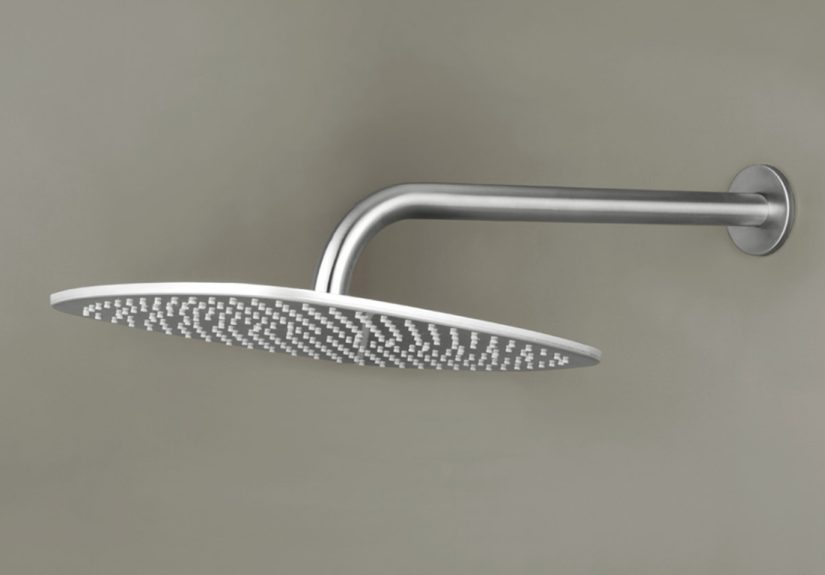
the PB30 aims to deliver a wide, rainfall-style spray from a generous 280 mm (about 11 inches) shower face, mounted from the wall
with a long projection that pushes water out and away from the tile line. In human terms: it feels like standing under a warm,
controlled drizzleminus the wet socks.
What the PB30 Is (and Who It’s Actually For)
The COCOON PB30 is a wall-mounted rain showerhead designed for people who want a luxury, hotel-style shower experience with a
minimalist look. If you like a gentle, full-coverage “rain” pattern more than an aggressive jet stream, you’re the target audience.
If you want to sandblast shampoo out of your hair in 12 seconds flat, you’ll probably want a handheld or a secondary showerhead in
the mix.
The PB30 is also a strong fit for design-forward remodelsespecially bathrooms that lean modern, Scandinavian, or contemporary.
A large rain head becomes a visual centerpiece, so this is the kind of fixture you choose when you want the shower to look like it
belongs in a magazine, not an apartment maintenance closet.
Key Specs That Matter in Real Life
- Shower face diameter: 280 mm (about 11 inches)
- Projection (reach from wall): about 360 mm (about 14 inches)
- Listed flow information: commonly cited around 19 L/min at 2.5 bar (approx. 5.0 GPM at ~36 PSI)
- Included water-saving regulator: commonly cited around 9 L/min (approx. 2.38 GPM)
- Pairing flexibility: described as compatible with mixers and can be used alongside a spout for tub filling
Two quick notes so you don’t get tripped up by the numbers:
First, flow rate can vary by water pressure, plumbing layout, and any restrictor/regulator installed. Second, the U.S. measures
showerhead flow compliance at specific conditions (commonly referenced as 2.5 GPM maximum at 80 PSI for standard showerheads),
so what a product can do at 2.5 bar (~36 PSI) isn’t automatically the same as what it will do in your home.
Materials, Finishes, and Why PVD Is a Big Deal
The PB30 is marketed as a stainless-steel rain shower in premium finishes. Depending on the listing and product generation, you may
see references to AISI 316L stainless steel (often called “marine grade” for its corrosion resistance) or AISI 304 stainless steel
on older product descriptions. Either way, stainless steel is popular in high-end bath fixtures because it’s durable, resists rust
well in humid spaces, and looks clean and modern with brushed finishes.
Many PB30 finishes are described as having a PVD coating. PVD (Physical Vapor Deposition) finishes are widely used
in premium plumbing because they’re engineered to be more resistant to wear, corrosion, and tarnishing than traditional plating.
In plain English: a good PVD finish helps your shower hardware keep its “new fixture glow” longerespecially in steamy bathrooms
or homes with hard water.
You’ll typically see finish options like brushed inox (stainless look), black, gunmetal, copper tones, and brushed gold. If you’re
building a cohesive look, match the PB30 to your valve trim, handheld (if you add one), and accessories (hooks, towel bars, drain).
A “close enough” finish match is the fastest way to make a luxury fixture look… unexpectedly budget.
How a Wall-Mounted Rain Shower Feels (Spoiler: It’s Not a Pressure Cannon)
Rain showerheads are built for coverage, not punch. The wide face spreads water over more nozzles, so the sensation is often softer
and more even. That’s the charm: it feels like standing under a warm rainfall rather than being chased around the shower by a
concentrated spray.
With an 11-inch head, the PB30’s main advantage is immersion. You can stand more naturallyless shoulder twisting,
fewer “why is the water only hitting my left elbow?” moments. The long wall projection also helps center the spray where your body
actually is, rather than hugging the wall line.
The tradeoff: if your home already struggles with water pressure, a big rain head can feel underwhelming. The fix is usually not
“buy the biggest head possible and hope.” The smarter approach is to pair the rain head with a pressure-balanced or thermostatic
valve setup, confirm your supply lines and pressure, and consider adding a handheld for targeted rinsing.
Water Efficiency and U.S. Flow Rules (The Stuff Nobody Mentions Until the Inspector Does)
In the U.S., standard showerheads are commonly referenced at 2.5 gallons per minute (GPM), and WaterSense-labeled
models are designed to use 2.0 GPM or less while meeting performance criteria for spray force and coverage. Some
states go further (for example, a few require 1.8 GPM or less).
The PB30 is frequently described as being supplied with a water-saving flow regulator around 9 L/min
(about 2.38 GPM). That’s close to the federal 2.5 GPM ceiling, but it may not meet stricter local limits in every
jurisdiction. If you live in a place with tighter requirements, talk with your plumber or supplier about compliant restrictors that
preserve the shower experience.
Also worth noting: a rain shower can feel luxurious even at lower flow if the spray pattern is well-designed and evenly distributed.
Efficiency doesn’t have to mean sadness. It just means the engineering needs to be good.
Valve Pairing: The Hidden Ingredient in a Great PB30 Shower
A high-end rain head deserves a high-quality valve. If you’re remodeling, you’ll typically be choosing between:
-
Pressure-balance valves: help keep water temperature steady when someone runs a sink or flushes a toilet.
Great for most homes and often required by code in many areas. -
Thermostatic valves: allow more precise temperature control and can feel more “spa,” especially if you run multiple
outlets (rain head + handheld + body sprays). Often pricier, but also often worth it in luxury builds.
If you want the PB30 plus a handheld, you’ll also need a diverter (to switch water between outlets, or run them
together if your system allows). This is where planning matters: the most expensive showerhead in the world can’t outshine a
poorly matched valve and diverter layout.
Installation and Placement Tips (So Your Rain Head Doesn’t “Rain” on Your Forehead)
The PB30’s projection is a major advantage, but placement still matters. A few practical guidelines:
- Center the spray where you stand: The goal is water hitting your torso, not the shower door.
- Mind ceiling height: Rain heads feel best when you can stand under them without crouching or leaning back.
-
Use proper sealing on threaded connections: Many DIY guides recommend plumber’s tape on shower arm threads and
tightening carefully to avoid leaks or scratched finishes. - Don’t “gorilla-tighten”: Over-tightening can damage threads, gaskets, or finishesespecially on premium coatings.
If you’re doing a full remodel (opening the wall), it’s smart to have a plumber confirm supply sizing, valve compatibility, and
local flow regulations. If you’re swapping onto an existing arm, confirm the connection standard and make sure the wall structure
can handle the leverage of a larger head and long projection.
Maintenance: Keeping That “Luxury Hotel” Look at Home
Rain showerheads have a larger surface area, which means more places for mineral deposits to landespecially if you have hard water.
The good news: maintenance is usually simple if you do it regularly.
-
Routine wipe-down: A soft cloth after showers helps reduce water spots and fingerprints (and yes, that’s still
useful even if your finish is marketed as anti-fingerprint). -
Descale when needed: Many home-care guides recommend soaking the showerhead in vinegar (using a bag method or
removing the head to soak in a bowl) to loosen mineral buildup, followed by gentle scrubbing. -
Avoid harsh cleaners: Premium finishes can be damaged by abrasives, bleach, ammonia, or aggressive chemical
cleaners. Mild soap and water is usually the safest default.
If you’re committed to the PB30 look long-term, consider a whole-home water softener (where appropriate) or at least a showerhead
cleaning schedulebecause nothing ruins the “spa” vibe like uneven jets that spray like a confused garden hose.
Pros, Cons, and Who Should Skip It
Pros
- Big, immersive spray coverage from an 11-inch rain face
- Design-forward aesthetics that elevate modern bathrooms
- Long wall projection helps place the spray in a more natural standing zone
- Premium finish approach (often described with PVD and easy-care benefits)
Cons
- May feel gentle if you expect high-pressure blasting
- Best results often require thoughtful valve pairing and good plumbing conditions
- Hard water can demand maintenance to keep nozzles performing evenly
- Local flow rules vary, and you may need a compliant restrictor depending on where you live
If your household includes multiple “shower personalities” (the quick-rinse sprinter, the conditioner philosopher, the kid who
somehow uses all the hot water), the best setup is often PB30 + handheld. That combo gives you the spa feel and the practical
“get-it-done” option.
Conclusion: Is the COCOON PB30 Worth Building Around?
The COCOON PB30 wall mounted rain shower is a luxury statement piece that’s meant to feel calm, immersive, and architectural.
It’s not just about water coming out of a circleit’s about making the shower experience feel intentionally designed. If you value
minimalist style, premium finishes, and full-body coverage, the PB30 checks the right boxes.
The key is treating it like a system, not a single part. Match it with a quality valve, plan placement carefully, confirm your
local flow requirements, and consider adding a handheld for flexibility. Do that, and the PB30 can deliver a daily ritual that
feels less like hygiene and more like a quiet win.
Real-World Experiences: Living With a COCOON PB30 Wall Mounted Rain Shower (500+ Words)
Homeowners who upgrade to a big rain head like the PB30 often describe the first shower as a “wait… is this what hotels have been
hiding from me?” moment. The difference isn’t just the sizeit’s the way the water arrives. Instead of a narrow cone that hits one
shoulder and ricochets into your eyeball, the rain pattern spreads out and makes the shower feel like a whole-body zone. You stand
more naturally, you breathe a little slower, and for a few minutes your bathroom feels like it has a spa membership.
In the first week, many people notice something else: a rain shower changes how you move. With a traditional head, you tend to
chase the sprayturn your head, step forward, step back, negotiate with the water like it’s a stubborn coworker. With a wider rain
head and a long projection, you step into the coverage and stay there. That’s especially satisfying if you’ve got a bigger shower
footprint (walk-in showers shine here) or if you’re tall and tired of ducking under a head that was installed for someone who
apparently never stands up fully.
Then comes the “real life” part: pressure and rinsing. People with strong incoming water pressure often report the rain feel is
both relaxing and effective. But in homes with weaker pressureor in older plumbing where flow is already limitedsome users find
the rain pattern can feel too soft for quick rinses, especially for thick hair. The practical solution that keeps showing up in
real installs is pairing the rain head with a handheld. The rain head becomes the daily comfort setting, while the handheld is the
precision tool for rinsing conditioner, cleaning the shower, bathing kids, or washing the dog who looks betrayed by the entire
concept of “bath time.”
Finish care becomes a quiet routine, too. In hard-water areas, people often learn that a little maintenance beats a big scrubbing
session later. A quick wipe with a soft cloth helps prevent water spots, and periodic descaling keeps nozzles from clogging.
Homeowners who treat the rain head like a “nice pan” (clean it gently, don’t attack it with harsh chemicals) tend to keep it
looking new longerespecially when the finish is a premium coated option. And yes, “anti-fingerprint” finishes help, but they’re
not magical force fields. They reduce smudges; they don’t stop reality.
One of the most common satisfaction stories is about temperature stability. When a PB30-style head is paired with a good
pressure-balance or thermostatic valve, users report the shower feels “set it and forget it.” No sudden temperature tantrums when
someone runs the dishwasher. No dramatic yelps when the toilet flushes. Just steady warmth, steady rain, and the rare joy of not
negotiating with plumbing.
Finally, there’s the design impact. People who choose a fixture like the PB30 often say it changes how the bathroom feelseven when
everything else stays the same. The shower looks more intentional, more architectural, more “grown-up.” It’s the kind of upgrade
that guests notice (and quietly judge their own shower at home afterward). And if you’re the kind of person who wants daily life to
feel a little more elevated, a wall-mounted rain shower can be one of the rare upgrades that delivers both style and a genuinely
different experience.