Table of Contents >> Show >> Hide
- Why Classic Meatloaf Still Works So Well
- What Makes a Great Meatloaf?
- Classic Meatloaf Recipe
- Why This Recipe Is Perfect for Busy Cooks
- Simple Tips for Moist, Flavorful Meatloaf
- Common Meatloaf Mistakes to Avoid
- How to Store and Reheat Leftovers
- Serving Ideas for an Easy Weeknight Dinner
- Conclusion
- Real-Life Experiences with Classic Meatloaf for Busy Cooks
There are two kinds of weeknight dinners: the ones that look adorable on Pinterest and the ones that actually save your sanity on a Wednesday. A classic meatloaf recipe belongs firmly in the second category. It is hearty, affordable, deeply comforting, and blessedly unfussy. You mix, shape, glaze, bake, and suddenly your kitchen smells like somebody responsible lives there.
For busy cooks, meatloaf has a lot going for it. It uses familiar ingredients, feeds a crowd without drama, and turns leftovers into tomorrow’s lunch without acting weird about it. It also rewards practical choices: pantry breadcrumbs, a simple ketchup glaze, and ground beef that does not require a PhD in culinary arts. In other words, it is comfort food with excellent time-management skills.
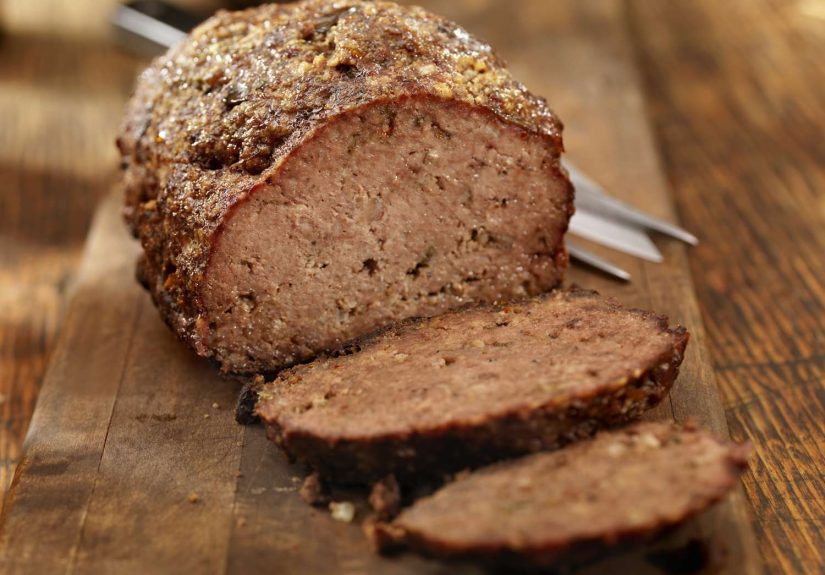
This version keeps the spirit of an old-school American meatloaf while trimming away unnecessary fuss. You still get a tender interior, a glossy tangy-sweet topping, and slices that hold together without turning into beef confetti. Better yet, you get a recipe that works for home cooks who are juggling jobs, errands, homework help, and that one family member who asks what is for dinner every seven minutes.
Why Classic Meatloaf Still Works So Well
Classic meatloaf has survived generations of dinner tables because it solves a real problem: how to make a filling meal from affordable ingredients without spending all evening cooking. Ground beef is easy to season, easy to mix, and easy to stretch with pantry staples like breadcrumbs, crackers, milk, and eggs. The result is something more tender and flavorful than a plain burger patty and more practical than a roast.
It also happens to be extremely flexible. You can dice the onion finely, grate it, or sauté it ahead of time. You can use breadcrumbs, crushed crackers, or quick oats. You can bake it in a loaf pan, shape it free-form on a sheet pan, or even make mini loaves when time is extra tight. The formula is forgiving, which is exactly what busy cooks need. Dinner should not feel like a pop quiz.
What Makes a Great Meatloaf?
1. A Tender Binder
The secret to meatloaf that stays moist instead of sad and crumbly is the binder. Eggs help hold everything together, while breadcrumbs or crackers absorb moisture and create a softer texture. A splash of milk brings the whole thing together and helps keep the loaf tender. This simple combination is why classic meatloaf tastes cozy instead of dense.
2. Enough Fat for Flavor
Very lean beef sounds virtuous, but it can make meatloaf dry. Ground beef in the 85/15 to 90/10 range usually gives the best balance of structure, flavor, and moisture. You want a loaf that slices neatly and still tastes rich. Nobody dreams about dry meatloaf unless they are writing a cautionary tale.
3. Onion and Seasoning That Pull Their Weight
Onion, garlic, Worcestershire sauce, salt, pepper, and a little ketchup or mustard give meatloaf that familiar savory depth. Some cooks prefer to sauté the onion first for sweetness and a softer texture. If your evening is chaotic, finely grating or very finely chopping the onion is a great shortcut.
4. A Glaze That Actually Matters
The ketchup glaze is not decoration. It adds tang, sweetness, color, and moisture to the outside of the loaf. A little brown sugar and mustard help it caramelize and balance the richness of the meat. Without the glaze, meatloaf is still dinner. With the glaze, meatloaf becomes the dinner people talk about while sneaking a second slice.
Classic Meatloaf Recipe
Ingredients
- 1 1/2 pounds ground beef, preferably 85/15 or 90/10
- 1 cup plain breadcrumbs or crushed buttery crackers
- 2 large eggs
- 1/2 cup milk
- 1 small onion, very finely chopped or grated
- 2 cloves garlic, minced
- 2 tablespoons Worcestershire sauce
- 1 tablespoon ketchup
- 1 teaspoon kosher salt
- 1/2 teaspoon black pepper
- 1 teaspoon dried parsley or 1 tablespoon chopped fresh parsley
- 1/2 teaspoon dried thyme, optional
For the Glaze
- 1/3 cup ketchup
- 1 tablespoon brown sugar
- 1 teaspoon yellow mustard or Dijon mustard
Directions
- Preheat the oven to 350°F. Line a sheet pan or small baking dish with parchment for easier cleanup, or lightly grease a loaf pan.
- In a large bowl, whisk together the eggs, milk, Worcestershire sauce, and 1 tablespoon ketchup.
- Add the breadcrumbs, onion, garlic, salt, pepper, parsley, and thyme. Let the mixture sit for 2 to 3 minutes so the crumbs can absorb some liquid.
- Add the ground beef and mix gently with clean hands or a fork just until combined. Do not overmix, or your meatloaf may become tough.
- Shape the mixture into a loaf about 8 inches long and place it on the prepared pan, or press it gently into a loaf pan.
- In a small bowl, stir together the glaze ingredients. Spread half over the top of the loaf.
- Bake for 45 minutes, then spread on the remaining glaze. Continue baking for 10 to 15 minutes more, or until the center reaches 160°F.
- Let the meatloaf rest for 10 to 15 minutes before slicing. This helps the juices settle and keeps the slices neat.
Why This Recipe Is Perfect for Busy Cooks
The beauty of this classic meatloaf recipe is that it gives you a big payoff for very average effort. There is no fancy technique, no expensive ingredient, and no mysterious step that requires a blowtorch or emotional support. You likely already have most of the ingredients in your kitchen.
It is also a strong make-ahead option. You can mix and shape the loaf in the morning, cover it, and refrigerate it until dinner. You can even double the recipe and make two loaves at once, baking one now and freezing one for later. Future-you will be extremely impressed, and frankly, future-you deserves a win.
Another time-saver is the side-dish strategy. Meatloaf pairs beautifully with quick classics like mashed potatoes, roasted green beans, steamed broccoli, buttered peas, or a bagged salad. While the loaf bakes, your sides can come together without drama. It is the kind of meal that makes weeknights feel more manageable.
Simple Tips for Moist, Flavorful Meatloaf
Use a Panade-Like Mixture
When breadcrumbs or crackers are mixed with milk and eggs, they create a soft structure that keeps the meat from tightening up too much in the oven. This is a small step with a very large reward.
Mix Gently
Meatloaf should be mixed until just combined. Aggressive mixing can lead to a firm, rubbery texture. Your goal is cohesive, not cement.
Do Not Skip the Rest Time
Letting the loaf rest for 10 to 15 minutes after baking makes it easier to slice and keeps the juices in the meat instead of on the cutting board. It is the culinary version of letting everybody calm down before making a big decision.
Use a Thermometer
Color alone is not a reliable way to judge doneness with ground meat. The safest and simplest method is an instant-read thermometer. When the center reaches 160°F, you are good to go.
Common Meatloaf Mistakes to Avoid
Using meat that is too lean: Lean beef can work, but the loaf may turn out dry. A little fat brings flavor and tenderness.
Skipping seasoning: Ground beef needs help. Salt, pepper, onion, garlic, Worcestershire, and glaze all build flavor.
Overbaking: Meatloaf does not improve by staying in the oven forever. Once it reaches temperature, pull it out and let it rest.
Cutting too soon: Slicing immediately can make the loaf fall apart and lose juices.
Making cleanup harder than necessary: Parchment paper or a foil-lined pan saves time and protects your mood.
How to Store and Reheat Leftovers
One of the best things about classic meatloaf is that leftovers are not a consolation prize. They are part of the plan. Let leftover meatloaf cool slightly, then refrigerate it within 2 hours. Store it tightly covered in the refrigerator for up to 3 to 4 days. For longer storage, freeze slices or larger portions in airtight wrapping.
To reheat, warm slices in the microwave, covered loosely, until hot throughout. You can also reheat slices in a 325°F oven with a spoonful of water or extra glaze to prevent drying. For food safety, leftovers should be reheated to 165°F. Cold meatloaf sandwiches are also a classic move, and honestly, they may be one of the smartest lunches in existence.
Serving Ideas for an Easy Weeknight Dinner
If you want the full comfort-food effect, serve your meatloaf with mashed potatoes and green beans. For something lighter, try roasted carrots and a crisp salad. Busy families often do well with simple combinations like meatloaf, microwaved frozen vegetables, and quick dinner rolls. No awards show will be held in your kitchen, but everybody will eat well, and that counts.
You can also turn leftovers into meal prep. Slice the loaf and pack it with roasted vegetables for lunch, tuck it into sandwiches with pickles, or crumble it into a quick pasta sauce. Meatloaf is not flashy, but it is wildly useful, which is a quality more dinners should consider adopting.
Conclusion
A classic meatloaf recipe for busy cooks should do three things well: taste comforting, fit real-life schedules, and deliver leftovers worth saving. This one checks all three boxes. It uses everyday ingredients, skips the unnecessary fuss, and gives you a reliable dinner that feels homemade in the best way. Whether you are feeding a family, stocking up on leftovers, or just trying to make one sensible decision before 6 p.m., meatloaf is still one of the smartest recipes in the American dinner playbook.
It is not trendy, and that is part of its charm. Meatloaf does not need to go viral. It just needs to come out tender, flavorful, and ready to rescue your evening. On a busy night, that is more than enough. That is dinner doing its job.
Real-Life Experiences with Classic Meatloaf for Busy Cooks
If you talk to people who cook regularly, meatloaf stories tend to sound less like recipe notes and more like little domestic survival tales. Someone made it during a snowstorm with crushed crackers because they were out of breadcrumbs. Someone else stretched one pound of beef with extra onion and oats because payday was still two days away. Another cook learned that resting the loaf is not optional after watching half of it collapse into a delicious but structurally confused pile on the cutting board. Meatloaf teaches lessons, sometimes gently and sometimes with gravy.
Busy cooks love it because it meets you where you are. If you have thirty calm minutes, you can sauté onions, measure seasonings, and feel like the sort of person who owns matching storage containers. If you have ten messy minutes while helping a kid find a missing sneaker, you can still mix everything in one bowl, shape the loaf, and get it in the oven. It does not demand perfection. It just asks for a little attention and a reasonably accurate timer.
There is also something deeply reassuring about how meatloaf smells while it bakes. It fills the kitchen with that savory, tomatoey, onion-rich aroma that says, “Yes, dinner is happening. No, cereal will not be the main course tonight.” For tired people at the end of a long day, that smell can feel like a small emotional support program.
Many home cooks also discover that meatloaf gets better once they stop treating it like a fragile masterpiece. The first loaf is often made with too much mixing, too little seasoning, or excessive fear. By the second or third one, confidence shows up. You stop staring into the oven every six minutes. You trust the glaze. You understand that the loaf may not look glamorous, but it will absolutely handle dinner.
And then there are the leftovers, which may be the real reason busy people keep this recipe in regular rotation. A slice tucked into a sandwich with mustard can solve tomorrow’s lunch in about thirty seconds. Crumbled into a skillet with potatoes, it becomes another dinner. Served cold straight from the fridge while deciding what to cook next, it becomes a snack that accidentally prevents takeout. Efficient, delicious, and just a little sneaky.
In real life, classic meatloaf succeeds because it is practical without feeling dull. It is the recipe people make when they need comfort and competence at the same time. It is not trying to be fancy, and that honesty is part of the appeal. When a recipe consistently feeds hungry people, stretches a budget, reheats well, and does not ask you to chiffonade anything on a Tuesday, it earns a permanent place in the kitchen. Meatloaf has earned that spot many times over.