Table of Contents >> Show >> Hide
- The Short Answer
- What Is Candle Warming, Exactly?
- What Happens When You Burn a Candle?
- Candle Warming vs. Burning Candles: The Biggest Differences
- When Burning Candles Makes More Sense
- When Candle Warming Makes More Sense
- How to Burn Candles Properly If You Choose the Flame
- How to Use a Candle Warmer the Smart Way
- What About Cost?
- So, Which One Is Right for You?
- Everyday Experiences: What Living With Both Actually Feels Like
- Final Thoughts
Few household debates are as oddly passionate as this one: should you warm your candle or burn it? One side loves the soft glow, the dancing flame, and the tiny drama of lighting a wick like they’re starring in a moody movie trailer. The other side prefers a candle warmer lamp because it delivers fragrance without the open flame, the soot, or the low-grade panic of wondering, “Did I blow that out before I left?”
The truth is that both methods have real advantages. Candle warming can be cleaner, easier, and more practical for many homes. Burning candles still offers the classic ambiance that warmers simply cannot fully duplicate. So if you’re standing in the middle of your living room with a pretty jar candle in one hand and a trendy warmer lamp in the other, this guide will help you decide which one deserves the spotlight.
The Short Answer
If you want the safest, lowest-maintenance, most flame-free way to enjoy scented candles, candle warming is often the better choice. If you care most about atmosphere, visible flame, portability, and the traditional candle experience, burning candles still wins.
In other words: candle warming is the practical friend with a labeled planner, and burning candles is the charming one who owns too many wool blankets and insists on “setting the mood.” Neither is wrong. They just serve different lifestyles.
What Is Candle Warming, Exactly?
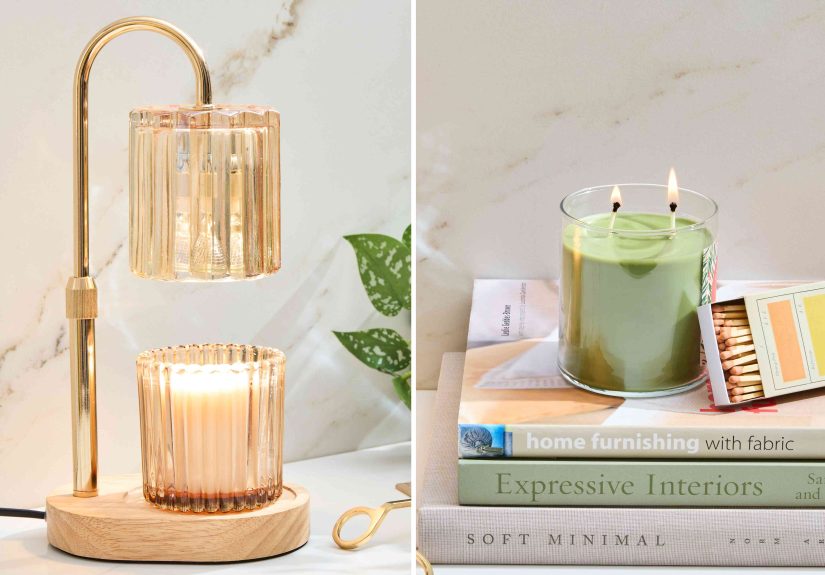
Candle warming uses heat from a warming lamp, lantern, or plate to melt the wax and release fragrance without lighting the wick. The most popular option right now is the top-down candle warmer lamp, which gently heats the surface of a jar candle. There are also wax warmers made for wax melts, but for this comparison, we’re talking about warming an actual candle instead of burning it.
The appeal is simple: you get scent without an open flame. For people with kids, pets, forgetful tendencies, or a strong dislike of smoke, that is a pretty convincing sales pitch.
What Happens When You Burn a Candle?
Burning a candle is the classic method. You light the wick, the flame melts the wax, and the wax fuels the burn. When done properly, a candle can smell lovely, look beautiful, and make a room feel instantly more relaxed.
But burning also comes with rules. You need to trim the wick, keep the candle away from drafts, let the wax pool reach the edges on the first burn, avoid over-burning it, and never leave it unattended. In short, a burning candle is not complicated, but it does expect you to act like a responsible adult. Rude, honestly.
Candle Warming vs. Burning Candles: The Biggest Differences
1. Safety
This is the category where candle warmers have the strongest argument. Because there is no open flame, a warmer reduces the fire risk that naturally comes with a lit candle. That makes it especially appealing in homes with curious children, athletic cats, enthusiastic dogs, college students, or anyone who has ever left a room and immediately wondered what terrible decision they just made.
That said, “safer” does not mean “careless.” A candle warmer still uses electricity, still gets hot, and still involves melted wax. You should not leave it on overnight or treat it like a decorative lamp that can run forever without supervision.
Burning candles, meanwhile, require more caution. They should be kept away from curtains, books, bedding, paper, and anything else that could catch fire. They also need a stable surface and plenty of personal space. A burning candle is not clingy, but it does need boundaries.
2. Fragrance Strength
Many candle fans feel that warmers release fragrance more evenly and often more strongly, especially with top-down warmer lamps. Since the wax is heated without the wick actively burning away fragrance compounds, the scent can feel fuller and more consistent.
Burning candles can still provide excellent scent throw, especially in larger rooms or with multi-wick candles. In fact, if you love the immediate, room-filling punch of a fresh candle, burning may still be your favorite. But it can be a bit less predictable if the wick is too long, the candle tunnels, or the flame burns unevenly.
If your main goal is to make a room smell amazing with minimal fuss, warming often has the edge. If your main goal is to combine scent with cozy visual drama, burning is still hard to beat.
3. Candle Life Span
One of the most talked-about benefits of candle warming is that it can help a candle last longer. Since the wax is melted for fragrance instead of being consumed by a live flame, many people find they get more overall use from the same jar candle.
Burning, on the other hand, literally uses up the candle. That is the entire job description of a flame. If you burn frequently, you will go through your favorite scents faster. This does not make burning bad; it just makes it a little more high-maintenance for your wallet.
Still, burn time depends on candle size, wax blend, wick quality, and how well you care for it. A properly burned candle with a trimmed wick and even melt pool will usually perform much better than a neglected one that’s been asked to survive drafts, marathon burns, and chaotic wick management.
4. Atmosphere and Ambiance
Here is where burning candles stage a comeback. A warmer can mimic the glow of soft light, but it cannot fully replace the visual pleasure of a real flickering flame. If you use candles for dinners, baths, reading corners, or dramatic “I am reclaiming my peace” moments, burning offers something warmer lamps simply do not replicate.
The flame adds movement, character, and a cozy presence. Wooden wicks can even crackle, which is wildly effective at making an ordinary Tuesday night feel more intentional. A warmer is lovely, but a flame is an experience.
So if ambiance is your number one priority, burning probably still wins. If your priority is scent plus convenience, warming becomes much more attractive.
5. Convenience
Candle warmers are easy. Place the candle, switch on the warmer, and enjoy. No wick trimming in the moment. No lighter. No smoke when extinguishing. No standing there waving a lid around like you’re performing a tiny household ritual.
Burning candles are a little less convenient, but not by much. You need a match or lighter, basic safety habits, and occasional maintenance. On the plus side, you can use a burning candle anywhere appropriate without needing an outlet. That portability matters more than people think, especially if you like moving candles between rooms or styling them outdoors on a calm evening.
6. Cleanliness and Soot
Because warmers do not use a live flame, they avoid the visible smoke and soot that can come with burning candles. That makes them attractive for people who dislike smoky blow-outs, blackened jar rims, or the occasional reminder that a neglected wick can get a little messy.
Burning candles are not doomed to be dirty, though. A well-made candle that’s properly cared for can burn cleanly. The biggest mistakes are usually avoidable: wicks left too long, candles placed in drafts, debris in the wax pool, or burn times that go on too long.
In other words, if your burning candles have been acting like messy roommates, the issue may be candle care rather than the basic idea of burning itself.
When Burning Candles Makes More Sense
Choose burning candles if you:
- Love the look of a real flame
- Want a cozy, traditional candle experience
- Use pillar, taper, or tea light candles that a warmer cannot handle
- Don’t want to rely on an electrical outlet
- Enjoy the ritual of lighting and caring for candles
Burning is especially great for entertaining, holiday styling, romantic dinners, and those moments when the candle is part of the decor, not just a fragrance delivery system.
When Candle Warming Makes More Sense
Choose candle warming if you:
- Prefer a flame-free option
- Want strong, steady fragrance
- Hope to stretch the life of your jar candles
- Live with kids, pets, or forgetful grown-ups
- Hate soot, smoke, or trimming wicks
- Like the look of a lamp that doubles as decor
Candle warming is often ideal for bedrooms, home offices, apartments, dorm-adjacent setups, and households where “just keep it simple” is less of a suggestion and more of a survival strategy.
How to Burn Candles Properly If You Choose the Flame
If you decide to burn your candles, a few habits make a huge difference:
- Trim the wick to about 1/4 inch before each burn.
- Let the wax melt all the way to the edges during the first burn to help prevent tunneling.
- Keep the candle away from fans, vents, and open windows.
- Do not burn it for too long at a stretch.
- Keep the wax pool free of debris.
- Place the candle on a stable, heat-resistant surface.
- Never leave it unattended.
These steps sound simple because they are. But together, they help the candle burn more evenly, smell better, last longer, and behave like the elegant home accessory it was born to be.
How to Use a Candle Warmer the Smart Way
If you go the warming route, there are still a few best practices worth following:
- Use a warmer that fits the size and shape of your candle jar.
- Place it on a level, heat-safe surface.
- Keep it away from anything flammable.
- Do not leave it running all night or when you leave home.
- Pay attention when the top layer of wax loses fragrance over time; some people remove a little cooled wax to refresh scent strength.
- Follow the manufacturer’s directions for bulb wattage and timing.
A good warmer is easy to use, but it still deserves the same basic respect you’d give any heated appliance. Cozy does not mean invincible.
What About Cost?
At first glance, burning seems cheaper because you only need the candle. With warming, you need to buy the warmer too. But over time, the math can shift. If warming helps your favorite candles last longer, the upfront cost may pay offespecially if you tend to buy premium candles that smell like cedar forests, expensive hotels, or “mysterious cashmere.”
That said, if you only light candles occasionally, the difference may not matter much. Casual candle users can happily burn away. Heavy candle users who go through jars like snacks may appreciate the longer haul that warming can provide.
So, Which One Is Right for You?
The best answer depends on what you want from the candle.
Pick candle warming if your priority is safety, convenience, steady scent, and getting more use out of your jar candles.
Pick burning if your priority is mood, glow, ritual, and the timeless charm of an actual flame.
And if we’re being honest, many people end up doing both. They burn candles when they want ambiance and use a warmer when they want effortless fragrance during the workday or while winding down at night. That is not indecisive. That is range.
Everyday Experiences: What Living With Both Actually Feels Like
In real life, the candle warmer versus burning decision often comes down to how you live at homenot just how the products perform on paper. That’s why the “best” option can feel different from one household to the next.
Take the work-from-home setup. If you’re at a desk for hours, a candle warmer often feels like the more relaxed choice. You switch it on, the scent slowly builds, and your office starts smelling like vanilla chai, clean linen, or whatever fragrance makes your inbox feel 3% less offensive. There’s no need to monitor a flame while you answer emails, jump on calls, or get distracted by six open tabs and a coffee you forgot to finish. The warmer becomes part of the routinequiet, useful, dependable.
Burning a candle in that same setting can feel more ceremonial. You light it at the start of the day, and suddenly your work session has a beginning. It creates a tiny moment of intention. But it also asks a little more of you. You remember the wick, you check the time, and eventually you need to blow it out. Some people love that ritual. Others would rather not add “tiny fire management” to the task list.
Then there’s evening use. This is where burning candles often becomes the emotional favorite. The flicker changes a room in a way that a warmer just doesn’t. A lit candle on a coffee table during a movie night, on a bathroom counter during a bath, or on the dining table during dinner adds atmosphere instantly. It can make a space feel slower, softer, and a little more special. Warming gives you scent. Burning gives you scent plus mood lighting and a whisper of drama.
Families tend to view the choice differently. In homes with young kids or pets, candle warmers usually feel easier to trust. A tail, toy, or sprint across the room is much less stressful when there’s no open flame involved. The same goes for shared spaces where several people are moving around and nobody wants to become the designated Candle Safety Officer.
There’s also the personality factor. Some people genuinely enjoy candle care. They like trimming wicks, choosing matches, rotating scents by season, and making the first burn count. For them, burning candles is part fragrance and part hobby. Other people just want the room to smell good without attending a master class in wax behavior. Those people tend to fall hard for warmers.
What surprises many candle lovers is that the answer is rarely permanent. You might prefer warming in summer when you want fragrance without extra heat from a flame, then return to burning in winter when the glow feels irresistible. You might warm your candles in the bedroom and burn them in the living room. You might burn one on weekends and warm another during the week. The experience changes with your space, your schedule, and your tolerance for maintenance.
That’s really the heart of it: this is less about right versus wrong and more about matching the method to the moment. If you want simplicity, warming feels wonderfully modern. If you want atmosphere, burning still feels unbeatable. And if you want both? Congratulationsyou have excellent taste and probably too many candles already.
Final Thoughts
Candle warming and burning candles each bring something worthwhile to the table. One offers convenience, cleaner use, and peace of mind. The other offers ritual, glow, and the kind of coziness that never goes out of style.
If your home life is busy, pet-filled, kid-filled, or wonderfully chaotic, a candle warmer may be the smarter everyday pick. If you treat candles like part decor, part self-care, and part mood-setting magic, burning may still be your forever favorite. And if your answer is “both,” that may actually be the most realisticand most enjoyablesolution of all.