Table of Contents >> Show >> Hide
- What Are Rubber Bands for Braces?
- Why Do Orthodontists Use Rubber Bands with Braces?
- How Long Do Rubber Bands Stay On?
- How Many Months Will You Need Rubber Bands?
- How Often Should You Change Braces Rubber Bands?
- Can You Eat with Rubber Bands On?
- Do Rubber Bands Hurt?
- What Happens If You Do Not Wear Rubber Bands?
- Can You Wear Extra Rubber Bands to Speed Things Up?
- Common Rubber Band Patterns
- How to Put Rubber Bands on Braces
- What If a Rubber Band Breaks?
- Are Latex-Free Rubber Bands Available?
- Best Tips for Wearing Rubber Bands Successfully
- When Should You Call Your Orthodontist?
- Braces with Rubber Bands: Real-Life Experiences and Practical Lessons
- Conclusion
Braces already look like a tiny construction project happening in your mouth. Then, one day, your orthodontist hands you a small bag of rubber bands and says, “Wear these.” Suddenly, your smile has accessories. But those little bands are not there for decoration, even if they do make you feel like your teeth joined a gym.
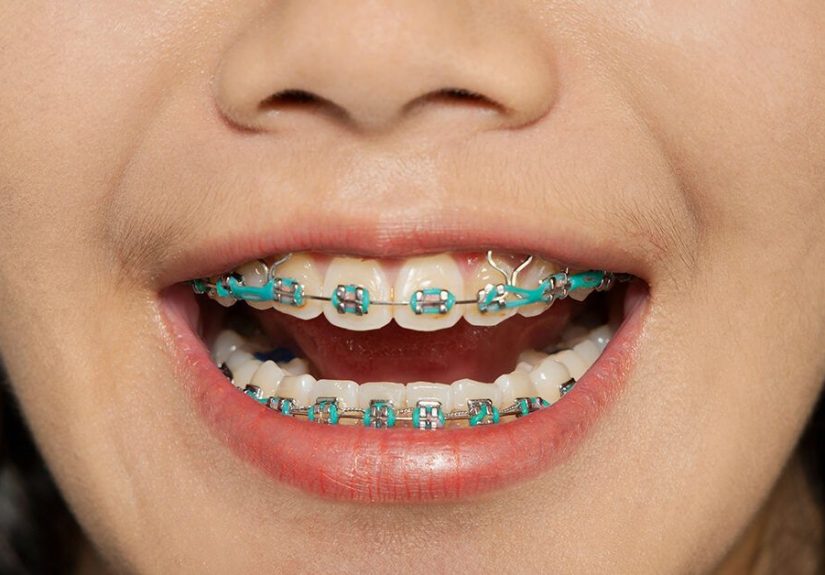
Braces with rubber bands are a common part of orthodontic treatment. These bands, also called orthodontic elastics, help guide the teeth and jaws into better alignment. Brackets and wires can straighten teeth, but rubber bands add extra directional force to improve how the upper and lower teeth fit together. In plain English: braces move teeth; rubber bands help fix the bite.
In this guide, we will explain what rubber bands for braces do, why orthodontists prescribe them, how long they usually stay on, how often to change them, what discomfort is normal, and how to survive the process without losing tiny elastics in every backpack, purse, couch cushion, and mysterious laundry corner.
What Are Rubber Bands for Braces?
Rubber bands for braces are small elastic loops that attach to hooks on brackets, wires, or special buttons. They usually connect the upper teeth to the lower teeth in a specific pattern. The orthodontist chooses the placement carefully based on what needs to move.
These bands are different from the tiny colored rings that sit around brackets. Those little rings are called ligatures, and they help hold the archwire in place. Orthodontic rubber bands, on the other hand, stretch between different parts of the mouth and create pulling force. They are removable, replaceable, and very easy to underestimate until you forget to wear them for a weekend and your orthodontist gives you the “we both know what happened” look.
Why Do Orthodontists Use Rubber Bands with Braces?
The main purpose of rubber bands is to apply gentle, steady pressure in a direction that braces alone may not provide. Brackets and wires are excellent at moving teeth along the dental arch, but bite correction often needs extra help. Rubber bands can pull the upper and lower teeth into a better relationship so the bite becomes more balanced.
They Help Correct Bite Problems
Orthodontic elastics are commonly used to improve bite issues such as overbite, underbite, crossbite, and open bite. For example, if the upper teeth sit too far forward, elastics may be placed in a way that helps bring the bite into better alignment. If the lower jaw or lower teeth need guidance, the bands may be arranged differently.
The exact pattern matters. One patient may wear bands from the upper canine to the lower molar. Another may wear triangle-shaped elastics. Someone else may wear bands only at night. This is why copying a friend’s elastic pattern is a terrible idea, even if their braces look cooler in selfies.
They Improve How Teeth Fit Together
A straight smile is great, but orthodontic treatment is not only about appearance. Teeth also need to meet properly when you bite, chew, and speak. If the bite is off, it can cause uneven wear, jaw strain, difficulty chewing, or long-term dental problems.
Rubber bands help coordinate the upper and lower arches. Think of them as tiny personal trainers for your bite. They do not lift weights, but they do apply consistent pressure until the teeth and jaws learn where they are supposed to be.
They Can Help Treatment Stay on Schedule
Consistent elastic wear can support efficient orthodontic progress. That does not mean rubber bands magically make braces finish overnight. If that were true, orthodontists would be handing them out like candy at a parade. But when worn as directed, elastics help treatment move according to plan. When worn inconsistently, progress may slow down or even relapse between appointments.
How Long Do Rubber Bands Stay On?
The short answer: rubber bands stay on for as long each day as your orthodontist prescribes. The longer answer: it depends on your bite, your treatment stage, and how faithfully you wear them.
Many patients are told to wear elastics full-time, often around 20 to 22 hours per day. That usually means wearing them while sleeping and removing them only for eating, brushing, flossing, or certain activities such as wearing a mouthguard. Other patients may be instructed to wear them only at night. Some may wear them for several weeks, while others may need them for months.
There is no universal timeline because orthodontic treatment is personal. Your teeth do not move according to internet averages. They move according to your biology, your bite problem, and whether you actually put the rubber bands in after lunch.
How Many Months Will You Need Rubber Bands?
Some people wear braces rubber bands for a few months near the middle or end of treatment. Others may need elastics on and off throughout a larger portion of their orthodontic plan. In many cases, rubber bands are introduced after the teeth have already started aligning and the orthodontist is ready to fine-tune the bite.
Factors that affect how long you need rubber bands include:
- The type of bite problem being corrected
- The amount of tooth or jaw movement needed
- Your age and natural tooth movement response
- How many hours per day you wear the elastics
- Whether bands are changed as instructed
- Whether appointments are kept on schedule
If your orthodontist says to wear them 22 hours a day and you wear them “sometimes, when Mercury is in retrograde,” treatment will probably take longer. Rubber bands need consistency. They work through steady pressure, not occasional enthusiasm.
How Often Should You Change Braces Rubber Bands?
Most orthodontic elastics lose strength as they stretch. That is why they must be replaced regularly. Many orthodontists recommend changing them several times a day, often after meals and before bed. Some patients may be told to change them twice daily; others may be told three or four times daily.
Always follow your orthodontist’s specific instructions. Do not reuse old bands, and do not keep the same pair in all day unless your orthodontist specifically says that is okay. A tired rubber band is like a phone at 1% battery: technically still present, but not doing much.
Can You Eat with Rubber Bands On?
Some orthodontists allow or encourage patients to eat with elastics in place, while others recommend removing them during meals. The correct answer depends on your treatment plan and your orthodontist’s instructions.
In general, many patients remove rubber bands before eating, then put in a fresh set afterward. You should also remove them when brushing and flossing so you can clean your teeth properly. Afterward, replace them right away. The danger zone is not the two minutes when the bands are out; it is the five hours when you forget to put them back in because a sandwich distracted you.
Do Rubber Bands Hurt?
Rubber bands can cause soreness, especially during the first few days. This discomfort usually happens because the teeth and jaws are adjusting to new pressure. The feeling is often described as tightness, tenderness, or mild aching.
The good news is that soreness often improves as you wear the elastics consistently. Taking long breaks can make the discomfort return because the teeth may shift slightly back and then have to adjust again. In other words, skipping rubber bands does not avoid soreness; it may simply keep restarting the adjustment period. Very rude of biology, but there we are.
Tips for Managing Rubber Band Discomfort
If your mouth feels sore, try soft foods for a day or two, such as yogurt, scrambled eggs, soup, smoothies, pasta, or mashed potatoes. Orthodontic wax may help if brackets or hooks irritate the inside of your cheeks. A warm saltwater rinse may soothe minor irritation. If your orthodontist or dentist says it is safe for you, over-the-counter pain relief may also help.
However, severe pain, swelling, broken appliances, or elastics that feel impossible to wear should be discussed with your orthodontic office. Do not try to “power through” a problem that may need adjustment.
What Happens If You Do Not Wear Rubber Bands?
If you do not wear rubber bands as directed, your teeth may not move as planned. Treatment may take longer, bite correction may be incomplete, and your orthodontist may need to adjust the plan. In some cases, inconsistent elastic wear can cause teeth to shift back and forth instead of progressing steadily.
Skipping elastics is one of the most common reasons orthodontic treatment gets delayed. Braces can only do their job when all parts of the system work together. Rubber bands are small, but they are not optional if your orthodontist prescribed them.
Can You Wear Extra Rubber Bands to Speed Things Up?
No. Wearing extra rubber bands is not a shortcut. It can create too much force, move teeth in the wrong direction, damage roots or supporting structures, and slow treatment instead of speeding it up.
Orthodontic movement is carefully planned. More pressure does not mean better results. It is like baking cookies: doubling the oven temperature does not make them finish perfectly in half the time. It makes smoke, regret, and possibly a call to your parents. Teeth are similar, except orthodontists prefer you not test the theory.
Common Rubber Band Patterns
Rubber bands can be worn in several configurations depending on the bite correction needed. Your orthodontist may describe them by class, shape, or attachment points.
Class II Elastics
Class II elastics are often used when the upper teeth sit too far ahead of the lower teeth. They may stretch from an upper front area to a lower back area, helping guide the bite toward a better relationship.
Class III Elastics
Class III elastics may be used when the lower teeth or jaw sit too far forward compared with the upper teeth. These bands are usually placed in the opposite direction from Class II elastics.
Triangle Elastics
Triangle elastics connect three points and are often used to help settle the bite. They may improve how upper and lower teeth contact each other.
Vertical Elastics
Vertical elastics may help close an open bite or bring teeth together vertically. These patterns can feel awkward at first because they may limit how wide you can open your mouth.
Again, these examples are general. Your orthodontist’s instructions are the only instructions that matter for your mouth.
How to Put Rubber Bands on Braces
At first, placing elastics can feel like trying to tie a fishing line inside a mailbox. With practice, it becomes much easier. Your orthodontist or assistant should show you exactly where each band goes. Many offices also provide a diagram or small mirror demonstration.
- Wash your hands before touching the elastics.
- Use a mirror, especially during the first few days.
- Hook the elastic onto the first bracket or button.
- Stretch it carefully to the second hook.
- Check that it matches the pattern your orthodontist showed you.
- Replace both sides if your instructions require symmetrical wear.
Some patients use a plastic elastic placer tool. Others prefer fingers. Either is fine if the bands are placed correctly and hands are clean.
What If a Rubber Band Breaks?
If a rubber band breaks, replace it as soon as possible. Keep extra elastics with you at school, work, in your bag, or wherever you spend time. If one side breaks and you wear elastics on both sides, your orthodontist may want you to replace both so the force stays balanced.
If you run out of rubber bands, contact your orthodontic office. Do not buy random orthodontic elastics online unless your orthodontist specifically tells you the correct size and force. Elastics are not all the same. They come in different diameters, strengths, and materials. The wrong band can produce the wrong movement.
Are Latex-Free Rubber Bands Available?
Yes. Many orthodontic offices offer latex-free elastics for patients with latex allergies or sensitivities. If you have a known latex allergy, tell your orthodontist before wearing rubber bands. Do not assume every elastic is latex-free.
Best Tips for Wearing Rubber Bands Successfully
Wearing rubber bands is simple, but remembering them is the real challenge. The trick is to make elastic wear part of your routine instead of relying on heroic memory skills.
- Keep extra bags in your backpack, bathroom, car, locker, or desk.
- Change elastics after meals if instructed.
- Set phone reminders for the first week.
- Use a mirror until placement becomes automatic.
- Never double up unless your orthodontist says to.
- Call the office if you lose your bands or forget the pattern.
- Be honest at appointments about how often you wear them.
Your orthodontist can help only if they know what is happening. Saying “I wore them perfectly” while the rubber band bag is still sealed is not a winning strategy. Orthodontists have seen everything. They know.
When Should You Call Your Orthodontist?
Call your orthodontic office if a hook breaks, a bracket comes loose, you lose your elastics, you are unsure where to place them, or the bands cause unusual pain. You should also call if your bite suddenly feels very different or if one side seems to be pulling more than the other.
Minor soreness is common. Sharp pain, swelling, bleeding, or broken hardware should not be ignored. A quick call can prevent a small problem from becoming a treatment delay.
Braces with Rubber Bands: Real-Life Experiences and Practical Lessons
Most people do not remember rubber bands as the most glamorous part of braces. They remember the tiny bags, the snapping sound, the awkward first attempts, and the moment they realize they can no longer open their mouth wide enough to take a heroic bite of a burger. Still, many patients also remember elastics as the stage when their bite finally started to feel different in a good way.
One common experience is the “first-week surprise.” A patient leaves the orthodontist feeling confident, then gets home and discovers that putting the bands on without help is harder than it looked in the chair. The mirror fogs up. The band slips. The mouth refuses to cooperate. This is normal. Most people get faster within a few days. What takes five minutes on Monday may take ten seconds by Friday.
Another familiar experience is speech adjustment. Some patients notice they talk differently at first, especially if the bands limit jaw movement. Words may feel slightly tighter or more careful. This usually improves as the mouth adapts. Reading out loud for a few minutes can help, though your family may wonder why you are suddenly narrating cereal boxes like a professional audiobook actor.
Eating is also a learning curve. If your orthodontist tells you to remove elastics for meals, the biggest challenge is remembering to put them back in afterward. Many patients solve this by carrying a small case or keeping elastics beside their toothbrush. Others set a phone alarm labeled “Put your tiny tooth bungees back on.” Silly? Yes. Effective? Also yes.
Social situations can feel awkward at first. Teens may worry that classmates will notice. Adults may wonder if rubber bands look unprofessional. In reality, most people are far less focused on your braces than you think. If someone does notice, a simple “They’re helping fix my bite” usually ends the conversation. And if it does not, congratulations: you have found someone with a surprisingly intense interest in orthodontics.
The biggest lesson from patient experience is that consistency beats perfection. Forgetting once is not the end of the world. Forgetting every day is where problems begin. A good habit is to replace the bands immediately after brushing, meals, or sports. The less you negotiate with yourself, the easier it gets. “I’ll put them in later” is where elastics go to disappear.
Patients also learn that soreness is often worse when they are inconsistent. Wearing rubber bands steadily helps the mouth adapt. Taking long breaks can make the teeth feel tender again when the bands go back on. This is why orthodontists often emphasize full-time wear when prescribed. It is not because they enjoy being strict. It is because teeth respond best to steady, controlled pressure.
By the end of treatment, many people look back and realize rubber bands were a small inconvenience with a big job. They may not be fun, fashionable, or easy to remember, but they can make a major difference in how the teeth fit together. When the braces finally come off and the bite feels comfortable, those tiny elastics seem a lot less annoying. Almost heroic, really. Tiny, stretchy heroes with terrible packaging.
Conclusion
Braces with rubber bands play an important role in orthodontic treatment. They help correct bite problems, guide jaw alignment, and improve how the upper and lower teeth fit together. While brackets and wires straighten teeth, rubber bands add the extra force needed for more precise bite correction.
How long rubber bands stay on depends on your orthodontist’s plan. Some patients wear them nearly full-time, while others wear them only at night. Some need them for a few weeks; others wear them for several months. The most important rule is simple: wear them exactly as directed.
Do not double up, do not invent your own pattern, and do not ignore them because they seem small. Orthodontic elastics may be tiny, but they can have a big impact on your final smile. Use them consistently, change them as instructed, and keep extras nearby. Your future bite will thank you, even if your current snack schedule feels mildly offended.