Table of Contents >> Show >> Hide
- Why Self-Massage Can Feel So Good
- Before You Start: The Golden Rules of Self-Massage
- How to Massage Your Neck
- How to Massage Your Feet
- How to Massage Your Back
- How Long and How Often Should You Do Self-Massage?
- What Self-Massage Can and Can’t Do
- Common Mistakes to Avoid
- Everyday Experiences With Self-Massage
- Conclusion
- SEO Tags
Sometimes your body doesn’t need a dramatic spa soundtrack and a cucumber water flight. Sometimes it just needs five quiet minutes, your own two hands, and a little less “I slept like a pretzel” energy. That’s where self-massage comes in. Done gently and thoughtfully, self-massage can help ease muscle tension, encourage relaxation, and give you a small, glorious break from screens, stress, and whatever your shoulders have been trying to prove lately.
The trick is keeping it simple. You do not need superhero thumbs, a deep-tissue vendetta, or a suitcase full of gadgets. In fact, when it comes to your neck, feet, and back, lighter and smarter is often better than harder and heroic. This guide walks you through how to massage each area safely, what tools can help, when to stop, and how to tell the difference between “my muscles are cranky” and “my body would like an actual professional, please.”
Why Self-Massage Can Feel So Good
Self-massage is a practical form of hands-on self-care. It may help loosen tight muscles, reduce the feeling of stiffness, improve your awareness of tense spots, and create a sense of calm. For many people, it also pairs well with other basics that deserve more applause than they get: better posture, gentle stretching, walking, hydration, and sleep. In other words, self-massage is not magic, but it can absolutely be a useful member of the relief squad.
The keyword here is gentle. If you push too hard, especially on sensitive areas like the neck, your muscles may tighten up even more. Your body is smart that way. It knows how to protest. Think of self-massage less like attacking a knot and more like persuading a grumpy muscle to stop filing complaints.
Before You Start: The Golden Rules of Self-Massage
1. Set yourself up like a civilized human
Sit or lie down in a comfortable position. Take a few slow breaths. If your shoulders are somewhere near your ears, kindly ask them to come down. You can use a little lotion or oil for the feet, but for the neck and back, many people prefer dry hands or a massage ball so they do not feel slippery and awkward.
2. Start light, then decide if you need more
Begin with light pressure and slow movements. Stay there for a minute. If the area softens and feels better, you can gradually increase pressure a little. Pain should never spike. “That’s pleasantly intense” is one thing. “Why did I make enemies with my own shoulder blade?” is another.
3. Keep sessions short
Five to 10 minutes per area is usually plenty. You are not sanding a deck. More pressure and more time do not automatically mean better results.
4. Don’t massage over these areas
Avoid broken skin, rashes, bruises, infections, recent burns, obvious swelling, or areas that feel hot and inflamed. Skip self-massage if you suspect a fracture, blood clot, or serious injury. If you have diabetes, nerve problems, poor circulation, cancer treatment concerns, or recent surgery, extra caution is wise, especially with your feet.
5. Know when to get help
Stop and seek medical advice if pain is severe, follows an injury, shoots down an arm or leg, or comes with numbness, tingling, weakness, fever, balance problems, or trouble controlling your bladder or bowels. Self-massage is for everyday tension, not for pretending red flags are confetti.
How to Massage Your Neck
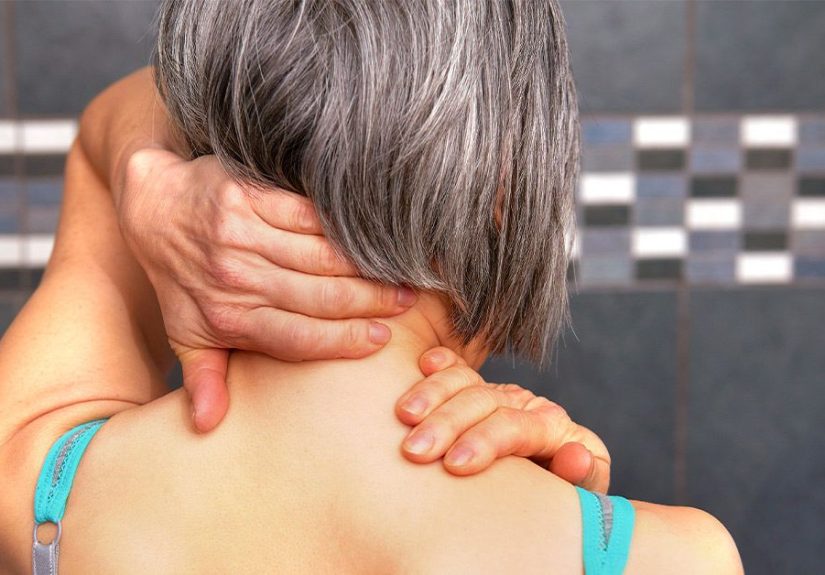
Your neck is a high-maintenance little masterpiece. It supports your head all day, survives your desk setup, and absorbs the emotional consequences of group chats. Because it is delicate, neck massage should be extra gentle.
A simple neck self-massage routine
Sit upright in a chair with both feet flat on the floor. Let your shoulders relax. Place the fingertips of one hand on the muscles between your neck and shoulder on the opposite side. These upper trapezius muscles often hold a surprising amount of tension, and not just metaphorically.
Use slow kneading motions, squeezing lightly and then releasing. Work from the outer shoulder inward toward the base of the neck. Spend 30 to 60 seconds there, then switch sides. After that, place your fingertips at the base of your skull and make tiny circular motions. Move slowly across the base of the head, where tension often gathers after long hours of looking down at a phone or hunching over a laptop.
Next, glide your fingers gently down the sides of your neck. Avoid pressing on the front of the neck, where important vessels and sensitive structures live. This is not the place for bold experimentation. You can finish by slowly tilting your ear toward one shoulder, holding for a breath or two, then repeating on the other side.
What helps the neck even more
Heat can be soothing for muscle tightness, especially if the neck feels stiff rather than freshly injured. Good posture matters too. If your screen sits low enough that your chin lives in your chest, your neck is probably not sending thank-you notes. Raise screens to eye level, support your arms when possible, and take movement breaks before you become a statue.
What to avoid with neck massage
Do not dig hard into the spine, crank your head around, or use aggressive tools on the front or side of the neck. If neck pain follows trauma, or if you also have headache, fever, arm weakness, tingling, or numbness, skip self-massage and get checked out.
How to Massage Your Feet
If your feet could write reviews, many of them would be one star and deeply personal. They carry you through the day, cram into shoes, tolerate hard floors, and generally do a lot with very little applause. A foot massage can feel fantastic because it combines pressure, movement, and a chance to actually pay attention to the body part doing all the overtime.
A simple foot self-massage routine
Sit in a sturdy chair and rest one foot on the opposite thigh. Rub a small amount of lotion into the foot if you like. Start by warming up the whole foot with both hands, using long strokes from heel to toes. This gets everything introduced and less suspicious.
Then place your thumbs on the sole of the foot and press along the arch in slow, small circles. Move from the heel toward the ball of the foot. If you find a tender spot, pause and use steady, tolerable pressure for a few seconds instead of poking it like a mystery button.
Use your knuckles or thumbs to knead the heel, then gently pull and rotate each toe. You can also flex and point the foot a few times, then circle the ankle in both directions. Finish by smoothing your hands over the entire foot again. Repeat on the other side.
Best areas to focus on
The arch, heel, ball of the foot, and the muscles between the toes often respond well to massage. If you stand a lot, walk long distances, or wear shoes that are more stylish than forgiving, these areas can get especially tight.
Helpful tools for feet
A tennis ball or massage ball can work wonders. Place it under your foot while seated or standing lightly, then roll from heel to toes with slow, controlled pressure. A frozen water bottle can be useful if the bottom of the foot feels sore after activity. Just do not press so hard that you turn relief into revenge.
When foot massage is not a great idea
If your foot pain is sudden, severe, injury-related, or comes with redness, swelling, or fever, stop and talk to a healthcare provider. People with diabetes, circulation problems, or reduced sensation in the feet should be especially careful and avoid vigorous pressure.
How to Massage Your Back
Back massage is a little trickier because, inconveniently, your back is behind you. Rude design flaw. Still, you can absolutely work on many common tight spots with your hands, a tennis ball, a foam roller, or a massage cane.
Using your hands for the upper back
Reach one hand across your chest to the opposite shoulder and upper back. Knead the muscle along the top of the shoulder and around the shoulder blade with slow, firm-but-gentle pressure. Breathe normally. Switch sides. This works especially well after desk work, driving, or any activity that convinces your shoulders to round forward like shy turtles.
Using a tennis ball on the wall
Stand with your back against a wall and place a tennis ball between the wall and one side of your upper or mid-back. Lean in gently and move your body up, down, or side to side until you find a tight area. Pause there for 15 to 30 seconds, then roll a little. Keep the ball off the spine itself and focus on the muscles beside it.
This method is great for the knots around the shoulder blades and along the paraspinal muscles. It is not great for trying to prove your pain tolerance to no one in particular.
Using a foam roller
A foam roller can help the upper and mid-back feel looser, especially when stiffness is related to posture or exercise. Lie on your back with the roller under your upper back, knees bent, and feet on the floor. Support your head with your hands, lift your hips slightly, and roll slowly over the upper and mid-back. Stay off the lower back if rolling there feels uncomfortable or too intense. Slow, controlled movements beat frantic flailing every time.
What about lower back pain?
Many cases of lower back tension respond better to a combination of gentle massage, heat after the first couple of days if it is not a fresh injury, walking, and changing positions often. A tennis ball against the wall can help the muscles around the low back and upper glutes, but avoid direct pressure on the spine. If pain shoots down your leg, causes numbness or weakness, or affects bowel or bladder control, skip the self-treatment routine and get medical care.
How Long and How Often Should You Do Self-Massage?
For general tension, aim for five to 10 minutes on one area, once or twice a day as needed. For exercise-related soreness, a brief session after activity or later in the day may help. The goal is consistency, not turning your living room into a questionable boot camp for sore muscles.
If a spot feels more irritated after massage, scale back the pressure, shorten the time, or stop altogether. Relief should feel like easing, softening, or calming. If your body answers with guarding, zapping, or sharp pain, it is vetoing your plan.
What Self-Massage Can and Can’t Do
Self-massage can be excellent for everyday muscle tension, stress, mild stiffness, and the sort of soreness that arrives after sitting too long, standing too long, carrying too much, or exercising with enthusiasm that outran preparation. It can also help you notice patterns. Maybe your neck tightens every time your workday gets chaotic. Maybe your feet scream after wearing unsupportive shoes. Maybe your back gets grumpy when you skip movement breaks for three straight days.
What self-massage cannot do is diagnose a serious problem, fix a structural injury, or replace medical care when symptoms are severe or unusual. Think of it as one tool in a bigger toolkit. Helpful? Yes. All-powerful? No. Not even close.
Common Mistakes to Avoid
Going too hard
Deep pressure is not always better. Muscles often relax more with steady, moderate pressure than with aggressive digging.
Ignoring posture and movement
If your setup or habits keep irritating the same muscles, the tension will keep coming back like a sequel nobody asked for.
Using the wrong tool in the wrong place
Massage balls and rollers are useful, but delicate areas like the neck need extra caution. Never jam hard tools into the front of your neck or directly on your spine.
Massaging through red flags
Severe pain, swelling, fever, weakness, numbness, or pain after a fall or accident deserve professional attention, not optimistic thumb work.
Everyday Experiences With Self-Massage
One of the most relatable things about self-massage is how ordinary the need for it can be. It is not always about dramatic pain. Sometimes it is the strange little stiffness that shows up after a long meeting, a commute, a workout, or an afternoon spent pretending your dining chair is ergonomic. You finish the day feeling fine-ish, except your neck has turned into a suspicious brick and your feet are filing emotional paperwork.
For many people, the first experience with self-massage is almost accidental. You rub your neck while answering email. You roll your foot over a tennis ball while watching TV. You lean into the wall with a massage ball on your upper back and suddenly realize that one tiny spot has been carrying the emotional burden of your entire week. There is something oddly satisfying about discovering that relief can come from small, repeatable habits instead of a giant production.
Neck massage, in particular, often feels less like a luxury and more like damage control for modern life. A few gentle circles at the base of the skull can make you notice how much tension you were holding without realizing it. Many people describe the feeling as a gradual “unclenching,” like their shoulders stop auditioning for the role of earrings. It is rarely instant magic, but it can be the first nudge that helps the whole body settle down.
Foot massage has a different personality. It tends to feel immediate, grounding, and weirdly emotional in the best way. After a long day on your feet, working lotion into the arch and heel can create that wonderful contrast between “I was done with this day” and “Okay, maybe I can be a person again.” Rolling the sole over a ball often starts with “this is tender” and ends with “oh wow, that actually helped.” It also makes you appreciate your feet more, which is fair because they have been doing unpaid labor forever.
Back self-massage can be the most dramatic. Few things compare to finding a tight spot near the shoulder blade with a tennis ball against the wall and realizing that yes, that was the villain all along. The experience is often part relief, part negotiation. Too much pressure and your muscles tense up. Just enough, and the area starts to soften. It teaches patience. It also teaches that the body usually responds better to calm consistency than to a brute-force attack.
What people often notice over time is not just less tension, but better body awareness. You begin to recognize patterns. Your neck tightens on stressful days. Your back complains when you skip walks. Your feet feel better when your shoes are supportive and worse when fashion wins the argument. Self-massage becomes less about “fixing” the body and more about listening to it before it starts yelling.
That may be the best part of the experience. Self-massage can create a brief moment where you stop rushing, stop scrolling, and actually notice how you feel. It is practical, low-cost, and surprisingly human. No candles required. No fancy spa robe needed. Just a few minutes, a little kindness, and maybe a tennis ball that finally earns its keep indoors.
Conclusion
Self-massage is one of the simplest ways to show your neck, feet, and back a little mercy. Use gentle pressure, move slowly, and pay attention to how your body responds. A short routine can help ease tension, support relaxation, and make everyday aches feel a little less dramatic. Pair it with stretching, posture changes, supportive shoes, and regular movement, and you have a smart, realistic plan for feeling better. The goal is not to win a wrestling match with your muscles. The goal is relief, and relief usually likes a gentler approach.