Table of Contents >> Show >> Hide
- Why Stuffin' Muffins Are Better Than Regular Stuffing
- What Makes a Great Stuffin' Muffin?
- Ingredients for the Best Stuffin' Muffins Recipe
- How To Make Stuffin' Muffins
- Tips for Crispy, Flavorful Stuffing Muffins
- Easy Variations on Stuffin' Muffins
- What To Serve With Stuffin' Muffins
- How To Store and Reheat Stuffin' Muffins
- Common Mistakes To Avoid
- Why This Stuffin' Muffins Recipe Works
- Experience: What It Is Really Like To Make and Serve Stuffin' Muffins
- Conclusion
If classic stuffing had a glow-up, this would be it. Stuffin’ muffins take everything people love about holiday stuffingsavory herbs, buttery bread, tender vegetables, and those golden crispy bits everyone politely pretends not to fight overand turn it into neat little muffin-sized portions. They are crunchy on the outside, soft in the center, and wildly convenient for dinner plates, buffet tables, leftovers, and the kind of Thanksgiving timing that usually requires a whiteboard and emotional support.
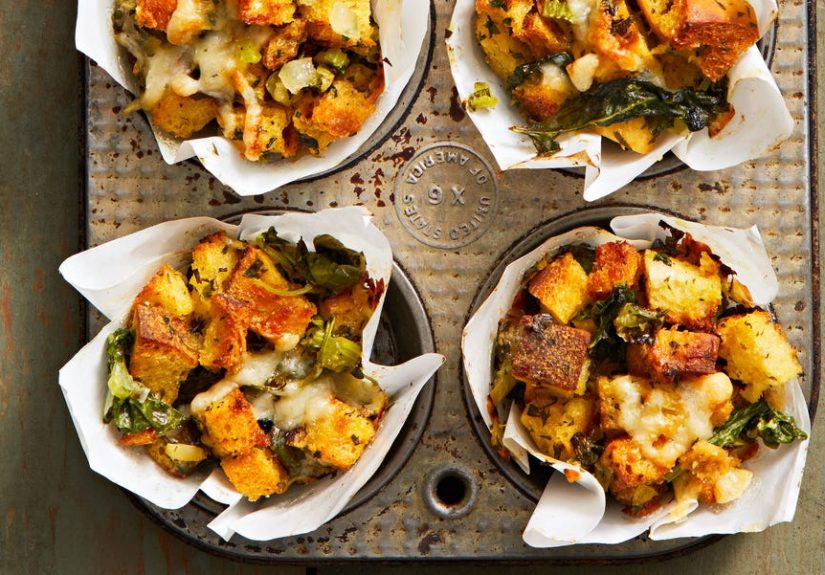
The magic of stuffin’ muffins is simple: baking stuffing in a muffin tin gives you more surface area, which means more browned edges and more flavor in every bite. Instead of one big casserole where only the corners get all the glory, each serving gets its own crispy halo. It is the democratic version of stuffing. No campaigning required.
This guide walks you through exactly how to make the best stuffin’ muffins recipe from scratch, why the method works so well, how to avoid soggy or crumbly results, and how to customize the flavor for your table. Whether you are planning a holiday feast, using up leftover stuffing, or just want an excuse to make a savory muffin that does not taste like sadness, you are in the right place.
Why Stuffin’ Muffins Are Better Than Regular Stuffing
Let us be honest: one of the greatest kitchen tragedies is pulling a beautiful pan of stuffing from the oven and realizing only the top layer got crisp while the middle turned into a soft bread swamp. Stuffin’ muffins solve that problem fast. A muffin tin creates individual portions with more direct contact against a hot pan, which means you get crispy edges, a moist center, and a much better texture balance.
They are also easier to serve. No scooping. No collapsing. No mystery chunk hanging off the serving spoon. You can place one or two on a plate, drizzle over gravy, and suddenly your holiday side dish looks like it got dressed up for the occasion.
Stuffin’ muffins are also a smart make-ahead option. You can prep the mixture ahead of time, fill the muffin pan later, and bake when needed. They reheat well, freeze surprisingly well, and make excellent leftovers for breakfast the next day with an egg on top. That is not excess. That is strategy.
What Makes a Great Stuffin’ Muffin?
1. Dry Bread Is the Secret Weapon
The best stuffing muffins start with dry bread, not soft fresh bread. This is one of those kitchen truths that feels unfair until you taste the difference. Dry or day-old bread absorbs broth and butter without turning to mush. Fresh bread tends to collapse, clump, and behave like it has never handled pressure before.
You can leave cubed bread out overnight, or dry it in the oven until it feels firm and a little crisp. A rustic loaf, sandwich bread, sourdough, French bread, or a good-quality stuffing mix can all work. The key is texture, not snobbery.
2. The Flavor Base Matters
Stuffing is not complicated, but it does demand a strong savory base. Onion, celery, butter, and herbs do most of the heavy lifting. Garlic is welcome. Sausage is excellent. Fresh parsley brightens things up. Sage and thyme are the classic duo, while rosemary adds a woodsy note that says, “Yes, I do know what I am doing,” even if you are cooking in pajama pants.
3. The Liquid Needs Restraint
Broth is essential, but too much liquid is how good intentions turn into spoonable regret. You want the bread moistened, not drowned. The mixture should feel hydrated and cohesive, not soupy. Think damp fall leaves, not breakfast cereal that has been abandoned too long.
4. A Binder Helps Everything Hold Together
Traditional pan stuffing can get away without eggs depending on the style, but stuffin’ muffins benefit from a binder. One or two eggs help the muffins hold their shape so they pop out of the pan like actual muffins instead of loose stuffing with identity issues.
Ingredients for the Best Stuffin’ Muffins Recipe
This version makes 12 standard stuffin’ muffins and hits the sweet spot between classic Thanksgiving flavor and practical weeknight ease.
Ingredients
- 10 cups cubed day-old bread, dried bread cubes, or a sturdy stuffing mix
- 6 tablespoons unsalted butter
- 8 ounces ground pork sausage or Italian sausage, optional but highly recommended
- 1 medium yellow onion, finely chopped
- 3 celery stalks, finely chopped
- 2 garlic cloves, minced
- 1 tablespoon chopped fresh sage, or 1 teaspoon dried sage
- 1 teaspoon chopped fresh thyme, or 1/2 teaspoon dried thyme
- 1/2 teaspoon chopped rosemary, optional
- 2 tablespoons chopped fresh parsley
- 1 3/4 to 2 cups chicken broth or turkey broth
- 2 large eggs, lightly beaten
- 1 teaspoon kosher salt, plus more to taste
- 1/2 teaspoon black pepper
- Cooking spray or extra butter for greasing the pan
How To Make Stuffin’ Muffins
Step 1: Dry the Bread
If your bread is not already dry, spread the cubes on a baking sheet and bake at 275°F for about 25 to 35 minutes, stirring once or twice, until the cubes feel dry but not deeply browned. Let them cool slightly. This step is worth it. Skip it only if chaos is your cooking style.
Step 2: Cook the Sausage
In a large skillet over medium heat, cook the sausage until browned and cooked through. Break it into small crumbles as it cooks. Transfer it to a bowl and set aside. If you are leaving out the sausage, proceed confidently. The muffins will still be delicious.
Step 3: Build the Flavor Base
In the same skillet, melt the butter. Add the onion and celery and cook until softened, about 6 to 8 minutes. Stir in the garlic, sage, thyme, rosemary, parsley, salt, and pepper. Cook for another 30 seconds to 1 minute, just until fragrant. Your kitchen should now smell like a holiday movie where nobody burns the rolls.
Step 4: Combine the Mixture
Place the dried bread cubes in a large bowl. Add the cooked sausage and vegetable mixture. Toss well so the bread gets coated with all that buttery, herby goodness. Pour in 1 3/4 cups broth and the beaten eggs, then toss again until the bread is evenly moistened. If the mixture still seems too dry, add the remaining broth a little at a time.
Let the mixture sit for 5 to 10 minutes so the bread can absorb the liquid. This brief rest helps everything hold together better once baked.
Step 5: Fill the Muffin Tin
Preheat the oven to 375°F. Generously grease a standard 12-cup muffin tin with butter or cooking spray. Divide the stuffing mixture evenly among the muffin cups. Press gently so the mixture holds together, but do not pack it down like you are making concrete.
Step 6: Bake Until Crisp and Golden
Bake for 25 to 30 minutes, or until the tops are golden brown and the edges look crisp. Let the muffins rest in the pan for 5 minutes, then run a small knife around the edges and lift them out.
Serve warm. Add gravy if you like. Actually, add gravy if you love yourself.
Tips for Crispy, Flavorful Stuffing Muffins
Do Not Overdo the Broth
Too much broth is the fastest route to stuffing muffins that slump instead of stand. Add liquid gradually. The bread should be moistened through, but the bowl should not have puddles sitting at the bottom.
Grease the Pan Generously
Stuffing loves a muffin tin, but it also loves sticking to it. A well-greased pan helps the muffins release cleanly and encourages browning around the edges.
Use the Right Bread
Neutral breads like white sandwich bread, French bread, or sourdough give you classic stuffing flavor. Cornbread can be mixed in for a sweeter Southern-style feel. Rye gives a deeper flavor. Brioche is delicious but richer, so it can veer toward indulgent in a hurry.
Season Like You Mean It
Bread absorbs flavor, but it also dulls it. Taste your cooked vegetable mixture before combining everything. It should taste just a little more seasoned than you think is necessary, because the bread will calm it down.
Easy Variations on Stuffin’ Muffins
Apple Sausage Stuffin’ Muffins
Add 1 chopped tart apple to the onion and celery mixture for a subtle sweetness that plays beautifully with sausage and sage.
Cranberry Pecan Stuffin’ Muffins
Stir in 1/3 cup dried cranberries and 1/3 cup chopped toasted pecans for a festive version that tastes like Thanksgiving got a little fancy.
Cheddar Sourdough Stuffin’ Muffins
Use sourdough bread and fold in 3/4 cup shredded sharp cheddar. This version is rich, savory, and extremely hard to stop eating.
Leftover Turkey Stuffing Muffins
Mix in chopped cooked turkey and a spoonful of gravy for a smart leftover transformation. These are especially good the day after a holiday meal when nobody wants another plain reheated plate.
What To Serve With Stuffin’ Muffins
These muffins are a natural side for roast turkey, roast chicken, glazed ham, pork tenderloin, or even a simple Sunday roast. They also work in a holiday brunch spread with eggs, sausage, and fruit, which is useful when your refrigerator is full of leftovers and ambition is low.
If you are building a full Thanksgiving menu, pair them with mashed potatoes, green beans, cranberry sauce, roasted carrots, Brussels sprouts, and gravy. Stuffin’ muffins play well with others.
How To Store and Reheat Stuffin’ Muffins
Let the muffins cool, then store them in an airtight container in the refrigerator. Reheat them in the oven so the edges crisp back up, or use the microwave when convenience wins the argument. If you are reheating leftovers for a meal, make sure they are heated through before serving.
You can also freeze them. Wrap the muffins well, freeze, and reheat straight from frozen or after thawing in the refrigerator. They are one of those rare holiday foods that remain useful after the big event instead of quietly aging in the back of the fridge while everyone avoids eye contact.
Common Mistakes To Avoid
- Using fresh bread: It absorbs liquid poorly and turns gummy.
- Skipping the egg: The muffins may crumble instead of holding their shape.
- Packing too tightly: Compressed stuffing bakes up dense and heavy.
- Underseasoning: Bread needs a generous hand with herbs, salt, and pepper.
- Overbaking: Crisp is great. Dry is not.
Why This Stuffin’ Muffins Recipe Works
This recipe works because it respects stuffing fundamentals while adapting them to a muffin-tin format. The dried bread absorbs liquid without falling apart. The sautéed onion and celery build a classic savory base. The egg binder adds structure. The muffin tin creates maximum crisp edges. The result tastes nostalgic, but the format feels smarter, easier, and honestly a little more fun.
It is also flexible. You can make it rustic or polished, meatless or sausage-loaded, classic or full of add-ins. That adaptability is one reason stuffin’ muffins have become such a favorite for holiday cooks. They solve real texture problems without sacrificing the flavor people expect from stuffing.
Experience: What It Is Really Like To Make and Serve Stuffin’ Muffins
The first time you make stuffin’ muffins, the biggest surprise is not how cute they lookthough, yes, they are objectively adorable for a side dish made of bread and broth. The real surprise is how practical they are. You pull out the muffin tin, scoop the filling into each cup, and suddenly the entire stuffing situation feels organized. It is like taking a famously messy guest and handing them a seating chart.
In the oven, the smell is classic holiday comfort: butter, sage, onion, celery, and roasted bread. It smells familiar enough to satisfy tradition, but the visual payoff is better than a casserole dish. When the tops turn golden and the edges crisp against the pan, you realize each muffin is basically a corner piece. That is the dream. Nobody has to angle for the crunchy section. Nobody has to pretend they are taking “just a little more” while clearly excavating the best part of the pan.
At the table, stuffin’ muffins also change the mood in a funny way. They feel a little more special and a little less chaotic. Guests tend to notice them immediately. Someone always says, “Wait, why have we not been doing stuffing like this the whole time?” Another person usually grabs two before the gravy even makes it around the table. This is normal. Plan accordingly.
They are especially great for hosts who like a meal to look put-together without turning the entire day into a kitchen marathon. Stuffin’ muffins plate beautifully. They stack well on a serving dish. They are easy to count, easy to portion, and easy to replenish if you made an extra batch. For potlucks or Friendsgiving dinners, they travel better than a loose pan of stuffing and hold their shape on a buffet table instead of slowly settling into a beige landslide.
The leftovers are where this recipe really starts showing off. A cold stuffin’ muffin from the fridge is not exactly glamorous, but warmed in the oven, it gets its crisp edges back and tastes terrific. Top one with a fried egg and suddenly breakfast has holiday swagger. Tuck one next to sliced turkey for lunch and it feels like a real meal, not just leftovers doing their best. Split one open, spoon on leftover gravy, and you are now operating at a very respectable level of post-holiday wisdom.
There is also something satisfying about how customizable they are from one gathering to the next. One year you might go classic with sausage and sage. Another year you might fold in apples and cranberries for a sweeter edge. Another time, you use leftover cornbread and cheddar because the refrigerator is handing you a challenge and you are not one to back down. Stuffin’ muffins are forgiving that way. They let you be traditional, creative, efficient, or slightly dramatic, depending on what the day requires.
Most of all, they make stuffing feel like a star instead of an obligation. And for a dish that often gets overshadowed by turkey, pie, and whatever cousin brought the suspiciously shiny casserole, that is a well-earned promotion.
Conclusion
If you want a stuffing recipe with crispy edges, a tender center, and a presentation that is actually easier to serve, stuffin’ muffins are the move. They take classic stuffing ingredients and turn them into individual portions that look good, taste even better, and make leftovers feel exciting instead of routine. With dry bread, a flavorful herb base, the right amount of broth, and a muffin tin doing the heavy lifting, you can make a batch that is worthy of Thanksgiving but easy enough for any cool-weather dinner. In other words, this is not just stuffing in a different shape. It is a better strategy.