Table of Contents >> Show >> Hide
- What Makes a BBQ Rub Actually Work?
- Rub Rules (So Your Meat Tastes Great on Purpose)
- 13 Easy BBQ Rub Recipes
- 1) All-Purpose “Weeknight BBQ” Rub
- 2) Texas-Style Brisket Pepper Rub (Low Fuss, Big Bark)
- 3) Kansas City Sweet & Smoky Rub
- 4) Memphis Dry Rib Rub (Savory-Forward)
- 5) Carolina “Tangy Vibes” Rub (No Sauce Required)
- 6) Cajun/Creole “Essence-Style” Rub
- 7) Coffee-Chile Steak Rub (Bold, Not Bitter)
- 8) Peppery Garlic-Herb Rub (Sugar-Free, High-Heat Friendly)
- 9) Citrus Pepper “Lemon-Zest” Rub
- 10) “Jerk-Inspired” Island Rub (Warm Spice + Heat)
- 11) “Korean BBQ” Gochugaru Rub (Sweet Heat + Umami)
- 12) Southwest Chile-Lime Rub (Bright, Smoky, Zesty)
- 13) Maple-Bourbon Style Rub (Sweet, Cozy, Crowd-Pleasing)
- How to Apply BBQ Rub (Without Overthinking It)
- Storage, Shelf Life, and “Future You” Tips
- Backyard Rub Experiences ( of Real-World Lessons You’ll Actually Use)
- Conclusion
BBQ rubs are basically cheat codes for your grill and smoker. You mix a few pantry spices, shake them over meat like you’re casting a delicious spell,
and suddenly everyone thinks you “trained under a pitmaster in Texas.” (You did. On YouTube. It counts.)
This guide gives you 13 easy homemade BBQ rub recipeseach built for big flavor with minimal measuring dramaplus practical tips on salt, sugar, timing,
and how to avoid the classic “my rub turned into burnt candy” situation.
What Makes a BBQ Rub Actually Work?
A great BBQ rub is balanced: sweet, savory, aromatic, and just enough heat to keep things interesting. Most rubs are built from a familiar cast of
characterspaprika for color and warmth, sugar for sweetness and bark, pepper for bite, and garlic/onion powders for that “why does this smell so good?”
effect.
The 5 building blocks
- Salt (or separate salting): Salt penetrates meat; most other spices mostly stay near the surface. That’s why salting ahead (dry brining) matters.
- Sugar: Helps browning and bark, especially for low-and-slow cooking. Too much sugar over direct high heat can burn.
- Paprika/chiles: Sweet paprika for body; smoked paprika for campfire vibes; chili powders for heat and depth.
- Aromatics: Garlic powder, onion powder, mustard powderyour flavor “bass line.”
- Herbs & extras: Oregano, thyme, cumin, coriander, coffee, citrus zestsmall tweaks that make a rub feel custom.
Rub Rules (So Your Meat Tastes Great on Purpose)
1) Decide how you’re handling salt
You can either (a) include salt in the rub, or (b) salt the meat separately and use a mostly salt-free rub. The “salt first” method is popular because
salt can move deeper into the meat over time, while the rest of the spices mainly flavor the surface. A simple guideline many pit-focused sources use is
roughly about 1/2 teaspoon of coarse kosher salt per pound of meat when salting separately, ideally with some lead time.
2) Match sugar to your heat level
If you’re cooking low and slow (smoker, indirect grill, oven BBQ), sugar is your friend. If you’re blasting over direct high heat, go lighter on sugar
or use a “no-sugar” rub so you don’t accidentally invent charcoal crème brûlée.
3) Use a binder only if you need it
A thin coat of yellow mustard or oil can help rub clingespecially on ribs and chicken skin. You won’t really taste the mustard; it’s mostly a glue
situation (a tasty glue situation).
4) How much rub?
A practical, easy-to-remember target is about 1 tablespoon of rub per pound. Use enough to coat evenly without turning the surface into a
sandy beach.
13 Easy BBQ Rub Recipes
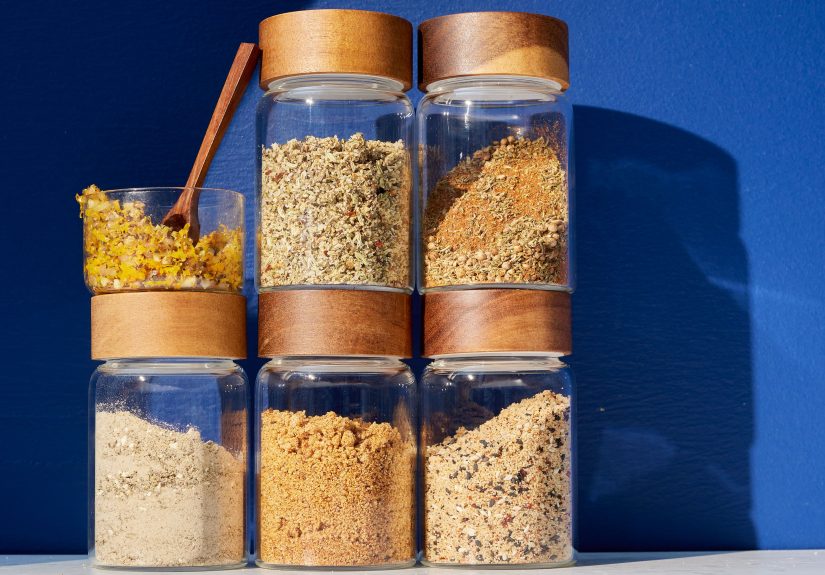
Each recipe makes roughly about 1/2 cup (enough for several pounds of meat). Mix well, break up brown-sugar clumps, and store airtight.
For best results, apply to lightly oiled meat (or use a binder), then cook as desired.
1) All-Purpose “Weeknight BBQ” Rub
Best for: chicken thighs, pork chops, burgers, veggies
- 2 Tbsp paprika (sweet or smoked)
- 1 Tbsp brown sugar
- 1 Tbsp kosher salt
- 2 tsp black pepper
- 2 tsp garlic powder
- 2 tsp onion powder
- 1 tsp ground mustard
- 1/2 tsp cayenne (optional)
Why it works: Balanced sweet-salty-smoky with enough pepper to taste like “BBQ” without requiring a whole spice cabinet.
2) Texas-Style Brisket Pepper Rub (Low Fuss, Big Bark)
Best for: brisket, beef ribs, tri-tip
- 3 Tbsp coarse black pepper
- 1 Tbsp kosher salt
- 1 Tbsp smoked paprika
- 2 tsp garlic powder
- 1 tsp onion powder
- 1 tsp ground coriander
- 1/2 tsp cayenne (optional)
Pro move: For brisket, keep sugar minimal so you can push heat a bit without scorching. Pepper drives bark; paprika rounds it out.
3) Kansas City Sweet & Smoky Rub
Best for: pork ribs, pulled pork, chicken quarters
- 3 Tbsp brown sugar
- 2 Tbsp paprika
- 1 Tbsp kosher salt
- 2 tsp chili powder
- 2 tsp black pepper
- 2 tsp garlic powder
- 1 tsp onion powder
- 1 tsp ground mustard
- 1/2 tsp cayenne
Flavor note: This is the classic “BBQ restaurant smell” profilesweet up front, smoky in the middle, peppery finish.
4) Memphis Dry Rib Rub (Savory-Forward)
Best for: dry ribs, smoked wings, pork tenderloin
- 2 Tbsp paprika
- 1 Tbsp brown sugar
- 1 Tbsp kosher salt
- 2 tsp garlic powder
- 2 tsp onion powder
- 2 tsp black pepper
- 1 tsp ground mustard
- 1 tsp dried oregano
- 1/2 tsp dried thyme
- 1/2 tsp cayenne
Serving idea: Finish ribs with a light dusting of fresh rub after slicing for a punchy, aromatic top note.
5) Carolina “Tangy Vibes” Rub (No Sauce Required)
Best for: pulled pork, smoked chicken, pork steaks
- 2 Tbsp brown sugar
- 1 Tbsp kosher salt
- 2 Tbsp paprika
- 2 tsp black pepper
- 1 tsp mustard powder
- 1 tsp garlic powder
- 1 tsp onion powder
- 1 tsp ground ginger
- 1/2 tsp crushed red pepper
Why it works: Mustard + ginger creates that bright “Carolina-ish” zip even before vinegar sauce hits the party.
6) Cajun/Creole “Essence-Style” Rub
Best for: chicken wings, turkey, shrimp, grilled pork
- 2 Tbsp paprika
- 1 Tbsp kosher salt
- 2 tsp garlic powder
- 2 tsp onion powder
- 2 tsp black pepper
- 1 tsp cayenne (more if you mean it)
- 1 tsp dried oregano
- 1 tsp dried thyme
Quick win: Toss wings with a little oil + this rub, then roast hot. Instant “sports bar at home” energy.
7) Coffee-Chile Steak Rub (Bold, Not Bitter)
Best for: steaks, beef short ribs, burgers
- 1 Tbsp finely ground coffee
- 2 Tbsp ancho chili powder
- 1 Tbsp brown sugar
- 1 Tbsp kosher salt
- 2 tsp black pepper
- 1 tsp smoked paprika
- 1 tsp ground coriander
- 1/2 tsp cinnamon (optional, tiny but mighty)
What to expect: Dark, roasty depth with chile warmthlike your steak put on a leather jacket.
8) Peppery Garlic-Herb Rub (Sugar-Free, High-Heat Friendly)
Best for: grilled chicken breasts, pork chops, lamb, veggies
- 1 Tbsp kosher salt
- 1 Tbsp black pepper
- 1 Tbsp garlic powder
- 2 tsp onion powder
- 2 tsp dried rosemary (crushed)
- 2 tsp dried thyme
- 1 tsp smoked paprika
- 1/2 tsp red pepper flakes
Why it works: No sugar means you can sear hard without panic. Herb aromatics make it taste “fancy” with zero extra effort.
9) Citrus Pepper “Lemon-Zest” Rub
Best for: chicken, turkey, fish, grilled vegetables
- 1 Tbsp kosher salt
- 2 tsp black pepper
- 2 tsp garlic powder
- 1 tsp onion powder
- 2 tsp dried lemon zest (or lemon pepper seasoning, reduce salt if it’s salty)
- 1 tsp paprika
- 1/2 tsp dried thyme
- Pinch of cayenne (optional)
Quick trick: This rub loves chicken skin. Pat skin dry, apply a light oil coat, then rub and roast/grill for crisp results.
10) “Jerk-Inspired” Island Rub (Warm Spice + Heat)
Best for: chicken legs, pork chops, grilled pineapple
- 1 Tbsp brown sugar
- 1 Tbsp kosher salt
- 2 tsp ground allspice
- 2 tsp dried thyme
- 2 tsp garlic powder
- 2 tsp onion powder
- 1 tsp ground ginger
- 1/2 tsp cinnamon
- 1/2 tsp cayenne (or more)
- 1 tsp dried orange peel or finely grated dried zest
Cook smart: Jerk flavors love slower, gentler grilling; avoid scorching sugars and spices by using indirect heat when possible.
11) “Korean BBQ” Gochugaru Rub (Sweet Heat + Umami)
Best for: pork shoulder slices, ribs, chicken thighs
- 2 Tbsp gochugaru (Korean red pepper flakes)
- 1 Tbsp brown sugar
- 1 Tbsp kosher salt
- 2 tsp garlic powder
- 1 tsp ground ginger
- 1 tsp black pepper
- 1 tsp toasted sesame seeds (optional)
- 1/2 tsp five-spice (optional, very light)
How to use: Great on pork, especially if you finish with a sticky glaze. For extra umami, add a pinch of mushroom powder if you have it.
12) Southwest Chile-Lime Rub (Bright, Smoky, Zesty)
Best for: chicken, skirt steak, pork tacos
- 2 Tbsp chili powder
- 1 Tbsp smoked paprika
- 1 Tbsp kosher salt
- 2 tsp cumin
- 2 tsp garlic powder
- 1 tsp onion powder
- 2 tsp dried lime zest (or citric acid “True Lime” style powder if you use it)
- 1 tsp brown sugar
- 1/2 tsp cayenne
Taco night hack: Rub chicken thighs with this, grill, chop, and hit with lime juice at the end for a flavor “pop.”
13) Maple-Bourbon Style Rub (Sweet, Cozy, Crowd-Pleasing)
Best for: pork ribs, pork loin, smoked chicken
- 3 Tbsp brown sugar
- 1 Tbsp kosher salt
- 2 Tbsp smoked paprika
- 2 tsp black pepper
- 2 tsp garlic powder
- 1 tsp onion powder
- 1 tsp ground mustard
- 1/2 tsp cinnamon
- 1/2 tsp chili powder
Why it works: You get “sweet smoke” without needing actual maple syrup in the rub. If you want the bourbon vibe, add a splash of bourbon to your sauce later.
How to Apply BBQ Rub (Without Overthinking It)
- Dry the surface: Pat meat dry so rub sticks and browns well.
- Salt strategy: If your rub has little/no salt, salt meat first (ideally ahead of time). If your rub contains salt, apply and rest 20–40 minutes.
- Binder (optional): Use a thin coat of oil or mustard for ribs and chicken if the surface feels dry or slick.
- Coat evenly: Sprinkle from height, then press (don’t “rub-rub-rub” like you’re sanding a deck).
- Rest: Give it 20–30 minutes at minimum. Overnight is great for salt-forward seasoning and thicker cuts.
Ribs specific: the quick checklist
- Remove the membrane for better bite and seasoning contact.
- Use mustard as a binder if you want an easy, even coat.
- Go indirect heat for most of the cook; sauce late if using it.
Storage, Shelf Life, and “Future You” Tips
- Store airtight in a jar or spice container away from heat and light.
- Label it with the date and the meat it loves most (your future self will thank you).
- Use within 1–2 months for best aroma. It’s still safe longer, but spices dull over time.
- Break up clumps in sugar-heavy rubs before using (a fork fixes most problems).
Backyard Rub Experiences ( of Real-World Lessons You’ll Actually Use)
If you make BBQ rubs more than once, you’ll start collecting a very specific set of “rub wisdom” that sounds obviousright up until the moment you ignore
it and regret everything. Here are the practical experiences most backyard cooks run into, plus how to win the next cookout without turning it into a
science fair.
First: the salt timeline is real. When you salt earlier, meat tastes seasoned all the way through instead of “salted on the outside.”
For thick cuts like pork shoulder or brisket, salting the day before (even if you add the rest of the rub later) can be the difference between “wow”
and “needs sauce.” On weeknights, even 30–60 minutes still helpsjust don’t expect miracles in 10 minutes.
Second: sugar is a mood. Low-and-slow? Sugar helps bark and color like it’s doing you a personal favor. Direct high heat? Sugar can turn
into a bitter, burnt crust faster than you can say “Is the grill supposed to smell like campfire caramel?” The experience most people have is this:
if you want a hard sear (steaks, chops), reach for a low- or no-sugar rub, then add sweetness later via glaze, sauce, or a finishing sprinkle.
Third: rub adhesion is half the battle. Ribs and chicken skin can be stubbornespecially if you’re cooking straight from the fridge and the
surface is slightly tacky in a weird way. A thin layer of oil solves most of it. Mustard is the other classic fix: it spreads evenly, grabs spices, and
disappears into the background once cooked. The “experience” takeaway is simple: if your rub is falling off while you carry meat to the grill, you needed
a binder.
Fourth: more rub isn’t always more flavor. Heavy-handed rub can get gritty, overly salty, or harshespecially with strong spices like
clove, five-spice, celery salt, or too much cayenne. The best cooks tend to do an even coat, then build flavor with smoke, proper heat control, and a
finishing step (a light dusting of rub after slicing, a squeeze of citrus, or a thin glaze).
Fifth: don’t rinse meat thinking it helps anything. It doesn’t improve safety and can spread bacteria around your sink and countertops.
Pat meat dry instead, season it, and cook properly. Clean hands, clean tools, clean surfacesBBQ tastes better when it doesn’t come with “extra drama.”
Finally: your rub becomes “yours” with one tweak. Make one base rub, then split it into three bowls. Add coffee to one, citrus zest to
another, extra pepper to the third. That’s how you build a house style without needing 27 store-bought bottles that expire quietly while you’re not looking.
The best experience here is confidence: once you understand the building blocks, you can improvisebecause BBQ is part cooking, part vibes, and part
convincing your neighbors you’ve always been this good.
Conclusion
BBQ rubs don’t need to be complicated to be impressive. Start with one all-purpose blend, keep one sugar-free blend for high-heat grilling, and rotate in
a “fun” rub (coffee, jerk-inspired, gochugaru) when you want people to ask, “Wait… what did you put on this?” With these 13 rub recipes, you can match
the flavor to the meat, the heat to the sugar, and the effort to your actual energy level. Whichlet’s be honestis the most important cooking metric.