Table of Contents >> Show >> Hide
- Why Food Matters During Your Period
- Best Foods To Eat When You’re on Your Period
- 1. Iron-Rich Foods for Fatigue and Blood Loss
- 2. Vitamin C Foods To Help Iron Absorption
- 3. Complex Carbohydrates for Cravings and Mood
- 4. Magnesium-Rich Foods for Cramps and Tension
- 5. Omega-3 Foods for Inflammation Support
- 6. Protein To Keep Energy Steady
- 7. Calcium and Vitamin D Foods for PMS Support
- 8. High-Water Foods for Bloating
- What To Drink During Your Period
- Foods To Limit When You’re on Your Period
- Period Meal Ideas Based on Symptoms
- A Simple One-Day Period Meal Plan
- When Food Is Not Enough
- Real-Life Experiences: What Eating on Your Period Actually Feels Like
- Conclusion
When your period shows up, your body may suddenly develop the personality of a very dramatic houseguest. One minute you want soup, the next you want chocolate, and five minutes later your stomach is negotiating a peace treaty with your sweatpants. The good news: what you eat during your period can make a real difference in how energized, bloated, crampy, or emotionally wobbly you feel.
Food is not a magic wand, and no single smoothie can politely ask cramps to leave the building. But a smart period diet can support iron levels, steady blood sugar, reduce inflammation, ease digestion, and help you feel more like yourself. The best foods to eat on your period are usually simple, familiar, and nutrient-dense: leafy greens, beans, salmon, eggs, yogurt, oatmeal, fruit, nuts, seeds, ginger tea, and plenty of water.
This guide breaks down what to eat when you’re on your period, what to limit, meal ideas for different symptoms, and real-life experience tips for making period week less chaotic.
Why Food Matters During Your Period
Your menstrual cycle is driven by hormonal changes. Right before and during your period, shifts in estrogen and progesterone can affect appetite, digestion, mood, sleep, and cravings. Menstrual cramps are also linked to prostaglandins, hormone-like compounds that help the uterus contract. Higher prostaglandin activity can mean stronger cramps, more inflammation, and sometimes nausea or diarrhea.
That is why your period meal plan should focus on four goals: replacing nutrients lost through bleeding, keeping energy stable, calming inflammation, and supporting digestion. In plain English, your plate should say, “I support you,” not “good luck surviving this sugar roller coaster.”
Best Foods To Eat When You’re on Your Period
1. Iron-Rich Foods for Fatigue and Blood Loss
Iron is one of the most important nutrients during menstruation because you lose blood during your period. If your flow is heavy, you may feel tired, dizzy, weak, or unusually drained. Eating iron-rich foods can help support healthy iron levels over time.
Good sources of iron include lean beef, turkey, chicken, tuna, salmon, eggs, lentils, beans, chickpeas, tofu, spinach, pumpkin seeds, fortified cereals, and enriched whole-grain breads. Animal-based iron is generally easier for the body to absorb, but plant-based iron can still be very helpful, especially when paired with vitamin C.
Try a spinach and strawberry salad, lentil soup with tomatoes, black bean tacos with salsa, or oatmeal topped with pumpkin seeds and berries. These combinations are simple, filling, and more useful than pretending coffee is a meal.
2. Vitamin C Foods To Help Iron Absorption
Vitamin C helps your body absorb non-heme iron, the type found in plant foods. If you eat mostly plant-based meals, this pairing is especially important. Add oranges, grapefruit, strawberries, kiwi, bell peppers, broccoli, tomatoes, or lemon juice to iron-rich meals.
For example, lentils plus tomatoes, spinach plus mandarin oranges, tofu plus broccoli, or beans plus bell pepper salsa are all period-friendly combinations. They taste good, support iron absorption, and do not require a nutrition degree or a kitchen full of mysterious powders.
3. Complex Carbohydrates for Cravings and Mood
Cravings before and during your period are common. Your body may ask for cookies with the urgency of a toddler asking for a toy in the checkout line. Instead of fighting every craving, build meals around complex carbohydrates that digest more slowly and help keep blood sugar steadier.
Great options include oats, brown rice, quinoa, sweet potatoes, whole-grain toast, barley, whole-wheat pasta, beans, peas, and fruit. These foods provide fiber, energy, and comfort without the sharp crash that often follows sugary snacks.
A bowl of oatmeal with banana and nut butter, a sweet potato with Greek yogurt and herbs, or quinoa with roasted vegetables and chickpeas can satisfy hunger while keeping your mood from riding an emotional roller coaster.
4. Magnesium-Rich Foods for Cramps and Tension
Magnesium supports normal muscle and nerve function, which makes it a key nutrient to consider when cramps, headaches, and body tension show up. Food sources of magnesium include pumpkin seeds, almonds, cashews, peanuts, spinach, black beans, edamame, brown rice, oats, dark chocolate, and whole grains.
Dark chocolate deserves a small round of applause here. Choose a moderate portion, ideally dark chocolate with a higher cocoa percentage, and pair it with nuts or fruit. It can feel like a treat while also bringing magnesium and antioxidants to the table. Your period may still be rude, but at least dessert can be useful.
5. Omega-3 Foods for Inflammation Support
Omega-3 fatty acids are healthy fats found in foods such as salmon, sardines, trout, tuna, flaxseed, chia seeds, walnuts, and some fortified foods. They are often discussed for their role in supporting heart health and managing inflammation. During your period, omega-3-rich foods can be a smart addition to an anti-inflammatory eating pattern.
Try salmon with roasted vegetables, sardines on whole-grain toast, chia pudding with berries, or walnuts sprinkled over oatmeal. If you do not eat fish, plant-based sources like chia seeds, flaxseed, walnuts, and canola or soybean oil can still contribute omega-3 fats.
6. Protein To Keep Energy Steady
Protein helps you stay full, supports muscle repair, and can reduce the snacky feeling that appears when blood sugar dips. During your period, include protein at breakfast, lunch, dinner, and snacks.
Good choices include eggs, chicken, turkey, fish, Greek yogurt, cottage cheese, tofu, tempeh, edamame, beans, lentils, peanut butter, nuts, and seeds. A breakfast of eggs with whole-grain toast, yogurt with berries, or tofu scramble with vegetables can help prevent the mid-morning “why am I hungry again?” mystery.
7. Calcium and Vitamin D Foods for PMS Support
Calcium-rich foods may support overall menstrual comfort and are commonly recommended as part of a balanced diet for people who experience PMS. Add yogurt, milk, fortified soy milk, fortified almond milk, cheese, tofu made with calcium, canned salmon with bones, kale, collard greens, or fortified cereals.
Vitamin D works closely with calcium, so include foods such as fortified milk, fortified plant milks, eggs, salmon, tuna, and fortified cereals. If you suspect you are low in vitamin D, ask a healthcare professional about testing rather than guessing with supplements.
8. High-Water Foods for Bloating
Bloating during your period is common, but skipping water is not the solution. Hydration helps digestion, supports circulation, and may reduce constipation. In addition to drinking water, eat water-rich foods such as watermelon, cucumber, oranges, grapes, berries, lettuce, celery, soup, and smoothies.
Warm soups are especially helpful if your stomach feels sensitive. Chicken soup, lentil soup, miso soup, vegetable soup, or ginger-carrot soup can provide fluids, electrolytes, and comfort in one bowl. Basically, soup is a blanket you can eat.
What To Drink During Your Period
Water
Start with water. It is boring, yes, but boring often works. Keep a bottle nearby and sip throughout the day, especially if you are bleeding heavily, sweating, exercising, or dealing with digestive changes.
Ginger Tea
Ginger tea may feel soothing when you have nausea, cramps, or an upset stomach. You can make it with fresh ginger slices steeped in hot water, or use a caffeine-free ginger tea bag. Add lemon or honey if you like.
Peppermint Tea
Peppermint tea can be calming for some people with bloating or digestive discomfort. It is caffeine-free, cozy, and gentle enough for evenings.
Smoothies
A smoothie can be useful when your appetite is low. Blend Greek yogurt or fortified soy milk with berries, banana, spinach, chia seeds, and a spoonful of peanut butter. This gives you protein, fiber, magnesium, calcium, and hydration without requiring much chewing effort.
Foods To Limit When You’re on Your Period
Very Salty Foods
Chips, fast food, processed meats, packaged noodles, and salty snacks may worsen bloating or water retention for some people. You do not need to ban salt completely, but going heavy on sodium during period week can make your jeans feel like they are personally attacking you.
Too Much Added Sugar
Sugary drinks, candy, pastries, and sweet cereals can cause quick blood sugar spikes followed by crashes. That crash may leave you tired, cranky, and hunting for another snack. If you want something sweet, try fruit with yogurt, dark chocolate with almonds, oatmeal with cinnamon, or a homemade smoothie.
Excess Caffeine
Caffeine affects people differently. For some, coffee helps energy and mood. For others, too much caffeine can worsen anxiety, breast tenderness, sleep problems, digestive upset, or headaches. If you notice symptoms getting worse, try reducing coffee, energy drinks, or strong tea for a few days.
Alcohol
Alcohol can affect sleep, hydration, mood, and digestion. If your period already comes with fatigue, headaches, or cramps, alcohol may make things more unpleasant. Choose water, herbal tea, or a fun mocktail with sparkling water, citrus, and berries instead.
Greasy or Highly Processed Foods
Fried foods and heavily processed snacks are easy to crave, but they may leave you feeling sluggish or bloated. You can still enjoy comfort food; just try to balance it. For example, pair a burger with fruit and water, or make baked fries with salmon and a salad. Period eating should be supportive, not joyless.
Period Meal Ideas Based on Symptoms
If You Have Cramps
Build meals around anti-inflammatory foods, magnesium, omega-3 fats, and warm fluids. Try salmon with brown rice and spinach, lentil soup with tomatoes, oatmeal with walnuts and banana, or ginger tea with whole-grain toast and eggs.
If You Feel Bloated
Choose water-rich produce, potassium-rich foods, and fiber from whole foods. Try yogurt with berries, cucumber and avocado toast, banana with peanut butter, vegetable soup, or brown rice with tofu and steamed vegetables. Reduce extra salty snacks for a few days and see if your body thanks you.
If You’re Exhausted
Focus on iron, protein, and complex carbohydrates. Try turkey chili with beans, fortified cereal with milk and strawberries, tofu stir-fry with broccoli, or chicken with sweet potato and greens. If fatigue is intense or your bleeding is very heavy, talk with a healthcare professional.
If You’re Moody or Craving Everything
Eat regularly and include protein, fiber, and healthy fats. Skipping meals can make cravings louder. Try Greek yogurt with granola, trail mix with nuts and dark chocolate, hummus with whole-grain pita, or a rice bowl with avocado, beans, vegetables, and salsa.
If Your Stomach Feels Sensitive
Go gentle. Try toast, bananas, rice, applesauce, soup, eggs, oatmeal, crackers, ginger tea, or a simple smoothie. Avoid huge meals if they make nausea worse. Smaller meals and snacks may be easier to handle.
A Simple One-Day Period Meal Plan
Breakfast
Oatmeal with banana, chia seeds, cinnamon, and peanut butter. Add a side of strawberries or orange slices for vitamin C.
Snack
Greek yogurt with blueberries and pumpkin seeds, or a dairy-free fortified yogurt if you prefer.
Lunch
Lentil and vegetable soup with whole-grain toast. Add lemon juice or tomatoes for vitamin C to support iron absorption.
Snack
Dark chocolate with almonds, or apple slices with peanut butter.
Dinner
Salmon, tofu, or chicken with brown rice, roasted sweet potatoes, and sautéed spinach. Finish with peppermint or ginger tea.
When Food Is Not Enough
Food can support your body, but severe period symptoms deserve attention. Talk with a healthcare professional if you have very heavy bleeding, periods that last longer than usual, dizziness, fainting, severe pain, sudden changes in your cycle, bleeding between periods, or cramps that keep you from school, work, or normal activities. Pain that is brushed off as “just cramps” can sometimes be related to conditions such as endometriosis, fibroids, pelvic inflammatory disease, or other health issues.
Also, be careful with supplements. Iron, magnesium, omega-3, vitamin D, and B vitamins may be helpful for some people, but supplements are not automatically safe for everyone. The better first step is usually food, then professional guidance if symptoms continue.
Real-Life Experiences: What Eating on Your Period Actually Feels Like
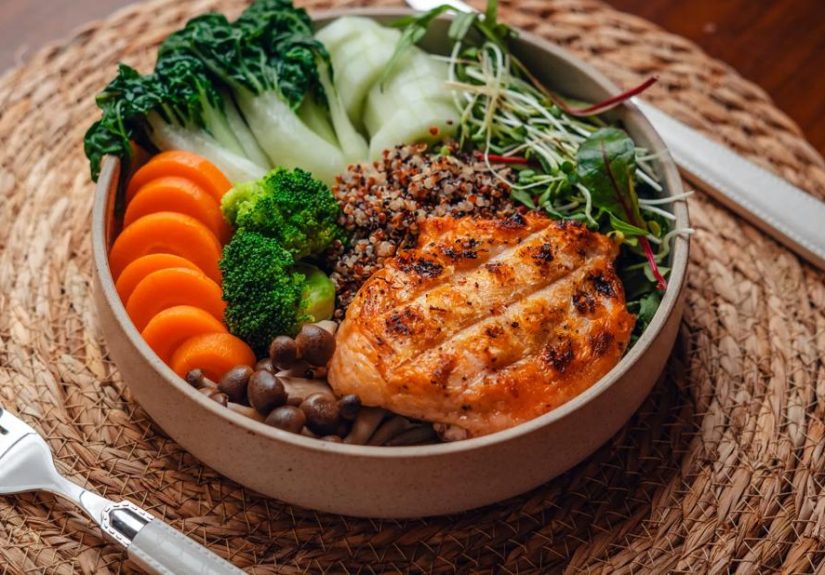
In real life, eating during your period is rarely as perfect as a wellness influencer’s refrigerator. Some days, a beautiful salmon bowl sounds amazing. Other days, the idea of chopping vegetables feels like preparing for the Olympics. That is why the most useful period food strategy is not perfection; it is preparation.
One helpful experience many people notice is that breakfast matters more during period week. Skipping breakfast can make cramps, nausea, fatigue, and cravings feel worse later in the day. A simple breakfast like oatmeal, eggs on toast, yogurt with fruit, or a smoothie can create a steadier start. It does not need to be fancy. It just needs to exist.
Another common lesson: cravings are not a moral failure. Wanting chocolate, fries, bread, or something salty does not mean you have “no discipline.” Hormonal shifts can change appetite and cravings. The trick is to work with the craving instead of turning it into a dramatic courtroom trial. If you want chocolate, have a small portion of dark chocolate with almonds. If you want something salty, try popcorn, roasted chickpeas, soup, or whole-grain crackers with hummus. If you want comfort food, build a balanced plate around it.
Many people also find that warm foods feel better than cold foods during cramps. Soup, oatmeal, tea, rice bowls, baked sweet potatoes, and warm toast can feel calming when your abdomen is tense. Warm meals also tend to be easier on the stomach, especially if your period brings nausea or digestive weirdness. Period digestion can be unpredictable; one day your stomach is fine, and the next day it acts like it has read every drama script ever written.
Meal prepping before your period can be a game changer. If your cycle is fairly predictable, stock easy foods a few days ahead: bananas, berries, yogurt, eggs, spinach, frozen vegetables, microwave rice, canned beans, lentils, soup, herbal tea, nuts, seeds, and dark chocolate. Future-you will be grateful when cramps arrive and dinner does not require creativity.
Hydration is another experience-based tip that sounds basic but works surprisingly well. Many people drink less water when they feel bloated because they assume water will make bloating worse. Often, the opposite happens. Regular fluids can support digestion and reduce constipation. Adding lemon, cucumber, berries, mint, or a splash of juice can make water more appealing if plain water feels like a chore.
Finally, the best period diet is flexible. Some cycles are easy. Some cycles feel like your uterus filed a complaint with management. Listen to your body, eat enough, choose nourishing foods most of the time, and do not punish yourself for wanting comfort. A balanced period plate should help you feel cared for, not controlled.
Conclusion
Knowing what to eat when you’re on your period can help you manage cramps, bloating, fatigue, mood changes, and cravings with more confidence. Focus on iron-rich foods, vitamin C, complex carbohydrates, protein, magnesium, omega-3 fats, calcium, high-water fruits and vegetables, and soothing drinks like ginger or peppermint tea. Limit foods that make symptoms worse for you, such as very salty snacks, excess sugar, too much caffeine, alcohol, and greasy processed foods.
Your period is not the time to starve, punish, or micromanage your body. It is the time to feed it well, hydrate, rest when needed, and keep easy meals within reach. Think of period nutrition as a monthly care package from you to you: practical, comforting, and ideally containing chocolate.