Table of Contents >> Show >> Hide
- Is Avocado Safe During Pregnancy?
- Why Avocado Is a Smart Pregnancy Food
- Key Benefits of Avocado During Pregnancy
- Benefits for Your Baby
- How Much Avocado Should You Eat During Pregnancy?
- Best Ways to Eat Avocado While Pregnant
- Food Safety Tips for Eating Avocado During Pregnancy
- Can Avocado Help With Morning Sickness?
- Can You Eat Avocado Every Day While Pregnant?
- Who Should Be Careful With Avocado?
- Easy Pregnancy Meal Ideas With Avocado
- Common Myths About Avocado in Pregnancy
- Practical Experiences: What Eating Avocado During Pregnancy Can Feel Like
- Conclusion
Pregnancy has a funny way of turning food into a daily strategy session. One minute you are peacefully eating toast; the next, you are wondering whether that toast should include protein, fiber, folate, healthy fats, and emotional support. Enter the avocado: creamy, mild, nutrient-dense, and somehow able to make almost anything feel like brunch.
Avocado in pregnancy is popular for good reason. It contains fiber, folate, potassium, vitamin K, vitamin E, vitamin C, vitamin B6, and mostly unsaturated fats. These nutrients can support maternal digestion, energy, heart health, and fetal growth as part of a balanced pregnancy diet. Still, avocado is not a miracle food, and it should not replace prenatal vitamins, medical advice, or a varied diet. Think of it as a very useful teammatenot the entire team.
This guide explains the benefits of eating avocado while pregnant, how it may support your baby’s development, how much to eat, safe preparation tips, and easy ways to add it to meals without getting bored by day three.
Is Avocado Safe During Pregnancy?
Yes, avocado is generally safe during pregnancy when it is washed, handled, and stored properly. It is a whole fruit, naturally low in sugar, and rich in nutrients many pregnant people need more of. Because pregnancy can increase vulnerability to foodborne illness, food safety matters even with healthy foods. Wash the outside of the avocado before cutting it, use a clean knife and cutting board, and refrigerate leftovers quickly.
The biggest concern is not the avocado itself but contamination from unwashed produce, dirty surfaces, or improper storage. A knife can carry germs from the peel into the flesh if the fruit is not washed first. That tiny step may feel boring, but pregnancy food safety is one area where boring is beautiful.
Why Avocado Is a Smart Pregnancy Food
A healthy pregnancy diet should include fruits, vegetables, whole grains, lean proteins, healthy fats, and important nutrients such as folate, iron, calcium, vitamin D, iodine, choline, and omega-3 fatty acids. Avocado fits nicely into that pattern because it provides several helpful nutrients in one creamy package.
Unlike many fruits, avocado is higher in fat than carbohydrates. Most of that fat is monounsaturated fat, the type often associated with heart-friendly eating patterns. It also contains fiber, which can help with fullness and digestive regularity. For pregnant people dealing with sudden hunger, nausea, constipation, or “I need food now or I may become a household legend” moments, avocado can be surprisingly practical.
Key Benefits of Avocado During Pregnancy
1. Avocado Provides Folate for Early Development
Folate is one of the most important nutrients in pregnancy because it supports cell growth and helps reduce the risk of neural tube defects, which affect the developing brain and spine. Prenatal vitamins are still important because it is hard to meet pregnancy folic acid needs through food alone. However, folate-rich foods like avocado can add valuable support to your daily intake.
Avocado naturally contains folate, making it a smart addition to meals before and during pregnancy. Pairing prenatal vitamins with folate-containing foods gives your body a more complete nutritional foundation. In simple terms, your prenatal vitamin does the heavy lifting, while avocado shows up with snacks and moral support.
2. Healthy Fats Support Baby’s Growth
Fat is not the villain in pregnancy nutrition. In fact, healthy fats are essential for normal growth and development. Avocado contains mostly unsaturated fat, including monounsaturated fat. These fats help your body absorb fat-soluble vitamins and can make meals more satisfying.
For your baby, fats play a role in building cells and supporting development. Avocado does not provide the same omega-3 DHA found in low-mercury fish, but it can still be part of a healthy fat pattern that includes foods such as salmon, sardines, walnuts, chia seeds, olive oil, nuts, and seeds. The goal is variety, not avocado-only devotionalthough avocado toast may respectfully disagree.
3. Fiber May Help With Pregnancy Constipation
Constipation is common during pregnancy due to hormonal changes, slower digestion, iron supplements, and pressure from the growing uterus. Avocado contains dietary fiber, which helps add bulk to stool and supports regular bowel movements. Fiber also helps you feel full longer, which can be useful when hunger arrives every 90 minutes wearing tap shoes.
A half avocado can make a meaningful contribution to daily fiber intake. For best results, increase fiber gradually and drink plenty of water. Adding too much fiber too quickly can cause bloating or gas, and pregnancy already provides enough surprise symptoms without inviting extra guests.
4. Potassium Supports Fluid Balance and Muscle Function
Avocado is a good source of potassium, a mineral involved in fluid balance, nerve signals, and muscle function. During pregnancy, the body’s blood volume increases, and minerals such as potassium help support normal cellular function.
Some pregnant people also experience leg cramps, although cramps can have several causes. Eating potassium-rich foods such as avocado, bananas, potatoes, beans, spinach, and yogurt may help support overall mineral intake. If cramps are frequent, severe, or paired with swelling or pain, it is best to speak with a healthcare provider.
5. Avocado Can Help Make Meals More Satisfying
Pregnancy hunger can be dramatic. One moment you are fine; the next, the refrigerator is in danger. Because avocado contains fat and fiber, it can slow digestion and help meals feel more filling. This makes it especially helpful at breakfast or snack time.
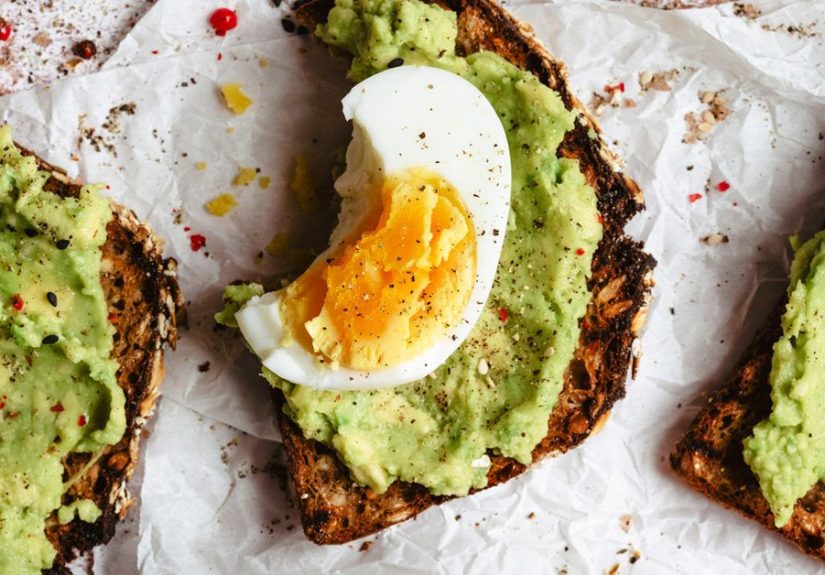
For example, plain toast may leave you hungry soon after eating. Whole-grain toast with mashed avocado and an egg provides carbohydrates, fiber, healthy fat, and protein. That combination is more balanced and may help keep energy steadier. It also tastes like you tried harder than you did, which is always a bonus.
6. It Is Gentle, Mild, and Easy to Pair With Other Foods
Pregnancy nausea can make strong smells and heavy meals difficult. Avocado has a mild flavor and soft texture, which may make it easier to tolerate than greasy, spicy, or strongly scented foods. It can be added to smoothies, toast, rice bowls, wraps, salads, eggs, soups, and tacos.
If nausea is a problem, try small portions. A few slices with crackers, a spoonful blended into a smoothie, or mashed avocado on toast may be easier than a large serving. Cold or room-temperature avocado dishes may also be more appealing when warm food smells feel overwhelming.
Benefits for Your Baby
Avocado supports your baby indirectly by helping improve the nutrient quality of your overall pregnancy diet. Folate supports early neural development. Healthy fats support cell growth. Vitamins and minerals contribute to normal development. Fiber supports maternal digestion, which can make it easier for you to keep eating nourishing foods consistently.
It is important to be realistic: eating avocado will not guarantee a healthier baby, prevent every complication, or replace prenatal care. But when included in a balanced diet, avocado can help provide nutrients that matter during pregnancy. In the world of pregnancy food choices, that makes it a dependable option.
How Much Avocado Should You Eat During Pregnancy?
There is no universal “perfect” avocado amount for every pregnant person. A common serving is about one-third to one-half of a medium avocado. Some people may enjoy avocado daily, while others may eat it a few times a week. The right amount depends on your appetite, calorie needs, medical history, weight-gain recommendations, and the rest of your diet.
Avocado is nutrient-dense but also calorie-dense. That is not a bad thingpregnancy requires energybut portions still matter. If you are adding avocado to a meal, you may not need as much butter, mayo, cheese, or creamy dressing. Using avocado as a replacement for less nutritious fats can be a smart move.
If you have kidney disease, a potassium restriction, gestational diabetes concerns, severe reflux, or a known avocado or latex-related allergy, ask your healthcare provider whether avocado is a good fit for you.
Best Ways to Eat Avocado While Pregnant
Avocado Toast With Protein
Mash avocado with lemon juice and spread it on whole-grain toast. Add a fully cooked egg, cottage cheese, smoked-free cooked salmon, or beans for protein. Sprinkle with black pepper, sesame seeds, or a little everything-bagel seasoning.
Pregnancy-Friendly Guacamole
Mix mashed avocado with lime juice, diced tomato, cilantro, and a small amount of onion. Serve with whole-grain crackers, veggie sticks, or baked tortilla chips. Keep it refrigerated and eat leftovers within a safe timeframe.
Avocado Smoothie
Blend avocado with banana, Greek yogurt, milk or fortified soy milk, and a handful of spinach. The avocado adds creaminess without needing ice cream or lots of added sugar.
Avocado Rice Bowl
Top brown rice or quinoa with avocado, roasted vegetables, black beans, chicken, tofu, or fully cooked fish from low-mercury choices. Add salsa or yogurt-lime sauce for flavor.
Avocado Salad Upgrade
Add avocado slices to leafy greens, beans, grilled chicken, hard-boiled eggs, or quinoa. The fat in avocado can help make the salad more satisfying and may help your body absorb certain fat-soluble nutrients from vegetables.
Food Safety Tips for Eating Avocado During Pregnancy
Avocado is safe for most pregnant people, but food handling matters. Follow these simple rules:
- Wash the avocado under running water before cutting.
- Use a clean knife and cutting board.
- Store cut avocado in the refrigerator.
- Do not eat avocado that smells sour, looks moldy, or has an unusual texture.
- Avoid guacamole that has been sitting out for more than two hours, or one hour in hot weather.
- When eating out, choose restaurants that appear clean and handle fresh foods safely.
Pregnancy increases the importance of avoiding foodborne illness. Fresh produce is healthy, but it still needs proper washing and storage. Your immune system is busy doing pregnancy-level multitasking, so give it clean ingredients to work with.
Can Avocado Help With Morning Sickness?
Avocado is not a cure for morning sickness, but it may help some people because it is mild, soft, and easy to pair with bland foods. Vitamin B6 is often discussed in relation to nausea, and avocado contains a small amount. However, nausea treatment should be guided by a healthcare provider, especially if vomiting is frequent or you cannot keep fluids down.
Try avocado in small portions with toast, rice, crackers, or a smoothie. If the texture feels too rich, add lemon juice or pair it with something crisp. If avocado suddenly becomes one of your food enemies, do not panic. Pregnancy taste changes are real, and sometimes your body files a temporary complaint against foods you used to love.
Can You Eat Avocado Every Day While Pregnant?
For many pregnant people, eating avocado every day can be fine as part of a balanced diet. The key is portion size and variety. No single food should dominate your plate every day, even a nutritious one. You still need protein, whole grains, calcium-rich foods, iron sources, colorful produce, and enough fluids.
A daily serving of avocado may work well if it replaces less nutritious fats or helps you eat more balanced meals. For example, avocado on whole-grain toast with eggs is more nourishing than skipping breakfast or eating only sugary cereal. But if daily avocado pushes out other important foods, rotate it with nuts, seeds, olive oil, hummus, yogurt, beans, and low-mercury seafood.
Who Should Be Careful With Avocado?
Most pregnant people can enjoy avocado safely, but a few situations deserve caution. People with avocado allergy should avoid it. Some people with latex allergy may react to avocado due to cross-reactivity. Anyone on a potassium-restricted diet, especially due to kidney disease, should ask a clinician before eating high-potassium foods regularly.
If you have gestational diabetes, avocado can still be useful because it is low in sugar and rich in fat and fiber. However, it should be part of meals planned around your blood sugar targets. Pair it with protein and high-fiber carbohydrates, and follow the plan recommended by your healthcare team.
Easy Pregnancy Meal Ideas With Avocado
Breakfast Ideas
Try avocado toast with a fully cooked egg, avocado blended into a banana-yogurt smoothie, or a breakfast burrito with scrambled eggs, beans, avocado, and salsa.
Lunch Ideas
Add avocado to turkey-free veggie wraps, chicken salad made with yogurt, quinoa bowls, lentil soup, or a baked sweet potato topped with black beans and avocado.
Dinner Ideas
Serve avocado with taco bowls, grilled chicken, bean chili, salmon, roasted vegetables, or whole-grain pasta salad. It adds creaminess without needing heavy sauces.
Snack Ideas
Pair avocado with whole-grain crackers, spread it on rice cakes, dip vegetables into guacamole, or sprinkle avocado slices with lime and a pinch of salt.
Common Myths About Avocado in Pregnancy
Myth: Avocado Makes the Baby Too Big
Avocado alone does not make a baby “too big.” Fetal growth is influenced by many factors, including genetics, maternal health, blood sugar, overall nutrition, and pregnancy conditions. Avocado can be part of a healthy diet when eaten in reasonable portions.
Myth: Avocado Replaces Prenatal Vitamins
Avocado contains folate and other nutrients, but it does not replace prenatal vitamins. Pregnancy requires specific amounts of nutrients such as folic acid, iron, iodine, vitamin D, and sometimes DHA. A prenatal vitamin helps fill gaps that food alone may not cover.
Myth: Guacamole Is Always Healthy
Guacamole can be healthy, but context matters. Fresh homemade guacamole with vegetables is different from a giant restaurant bowl served with salty chips and left on the table too long. Keep portions sensible and storage safe.
Practical Experiences: What Eating Avocado During Pregnancy Can Feel Like
In real life, pregnancy nutrition is not a perfect wellness commercial with glowing lighting and a spotless kitchen. It is more like standing in front of the fridge at 7:12 a.m., wearing mismatched socks, trying to decide whether your stomach wants breakfast or wants to file a complaint. This is where avocado can be genuinely helpful. It is quick, flexible, and does not require advanced cooking skills or heroic energy.
Many pregnant people find that avocado works best as a “meal fixer.” If breakfast feels too plain, avocado adds staying power. If lunch feels dry, avocado adds creaminess. If dinner needs something fresh, avocado can make a bowl of rice, beans, and vegetables feel more complete. It is especially useful when appetite changes from day to day. On hungry days, half an avocado can help make a meal more filling. On queasy days, a few slices may be enough.
One practical experience is using avocado as a substitute for heavier spreads. Instead of mayonnaise on a sandwich, mashed avocado with lemon can add moisture and flavor. Instead of butter on toast, avocado brings fiber and healthy fats. Instead of a creamy bottled dressing, avocado blended with yogurt, lime, and water can become a smooth sauce for salads or bowls. These swaps are not about being perfect; they are about making small upgrades that still taste good.
Another common pregnancy experience is snack fatigue. Crackers, fruit, and yogurt are helpful, but repetition can get old fast. Avocado gives snacks a different texture and makes simple foods feel more satisfying. Try avocado with whole-grain toast, avocado with cottage cheese, guacamole with carrots, or avocado slices tucked into a small tortilla with beans. These combinations are easy to assemble and can be adjusted based on cravings.
Avocado can also help when cooking smells are a problem. Since it does not need to be cooked, it can be added cold to meals. This is useful during the first trimester, when the smell of frying, roasting, or reheating food may suddenly feel like a personal attack. A cold rice bowl with avocado, beans, cucumber, and lime may be easier to tolerate than a hot meal.
The biggest lesson from real pregnancy eating is flexibility. Some weeks, avocado may be your favorite food. Other weeks, the texture may feel too rich. Both are normal. You do not need to force it. Pregnancy nutrition works best when it is balanced, safe, and realistic. Avocado is simply one convenient tool that can help you build meals with more fiber, folate, potassium, and healthy fatswithout needing to become a gourmet chef while also growing a human.
Conclusion
Avocado in pregnancy can be a nourishing, practical, and delicious choice. It provides folate, fiber, potassium, vitamins, and healthy unsaturated fats that support both maternal wellness and fetal development as part of a balanced diet. It may help make meals more filling, support digestion, and offer a gentle option during nausea-prone days.
The best approach is simple: eat avocado in reasonable portions, pair it with protein and whole-food carbohydrates, wash it before cutting, and keep meals varied. Avocado is not a magic pregnancy food, but it is a very good one. And honestly, any food that can support nutrition while making toast taste like a café order deserves a little applause.