Table of Contents >> Show >> Hide
- Quick Take: What Usually Works Best for Sensitive Skin
- How We Picked These 8 Sunscreens
- At-a-Glance Comparison
- The 8 Best Sunscreens for Sensitive Skin
- 1) EltaMD UV Clear Broad-Spectrum SPF 46 (Best for redness-prone and acne-prone skin)
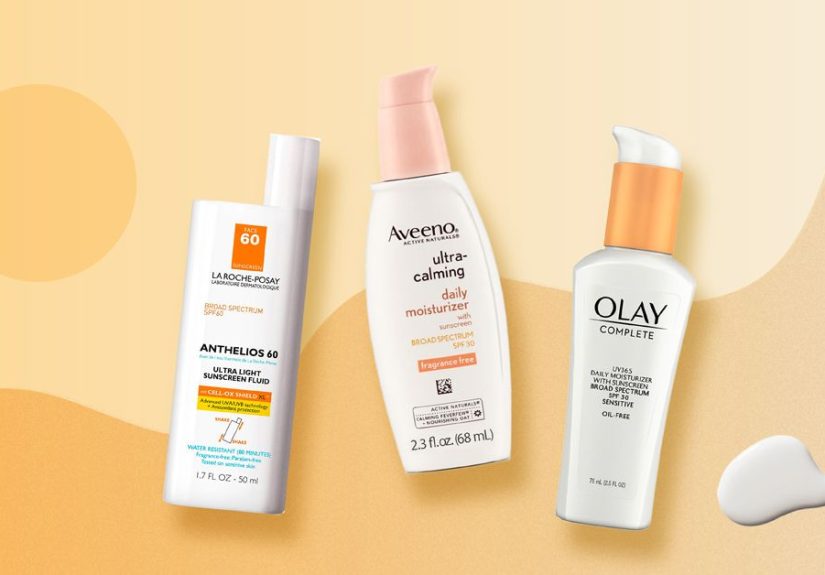
- 2) La Roche-Posay Anthelios Mineral SPF 50 (Best elegant mineral feel)
- 3) CeraVe Hydrating Mineral Sunscreen (Tinted) SPF 30+ (Best for dry, sensitive skin)
- 4) Vanicream Sunscreen Broad Spectrum SPF 50+ (Best minimalist option for ultra-sensitive skin)
- 5) Blue Lizard Sensitive Mineral SPF 50 (Best for family outdoor days)
- 6) Neutrogena Sheer Zinc SPF 50 (Best budget-friendly mineral reliability)
- 7) Thinkbaby / Thinksport SPF 50+ (Best for kids, sports, and water-heavy days)
- 8) Tower 28 SOS FaceGuard SPF 30 (Best gentle daily mineral for reactive faces)
- How to Apply Sunscreen So It Actually Works
- Patch Test: The Sensitive-Skin Superpower
- FAQ: Sensitive Skin Sunscreen Questions, Answered
- Real-Life Experiences: What It’s Actually Like to Wear Sunscreen With Sensitive Skin (500+ Words)
Sensitive skin is basically that one friend who shows up to brunch already offended. One whiff of fragrance, one splash of alcohol, one “mystery botanical extract,” and your face is like: Absolutely not. Yet sunscreen isn’t optionalUV damage can worsen redness, trigger irritation, and contribute to premature aging and skin cancer risk.
So let’s do this the gentle way. This guide pulls selection criteria from major U.S. dermatology and sun-safety organizations, FDA labeling rules, and independent product testing/review outletsthen translates it into normal-human language you can actually use. You’ll get:
- What to look for (and avoid) if your skin stings, flushes, or flakes easily
- Eight standout sunscreens that tend to play nicely with reactive skin
- How to apply enough to actually get the SPF on the label (spoiler: most people under-apply)
- A 500-word “real life” section at the endbecause sunscreen problems rarely happen in a lab
Quick Take: What Usually Works Best for Sensitive Skin
If your skin is reactive, dermatology guidance often points you toward mineral (physical) sunscreensthose using zinc oxide and/or titanium dioxide. They’re commonly better tolerated than some chemical filters, especially for people prone to stinging, redness, or eczema flare-ups. That said, sensitive skin is personal: a “perfect” mineral formula can still annoy you if it’s fragranced, drying, or loaded with extras you don’t need.
Look for these “green flags”
- Broad-spectrum protection (UVA + UVB)
- SPF 30+ for daily wear; consider higher if you’re outdoors a lot
- Fragrance-free (including essential oils)
- Minimal ingredient lists when your skin is easily offended
- Barrier helpers if you’re dry or redness-prone: ceramides, glycerin, hyaluronic acid, niacinamide (not everyone tolerates niacinamidepatch test if you’re unsure)
- Non-comedogenic if you break out easily
Common “red flags” for reactive skin
- Added fragrance (including “natural” fragrance and essential oils)
- High alcohol content (can feel weightless… and then feel like regret)
- Harsh preservatives or botanicals if you already know you react to them
- Sprays if you’re sensitive (easy to under-apply; also risky to inhalelotions are usually safer and more reliable)
How We Picked These 8 Sunscreens
Because “best” is meaningless without a method, here’s the filter:
- Must be broad-spectrum and at least SPF 30.
- Prioritized mineral formulas and fragrance-free options that are commonly recommended for sensitive or eczema-prone skin.
- Considered real-world wearability: white cast, pilling under makeup, greasiness, and whether you’ll actually reapply it without resentment.
- Cross-checked picks against independent testing/review sources and brand transparency (labeling, active filters, consistency of availability).
At-a-Glance Comparison
| Sunscreen | Type | Best For | Finish / Feel |
|---|---|---|---|
| EltaMD UV Clear SPF 46 | Hybrid (mineral + chemical) | Rosacea-prone, acne-prone, daily face | Lightweight, makeup-friendly |
| La Roche-Posay Anthelios Mineral SPF 50 | Mineral | Daily face, sensitive + sun-intense days | Thin fluid, more elegant mineral feel |
| CeraVe Hydrating Mineral (Tinted) SPF 30+ | Mineral | Dry/sensitive, “one-and-done” mornings | Moisturizing, tint helps reduce cast |
| Vanicream Sunscreen SPF 50+ | Mineral | Ultra-sensitive, minimalist routines | Rich, protective, can feel thicker |
| Blue Lizard Sensitive Mineral SPF 50 | Mineral | Outdoor days, body + family use | Lotion-like, sturdy, may cast |
| Neutrogena Sheer Zinc SPF 50 | Mineral | Eczema-prone, “I need reliable” days | Strong protection feel; can be chalky |
| Thinkbaby / Thinksport SPF 50+ | Mineral | Kids, sports, sweat, beach bags | Thicker, very water-friendly vibe |
| Tower 28 SOS FaceGuard SPF 30 | Mineral | Reactive faces, simplified routines | Comfortable, gentle, daily-wear friendly |
The 8 Best Sunscreens for Sensitive Skin
1) EltaMD UV Clear Broad-Spectrum SPF 46 (Best for redness-prone and acne-prone skin)
Why it’s on the list: This one has a loyal following among people who want protection that doesn’t feel like frosting. It’s often recommended for rosacea-prone and acne-prone skin because it tends to be lightweight and layers well under makeup.
Why sensitive-skin folks like it: A comfortable texture can be the difference between “daily sunscreen” and “I only remember sunscreen when I’m already sunburned.” Some versions include soothing add-ons like niacinamide.
Heads-up: It’s a hybrid formula (not purely mineral). If chemical filters consistently sting your skin or eyes, stick to fully mineral options below.
Best use case: Daily face sunscreen for people who want something invisible-ish and routine-friendly.
2) La Roche-Posay Anthelios Mineral SPF 50 (Best elegant mineral feel)
Why it’s on the list: Many mineral sunscreens are protective but feel heavy. This line is often praised for a more “cosmetically elegant” mineral experienceespecially in fluid formats that spread easily.
Why sensitive-skin folks like it: Mineral UV filters + a reputation for being formulated with sensitive skin in mind. Great option if you want mineral protection but hate the classic chalky vibe.
Heads-up: Some mineral fluids can cling to dry patches. If you’re flaky, pair it with a bland moisturizer first.
Best use case: Everyday face sunscreen, commuting, errands, patio lunchesplus higher-SPF support for long outdoor days.
3) CeraVe Hydrating Mineral Sunscreen (Tinted) SPF 30+ (Best for dry, sensitive skin)
Why it’s on the list: Sensitive skin often comes with a compromised skin barrieraka “my face feels tight for no reason.” Hydrating mineral formulas that include barrier-support ingredients can help you tolerate daily SPF more consistently.
Why sensitive-skin folks like it: These formulas are often positioned for sensitive and eczema-prone skin, and the tinted versions can reduce the “I’m auditioning for a ghost role” white cast problem.
Heads-up: Tint is not makeup-level coverage. Think “tone-evening assistant,” not “full foundation replacement.”
Best use case: Morning routine shortcut: moisturizer + mineral SPF vibes without the sting.
4) Vanicream Sunscreen Broad Spectrum SPF 50+ (Best minimalist option for ultra-sensitive skin)
Why it’s on the list: Vanicream is famous for keeping formulas simple. If your skin reacts to “fun” ingredients, you’re not alonethis brand’s whole personality is “no surprises.”
Why sensitive-skin folks like it: Fragrance-free, straightforward, and typically well-suited for people with frequent irritation or known sensitivities.
Heads-up: Like many strong mineral sunscreens, it can feel thicker and may leave some cast, especially if applied generously (which you should).
Best use case: When your skin is flaring and you need sunscreen that behaves like a quiet, respectful houseguest.
5) Blue Lizard Sensitive Mineral SPF 50 (Best for family outdoor days)
Why it’s on the list: For sensitive skin, “best” also means “you’ll actually use enough.” Blue Lizard is a long-time favorite in the mineral category, especially for beach, park, and pool life.
Why sensitive-skin folks like it: Mineral actives, typically fragrance-free positioning, and a sturdy feel that holds up better for outdoor activities than many delicate face formulas.
Heads-up: Reapplication mattersespecially after sweating or swimming. If you’re using it on the face, apply in thin layers to reduce cast.
Best use case: Body sunscreen for active weekends, plus “everyone in the car gets sunscreen” moments.
6) Neutrogena Sheer Zinc SPF 50 (Best budget-friendly mineral reliability)
Why it’s on the list: If you want a widely available mineral sunscreen with strong protection credentials, Sheer Zinc is often discussed as a dependable option (especially in sensitive/eczema conversations).
Why sensitive-skin folks like it: Zinc oxide-based formulas can be less stingy for reactive skin, and this one is easy to find when you need sunscreen today, not after a 12-step online checkout ritual.
Heads-up: The trade-off for sturdy mineral protection can be texture: it may feel thicker, and white cast can be realespecially on deeper skin tones.
Best use case: Backup sunscreen, travel, beach bag, and “I ran out and panicked-bought this at the store” situations.
7) Thinkbaby / Thinksport SPF 50+ (Best for kids, sports, and water-heavy days)
Why it’s on the list: If sensitive skin in your household includes kids, athletes, or “I live in a humid climate” people, you want mineral sunscreen that doesn’t melt off at the first sign of sweat.
Why sensitive-skin folks like it: Mineral-based and designed with active use in mind. Great for families who need something that can survive playgrounds, hikes, and a surprise sprinkler attack.
Heads-up: Apply carefully around eyesany sunscreen can migrate with sweat. A hat and sunglasses help reduce the “why are my eyes spicy?” scenario.
Best use case: Sports practices, beach trips, and long outdoor days when reapplying is inevitable.
8) Tower 28 SOS FaceGuard SPF 30 (Best gentle daily mineral for reactive faces)
Why it’s on the list: This one is frequently highlighted as a sensitive-skin-friendly mineral face sunscreen. People like it because it aims for daily comfort, not just “technical protection.”
Why sensitive-skin folks like it: Mineral base, typically fragrance-free positioning, and a feel that works for everyday routines. If your skin stings easily, a “boring but wearable” sunscreen is a win.
Heads-up: SPF 30 is totally valid for daily wearjust be honest about your sun exposure. If you’re outside for hours, consider higher SPF and be serious about reapplication.
Best use case: Minimalist morning routine, especially when your face is in a “don’t talk to me” mood.
How to Apply Sunscreen So It Actually Works
Sunscreen is not skincare glitter. You can’t just “sprinkle a little” and expect magic. For sensitive skin, applying enough while avoiding irritation is the balance.
Use the right amount
- Face + neck: A generous two-finger length (index + middle) is a common rule of thumb.
- Full body: About a shot-glass amount (roughly 1 ounce) for an average adult.
Timing matters
Apply sunscreen before sun exposure so it forms an even protective film. Then reapply at least every two hours when outdoorsand more often after swimming, sweating, or toweling off. “Water-resistant” doesn’t mean “waterproof.”
Make mineral sunscreen less annoying
- Moisturize first if you’re dry or flaky (wait a minute, then apply SPF).
- Apply in two thin layers instead of one thick swipe to reduce streaks and cast.
- Try a tinted mineral if white cast is your #1 reason you skip sunscreen.
- Use hats and shade so your sunscreen isn’t doing a solo performance.
Patch Test: The Sensitive-Skin Superpower
If you’ve ever tried a “gentle” sunscreen and ended up red, itchy, or burning, patch testing is your new best habit. Apply a small amount to a discreet area (like the inside of your forearm) for several days to see if irritation developsespecially if you’re prone to delayed reactions.
FAQ: Sensitive Skin Sunscreen Questions, Answered
Is mineral sunscreen always better for sensitive skin?
Often, yesespecially if you’re prone to stinging or eczema. Mineral filters are commonly recommended for sensitive skin. But “mineral” isn’t a free pass: a mineral sunscreen can still irritate if it contains fragrance, drying alcohols, or ingredients you personally react to.
Why does sunscreen burn my eyes?
Common culprits: migration (sweat), certain chemical filters, and applying too close to the lash line. Try a mineral formula, let it set, and add sunglasses or a hat. Also consider using a sunscreen stick around the orbital bone (still not in the eye, please).
Do I need SPF 50 if I’m mostly indoors?
For typical daily life, SPF 30 broad-spectrum is often considered a strong baseline. If you’re outdoors for extended periods, sweating, swimming, or in intense sun, SPF 50+ plus diligent reapplication makes life easier.
Real-Life Experiences: What It’s Actually Like to Wear Sunscreen With Sensitive Skin (500+ Words)
I used to think “sunscreen for sensitive skin” meant one of two things: (1) a thick white paste that made me look like I lost a fight with flour, or (2) a fancy lotion that felt amazing until my face started tingling like it had just read a mean comment section.
Then I learned the hard truth: sensitive skin doesn’t just want protectionit wants predictability. The best sunscreen is the one your skin tolerates on Monday morning when you’re late, your coffee is judging you, and the weather app says “UV index: yes.” That’s why mineral sunscreens can feel like a peace treaty. When my skin is irritated (windburn, over-exfoliated, randomly dramatic), zinc-based formulas are usually the least likely to sting. The downside? White cast can be loud, especially if you apply enough to actually reach the labeled SPF. And you should apply enough.
On days I’m trying to look like a person who sleeps eight hours, tinted mineral sunscreens are the MVP. They don’t just reduce cast; they make “I’m wearing sunscreen” look suspiciously like “I have my life together.” It’s not full coverage, but it’s the difference between “ghostly” and “glowy.” If you’re dry, the trick is moisturizer firstbecause mineral sunscreens love clinging to dry patches the way lint loves black leggings.
For rosacea-prone or acne-prone skin, texture is everything. A sunscreen that pills under moisturizer or turns greasy by noon becomes a hate relationship fast. Lightweight face formulas are helpful here because you’re more likely to reapply (or at least not immediately wash it off out of spite). I’ve also noticed that “eye sting” is a whole separate personality trait. Even some gentle formulas can migrate with sweat, especially in humidity. Hats and sunglasses don’t just look coolthey reduce how much sunscreen you need near the eye area, which reduces the odds of watery, spicy eyeballs mid-walk.
Beach days are their own sport. The best sensitive-skin sunscreen at the beach is the one that survives: water resistance, thick-but-effective texture, and no fragrance cloud following you like a perfume commercial. Body formulas that feel “sturdy” can be perfect outdoors, even if you wouldn’t want them on your face for everyday wear. And yes, reapplication is annoyingbut sunburn is more annoying, lasts longer, and doesn’t come off with soap.
The biggest lesson? If you’ve ever said, “Sunscreen always breaks me out,” there’s a decent chance you were under-cleansing at night, using a formula that didn’t match your skin type, or skipping patch tests. When I patch test, I don’t just look for instant rednessI watch for slow-building itchiness or bumps over a few days. Delayed reactions are sneaky. Sensitive skin doesn’t always throw a tantrum right away; sometimes it files a complaint and schedules it for later.
So if your skin is reactive, don’t chase the “trendiest” SPF. Chase the one that feels boring, comfortable, and reliable. In the sunscreen world, boring is a compliment. It means you’ll keep using itand that’s how you actually win.