Table of Contents >> Show >> Hide
- 1. Sloppy Bed Edges That Let Grass Creep Everywhere
- 2. Weeds, Volunteer Seedlings, and Random Plant Invaders
- 3. Overgrown, Crowded, or Poorly Maintained Plants
- 4. Garden Clutter, Half-Finished Projects, and Outdoor “Stuff” That Never Goes Away
- 5. Bad Mulch Habits and Patchy Bare Soil
- How to Make a Garden Look Tidy Without Making It Look Stiff
- Real-World Garden Experiences: What Happens When You Ignore These Five Problems
- Conclusion
A beautiful garden does not need to look like it graduated from a fancy estate in the English countryside. It just needs to look intentional. That is the magic word gardeners come back to again and again: intentional. A garden can be full of native plants, edible beds, cottage-style chaos, or old-school roses and still look attractive. But when the edges blur, the weeds party too hard, and the tools start living outdoors like they pay rent, the whole space begins to feel neglected.
If you have ever stood in your yard with a coffee in one hand and mild regret in the other, wondering why your garden looks a little “off,” you are not alone. The good news is that most messy-looking gardens are not suffering from a lack of beauty. They are suffering from a handful of very fixable visual problems. Gardeners and landscape pros often point to the same repeat offenders.
Here are the five things that always make your garden look unkempt, plus what to do instead if you want your yard to look polished, healthy, and welcoming without turning weekend gardening into a second full-time job.
1. Sloppy Bed Edges That Let Grass Creep Everywhere
If garden beds had eyebrows, edging would be them. And just like eyebrows, when they disappear completely, everything looks a little less pulled together.
One of the fastest ways to make a garden look messy is to let the line between lawn and planting bed dissolve into a vague green shrug. Grass creeps in. Mulch spills out. The shape of the bed gets lost. Suddenly, even healthy plants start looking untidy because there is no visual structure holding the scene together.
This is why gardeners obsess over edging more than non-gardeners might expect. A crisp bed line gives the eye a clear transition between turf and planting space. It makes curves look graceful instead of accidental. It helps mulch stay where it belongs and keeps the lawn from launching a slow-motion invasion campaign into your perennials.
Why it looks messy
Undefined edges make the garden look like it is expanding without permission. Even a well-planted border can feel chaotic when the outline disappears. This is especially true in front yards, where structure matters most.
How to fix it
Refresh your bed edges at least once or twice a season. You do not need a huge hardscape project to make a difference. A clean spade-cut edge can look elegant and natural. Brick, stone, metal, or other edging materials can also help, especially in areas where grass aggressively pushes into beds. If your bed feels too tight around mature plants, widen the border instead of letting foliage hang awkwardly over the lawn.
Think of edging as the frame around a painting. Without it, the art is still there, but it has a harder time looking finished.
2. Weeds, Volunteer Seedlings, and Random Plant Invaders
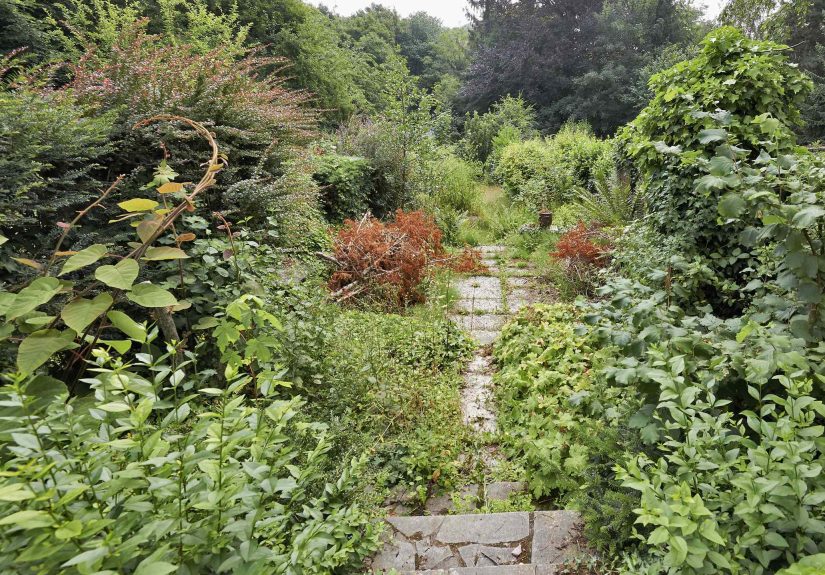
Weeds are the confetti of neglect. A little here and there may not seem like a big deal, but once they start popping up across beds, paths, and around shrubs, they tell the eye that the garden is no longer being actively managed.
The issue is not only classic weeds like crabgrass, dandelions, or nutsedge. Volunteer seedlings can also make a garden look rough. Self-seeding flowers may sound romantic in theory, but when they appear in all the wrong places, the result is less “charming cottage garden” and more “plant rebellion.”
Gardeners often notice that a garden looks shaggier long before it looks truly overrun. That is the best time to act. Tiny weeds are easy to pull. Large, established weeds become a rooty soap opera. The same goes for surprise seedlings from coneflowers, goldenrod, or other enthusiastic reseeders. If they are not where you want them, move them early or remove them before the bed starts looking crowded and accidental.
Why it looks messy
Weeds interrupt the design. They blur spacing, hide lower foliage, and compete visually with the plants you actually chose. In a vegetable garden, they can make rows and paths disappear. In ornamental beds, they make everything look less deliberate.
How to fix it
Weed consistently instead of dramatically. Five to ten minutes a few times a week beats one heroic four-hour weeding marathon fueled by resentment. Mulch helps suppress new weeds, but it is not a magic trick. Remove existing weeds first, then mulch. If you grow self-seeding perennials or annuals, deadhead selectively so the plants do not turn your garden into an unplanned casting call.
And yes, this is the part where a hand hoe, hori hori knife, or weeding tool quietly becomes your best friend.
3. Overgrown, Crowded, or Poorly Maintained Plants
Plants that are too big for their space can make a garden look tired even when they are technically healthy. Shrubs swallow windows. Perennials flop onto pathways. Groundcovers start acting like landlords. It is a classic case of good plants behaving badly.
Sometimes the problem starts at planting time. Garden centers are full of adorable small plants with labels that whisper sweet lies about “compact habit.” Three growing seasons later, you are negotiating with a shrub that now blocks the front walk and has opinions.
Other times, the issue is maintenance. Faded flowers stay on the plant too long. Dead leaves linger. Broken stems remain in full view. Hedges grow unevenly. Roses keep their spent blooms like they are preserving memories. These are small details, but together they make the entire garden look unkempt.
Why it looks messy
Overgrowth hides the original design. Crowded plants reduce airflow, compete for light, and create visual clutter. Spent blooms and dead foliage can make even a colorful bed look like it missed its best moment by three weeks.
How to fix it
Prune with purpose. Trim shrubs to maintain their natural shape, not into suspicious green meatballs unless your garden is going for “formal estate with topiary drama.” Remove dead, diseased, and broken growth. Thin overcrowded stems. Divide perennials that have developed bare centers or outgrown their area. Deadhead flowering plants regularly during bloom season, especially container plantings and high-visibility beds near the front door, porch, or patio.
Examples help here. Petunias, geraniums, roses, daylilies, and many other bloomers look significantly fresher with regular deadheading. Large clumps of perennials such as daylilies, salvia, or ornamental grasses may also need dividing or cutting back at the right time to keep them from looking exhausted and sprawling.
The goal is not perfection. The goal is rhythm. A garden looks cared for when someone has clearly checked in on it recently.
4. Garden Clutter, Half-Finished Projects, and Outdoor “Stuff” That Never Goes Away
You know the pile. Every gardener has a pile. Extra pots, cracked trays, a mystery bag of soil from last spring, bamboo stakes, orphaned tomato cages, two gloves that do not match, and a hose lying across the yard like it collapsed mid-sentence.
Clutter is one of the biggest visual reasons a garden looks unkempt, and it has surprisingly little to do with plants. Even a lush, healthy backyard can look chaotic if the hardscape and accessories are disorganized.
Old nursery containers stacked in corners, broken décor, unused edging materials, scraps of lumber, forgotten bricks, and abandoned project leftovers all pull attention away from your planting. They make the space look unfinished. The same goes for dead annuals sitting in decorative pots long after their glory days, or rusty trellises listing at a tragic angle.
Why it looks messy
Clutter competes with the garden instead of supporting it. The eye has nowhere to rest. Rather than noticing flowers, foliage, texture, or beautiful structure, people notice the plastic pot graveyard.
How to fix it
Store tools, coils of hose, spare pots, and supplies out of sight or in one designated zone. Group containers neatly rather than scattering them. Remove broken décor and commit to either finishing projects or clearing them out. If you love garden art, use it intentionally and sparingly so it reads as design instead of accumulation.
A tidy garden does not mean a sterile garden. It simply means every visible object looks like it belongs there on purpose.
5. Bad Mulch Habits and Patchy Bare Soil
Mulch can make a garden look polished in about fifteen minutes. Unfortunately, bad mulch can undo all that goodwill just as fast.
Fresh, even mulch often gives beds that “finished” look people love. It visually unifies plantings, helps soil retain moisture, and suppresses weeds. But too much mulch, uneven mulch, faded mulch, or mulch piled against trunks and stems can make a garden look sloppy and poorly maintained. The dreaded mulch volcano around a tree is especially notorious. It is not only unattractive; it can also create plant health problems.
On the flip side, bare patches of exposed soil can also make a garden look unfinished, especially if weeds are beginning to colonize those open spaces. A planting bed with random naked spots, washed-out mulch, and grass runners creeping through it often reads as neglected even when the plants themselves are doing fine.
Why it looks messy
Patchiness breaks visual cohesion. Mulch that is too thick, too close to trunks, or unevenly spread looks careless. Bare soil makes beds feel incomplete. Washed-out areas can make the whole garden look tired and under-maintained.
How to fix it
Refresh mulch when it starts looking thin, faded, or displaced, but do not overdo it. Spread it evenly, keep it away from trunks and stems, and avoid piling it into little mulch mountains that nobody asked for. If your garden has recurring bare spots, consider whether plants are spaced too far apart, whether erosion is a problem, or whether you need a better groundcover or more thoughtfully placed companion plants.
In short, mulch should whisper, not shout.
How to Make a Garden Look Tidy Without Making It Look Stiff
There is a difference between tidy and lifeless. A great garden does not need to look rigid or over-controlled. In fact, some of the most beautiful gardens have a little softness and movement built in. The trick is giving that looseness a visible framework.
That framework can be as simple as a mowed edge, a clean path, repeated plant groupings, refreshed mulch, and a few routine grooming habits. When the structure is clear, even exuberant planting styles look intentional. That is why wildflower gardens, pollinator beds, and naturalistic landscapes still benefit from obvious borders, paths, or signs of care. People are much more likely to read a garden as beautiful when they can tell the gardener is in charge, even if the plants are allowed to be a little exuberant.
Real-World Garden Experiences: What Happens When You Ignore These Five Problems
I have seen this play out in all kinds of gardens, from tiny suburban front beds to big backyard spaces with raised vegetables, fruit trees, and flower borders trying to do six jobs at once. The pattern is almost always the same. The garden does not become messy overnight. It drifts there, one skipped task at a time.
In one front-yard bed, the plants were actually lovely: dwarf roses, lavender, salvia, and a row of boxwoods. But the lawn edge had disappeared. Bermuda grass started threading into the mulch, then into the lavender, then into everything. From the sidewalk, all anyone could really see was a fuzzy green blur. Once the bed was re-edged and the grass runners were pulled, it looked like a completely different landscape. Same plants. Same house. Totally different impression.
Another garden had the opposite problem. The edges were sharp, but the gardener had fallen behind on deadheading and seasonal cleanup. Petunias had gone stringy, daylily stalks stood brown and dry, and spent coneflowers had scattered seedlings into nearby gaps. Nothing was technically wrong with the bed, but it looked like the party had ended and no one had cleaned up. A simple afternoon of trimming, cutting back, and removing the crispy bits brought the whole border back to life.
I have also seen how clutter changes the mood of a garden faster than almost anything else. A charming patio garden with containers, herbs, and climbing flowers can look stylish and inviting. Add six empty nursery pots, a broken trellis, a bag of fertilizer leaning against a chair, and a hose crossing the path, and suddenly the whole space feels chaotic. Clear those few items away, coil the hose, group the containers, and the same patio starts looking magazine-ready. It is almost rude how much difference that makes.
Mulch is another sneaky one. Fresh mulch can make people feel like they deserve applause. Bad mulch makes the garden look like it was landscaped in a hurry by someone who also frosted cakes with a shovel. I once saw a healthy young tree surrounded by a dramatic mulch volcano so tall it looked like the tree was being worshipped. Pulling the mulch back and leveling the bed made the whole planting look cleaner, calmer, and more professional.
The biggest lesson from all these gardens is that an unkempt look usually comes from visuals, not from lack of effort alone. People often think they need more flowers, more color, or more plants. Usually, they need fewer distractions and better maintenance habits. A garden looks polished when the bones are visible: the path, the edge, the spacing, the shape of the shrubs, the clean containers, the intentional mulch line. Once those basics are in place, the plants get to be the stars instead of the suspects.
That is good news for home gardeners, because these fixes are realistic. You do not need a landscape architect, a six-figure renovation, or a spiritual awakening involving ornamental onions. You need a pair of pruners, a weeding tool, a rake, a little consistency, and perhaps the courage to throw away the cracked plastic pot you have been “saving just in case” since 2021.
Conclusion
If your garden looks unkempt, the problem is usually not that you lack good plants. It is that the garden has lost its visual discipline. The five biggest culprits are almost always the same: sloppy edging, weeds and volunteer seedlings, overgrown or poorly maintained plants, outdoor clutter, and bad mulch habits. Fix those, and your garden can start looking dramatically better without a full redesign.
In other words, you do not need a perfect garden. You need one that looks loved, edited, and clearly under adult supervision.