Table of Contents >> Show >> Hide
- Why Reheating Chicken Can Go Wrong So Fast
- Before You Reheat: 4 Rules That Matter
- Method 1: Reheat Chicken in the Oven
- Method 2: Reheat Chicken in the Microwave
- Method 3: Reheat Chicken in the Air Fryer
- Method 4: Reheat Chicken on the Stovetop
- Which Reheating Method Is Best?
- Common Mistakes That Ruin Reheated Chicken
- Real-Life Experience: What Reheating Chicken Actually Feels Like in a Busy Kitchen
- Final Takeaway
Leftover chicken is one of life’s great conveniences. It can become tomorrow’s lunch, tonight’s emergency dinner, or that heroic 9:47 p.m. snack that keeps you from ordering overpriced takeout again. The problem is that reheated chicken has a reputation, and not a glamorous one. Done badly, it turns rubbery, dry, soggy, or weirdly hot on the outside while still cold in the center. In other words, it goes from “delicious meal prep” to “why does this taste like regret?” in record time.
The good news is that reheating chicken is not complicated when you know which method matches the type of chicken you have. A juicy roasted breast, crispy fried chicken, shredded rotisserie meat, and saucy chicken thighs do not all want the same treatment. Some need gentle heat and moisture. Others need airflow and high heat to bring the exterior back to life. And yes, the microwave can work, though it is definitely the chaotic neutral of the bunch.
This guide breaks down four reliable ways to reheat chicken: the oven, microwave, air fryer, and stovetop. You will also learn how to avoid drying it out, how long leftover chicken safely lasts, and which method is best for different textures and cuts. Whether you are reheating plain grilled chicken for meal prep or trying to rescue last night’s fried chicken from a sad, limp fate, here is how to do it right.
Why Reheating Chicken Can Go Wrong So Fast
Chicken is lean, especially white meat, which means it does not have a huge margin for error once it has already been cooked once. Reheat it too hard, too long, or too unevenly, and the moisture disappears faster than your patience on hold with customer service. Dark meat is a little more forgiving, but even thighs and drumsticks can lose their magic if blasted with aggressive heat.
Texture is the second challenge. Breaded and fried chicken need a dry, hot environment to crisp back up. Sliced chicken breast needs gentle reheating so it does not tighten up and turn chewy. Shredded rotisserie chicken benefits from a little steam or broth so it stays tender instead of tasting like edible confetti.
Then there is food safety. Reheated chicken should not only taste good, it should also be properly stored and heated through. That means using chicken that was refrigerated promptly, has not been hanging out in the fridge for a suspiciously long time, and reaches a safe internal temperature before serving. Great leftovers are part technique, part timing, and part not pretending that “it smells mostly fine” is a scientific standard.
Before You Reheat: 4 Rules That Matter
1. Start with properly stored chicken
If cooked chicken sat out too long before being refrigerated, reheating will not magically make it safe. Leftovers should be chilled promptly, stored in a sealed container, and kept cold until you are ready to use them.
2. Use it while it is still worth saving
Chicken leftovers are best when they are still relatively fresh. Even when safely stored, older leftovers lose moisture, absorb refrigerator odors, and become much harder to reheat well. The chicken may still technically be food, but that does not mean it will be pleasant.
3. Reheat to the center, not just the surface
The middle matters. Chicken should be reheated until it is hot all the way through, not just steaming at the edges. A food thermometer is the easiest way to avoid guessing, especially with large pieces, bone-in cuts, or packed leftovers.
4. Match the method to the chicken
This is the rule that changes everything. Oven reheating is ideal for bigger portions and crispier finishes. The microwave is best when speed matters more than perfect texture. The air fryer excels at reviving breaded or roasted pieces. The stovetop is terrific for sliced, shredded, or sauce-friendly chicken that needs moisture control.
Method 1: Reheat Chicken in the Oven
Best for:
Roasted chicken, baked chicken, bone-in pieces, chicken breasts, thighs, rotisserie chicken, and fried chicken that needs its crispness back.
Why the oven works
The oven gives you steady, surrounding heat, which is exactly what most leftover chicken needs. It reheats more evenly than a microwave and is especially good for larger portions. It also gives breaded or skin-on chicken a fighting chance at tasting like real food again instead of a damp memory.
How to do it
- Preheat the oven to 350°F for general reheating. For fried or breaded chicken, 375°F to 400°F helps restore crispness.
- Place the chicken in a baking dish or on a sheet pan. Use a wire rack if you want better airflow and crisper skin.
- Add a splash of broth or water to the pan for plain roasted or sliced chicken. Skip extra liquid for fried chicken unless it is already losing moisture badly.
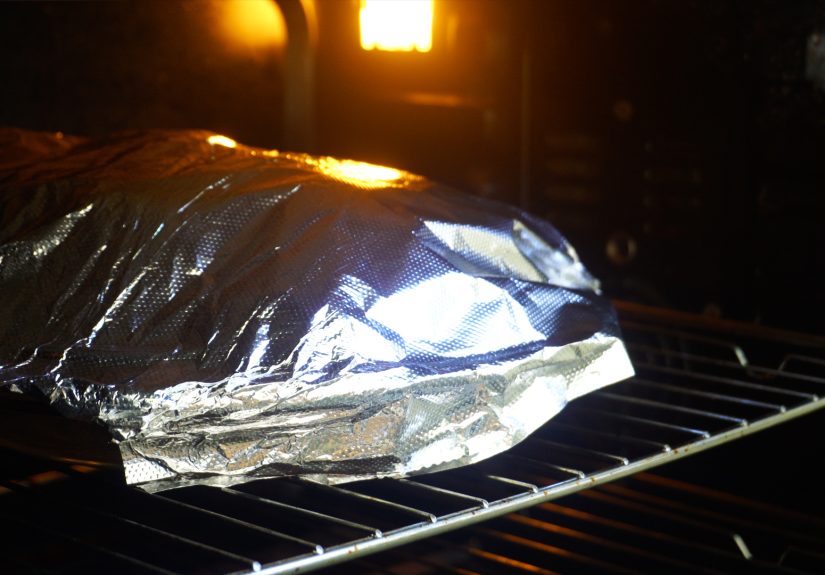
- Cover loosely with foil if the chicken is plain or boneless and likely to dry out. Leave uncovered for crispier pieces.
- Heat until warmed through, usually 10 to 20 minutes depending on size and thickness.
- Check that the center reaches 165°F before serving.
Oven reheating tips
If you are reheating a whole or half rotisserie chicken, add a little liquid to the bottom of the pan and tent with foil for most of the reheating time, then uncover briefly at the end to refresh the skin. For chicken breasts, slice them only after reheating if possible; intact pieces hold moisture better than pre-sliced ones. For fried chicken, use a rack over a sheet pan so the hot air can circulate underneath instead of steaming the crust from the bottom.
Verdict: The oven is the best all-around method for reheating chicken without drying it out, especially when texture matters.
Method 2: Reheat Chicken in the Microwave
Best for:
Quick lunches, shredded chicken, chopped chicken, saucy chicken, and small portions when convenience wins over beauty.
Why the microwave gets a bad reputation
The microwave is fast, but it is not especially graceful. It can heat unevenly, overcook edges, and turn lean chicken rubbery if you go full power like a maniac. Still, it is useful, and pretending otherwise would be like claiming nobody has ever eaten leftovers standing in front of the fridge.
How to do it
- Place the chicken in a microwave-safe dish in a single layer if possible.
- Add a spoonful or two of broth, water, or sauce to help keep it moist.
- Cover with a microwave-safe lid or vented wrap to trap steam.
- Microwave at medium or 70 to 80 percent power instead of full blast.
- Heat in short intervals, about 30 to 60 seconds at a time.
- Turn, stir, or rearrange the chicken between intervals for even heating.
- Continue until the thickest part reaches 165°F.
Microwave reheating tips
This method works best for chicken mixed into rice bowls, pasta, casseroles, tacos, soups, or saucy dishes. It is less ideal for crispy coatings unless you enjoy the texture of warm disappointment. If you must microwave fried chicken, use short bursts and accept that the crust will not come back looking like a movie star. It may still taste fine, but it will not have red-carpet energy.
Verdict: The microwave is the fastest way to reheat chicken, but it needs low power, moisture, and patience to avoid turning dinner into a chewable stress ball.
Method 3: Reheat Chicken in the Air Fryer
Best for:
Fried chicken, breaded cutlets, wings, tenders, nuggets, rotisserie pieces with skin, and small roasted portions.
Why the air fryer is a leftover hero
The air fryer is basically the office overachiever of reheating methods. It is faster than the oven, drier than the microwave, and surprisingly good at reviving crisp coatings. For fried chicken especially, it can bring back the crunch while keeping the inside juicy, which is exactly what people hope the microwave will do before reality steps in and says, “Absolutely not.”
How to do it
- Preheat the air fryer to 350°F to 375°F.
- Arrange the chicken in a single layer with space between pieces.
- Reheat for 3 to 8 minutes depending on the cut and thickness.
- Flip once halfway through for even crisping.
- Check that the chicken reaches 165°F before eating.
Air fryer reheating tips
Do not overcrowd the basket. Chicken piled on top of itself steams instead of crisping, which defeats the entire point. For very dry leftover chicken, a tiny brush of oil can help the exterior brown without making the meat greasy. Breaded chicken gets the biggest upgrade here, but plain roasted thighs also come back beautifully if you do not overcook them.
Verdict: The air fryer is the best choice for crispy chicken and one of the easiest ways to make leftovers taste intentional.
Method 4: Reheat Chicken on the Stovetop
Best for:
Sliced chicken breast, shredded rotisserie chicken, boneless thighs, saucy leftovers, fajita filling, and chicken destined for sandwiches, wraps, pasta, or grain bowls.
Why the stovetop deserves more respect
The stovetop gives you direct control. You can add broth, a little oil, butter, or sauce, keep the heat moderate, and stop the second the chicken is ready. That makes it ideal when dryness is your biggest enemy. It is also perfect for chicken that is being reheated as part of another dish rather than as a standalone piece.
How to do it
- Heat a skillet over medium-low to medium heat.
- Add a small amount of oil, butter, broth, or sauce depending on the chicken and the final texture you want.
- Add the chicken in a single layer.
- Cover the pan briefly to trap a little steam and warm the center.
- Turn or stir occasionally until heated through.
- Uncover near the end if you want to reduce extra moisture or lightly crisp the edges.
- Make sure the chicken reaches 165°F.
Stovetop reheating tips
This is especially useful for shredded chicken that dried out in the fridge. A few tablespoons of broth can make it taste dramatically better. It is also great for taco meat, teriyaki chicken, barbecue chicken, and sliced chicken breasts headed into salads or wraps. Reheating in a skillet is less about restoring crunch and more about restoring tenderness.
Verdict: The stovetop is the smartest method when chicken needs moisture, flexibility, or a quick second life inside another meal.
Which Reheating Method Is Best?
There is no single champion for every kind of leftover chicken, but there is a clear pattern:
- Use the oven for larger portions and the best balance of even heating and good texture.
- Use the microwave when speed matters most and the chicken is saucy, chopped, or part of a mixed dish.
- Use the air fryer for crispy coatings, skin-on pieces, and small portions that need crunch.
- Use the stovetop for sliced or shredded chicken that benefits from broth, sauce, or careful moisture control.
If you are staring at cold fried chicken, choose the oven or air fryer. If you are reheating grilled chicken breast for meal prep, the oven or stovetop will be kinder. If you are warming shredded chicken for tacos and your lunch break is vanishing, the microwave is perfectly respectable. Context matters. So does hunger.
Common Mistakes That Ruin Reheated Chicken
Using heat that is too high
High heat sounds efficient, but it often dries the surface before the middle warms through. Moderate, controlled reheating usually produces better texture.
Skipping moisture when the chicken needs it
Plain roasted or grilled chicken often benefits from a splash of broth, water, or sauce. That little bit of steam can be the difference between tender leftovers and a jaw workout.
Overcrowding the pan or basket
Whether you are using an air fryer, sheet pan, or skillet, crowding causes steaming and uneven heating. Give the chicken some room. It is leftovers, not a rush-hour elevator.
Reheating old leftovers and hoping for the best
Technique can improve texture, but it cannot fix chicken that has been poorly stored or hanging around too long. Good reheating starts with good leftover habits.
Real-Life Experience: What Reheating Chicken Actually Feels Like in a Busy Kitchen
In real life, reheating chicken is rarely a calm, cinematic event with a linen apron and a perfect playlist in the background. More often, it happens on a weekday when lunch is in 12 minutes, the sink contains one emotionally devastating pan, and the leftover chicken in the fridge is either about to become a hero or a cautionary tale. That is exactly why choosing the right method matters so much. A small tweak can change the whole experience.
The oven tends to win when dinner needs to feel like dinner again. Reheating roast chicken or bone-in thighs in the oven gives the meal structure. The skin tightens back up, the meat warms gradually, and the kitchen smells like you are making something on purpose instead of just salvaging Tuesday. It is especially satisfying with rotisserie chicken because it brings back some of that fresh-from-the-store appeal. You go from cold container sadness to “actually, this is pretty good” with very little effort beyond turning the oven on and exercising some patience.
The microwave, on the other hand, belongs to the practical universe. It is the method of office lunches, late-night rice bowls, and meal-prep containers that need to be edible fast. The experience improves dramatically once you stop treating it like a speed contest. Covering the chicken, adding a little liquid, and reheating in short bursts makes a huge difference. Suddenly the chicken is warm and tender instead of oddly aggressive. It still may not be glamorous, but it becomes reliable, and reliable food has its own beauty.
The air fryer feels like the happy surprise method. People often try it once for leftover fried chicken and then become slightly evangelical about it. That reaction makes sense. The crust comes back. The skin crisps. Nuggets taste less like leftovers and more like they just clocked in for a second shift. It is one of those kitchen moments that feels disproportionately rewarding for the amount of effort involved. Three or four minutes later, you are eating chicken that has texture again, and suddenly the appliance earns its counter space for another week.
The stovetop is the quiet professional. It does not get the hype of the air fryer or the convenience points of the microwave, but it may be the best method for chicken that is headed into another meal. Toss shredded rotisserie chicken into a skillet with broth and seasonings, and it becomes taco filling. Warm sliced chicken in a pan with a little butter and it becomes sandwich material. Reheat saucy chicken gently and it tastes integrated instead of reheated. The stovetop is where leftovers stop acting like leftovers and start acting like ingredients.
That is really the secret behind reheating chicken well. The goal is not just making it hot again. The goal is deciding what kind of second act the chicken deserves. Sometimes it needs crispness. Sometimes it needs moisture. Sometimes it just needs a fast path to lunch before your next meeting starts. Once you think of reheating as a texture problem instead of a temperature problem, the whole process gets easier, and the leftovers in your fridge start looking less like obligations and more like opportunities.
Final Takeaway
The best way to reheat chicken depends on the kind of chicken you have and the result you want. The oven is the most dependable all-around choice. The microwave is the fastest and most convenient when used carefully. The air fryer is the crispness champion. The stovetop is the moisture-saving expert for sliced or shredded leftovers. No matter which method you choose, the real goal is simple: heat the chicken safely, keep as much moisture as possible, and avoid turning a perfectly good leftover into something only ketchup can explain.
Reheated chicken will never be exactly the same as freshly cooked chicken, but it can absolutely be delicious. With the right method, the right temperature, and a tiny bit of kitchen common sense, leftovers can feel less like a compromise and more like a smart plan.