Table of Contents >> Show >> Hide
- What Is Oat Milk, Exactly?
- How to Make Oat Milk at Home
- Oat Milk Nutrition: What You Are Really Getting
- Oat Milk Benefits
- Potential Downsides of Oat Milk
- How to Choose the Best Oat Milk at the Store
- Best Ways to Use Oat Milk Every Day
- Is Oat Milk Healthy?
- Everyday Experiences With Oat Milk: What People Often Notice After Making the Switch
- Final Sip
Generated with GPT-5.4 Thinking
Oat milk has gone from “mysterious coffee shop upgrade” to “wait, why is this in my fridge again?” in record time. And honestly, the popularity makes sense. It is creamy, mild, easy to use in everything from lattes to pancake batter, and it does not come with the nutty flavor that makes almond milk feel like it accidentally wandered into your mashed potatoes.
But oat milk is not just trendy beige liquid in a carton with minimalist packaging. It can be a smart option for people who avoid dairy, want a nut-free alternative, or simply like the taste. The trick is knowing what it actually offers, what homemade oat milk can and cannot do, and how to choose a carton that is more “helpful pantry staple” and less “expensive oat water with branding.”
In this guide, we will cover how to make oat milk at home, what oat milk nutrition really looks like, the biggest oat milk benefits, and the downsides worth knowing before you start pouring it into absolutely everything you own.
What Is Oat Milk, Exactly?
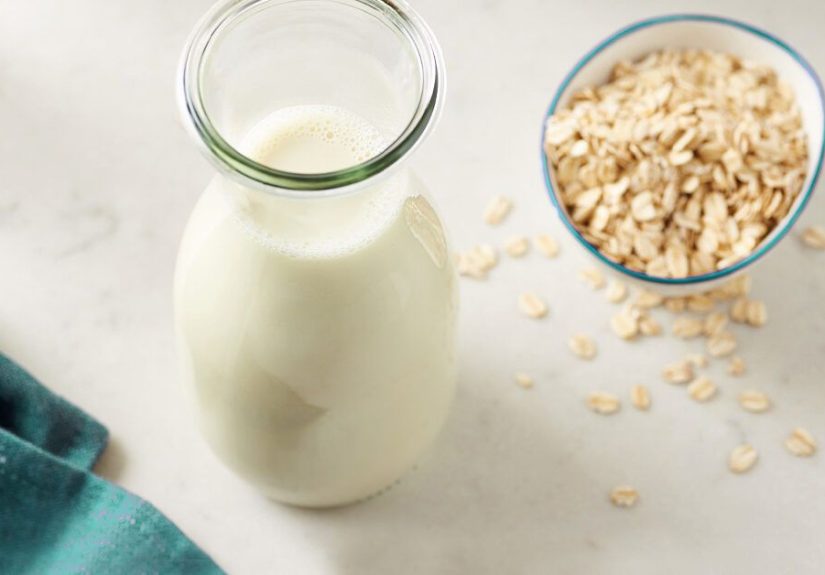
Oat milk is a plant-based beverage made by blending oats with water and then straining the mixture. Store-bought versions often include a few extras, such as salt, vitamins, minerals, oils, or stabilizers to improve texture and shelf life. The result is a drink that tends to be smoother and creamier than many other dairy alternatives, which is one reason coffee drinkers are borderline emotionally attached to it.
Flavor-wise, oat milk is usually mild, slightly sweet, and pleasantly cereal-adjacent. Not sugary, exactly, but it does have that familiar oat taste. It also tends to feel fuller in the mouth than almond milk, which can be a little watery in comparison.
That said, oat milk is not nutritionally identical to dairy milk. It also is not the same as eating a bowl of oatmeal. Some benefits associated with whole oats do carry over to oat milk, but not always in the same amount, especially after processing and straining.
How to Make Oat Milk at Home
Homemade oat milk is one of the easiest DIY kitchen projects around. No soaking almonds for half your natural life. No expensive gadgets. No obscure ingredients that require a scavenger hunt through the health food aisle. Just oats, water, and a blender.
Simple Homemade Oat Milk Recipe
- 1/2 cup old-fashioned rolled oats
- 3 1/2 to 4 cups very cold water
- 1 pinch of salt
- Optional: 1 pitted date, 1/2 to 1 teaspoon vanilla extract, or a small drizzle of maple syrup
Directions
- Add the oats, cold water, salt, and any optional flavorings to a blender.
- Blend for about 30 seconds, just until smooth. Do not let it go wild for two full minutes unless your goal is “oat slime with ambition.”
- Strain through a fine-mesh sieve, cheesecloth, nut milk bag, or a clean kitchen towel into a bowl or jar.
- Pour into an airtight container and refrigerate.
- Shake before using, because homemade oat milk likes to separate. It is dramatic, but harmless.
How to Keep Homemade Oat Milk From Turning Slimy
This is the part where many hopeful oat milk makers get humbled. Oats contain starches, and too much blending or warmth can push your milk from creamy to suspiciously gooey. A few small tricks help:
- Use very cold water.
- Do not soak the oats first if you want a quicker, less gummy result.
- Blend briefly, usually around 30 seconds.
- Do not squeeze the strained pulp like it owes you money. Gentle straining works better.
Homemade oat milk usually keeps in the refrigerator for up to 5 days. If it smells odd, tastes sour, or starts acting like a science fair project, it is time to let it go.
Oat Milk Nutrition: What You Are Really Getting
Oat milk nutrition depends heavily on whether you are drinking a homemade version or a fortified store-bought one. That difference matters a lot.
Store-Bought Oat Milk
A common unsweetened fortified oat milk can provide roughly 100 to 120 calories per cup, around 3 grams of protein, about 2 grams of fiber, and a moderate amount of carbohydrates. Many brands also add calcium, vitamin D, riboflavin, vitamin A, and vitamin B12. That fortification is a big reason store-bought oat milk often looks more impressive on a nutrition panel than homemade oat milk.
Still, oat milk usually has less protein than dairy milk and fortified soy milk. So if protein is your main concern, oat milk may not be the strongest player in the fridge.
Homemade Oat Milk
Homemade oat milk is usually simpler and cheaper, but it is also less nutrient-dense in a few important ways. Once you blend and strain oats, you lose some of the fiber and other nutrients that would stay in the bowl if you were eating oatmeal. Homemade versions also do not come fortified with calcium, vitamin D, or B12 unless you add ingredients separately, which most people do not do in their kitchens on a Tuesday morning.
In other words, homemade oat milk is great for ingredient control and budget-friendliness. It is not automatically the nutrition champion.
What to Look for on the Label
When buying oat milk, aim for an unsweetened version that is higher in calcium, vitamin D, potassium, and protein, while staying lower in added sugar and saturated fat. A short ingredient list can also be appealing if you prefer fewer extras. If you need to avoid gluten, look for certified gluten-free on the package because oats can be cross-contaminated during processing.
Oat Milk Benefits
1. It Works for Many Dietary Needs
Oat milk is naturally dairy-free and lactose-free, which makes it useful for people who cannot tolerate milk or who choose not to consume animal products. It is also usually soy-free and nut-free, which gives it a practical edge for households managing multiple food sensitivities.
The only catch is gluten. Oats themselves do not contain gluten, but they are often processed in facilities that also handle wheat, barley, or rye. So people with celiac disease or strong gluten sensitivity should choose certified gluten-free oat milk or certified gluten-free oats for homemade versions.
2. It Has a Creamy Texture That Actually Feels Like a Treat
Some healthy food swaps feel like punishment with a wellness label. Oat milk usually is not one of them. Its creaminess makes it especially popular in coffee, tea, smoothies, soups, and baking. If almond milk is the lightweight understudy, oat milk is the one confidently taking center stage in the latte foam.
3. It Can Contribute Some Fiber
One reason oat milk gets more nutrition buzz than some other plant milks is fiber. Many oat milk products contain around 2 grams per cup, which is more than several alternatives offer. That does not make it a fiber superstar, but it is still notable.
Oats are also known for beta-glucan, a type of soluble fiber associated with lowering LDL, or “bad,” cholesterol when consumed in adequate amounts. The important nuance is that oat milk may contain only modest amounts of beta-glucan compared with a full serving of oatmeal. So yes, oat milk can fit into a heart-smart eating pattern, but no, it should not be treated like a magic cholesterol wand.
4. Fortified Versions Can Help Support Bone Health
Many commercial oat milks are fortified with calcium and vitamin D, two nutrients that matter for bone health. Some also include vitamin B12, which can be helpful for people following vegan or mostly plant-based diets. If you are using oat milk to replace dairy regularly, those fortified nutrients are worth prioritizing.
5. It Is Easy to Customize at Home
Homemade oat milk lets you control sweetness, flavor, and texture. Want a plain batch for mashed potatoes and creamy soup? Easy. Prefer vanilla-cinnamon oat milk for coffee or overnight oats? Also easy. It is one of the most flexible plant-based drinks to make without needing a culinary degree or a tiny apron for your blender.
Potential Downsides of Oat Milk
It Can Be Higher in Carbs Than Other Plant Milks
Because it is made from grain, oat milk generally contains more carbohydrates than unsweetened almond milk. For many people, that is not a deal-breaker. But if you are on a lower-carb eating plan, it is something to keep in mind.
It Is Usually Lower in Protein Than Dairy and Soy
Oat milk often provides only about 2 to 3 grams of protein per cup, while dairy milk and fortified soy milk usually offer much more. If you use oat milk in a smoothie or breakfast, pair it with other protein sources such as Greek yogurt, soy yogurt, protein powder, eggs, peanut butter, or chia seeds to round things out.
Some Versions Have Added Sugar
Sweetened and flavored oat milks can pile on added sugar quickly. Vanilla sounds innocent until you realize it is basically dessert with a carton. Unsweetened varieties are usually the smarter everyday choice.
Homemade Oat Milk Is Not Fortified
This is the biggest nutritional downside. Homemade oat milk can be delicious, but it generally does not supply the calcium, vitamin D, and B12 that many store-bought cartons offer. If oat milk is your regular milk replacement, fortified products are usually the more practical option.
How to Choose the Best Oat Milk at the Store
Staring at a grocery shelf full of “original,” “extra creamy,” “barista,” and “organic” cartons can feel like a pop quiz you did not study for. Here is a simpler strategy:
- Choose unsweetened for everyday use.
- Look for calcium and vitamin D fortification.
- Check the protein if that matters to your diet.
- Compare added sugar across brands.
- Pick certified gluten-free if needed.
- Use barista blends mainly for coffee if you like the texture, but remember they may include extra fat or emulsifiers for foam.
Best Ways to Use Oat Milk Every Day
Oat milk earns its keep because it is useful. Very useful. Possibly too useful if you have ever bought a carton for coffee and somehow ended up using it in waffles, soup, and boxed mac and cheese in the same week.
- Coffee drinks and lattes
- Smoothies
- Overnight oats and hot cereal
- Pancakes, muffins, and quick breads
- Creamy soups and sauces
- Cereal and granola
- Mashed potatoes or casseroles
Its mild flavor makes it especially handy in recipes where you do not want a strong nutty or beany taste stealing the show.
Is Oat Milk Healthy?
Oat milk can absolutely be a healthy choice, but context matters. It is not automatically better than dairy milk, and it is not nutritionally interchangeable with every other plant-based beverage. A good oat milk is one that fits your needs.
If you want a dairy-free, nut-free, creamy option for coffee, cereal, and cooking, oat milk is a strong pick. If you need a milk alternative with higher protein, fortified soy milk may be the closer match. If you are making it at home for flavor and simplicity, great. Just do not assume homemade oat milk brings the same micronutrient benefits as a fortified carton.
The healthiest move is not to crown one beverage as the ruler of breakfast forever. It is to read the label, think about your nutrition goals, and choose the option that makes sense for your life, not just your social media algorithm.
Everyday Experiences With Oat Milk: What People Often Notice After Making the Switch
One of the most common experiences people report with oat milk is pure relief: it is finally a dairy alternative that does not taste like compromise. Coffee drinkers often notice this first. Instead of curdling, disappearing, or tasting oddly sharp, oat milk tends to blend in smoothly and create a fuller, creamier cup. For someone used to splashing dairy milk into coffee every morning, oat milk can feel like the first plant-based option that actually understands the assignment.
People who use oat milk on cereal or in oatmeal often notice that it adds a gentle sweetness without much effort. That can be a nice bonus if you are trying to cut back on added sugar elsewhere. On the flip side, some first-time buyers are surprised that oat milk is not especially high in protein. It feels rich, so people sometimes assume it performs like dairy milk nutritionally. Then they check the label and realize the carton is bringing more creaminess than muscle.
Home cooks who make oat milk from scratch usually have a brief learning curve. The first batch is often a little too thick, a little too thin, or, in the most classic rookie move, a little too slimy. After one or two rounds, most people figure out the rhythm: cold water, short blending time, gentle straining, and no aggressive squeezing. Once that clicks, homemade oat milk becomes one of those kitchen habits that feels oddly satisfying, like keeping scallions alive in a glass of water or remembering to thaw chicken before dinner instead of at 5:47 p.m.
Another common experience is label shock. People switch to oat milk thinking all cartons are roughly the same, then discover one brand is unsweetened and fortified while another is basically a dessert beverage dressed up as wellness. This is usually the moment oat milk becomes less of a trend purchase and more of a “read the label like you mean it” situation.
For people avoiding dairy because of lactose intolerance, oat milk can feel like a practical everyday win. There is no elaborate routine, no special preparation, and no sense that every meal needs a backup plan. It simply works in the fridge the way milk used to work. For people with nut allergies, that convenience can be even more valuable because oat milk opens up options in coffee, baking, and sauces without leaning on almonds or cashews.
At the same time, many regular oat milk users learn that balance matters. They may love it in coffee and cereal, but still choose higher-protein foods at breakfast. They may keep homemade oat milk for recipes and buy fortified oat milk for drinking. They may use it daily without pretending it is a miracle beverage. And honestly, that is probably the most realistic experience of all. Oat milk tends to shine not because it is perfect, but because it is flexible, pleasant, and easy to fit into real life.
Final Sip
Oat milk earns its popularity the old-fashioned way: by being genuinely useful. It is creamy, versatile, friendly to many dietary needs, and easy to make at home. Fortified store-bought versions can also add meaningful nutrients, especially calcium and vitamin D. Still, it is not a nutritional clone of dairy milk, and homemade batches are not as fortified as the cartons on store shelves.
The smartest approach is simple. Use homemade oat milk when you want a clean ingredient list, lower cost, and a fun little kitchen project. Use fortified unsweetened oat milk when you want better nutritional backup. And use both with the understanding that oat milk is a great option, not a magic one. Which, frankly, is still a pretty solid job description for a breakfast beverage.