Table of Contents >> Show >> Hide
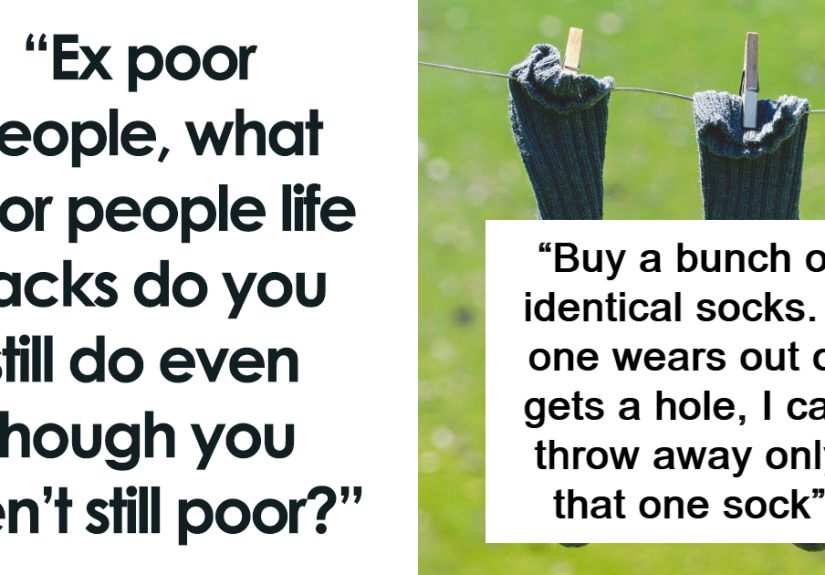
There are life hacks that sound clever on social media, and then there are life hacks that were forged in the glorious chaos of overdue bills, mystery pantry dinners, and a bank account that coughs dramatically when you buy name-brand cereal. The online thread behind this topic didn’t celebrate poverty. It highlighted something more interesting: how people learn to survive, adapt, and stretch a dollar until it politely asks for retirement.
That distinction matters. These aren’t glamorous “money-saving tips” dreamed up by someone who thinks canceling one latte will buy a house. These are practical, lived-in habits that helped real people get through hard seasons and, in many cases, stayed useful long after their finances improved. Why? Because a lot of so-called “poor people’s hacks” are actually just smart systems. They save money, reduce waste, and keep your life a little more stable when the world gets expensive.
Below are 30 of the most useful ideas inspired by that conversation, expanded with real-world context and examples. Some are about food. Some are about transportation. Some are about avoiding the sneaky little fees that nibble your paycheck to death like hungry raccoons. All of them have one thing in common: they make life cheaper without making it smaller.
Why These Frugal Life Hacks Still Matter
The best budget hacks are not about deprivation. They are about control. When money is tight, the smallest system can create breathing room: one pot of soup can become several dinners, one library card can replace three subscriptions, and one old-but-reliable car can save you from years of painful monthly payments. These habits work because they attack the real leaks in a budget: food waste, convenience spending, impulse buying, junk fees, and lifestyle inflation.
In other words, these hacks are useful not because they are “poor people” habits, but because they are efficient habits. They are practical, repeatable, and often surprisingly comforting once you get used to them.
30 Useful Life Hacks That Actually Stretch Your Money
Food, Kitchen, and Grocery Hacks
- Cook at home more often. The thread kept coming back to this because it works. Restaurant food is fun, but your stovetop is still the undefeated champion of saving money.
- Make big batches of soup, chili, rice, or pasta. One cooking session can cover several meals, which saves both money and the nightly “what’s for dinner?” panic.
- Build meals around cheap staples. Beans, oats, rice, eggs, potatoes, lentils, and frozen vegetables are not glamorous, but they are the Avengers of budget meals.
- Turn leftovers into intentional meals. Last night’s roasted chicken becomes tacos, soup, sandwiches, or fried rice. A second act is cheaper than a fresh performance.
- Shop with a list and a loose menu plan. Wandering the grocery store hungry and “just seeing what happens” is how you end up spending twelve dollars on artisanal crackers.
- Buy store brands first. In many categories, the generic version is simply the same idea in less dramatic packaging.
- Use the freezer like a financial tool. Bread, cooked rice, chopped onions, soup, meat on sale, and overripe bananas all last longer when frozen instead of forgotten.
- Keep one or two ultra-cheap comfort meals in rotation. Ramen dressed up with eggs and vegetables, grilled cheese with tomato soup, or peanut butter oatmeal can rescue a rough week.
- Learn the “use it up” meal. A fridge-cleanout stir-fry, omelet, soup, or casserole can turn random leftovers into dinner and reduce waste.
- Drink more water and fewer convenience beverages. Soda, energy drinks, and daily coffee shop stops can quietly become a monthly bill with a straw in it.
Shopping, Clothes, and Household Hacks
- Thrift before you buy new. Clothing, kitchenware, furniture, and kids’ items often cost far less secondhand and work just fine without smelling like financial regret.
- Repair before replacing. Sewing a button, gluing a chair leg, patching jeans, or tightening a loose handle can buy you months or years.
- Use the library for more than books. Many people forget that libraries can save money on ebooks, audiobooks, movies, classes, and sometimes even tech or passes.
- Borrow what you rarely use. You probably do not need to own every tool, ladder, cake stand, or carpet cleaner on earth.
- Join local giving groups. Neighborhood swap groups and free-item communities can help you find furniture, toys, dishes, and household basics without opening your wallet.
- Wait before buying non-essentials. A 24-hour pause kills a surprising number of impulse purchases. Apparently urgency is often just bad judgment in a trench coat.
- Buy multipurpose products. Items that do more than one job stretch your budget better than a cabinet full of specialized “miracle” gadgets.
- Keep a tiny gift stash. Clearance cards, spare wrapping paper, and a few inexpensive gifts bought ahead of time prevent holiday spending from becoming a dramatic event.
- Learn basic laundry discipline. Washing in cold water, air-drying when possible, and using less detergent can save money while helping clothes last longer.
- Know the difference between cheap and cost-effective. The cheapest option is not always the best. A sturdy pair of shoes can beat three flimsy pairs every single time.
Transportation and Utility Hacks
- Drive an older reliable car. A paid-off, boring vehicle is not exciting, but neither is a giant car payment followed by expensive insurance.
- Combine errands into one trip. Fewer trips mean less gas, less time, and fewer “I was out anyway, so I bought random stuff” moments.
- Walk, bike, or use transit when it truly saves money. Even replacing a few short car trips each week can cut fuel and maintenance costs.
- Keep tires inflated and maintenance basic. Small maintenance habits are cheaper than dramatic breakdowns with tow trucks and sad phone calls.
- Lower utility use in boring little ways. Turn off lights, seal drafts, use fans wisely, unplug idle electronics, and stop cooling the entire neighborhood through a cracked window.
- Use LED bulbs and efficient habits. This is not thrilling dinner-party conversation, but lower energy bills rarely need applause to be worthwhile.
Money, Bills, and Everyday Survival Hacks
- Track every fixed expense first. Rent, utilities, transportation, groceries, and debt payments deserve your attention before lifestyle spending does.
- Avoid overdraft and late fees like they insulted your ancestors. Low-balance alerts, automatic reminders, and fee-free accounts can protect money you worked too hard to earn.
- Ask for the cheaper option. Generic medications, lower phone plans, basic internet tiers, used textbooks, and no-frills service plans exist for a reason.
- Use assistance, discounts, and community resources without shame. Food programs, coupons, prescription savings, local pantries, and public services are tools, not moral failures.
What Makes These Hacks So Effective?
The hidden genius of these life hacks is that they create repeat savings. A coupon might save you once, but a habit saves you every week. Cooking at home lowers spending again and again. Driving a reliable older car saves you every month. Avoiding food waste saves you every time you open the fridge before ordering takeout. These habits are less about grand gestures and more about reducing friction in daily life.
They also work because they reduce decision fatigue. When you already know your cheap meal rotation, your thrift-first rule, your library routine, and your no-impulse-buy waiting period, you do not have to reinvent discipline every day. The system decides for you. That is incredibly powerful when money is stressful, because stress loves chaos and these habits quietly create order.
Another reason these hacks stick is that many of them are environmentally efficient too. Using leftovers, borrowing instead of buying, repairing clothes, and buying secondhand all reduce waste while helping your wallet. It turns out being practical often ages better than being trendy.
The Fine Line Between Frugal and Miserable
Of course, there is a line. A useful life hack should make your life cheaper, not joyless. Eating nothing but plain rice for six months is not a personality trait. Neither is declining every social event forever. Sustainable frugality leaves room for comfort, dignity, and the occasional small pleasure. The point is not to make life smaller than it needs to be. The point is to spend intentionally so your money does more.
That is why the best hacks in the thread were practical rather than punishing. They focused on what gives the biggest return: cooking, transportation, housing costs, utilities, community sharing, and avoiding hidden fees. Those categories matter far more than obsessing over tiny, performative cuts that make life annoying without moving the numbers much.
Experiences That Show Why These Hacks Stay With People
One reason this topic resonates so much is that these habits often outlive the hard times that created them. Talk to anyone who spent a stretch of life broke, and you will hear the same kind of stories. They still rinse out the last bit of dish soap with water. They still feel weird paying full price for clothes. They still treat leftovers like an opportunity instead of an insult. And they still get a little thrill from fixing something with tape, thread, or sheer stubbornness rather than replacing it.
I have seen this play out in ordinary, unglamorous ways. Someone learns to cook one giant pot of soup because payday is five days away, and suddenly they become the person who always has dinner handled. Another person starts shopping secondhand out of necessity, then realizes their apartment looks better when it is filled with sturdy, interesting things instead of flimsy impulse buys. A family starts using the library to save on books and movie nights, then discovers it is one of the few places left that gives people something valuable without trying to upsell them every fourteen seconds.
Even the transportation hacks carry a kind of hard-earned wisdom. Plenty of people who once drove fifteen-year-old cars because they had no choice still prefer a dependable used car even after their income improves. Why? Because they remember how much peace comes from not owing a huge monthly payment on something that loses value while sitting in a parking lot. The old car may not sparkle, but it also does not demand a financial sacrifice every month just to exist.
Then there is the emotional side of it. People who have been broke often become experts at spotting waste. They notice the subscription nobody uses, the produce bought with good intentions and lost to the back of the fridge, the service fee that somehow appeared like a raccoon in the night. That awareness can feel exhausting when money is tight, but later it becomes a kind of superpower. They know how to build a life that looks normal, feels decent, and costs less than people expect.
And maybe that is the most useful lesson of all. These life hacks are not just about scraping by. They are about learning what actually matters. A warm meal made from cheap ingredients still feels like care. A borrowed tool still gets the job done. A library card still opens doors. A well-planned grocery list still beats an expensive cart full of random ambition. When people share these hacks online, they are not just trading tips. They are sharing proof that resourcefulness is a skill, not a sentence.
Conclusion
The most useful “poor people” life hacks are not flashy, and that is exactly why they work. They are built on systems, not slogans. Cook more. Waste less. Borrow when you can. Repair what you own. Use public resources. Avoid the fees and conveniences that quietly drain a paycheck. These habits will not make anyone instantly rich, but they can make life steadier, cheaper, and more manageable.
That may be the biggest takeaway from the online thread: survival skills often turn out to be smart living skills. What starts as necessity can become wisdom. And in an economy where everyday basics keep getting more expensive, that wisdom is worth a lot.