Table of Contents >> Show >> Hide
- What Are Liver Enzymes?
- Common Causes of Elevated Liver Enzymes
- Way 1: Improve Your Diet, Weight, and Metabolic Health
- Way 2: Move More and Reduce Liver Stress From Alcohol
- Way 3: Review Medications, Supplements, and Medical Causes
- When to Call a Doctor Quickly
- A Simple 30-Day Liver-Friendly Plan
- Experience-Based Tips for Lowering Liver Enzymes
- Conclusion
Liver enzymes are a little like the “check engine” light on your dashboard. They do not always mean disaster, but they do mean your body is waving a yellow flag and asking you to look under the hood. When liver enzymes such as ALT, AST, ALP, or GGT show up higher than expected on a blood test, it may suggest that liver cells are irritated, inflamed, injured, or working harder than usual.
The good news? Many mild liver enzyme elevations improve when the cause is found and corrected. The less-good news? Your liver does not appreciate guesswork, crash diets, mystery supplements, or “detox teas” that look like they were invented by a raccoon with a marketing degree. Lowering liver enzymes safely starts with practical, evidence-based steps: improving metabolic health, reducing alcohol and liver stressors, and working with a healthcare professional to identify the real cause.
This guide explains three realistic ways to lower liver enzymes, why they work, what examples look like in daily life, and when elevated liver enzymes deserve prompt medical attention.
What Are Liver Enzymes?
Liver enzymes are proteins that help the liver perform chemical reactions. The most common enzymes checked in routine blood work include alanine aminotransferase, or ALT, and aspartate aminotransferase, or AST. ALT is found mainly in the liver, so it is often more specific to liver cell injury. AST is found in the liver too, but also in muscles and other tissues, which means intense exercise, muscle injury, or certain medical conditions can affect it.
Other liver-related tests may include alkaline phosphatase, or ALP, gamma-glutamyl transferase, or GGT, bilirubin, albumin, and measures of blood clotting. Together, these tests help clinicians understand whether the issue looks like liver cell inflammation, bile duct trouble, alcohol-related stress, medication-related injury, fatty liver disease, viral hepatitis, autoimmune disease, or another condition.
Here is the key point: high liver enzymes are not a diagnosis by themselves. They are a clue. A useful clue, yes, but still a clue. Treating the number without understanding the reason is like turning off a smoke alarm while the toast is still on fire.
Common Causes of Elevated Liver Enzymes
Mildly elevated liver enzymes are common and may be temporary. However, persistent or significant elevations should be evaluated. Common causes include metabolic dysfunction-associated steatotic liver disease, formerly often called nonalcoholic fatty liver disease; alcohol-related liver disease; viral hepatitis; medication or supplement-related liver injury; obesity; type 2 diabetes; high triglycerides; autoimmune liver disease; gallbladder or bile duct problems; and less commonly, inherited conditions.
In the United States, fatty liver disease related to insulin resistance, excess body weight, high blood sugar, and abnormal cholesterol is one of the most frequent reasons liver enzymes rise. The liver stores extra fat, becomes inflamed, and may gradually develop scarring in some people. This condition is often silent. No dramatic movie soundtrack, no flashing lights, no villain speech. Just a lab result quietly saying, “Maybe we should talk.”
Because the liver is central to metabolism, alcohol processing, medication breakdown, bile production, and blood sugar regulation, the most effective plan is usually not one magic food or one supplement. It is a strategy.
Way 1: Improve Your Diet, Weight, and Metabolic Health
If elevated liver enzymes are linked to fatty liver disease, insulin resistance, prediabetes, type 2 diabetes, high cholesterol, or excess abdominal weight, nutrition and weight management can make a major difference. Weight loss, when appropriate, may reduce liver fat, inflammation, and even some scarring risk. But the goal is not punishment. Your liver does not need you to live on celery and regret.
Choose a Mediterranean-style eating pattern
A Mediterranean-style diet is often recommended for liver and heart health because it focuses on whole foods instead of heavily processed meals. Think vegetables, fruits, beans, lentils, whole grains, nuts, seeds, olive oil, fish, poultry, and modest portions of dairy. This pattern can help reduce liver fat, improve insulin sensitivity, support healthier cholesterol levels, and make meals feel satisfying rather than medical.
A practical plate might look like grilled salmon, brown rice, roasted broccoli, a salad with olive oil and vinegar, and berries for dessert. Another version could be lentil soup, whole-grain toast, avocado, and a side of fruit. The liver-friendly theme is simple: more fiber, more plants, better fats, and fewer refined carbohydrates.
Cut back on added sugar and refined carbs
Sugary drinks, candy, pastries, white bread, sweetened coffee drinks, and highly processed snack foods can worsen insulin resistance and contribute to liver fat buildup. This is especially true when added sugars and excess calories become a daily habit. A soda here and there is not the end of civilization, but a routine of sugar-sweetened beverages can quietly push liver health in the wrong direction.
Start with the easy wins. Replace soda or sweet tea with water, sparkling water, or unsweetened tea. Swap a breakfast pastry for Greek yogurt with berries and nuts. Choose oatmeal instead of sugary cereal. Use fruit when you want sweetness. These changes are not glamorous, but neither is arguing with your liver at an annual checkup.
Aim for gradual weight loss if needed
For people with overweight, obesity, or fatty liver disease, gradual weight loss can help lower ALT and AST over time. The safest approach is steady, realistic, and sustainable. Crash dieting can backfire and, in some cases, may worsen liver stress. Aiming for slow progress through food quality, portion awareness, and regular movement is usually better than trying to become a brand-new person by next Tuesday.
A useful goal might be reducing portions of ultra-processed foods, increasing vegetables at lunch and dinner, cooking more meals at home, and tracking alcohol and sugary drinks honestly. You do not need perfection. You need consistency. Your liver is not grading you on aesthetics; it is responding to repeated inputs.
Drink coffee wisely, if it agrees with you
Research has linked coffee consumption with better liver-related outcomes in some populations, including lower liver enzyme levels and reduced risk of liver fibrosis or cirrhosis. That does not mean coffee is a cure, and it definitely does not mean a caramel whipped cream dessert beverage has suddenly become liver medicine. Black coffee or lightly prepared coffee is the better choice.
If you tolerate caffeine, one to three cups of coffee per day may fit into a liver-friendly routine. If coffee worsens anxiety, reflux, sleep, heart rhythm issues, or blood pressure, talk with your clinician. Your liver is important, but so is not vibrating through your afternoon meeting like a human espresso machine.
Way 2: Move More and Reduce Liver Stress From Alcohol
Exercise is one of the most powerful ways to support liver health because it improves insulin sensitivity, reduces liver fat, supports weight management, lowers inflammation, and improves cardiovascular health. Even better, exercise can help liver fat improve even before major weight loss happens.
Start with 150 minutes per week
A common target for adults is at least 150 minutes of moderate-intensity aerobic activity per week, plus two days of muscle-strengthening activity. That can be as simple as brisk walking for 30 minutes, five days a week, with two short strength sessions added in. Moderate intensity means your heart rate rises and you can talk, but singing becomes a questionable life choice.
Examples include brisk walking, cycling, swimming, dancing, hiking, jogging, rowing, or using an elliptical machine. Strength training may include bodyweight squats, pushups, resistance bands, dumbbells, weight machines, or carrying groceries with heroic confidence.
Build slowly if you are starting from zero
If you have not exercised in a while, do not begin with a heroic boot camp routine that leaves you negotiating with stairs for three days. Start with 10-minute walks after meals, then build to 20 or 30 minutes. Add resistance training once or twice per week. The goal is to create a routine your future self will actually repeat.
A beginner liver-friendly week might include a 20-minute walk after dinner on Monday, Wednesday, and Friday; a weekend bike ride; and two 15-minute strength sessions at home. Over time, increase duration, frequency, or intensity. Small improvements compound.
Limit or avoid alcohol
Alcohol can raise liver enzymes and contribute to fatty liver, alcoholic hepatitis, fibrosis, cirrhosis, and liver failure. If your liver enzymes are elevated, one of the most practical steps is to stop drinking alcohol until your healthcare professional helps determine the cause. For some people, especially those with liver disease, complete abstinence may be recommended.
Alcohol-related liver injury may improve when drinking stops, especially in earlier stages. But continued heavy use can cause permanent damage. If reducing alcohol feels difficult, that is not a character flaw. It is a health issue, and support matters. Talk to a clinician about counseling, medication options for alcohol use disorder, support groups, and safe withdrawal planning if needed. Suddenly stopping heavy alcohol use can be dangerous for some people, so medical guidance is important.
Watch the “weekend warrior” trap
Some people do not drink daily but consume several drinks in one sitting. Binge drinking can still stress the liver and raise health risks. If your lab results show high liver enzymes, be honest about the actual pattern: number of drinks, serving sizes, frequency, and whether alcohol is paired with medications such as acetaminophen. Your liver does not care whether the drinks came with tiny umbrellas or a craft label. It cares about the dose.
Way 3: Review Medications, Supplements, and Medical Causes
One of the most overlooked ways to lower liver enzymes is to find and remove a hidden liver irritant. Prescription medications, over-the-counter drugs, bodybuilding products, weight-loss supplements, herbal remedies, and “natural” wellness products can all affect the liver in certain people. Natural does not automatically mean safe. Poison ivy is natural, and nobody invites it to brunch.
Check acetaminophen and combination products
Acetaminophen is widely used for pain and fever, but too much can cause serious liver injury. It is also hidden in many cold, flu, sleep, and combination pain products. People may accidentally double-dose without realizing it. Alcohol use can increase concern around acetaminophen safety, especially with frequent or heavy drinking.
Do not stop prescribed medication on your own, but do review all medications with your healthcare professional, including exact doses and how often you take them. Bring bottles or take photos of labels. This includes pain relievers, cholesterol medications, antibiotics, seizure medications, antifungals, herbal products, protein powders, and supplements.
Be cautious with supplements marketed for “liver detox”
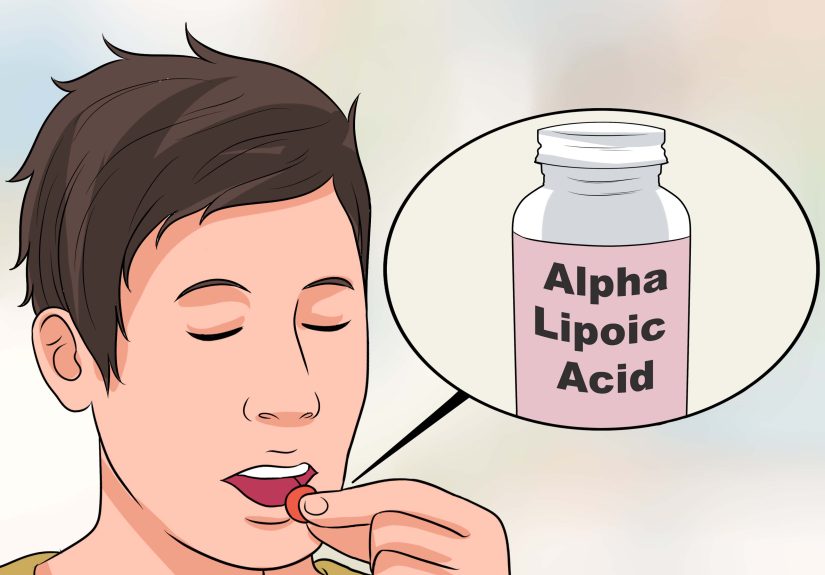
The liver already detoxifies your body. It does not need a neon-colored cleanse kit with dramatic promises. Some supplements marketed for liver health may contain ingredients that can trigger liver injury, interact with medications, or vary in strength and purity. Green tea extract, high-dose vitamin A, anabolic steroids, certain bodybuilding supplements, and some herbal blends have been associated with liver problems in susceptible people.
If your enzymes are elevated, pause nonessential supplements unless your clinician advises otherwise. Then reintroduce only what is necessary and safe. A boring medication list is much better than a dramatic hospital story.
Get evaluated for underlying conditions
If liver enzymes stay high, your clinician may order repeat blood tests, hepatitis screening, iron studies, autoimmune markers, imaging such as ultrasound, or other tests. They may also review your weight, waist circumference, blood pressure, A1C, cholesterol, triglycerides, alcohol use, family history, and symptoms.
Some causes require specific treatment. Viral hepatitis may need antiviral therapy. Autoimmune liver disease may require immune-directed treatment. Bile duct problems may need imaging and specialist care. Advanced fatty liver disease may require hepatology follow-up. Newer medications may be appropriate for selected people with metabolic dysfunction-associated steatohepatitis and fibrosis, but lifestyle changes remain foundational.
When to Call a Doctor Quickly
Mild elevations can often be evaluated in a routine setting, but certain symptoms need urgent medical attention. Call a healthcare professional promptly or seek urgent care if you have yellowing of the skin or eyes, dark urine, pale stools, severe abdominal pain, persistent vomiting, confusion, swelling in the abdomen or legs, unusual bleeding or bruising, extreme fatigue, fever with abdominal pain, or known overdose of acetaminophen or another medication.
Also follow up if your liver enzymes are more than mildly elevated, rising over time, or abnormal on repeated testing. The goal is not to panic. The goal is to avoid ignoring a signal that deserves a proper look.
A Simple 30-Day Liver-Friendly Plan
If your clinician says lifestyle changes are appropriate, a 30-day plan can help you begin without turning your kitchen into a laboratory.
Week 1: Remove the obvious stressors
Stop alcohol temporarily unless your clinician gives different guidance. Review medications and supplements. Cut sugary drinks. Add water, unsweetened tea, or black coffee if tolerated. Begin walking for 10 to 20 minutes after meals three times per week.
Week 2: Build a better plate
Add vegetables to two meals per day. Choose whole grains instead of refined grains. Replace processed snacks with fruit, nuts, yogurt, hummus, or boiled eggs. Plan three simple dinners before the week begins so takeout does not ambush you at 7 p.m.
Week 3: Increase movement
Aim for 120 to 150 minutes of moderate activity this week. Add two short strength sessions. Focus on consistency, not athletic drama. Walking counts. Stairs count. Dancing in the kitchen counts, although your family may request advance warning.
Week 4: Track and follow up
Write down energy levels, sleep, alcohol-free days, exercise minutes, and food changes. Schedule follow-up labs as recommended. Liver enzymes often need time to respond, so do not judge progress by one heroic salad.
Experience-Based Tips for Lowering Liver Enzymes
Many people discover elevated liver enzymes by accident during a routine checkup. They feel fine, then suddenly their lab report looks like it is speaking in medical alphabet soup: ALT, AST, ALP, GGT. The first emotional response is usually worry. The second is Googling. The third is wondering whether the liver has been silently judging every pizza night since 2014.
In real life, the most successful liver-health changes are usually not dramatic. They are practical. One common experience is that people try to change everything at once: no carbs, no fat, no coffee, no joy, and an exercise plan designed for a superhero montage. That approach rarely lasts. A better method is to choose three repeatable habits and make them boringly consistent.
For example, someone with mildly elevated ALT related to fatty liver risk might begin by removing sugary drinks, walking after dinner, and limiting alcohol. That may not sound flashy, but it targets three major liver stressors: excess sugar, inactivity, and alcohol. After a few weeks, they might add strength training, improve breakfast, and cook more meals at home. Over several months, these changes can support weight loss, better blood sugar, improved triglycerides, and healthier liver enzymes.
Another experience many people share is surprise at how much “hidden sugar” sneaks into normal days. Breakfast cereal, flavored yogurt, sweet coffee drinks, granola bars, sauces, juices, and evening desserts can add up quickly. Once people switch to unsweetened yogurt with berries, plain coffee, water, whole foods, and protein-rich meals, they often notice fewer cravings and steadier energy.
Alcohol tracking can be eye-opening too. A person may say they drink “only socially,” but the weekly total may be higher than expected when poured honestly. Home servings are often larger than standard drinks. Taking a break from alcohol for 30 days can help clarify whether liver enzymes improve and whether drinking had become more automatic than intentional.
Exercise is another area where small wins matter. People often underestimate walking because it seems too simple. But a brisk walk after dinner can improve blood sugar handling, help digestion, reduce stress, and make the next healthy choice easier. Strength training is equally valuable because muscle improves glucose storage and metabolic health. You do not need a luxury gym. Resistance bands and bodyweight exercises can do real work.
Perhaps the most important experience-based lesson is this: do not chase liver enzymes with random supplements. Many people buy “liver detox” products because they sound reassuring. But if the cause is alcohol, fatty liver disease, viral hepatitis, medication injury, or metabolic dysfunction, a supplement will not fix the underlying issue and may create a new one. The liver prefers evidence over vibes.
Finally, follow-up matters. A single abnormal test should lead to a conversation, not a spiral. Repeat labs, medical history, imaging, and targeted testing can help separate temporary bumps from meaningful disease. Lowering liver enzymes is not about being perfect. It is about identifying the cause, reducing stress on the liver, and giving this hardworking organ the conditions it needs to recover.
Conclusion
The best ways to lower liver enzymes are straightforward but powerful: improve diet and metabolic health, move more while reducing alcohol, and review medications, supplements, and medical causes with a healthcare professional. Elevated liver enzymes are common, but they should not be ignored. Your liver is resilient, quiet, and wildly underappreciatedbasically the dependable friend who cleans up after the party. Treat it well, and in many cases, your lab numbers may begin moving in a healthier direction.
Note: This article is for educational purposes only and does not replace professional medical advice. Anyone with elevated liver enzymes should follow up with a licensed healthcare professional for proper diagnosis and treatment.