Table of Contents >> Show >> Hide
- Why Vacation Watering Needs a Strategy
- Way #1: Set Up a Drip Irrigation or Soaker Hose on a Timer
- Way #2: Use Self-Watering Containers, Ollas, or Water Reservoir Tricks
- Way #3: Reduce Water Loss Before You Leave
- How to Choose the Best Method for Your Garden
- Common Vacation Watering Mistakes to Avoid
- A Simple Vacation Watering Game Plan
- Experience and Real-Life Lessons from Vacation Plant Watering
- Conclusion
- SEO Tags
Going on vacation should involve sunscreen, snacks, and absolutely zero panic-texts about your patio petunias. But if you’ve ever come home to a crispy tomato plant that looks like it lost a duel with the sun, you know outdoor plants do not care about your travel itinerary. They want water, they want it on time, and they are not interested in your beach photos.
The good news is that keeping outdoor plants watered while you’re away doesn’t require a complicated irrigation degree or a backyard command center. In most cases, a few smart steps can keep your garden alive, healthy, and much less dramatic. The secret is not just watering more; it’s choosing the right method for the type of plants you have, how long you’ll be gone, and how hot your weather gets.
Below are three easy ways to keep outdoor plants watered when you’re on vacation, plus practical prep tips so you don’t come home to a floral crime scene.
Why Vacation Watering Needs a Strategy
Before we get to the three methods, here’s the truth every gardener learns eventually: not all outdoor plants dry out at the same speed. A shrub planted in the ground has very different needs than a basil plant in a black plastic pot baking on a sunny patio. Containers lose moisture fast. Hanging baskets dry even faster. Raised beds are somewhere in the middle. Established perennials and shrubs are usually the least needy, while vegetables, annual flowers, and anything in a pot tend to be the most high-maintenance members of the cast.
That means the best vacation watering plan is not one-size-fits-all. It’s more like assigning the right babysitter to the right kid. Some plants need full-time supervision. Others just need a snack and a nap.
Way #1: Set Up a Drip Irrigation or Soaker Hose on a Timer
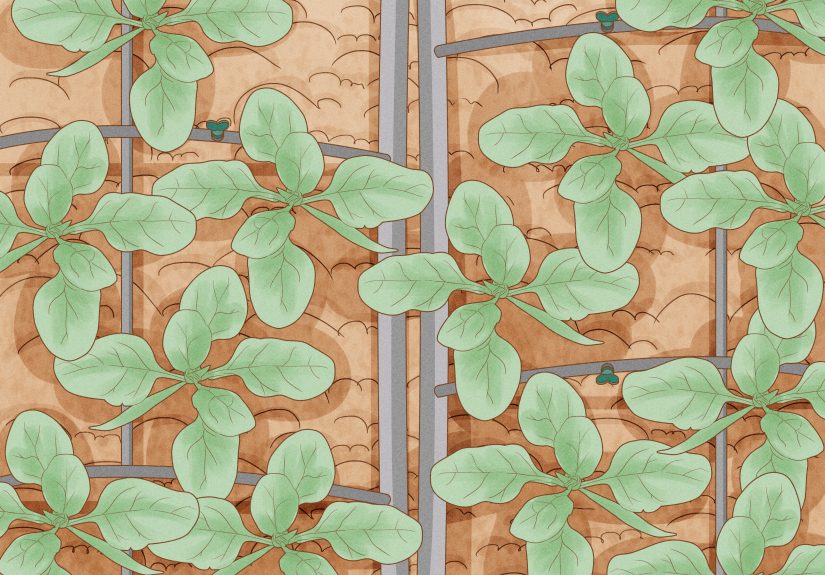
If you want the easiest, most dependable solution for watering outdoor plants on vacation, this is the gold medal winner. A drip irrigation system or soaker hose connected to a timer takes the guesswork out of watering and delivers moisture directly where plants need it most: at the roots.
Why this method works so well
Unlike overhead sprinklers, drip lines and soaker hoses release water slowly and close to the soil. That means less evaporation, less wasted water, and less wet foliage. That last point matters because wet leaves can invite fungal diseases, especially in vegetables and flowers. In other words, drip irrigation is efficient, targeted, and refreshingly low on drama.
For a short trip, even a simple hose timer and a basic soaker hose can make a huge difference. For a longer trip in peak summer, a drip system with emitters placed at each plant base gives even better control.
Best for
- Vegetable gardens
- Raised beds
- Flower beds
- Foundation plantings
- Mixed patio containers when fitted with drip emitters
How to set it up
- Connect a battery-operated or programmable timer to your outdoor faucet.
- Attach a soaker hose or drip line.
- Run the hose along the root zones of your plants, not across sidewalks or empty soil.
- Test the system several days before you leave.
- Adjust the run time so the soil gets deeply moist, not soggy.
Testing is the part many people skip, and it is also the part that prevents vacation heartbreak. Run the system, then check the soil a few inches down. If it’s still dry, extend the watering time. If the soil is swampy, dial it back. Your tomatoes want a drink, not scuba lessons.
Pro tip
If your area is expecting intense heat, plan for morning watering. Morning irrigation gives water time to soak in before the hottest part of the day and helps foliage dry faster if any leaves get splashed.
Way #2: Use Self-Watering Containers, Ollas, or Water Reservoir Tricks
If most of your outdoor plants live in pots, a self-watering setup can be a lifesaver. Container plants are notorious for drying out quickly because they have limited soil volume and more exposed surfaces. Translation: they’re the neediest vacationers in the whole yard.
Option A: Self-watering containers
Self-watering planters have a built-in reservoir that lets plants draw up moisture as needed. These are especially useful for herbs, annual flowers, and patio vegetables. If you already use them, great. If not, this can be a smart upgrade for the plants that suffer most when you’re away.
They are not magic, but they are wonderfully practical. Fill the reservoir before you leave, and the plant has access to water for much longer than it would in a standard pot.
Option B: Ollas for raised beds and large containers
Ollas are porous clay pots buried in the soil and filled with water. They slowly release moisture around the root zone as the soil dries. It’s an old-school method, and frankly, old-school gardening tricks are often the best because they were invented by people who preferred not to lose their crops.
Ollas are especially helpful in raised beds or large containers. They don’t need electricity, they waste very little water, and they keep moisture more consistent than random hand watering.
Option C: Bottle reservoirs for short trips
For a quick weekend away, a simple bottle reservoir can help with select pots. The classic version uses a clean bottle inserted into the soil so water releases slowly. This works best in medium to large containers, not tiny pots, and it should always be tested first. Some bottles empty too quickly, and some barely release anything. Charming? Yes. Foolproof? Absolutely not.
Best for
- Outdoor containers
- Patio herbs
- Deck planters
- Raised beds
- Plants that need steady moisture
What to watch out for
Self-watering methods work best when the potting mix is already evenly moist before you leave. If the soil is bone-dry, water may run down the sides or fail to reach the roots properly. Give containers a thorough soak first, then fill the reservoir system. Think of it as sending your plants off with both a full tank and snacks for the road.
Way #3: Reduce Water Loss Before You Leave
Sometimes the best way to keep outdoor plants watered on vacation is to help them need less water in the first place. This method is not a replacement for irrigation on long trips, but it is incredibly effective when paired with one of the first two options. It’s also the cheapest strategy on the list, which is always nice when you’ve already spent money on airfare and a suitcase that somehow still won’t zip.
Start with a deep watering
The day before you leave, water deeply. A shallow sprinkle does almost nothing for plant resilience. Deep watering encourages moisture to move farther into the soil, where roots can access it longer. This is especially important for in-ground beds, shrubs, and perennials.
Add mulch
A 2- to 3-inch layer of mulch helps hold moisture in the soil, moderates temperature, and slows evaporation. Shredded bark, compost, straw, pine needles, or leaf mulch can all help, depending on the setting. Just keep mulch a little away from plant stems and trunks so you don’t invite rot.
Move containers into partial shade
If your potted plants normally live in brutal afternoon sun, move them to a spot with bright morning light and afternoon shade before you leave. Grouping containers together can also reduce moisture loss by creating a slightly more humid microclimate around them. It won’t turn your patio into a rainforest, but it can buy you precious time.
Trim the stress, not the whole plant
Deadhead flowers, harvest ripe vegetables, and remove clearly spent growth before you go. This reduces the plant’s workload and may lower water demand a bit. Avoid major pruning right before a trip, though. You want your plants calm and stable, not shocked and offended.
Ask for backup if you’ll be gone a while
If your trip is longer than a week and temperatures are high, have a neighbor, friend, or family member check the garden. Even with timers and reservoirs, human backup is smart. Keep it simple: leave the hose where it’s easy to reach, label the thirstiest pots, and give short instructions. No one wants a three-page tomato memo.
How to Choose the Best Method for Your Garden
If you mostly have in-ground beds
Go with a soaker hose or drip irrigation on a timer, plus mulch.
If you mostly have containers
Use self-watering planters, olla-style watering, or drip emitters for pots. Move containers into part shade and group them together.
If you’re only gone for a weekend
A deep watering, mulch, and reservoir options for pots may be enough, especially in mild weather.
If you’re gone for more than a week in summer
Use an automatic watering system and arrange for a human to check in at least once.
Common Vacation Watering Mistakes to Avoid
- Relying on overhead sprinklers alone: much of the water can be lost before it reaches roots.
- Watering lightly every day: this encourages shallow roots and weak plants.
- Skipping the test run: timers, emitters, and bottle systems all need a trial before departure.
- Ignoring containers: pots dry out much faster than garden beds.
- Leaving soil bare: unmulched soil loses moisture faster in heat and wind.
- Assuming rain will handle it: summer showers are often unpredictable and uneven.
A Simple Vacation Watering Game Plan
If you want the short version, here it is: water deeply, mulch generously, automate what you can, and reduce sun stress on containers. That combination covers a surprising amount of ground. You do not need to turn your backyard into a high-tech irrigation laboratory. You just need to make it easier for the soil to stay moist and easier for water to reach roots on schedule.
And if you’re wondering whether this is overkill, ask any gardener who has returned from vacation to find a hanging basket that now resembles seasoned confetti. Preparation is cheaper than replacement.
Experience and Real-Life Lessons from Vacation Plant Watering
The first time I left outdoor plants on their own for a summer trip, I behaved like an optimist with a hose. I watered everything the night before, admired my work, and drove away thinking, “Nature will take it from here.” Nature, as it turns out, had other plans. I came home to crispy basil, droopy calibrachoa, and a tomato plant that looked like it had spent the week in a tiny desert survival reality show.
That experience taught me the biggest lesson in vacation plant care: good intentions are not a watering system. A single generous soak right before you leave can help, but it usually won’t carry containers or thirsty vegetables through hot weather. Since then, I’ve tested nearly every simple vacation watering trick I could get my hands on, and the results have been humbling, educational, and occasionally hilarious.
The most reliable improvement was adding a timer and soaker hose to my raised beds. Once I stopped depending on memory and luck, the garden became far more stable. Tomatoes stayed upright, peppers stayed productive, and I stopped returning home with the emotional burden of apologizing to cucumbers. What surprised me most was not just that the plants survived, but that they looked better than when I asked a well-meaning friend to “just water when things seem dry.” “Seems dry” is not a universal scientific measurement, and my garden paid the price for that ambiguity.
I also learned that containers are the true divas of the outdoor plant world. My in-ground perennials could usually tolerate a short absence with deep watering and mulch. Patio pots, on the other hand, acted like I had abandoned them on a mountaintop. Grouping them together in a shadier location made a visible difference. They lost less moisture, looked less stressed, and recovered faster after hot days. A self-watering planter helped even more, especially for herbs and annuals that hate erratic moisture.
One of the more charming experiments involved bottle watering. I had visions of a tidy, low-cost hack that would keep everything perfectly hydrated while I was away. In reality, one bottle emptied too fast, another barely released water, and one tipped at such a dramatic angle that it looked like the plant had hosted a very rowdy dinner party. Still, after some testing, I found bottle reservoirs can work for certain larger pots on short trips. The keyword is testing. Improvised systems are not something to set up five minutes before leaving for the airport.
The smartest thing I do now is combine methods. I mulch beds, pre-water deeply, move containers out of punishing afternoon sun, and use automated watering wherever possible. If I’m gone for longer than a week, I still ask someone to check in once or twice. That backup visit is less about daily watering and more about catching the unexpected: a clogged emitter, a heat wave, or a pot that dries out faster than the rest.
In the end, keeping outdoor plants watered when you’re on vacation is less about one miracle trick and more about stacking simple advantages in your favor. A little automation, a little moisture retention, and a little planning go a long way. Your plants do not need perfection. They just need a better plan than “I watered them really well and believed in them.”
Conclusion
The best ways to keep outdoor plants watered when you’re on vacation are wonderfully practical: use a drip irrigation or soaker hose on a timer, rely on self-watering containers or reservoir systems for pots, and reduce water loss with deep watering, mulch, and smarter plant placement. Those three steps cover most home gardens and can be adjusted whether you’re gone for a long weekend or a longer summer trip.
The bottom line is simple. Your vacation should not end with a rescue mission for your marigolds. Build a watering plan before you leave, test it, and let your garden enjoy its own version of room service while you’re away.