Table of Contents >> Show >> Hide
- 1) A “Forever-ish” Sofa (Comfort First, Style Second, Snacking Always)
- 2) A Properly Sized Area Rug (The Shortcut to “Grown-Up”)
- 3) A Mattress You’d Defend in Court (Plus Bedding That Doesn’t Betray You)
- 4) Layered Lighting (Because One Ceiling Boob Light Is a Cry for Help)
- 5) Curtains and Hardware That Fit (A.K.A. Instant “Taller Ceilings”)
- 6) A Dining Surface That Multitasks (Table, Island, or Drop-Leaf Hero)
- 7) The Kitchen Core Trio: Chef’s Knife, Cutting Board, and One Great Pan
- 8) A Vacuum You’ll Actually Use (The Secret to Looking “Put Together”)
- 9) An Entryway “Landing Pad” (So Your Stuff Stops Spawning)
- 10) The Home Care Kit: Tools, First Aid, and Fire Safety (The Unsexy MVP)
- Final Thoughts: Buy Like a Designer, Live Like a Human
- Extra: of First-Home “I Learned This the Hard Way” Experience
- SEO Tags
Congratulations on your first homeaka the place where you’ll learn two timeless truths:
(1) boxes multiply at night, and (2) you can’t “just sit on the floor” forever unless you’re
training for the Olympics of lower-back pain.
Designers tend to agree on a simple philosophy for first-home shopping: buy fewer things,
buy the right things, and let each item earn its square footage. The goal isn’t to recreate a
showroomit’s to build a space that functions on Monday morning and still looks cute on
Saturday night when friends come over and pretend they didn’t notice you served chips in a salad bowl.
Below are 10 designer-approved first home essentials that pull disproportionate weight: they make a room
feel finished, save you money over time, and prevent your place from looking like a “temporary situation”
you’ve been living in for 18 months. (No judgment. We’ve all been there. Some of us are there right now.)
1) A “Forever-ish” Sofa (Comfort First, Style Second, Snacking Always)
If your living room is the movie, the sofa is the main character. Designers will tell you to start with
the biggest anchor piece because everything elserug size, coffee table scale, lighting placementresponds
to it.
What to look for
- Frame: Solid wood or high-quality engineered wood (avoid flimsy, squeaky frames).
- Cushions: A supportive core (foam or springs) with a softer wrap for comfort.
- Fabric: Performance fabrics, tightly woven textiles, or leather if you’re committed to the “wipe-and-go” lifestyle.
- Color: A flexible neutral (warm gray, camel, oatmeal, olive) so you can change pillows and art without starting over.
Common first-home mistake
Buying a tiny loveseat “because the room is small,” then discovering you still host humans.
A better approach: choose a sofa with clean arms and taller legs to keep it visually lighter, or consider
a compact sectional with a chaise that doubles as nap real estate.
2) A Properly Sized Area Rug (The Shortcut to “Grown-Up”)
Designers love rugs because they do three jobs at once: define zones, add warmth and texture, and make
furniture look intentional instead of “placed wherever the movers dropped it.”
Designer rule of thumb
Bigger usually looks better. If you’re choosing between two sizes, the larger option is often the one that
makes the room feel cohesive. In seating areas, aim for at least the front legs of key pieces (sofa, chairs)
to sit on the rug, so everything feels connected instead of floating.
Material tips for real life
- Wool: Classic, durable, naturally stain-resistant (a true workhorse).
- Low-pile synthetics: Budget-friendly and easy to cleangreat for pets and busy households.
- Flatweave: Ideal under dining tables and in high-traffic spots; less “crumb storage.”
3) A Mattress You’d Defend in Court (Plus Bedding That Doesn’t Betray You)
A first home is exciting, but sleep is the quiet investor in everything you do. Designers don’t “design”
mattresses, but they absolutely design around a bed that looks substantial and feels luxurious:
a supportive mattress, a real bed frame, and bedding with structure.
What upgrades the whole room fast
- Cotton sheets in percale (crisp) or sateen (smooth), depending on your vibe.
- A duvet + cover for easy washing (and instant “hotel bed” energy).
- Two good pillows per sleeper: one for support, one for comfortlike a tiny pillow council.
Budget strategy
If you’re choosing where to splurge, many designers would tell you to put more into the mattress and a
dependable set of sheets, then go simpler on decorative pillows and throws (those are easy to swap later).
4) Layered Lighting (Because One Ceiling Boob Light Is a Cry for Help)
Lighting is the most underrated “upgrade” in a first home. Designers plan light in layers, so a room works
for everything from cooking to reading to “I’m hosting and want everyone to look great in photos.”
Your starter lighting kit
- Ambient: Overall room light (ceiling fixture, flush mount, or a bright floor lamp).
- Task: Focused light where you do things (desk lamp, reading lamp, under-cabinet light).
- Accent: Mood and dimension (a sconce, picture light, or small lamp on a shelf).
Small tweak, big payoff
Put key lights on dimmers or use dimmable smart bulbs. You’ll instantly get a more polished, designer-level
atmosphere without changing a single piece of furniture.
5) Curtains and Hardware That Fit (A.K.A. Instant “Taller Ceilings”)
Window treatments are a designer favorite because they add softness, improve privacy, and make rooms feel
finished. The right curtains can also make windows look bigger and ceilings look higherbasically optical
illusions you’re allowed to use.
Make it look custom (even if it’s not)
- Hang the rod higher than you think (often above the window frame) to elongate the wall.
- Go wider than the window so panels stack off the glass when open and let in more light.
- Choose the right lining: blackout for bedrooms, light-filtering for living spaces.
Pro tip for real households
If you’ve got pets, kids, or a talent for spilling coffee while simply walking, consider curtains that
“kiss” the floor rather than puddle. Drama is fununtil it’s full of lint.
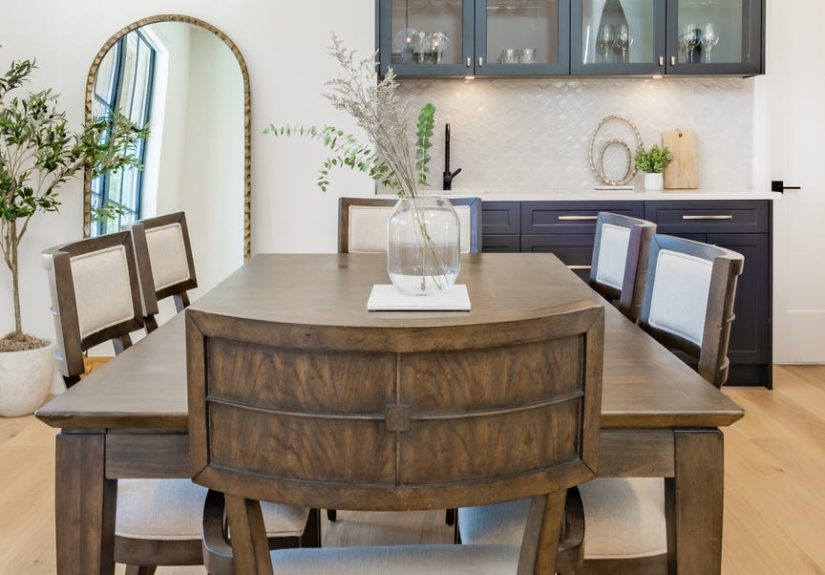
6) A Dining Surface That Multitasks (Table, Island, or Drop-Leaf Hero)
Designers care less about whether you have a formal dining room and more about whether you have a dedicated
spot to eat, work, and gather. A dining surface becomes an anchor for daily routinesmeals, budgeting, games,
and the occasional “I’ll just set this here” pile that needs a home.
Smart first-home options
- Small round table: Great flow in tighter spaces.
- Extendable table: Everyday compact, party-ready when needed.
- Drop-leaf table: The transformer of furnituretiny until it’s not.
7) The Kitchen Core Trio: Chef’s Knife, Cutting Board, and One Great Pan
You don’t need a 17-piece set of mystery gadgets. Designers (and serious home cooks) love a “less but better”
approach: a few high-function tools that look good on the counter and actually get used.
What to buy first
- An 8-inch chef’s knife that feels balanced in your hand.
- A sturdy cutting board (wood for longevity, composite for easy care).
- One excellent panlike a stainless skillet or enameled Dutch ovenfor weeknight cooking.
Why designers approve
Because clutter kills a kitchen vibe. Fewer, better tools keep countertops cleaner and make the space feel
more intentionallike you’re a person who knows where their spatula lives.
8) A Vacuum You’ll Actually Use (The Secret to Looking “Put Together”)
A clean home is the easiest aesthetic upgrade on Earth. Designers obsess over materials and styling, but the
truth is: if the floor is covered in dust bunnies the size of hamsters, nobody’s admiring your throw pillows.
Choosing the right type
- Stick vacuum: Lightweight, easy, perfect for quick passes.
- Upright/canister: Better for deep carpet cleaning and large spaces.
- Robot vacuum: Great for maintenance (and for feeling like you live in the future).
Designer trick
Pick something you won’t dread using. Convenience is the “hidden feature” that makes cleaning happen.
And cleaning, inconveniently, makes your home look expensive.
9) An Entryway “Landing Pad” (So Your Stuff Stops Spawning)
Designers love entryways because they’re the first impressionand because they can prevent chaos from
spreading to every other room. Even if you don’t have a formal foyer, you can create a drop zone that makes
daily life smoother.
The 3-piece landing-pad formula
- Catchall tray or bowl: Keys, sunglasses, mail (future-you says thank you).
- Hooks or pegs: Bags, coats, dog leashesstuff that otherwise becomes furniture.
- Shoe storage: A slim rack, baskets, or a boot tray to keep floors sane.
Style bonus
Add a mirror above the landing pad. Designers love mirrors for bouncing light around and making a space feel
largerand you’ll love it because you’ll stop leaving the house with conditioner still in your hair.
10) The Home Care Kit: Tools, First Aid, and Fire Safety (The Unsexy MVP)
Designers may be known for pretty rooms, but the best ones design for real lifewhich includes keeping you safe
and preventing tiny problems from turning into expensive ones.
What belongs in your first-home kit
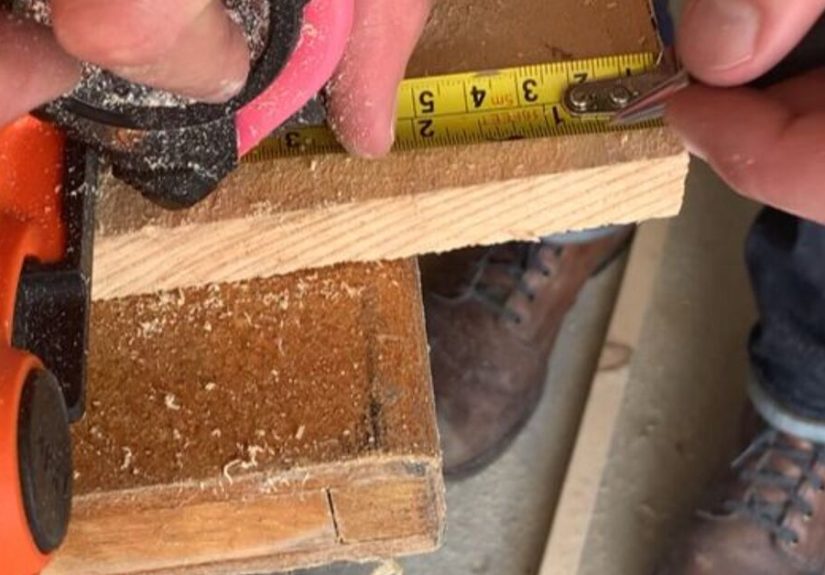
- Basic tool set: Hammer, screwdrivers, tape measure, pliers, level, and a box cutter.
- First aid kit: Bandages, antiseptic, tweezers, pain relief, and basics for minor injuries.
- Smoke alarms + batteries: Proper placement and a reminder to test them regularly.
- A small fire extinguisher: Especially near the kitchen (not buried behind a blender you never use).
- Surge protector: Protects electronics and keeps cords from turning into a floor-based art installation.
Why this is designer-approved
Because peace of mind is the ultimate “luxury finish.” Also, nothing ruins a vibe faster than realizing you
don’t own a screwdriver when the doorknob falls off in your hand.
Final Thoughts: Buy Like a Designer, Live Like a Human
Here’s the designer mindset in one sentence: choose anchor items that improve comfort and function first,
then layer style on top. A sofa you love, a rug that fits, lighting that flatters, and storage that prevents
clutter will make your first home feel intentionaleven if you’re still eating pizza off paper towels for a week.
Start with these 10 essentials, then live in the space for a bit. Your home will tell you what it needs next
(usually more storage and fewer “decorative” chairs that nobody wants to sit in).
Extra: of First-Home “I Learned This the Hard Way” Experience
If there’s a rite of passage for first-time homeowners, it’s the moment you realize you’ve been living around
your stuff instead of living with it. I’ve watched friends move into their first place with the optimism
of a fresh notebookthen immediately fill it with random purchases that seemed smart in the store and chaotic
in the house. The fix is almost always the same: stop buying “filler,” and start buying “foundation.”
The sofa is the classic example. People panic-buy something cheap because they want to be “done.” Two months
later, the cushions sag like a tired mattress and the fabric has collected every crumb ever created. Meanwhile,
the friend who bought a simpler, sturdier sofamaybe even secondhandhas a piece that still looks good after a
few rearranges, a couple of movie marathons, and one ill-advised red-wine situation. The lesson: the “forever-ish”
items aren’t always the fanciest; they’re the ones that can take a hit and keep their dignity.
Rugs are another sneaky teacher. Almost everyone buys a rug that’s too small the first time. It’s not because
they lack taste; it’s because rugs are expensive and math is rude. Then the room feels offlike the furniture is
hovering. The day they swap to a larger rug, the room suddenly looks “designed,” and everyone claims it was the
art that did it. (It wasn’t the art. It was the rug. Art just likes to take credit.)
Lighting is where first homes go to commit crimes. One overhead light. Cold bulbs. Shadows in all the wrong places.
The first time you add a warm lamp near the sofa and a task light where you actually work, the whole mood shifts.
People stop squinting. The room feels softer. Your plants look happier. Even the takeout containers seem less judgey.
It’s not magicit’s layers. Designers are basically lighting DJs, and you can be one too.
The entryway “landing pad” sounds boring until you don’t have one. Without it, keys migrate. Shoes form a pile that
becomes a lifestyle. Mail reproduces. With a tray, hooks, and a shoe solution, your whole home gets calmer because
clutter isn’t marching inward like it pays rent. Add a mirror and suddenly the entrance feels intentionallike you
planned adulthood instead of stumbling into it.
And yes, the unsexy kit matters. The number of times someone has asked, “Do you have a screwdriver?” and been met
with dead silence could fill a documentary series. A basic toolkit saves money and sanity. A first aid kit turns
“minor kitchen mishap” into “handled” instead of “panic-Googled.” Smoke alarms and a small extinguisher aren’t décor,
but they are the baseline for actually enjoying your home. Designers love beauty, surebut the best-designed homes
are the ones where you can relax because the basics are covered.
Bottom line: a first home doesn’t need to be perfect. It needs to be functional, comfortable, and a little bit you.
Start with the essentials above, let your style evolve, and rememberno one becomes “a person with a beautifully
finished home” overnight. It happens one smart purchase (and one fewer impulse throw pillow) at a time.