Table of Contents >> Show >> Hide
- Why a Salvaged Urn Makes a Great Garden Fountain
- What to Look for in a Salvaged Urn
- Choose the Right Fountain Style
- Tools and Materials You Will Likely Need
- How to Build a Salvaged Urn Garden Fountain
- Safety Tips You Should Not Ignore
- How to Keep Your Urn Fountain Looking Good
- Seasonal Maintenance for an Outdoor Water Feature
- Common Mistakes to Avoid
- Design Ideas to Make It Look Custom
- Real-World Experience: What DIYers Learn From Building a Salvaged Urn Fountain
- Final Thoughts
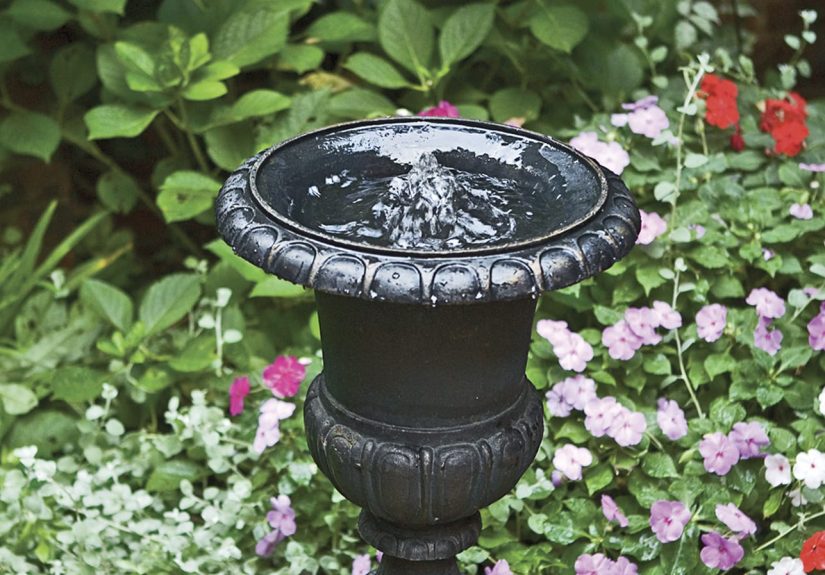
Some people rescue puppies. Some rescue old chairs. And some of us spot a weathered urn at a flea market, architectural salvage yard, or dusty corner of a garage sale and think, you, my friend, were born to bubble. If that sounds like your kind of logic, welcome. Turning a salvaged urn into a garden fountain is one of the smartest, prettiest, and most satisfying outdoor DIY projects you can tackle. It adds movement, sound, character, and just enough drama to make your yard feel like it suddenly has opinions.
Even better, a DIY urn fountain does not require a massive budget, a landscaping crew, or the patience of a saint. With the right pump, a stable base, and a little planning, you can transform a forgotten vessel into a hardworking outdoor water feature that looks far more expensive than it really is. The trick is to balance design with function: pick the right urn, hide the mechanics, keep the water circulating, and avoid rookie mistakes like placing your fountain under a tree that sheds like a golden retriever in August.
This guide walks you through the full process of building a salvaged urn garden fountain, from choosing the urn to placing the pump, handling cords safely, controlling splash, and keeping the whole thing clean and mosquito-free. You will also get practical tips on materials, maintenance, and the real-life lessons DIYers learn after their first fountain comes to life.
Why a Salvaged Urn Makes a Great Garden Fountain
A salvaged urn brings instant personality to a garden in a way brand-new decor sometimes cannot. Old cast iron, weathered concrete, aged stone, and even sturdy ceramic pieces often come with texture, patina, and visual history that make a fountain feel established instead of freshly unpacked. In other words, it looks like it belongs there, not like it arrived with foam packing peanuts and an identity crisis.
There is also the sustainability angle. Repurposing an old urn or planter keeps a usable piece out of the waste stream and gives you a custom water feature without buying a factory-made fountain kit. That is good for the budget, good for the garden, and good for your bragging rights.
From an SEO standpoint, this project also hits all the dreamy backyard keywords people love to search: DIY garden fountain, urn fountain, outdoor water feature, container fountain, and salvaged garden decor. From a homeowner standpoint, it hits the even more important keyword: pretty without being ridiculous.
What to Look for in a Salvaged Urn
Material Matters
The best salvaged urns for a garden fountain are made from cast stone, concrete, cast iron, resin rated for outdoor use, or thick glazed ceramic. These materials hold up well outdoors and usually have enough visual weight to anchor the feature. Thin pottery can work, but it is more likely to crack if mishandled, drilled incorrectly, or left full of water in freezing weather.
Check for a Drainage Hole
If your urn already has a drainage hole, congratulations: the DIY gods have smiled upon you. That opening makes it much easier to feed tubing through the vessel. Many salvaged planters and urns already have one, which is why they are such a good starting point. If there is no hole, you may be able to drill one depending on the material, but that step requires the correct bit, a steady hand, and a willingness to accept that old ceramic can sometimes react like a diva under pressure. When in doubt, choose an urn with an existing opening or use an over-the-rim tubing setup hidden behind the urn.
Inspect for Cracks and Stability
Hairline surface wear is usually fine. Structural cracks, wobbling bases, crumbling edges, or severe rust are not. Fill the urn with a little water before installation if possible and make sure it does not leak in places it should not. Also pay attention to the base. An urn fountain must sit level and stable, or the water will spill unevenly and make the fountain look permanently annoyed.
Choose the Right Fountain Style
You have two main ways to build a salvaged urn fountain:
1. Hidden Reservoir Urn Fountain
This is the most polished look. The urn sits above a buried or concealed reservoir, with a pump inside the basin that sends water up through tubing. The water bubbles from the top or spills from the urn and drains back into the hidden reservoir. This style looks elegant, saves visual clutter, and creates that “Where is the water even coming from?” effect that makes guests lean forward and squint.
2. Self-Contained Container Fountain
This is the easier option. The urn itself holds the water and pump, or it sits in a visible catch basin. It is simpler to install and ideal for patios or small courtyards. It is also easier to clean, though it can require more frequent refilling if the basin is small.
For the classic salvaged urn garden fountain look, the hidden reservoir style wins. That is the method this article focuses on.
Tools and Materials You Will Likely Need
- Salvaged urn or planter
- Submersible fountain pump
- Flexible vinyl tubing that fits the pump outlet
- Water reservoir or basin
- Metal grate or support grid
- Landscape fabric or screen
- River rock or decorative stone
- Silicone sealant rated for outdoor/wet use
- Shims or pavers for leveling
- Outdoor-rated extension solution only if absolutely necessary
- Access to a GFCI-protected exterior outlet
Pick a submersible pump sized for the visual effect you want. A gentle bubbling urn needs less power than a dramatic spillover fountain. In general, small and medium urn fountains use a compact pump with adjustable flow, which gives you room to tweak the look without replacing the entire setup.
How to Build a Salvaged Urn Garden Fountain
Step 1: Pick the Perfect Location
Choose a level area you can enjoy from a window, patio, or favorite chair. A fountain that cannot be seen or heard easily is a little like a great haircut under a hat: technically there, but not doing much for your life. Look for a spot near a GFCI-protected outdoor outlet and avoid placing the fountain directly under trees. Leaves, seeds, and twigs will clog the pump faster than you can say “Why is my tranquil water feature making coughing noises?”
If the fountain will sit on a deck or elevated surface, remember that water is heavy. Make sure the structure can support the combined weight of the urn, the basin, rock, and water.
Step 2: Build or Set the Reservoir
For a hidden reservoir fountain, set a water basin below grade or conceal it inside a larger container. The reservoir should be wide and deep enough to catch splash and hold enough water that the pump does not run dry between refills. Bigger basins usually mean less maintenance, less splashing, and fewer emergency trips outside with a watering can.
Level the reservoir carefully. This step is not glamorous, but it is crucial. A fountain that is out of level will run unevenly, expose the water line, and make one side look like it is trying harder than the other.
Step 3: Install the Pump and Tubing
Place the pump inside the reservoir and attach the tubing. Run the tubing up through the center of the support grate and through the urn’s drainage hole. If the hole is larger than the tubing, use a little silicone or a snug fitting grommet to reduce wobble and keep the assembly neat. Leave enough slack to remove the pump for cleaning later. Future-you will appreciate not having to perform archaeological excavation every time the impeller needs attention.
Step 4: Support the Urn Securely
The urn should sit solidly on a grate, blocks, or a support frame above the reservoir. It must be fully supported and perfectly level. Use pavers or shims as needed. If the urn is especially heavy, test the support system before filling or finishing. The goal is “graceful focal point,” not “sudden backyard incident.”
Step 5: Hide the Mechanics
Cover the grate with landscape fabric or mesh, then add river rock or decorative stone. This conceals the reservoir while allowing water to drain back in. Keep the stones clear of the pump intake so the motor does not inhale half your hardscape. You want the feature to look natural, not like a geology experiment.
Step 6: Adjust the Water Flow
Fill the reservoir with water and turn on the pump. Start with a lower flow rate, then adjust until the water movement looks and sounds right. Too much force can cause splashing and rapid evaporation. Too little can make the fountain look shy. Aim for a steady, pleasing flow that returns cleanly to the basin.
Safety Tips You Should Not Ignore
Water and electricity can coexist beautifully, but only if you respect the relationship. Always plug the fountain into a GFCI-protected outdoor outlet. Use pumps and cords rated for outdoor use, keep plugs and connections dry, and avoid long, permanent extension-cord setups whenever possible. If you do need an extension temporarily, it should be outdoor-rated and positioned well away from standing water.
If there is no convenient outdoor outlet near the fountain location, the best fix is not “creative improvisation.” The best fix is hiring a licensed electrician to install a proper outlet. Your fountain should sparkle, not audition for a cautionary tale.
How to Keep Your Urn Fountain Looking Good
Top Off Water Regularly
Fountains lose water through evaporation, splash, and windy weather. Check the water level often, especially in summer. Running a pump dry is one of the fastest ways to shorten its life. A larger basin buys you more time between refills, which is one reason bigger water reservoirs are such a smart choice.
Clean the Pump and Basin
Every week or two, inspect the pump intake and remove leaves, slime, and debris. Clean the basin and wipe away algae before it gets dramatic. Light scrubbing with mild soap and water is usually enough for routine cleaning, and many DIYers find this simple habit prevents bigger maintenance headaches later.
Watch for Mineral Build-Up
If you live in a hard-water area, mineral deposits can show up on the urn and around the splash zone. Using rainwater when practical can reduce build-up. Otherwise, wipe deposits early before they turn your elegant fountain into a chalky science fair project.
Stop Mosquitoes Before They RSVP
Moving water is your friend. Mosquitoes prefer stagnant water, so a properly running fountain is less inviting than a still basin. But if the pump stops or the water sits motionless for days, your charming garden feature can become a tiny insect maternity ward. Keep the water circulating, refresh it regularly, and use labeled larvicide products only when appropriate and according to directions if standing water becomes unavoidable.
Seasonal Maintenance for an Outdoor Water Feature
In mild climates, you may be able to keep the fountain running much of the year. In regions with freezing winters, drain the system before hard freezes arrive. Remove the pump, clean it, and store it indoors if recommended by the manufacturer. Empty the urn and reservoir so expanding ice does not crack them. If the urn is fragile ceramic, winter protection is not optional. It is the difference between “vintage garden accent” and “very stylish rubble.”
Common Mistakes to Avoid
- Choosing a basin that is too small and needs constant refilling
- Using a pump that is too powerful for the urn size
- Skipping the level check
- Placing the fountain under messy trees
- Ignoring electrical safety
- Letting the pump clog with leaves and algae
- Assuming moving water means zero maintenance forever
Design Ideas to Make It Look Custom
Once the basic fountain works, the fun begins. Surround the urn with gravel, creeping thyme, or low ornamental grasses for a soft, finished look. Use larger rocks to make the installation feel grounded. Place the urn against a garden wall for a formal effect, or tuck it into a cottage-style border where the sound of water emerges like a happy surprise. A salvaged cast-iron urn can feel stately and classic, while a weathered concrete urn leans old-world and romantic.
You can also play with the water style. A simple bubbler feels calm and contemporary. A spillover lip feels more dramatic. Add subtle landscape lighting nearby, and suddenly your DIY fountain becomes the evening star of the yard. Not bad for something that once sat forgotten behind a stack of old shutters.
Real-World Experience: What DIYers Learn From Building a Salvaged Urn Fountain
There is a difference between reading about a salvaged urn fountain and actually building one on a Saturday when the sun is too bright, the tubing seems one inch too short, and every rock suddenly has strong opinions. The real experience of this project teaches a few things very quickly.
First, the urn always looks smaller in the store than it does when you get it home. Then you fill it with water, set it on a support, and realize you are now dealing with a very handsome but very serious object. That is why leveling and structural support matter so much. Plenty of people begin this project thinking mostly about looks, then discover that gravity is the true project manager.
Second, sound matters more than expected. Most people start out focused on how the fountain will look, but the sound is what changes the space. A gentle bubbler can make a patio feel calmer. A more forceful spill can mask traffic noise and give the yard a lively energy. The sweet spot is rarely the maximum pump setting. In real life, too much flow usually means splash, water loss, and a soundtrack that feels less “peaceful garden retreat” and more “small plumbing event.” Adjusting the pump slowly is one of those tiny decisions that makes a huge difference.
Third, bigger water capacity equals easier living. DIYers who choose a tiny hidden basin often spend the hottest weeks refilling it constantly. A more generous reservoir may cost a little more up front, but it saves daily fussing later. This is one of those lessons people learn once and never forget. The same goes for access to the pump. If you hide everything so well that basic maintenance becomes a treasure hunt, you have not created elegance. You have created chores in disguise.
Another common experience is discovering how much surroundings affect maintenance. Place the fountain near shedding trees, and you will spend your weekends fishing out leaves. Put it in direct blasting sun all day, and you may see faster evaporation and more algae. Place it where you can actually see it from indoors, though, and the project suddenly feels worth every minute. A garden fountain does its best work when it becomes part of daily life instead of a forgotten ornament at the far edge of the yard.
Most DIYers also become unexpectedly attached to the urn itself. A salvaged piece carries quirks: weather stains, old chips, funny proportions, a patina you would never choose from a catalog but end up loving. Once water starts moving through it, those imperfections often become the charm. The project stops feeling like a generic fountain build and starts feeling like a rescue mission with excellent acoustics.
Finally, this project teaches patience in the best possible way. Rarely does the fountain come together perfectly on the first try. Maybe the splash is wrong. Maybe the stone layout looks awkward. Maybe the tubing needs trimming or the pump needs a lower setting. But once it is dialed in, the payoff is huge. You end up with a custom outdoor water feature that feels personal, resourceful, and far more expensive than it was. And every time you hear that soft bubbling sound, you remember that the whole thing started with an old urn someone else overlooked. Honestly, that is the kind of garden success story worth repeating.
Final Thoughts
If you want an outdoor feature that delivers beauty, movement, and a little old-world character, turning a salvaged urn into a garden fountain is hard to beat. It is practical enough for a weekend DIY project, creative enough to feel custom, and flexible enough to fit everything from a formal courtyard to a relaxed cottage garden. Choose a sturdy urn, give the pump a safe setup, make peace with regular maintenance, and do not underestimate the magic of good sound and a well-hidden reservoir.
In the end, the best garden fountain is not the fanciest one. It is the one that fits your space, works reliably, and makes you pause for a second on the way across the yard. And if it started life as a dusty salvaged urn with questionable prospects, even better. Everyone loves a comeback story. Especially one that bubbles.