Table of Contents >> Show >> Hide
- So… is wild rice good for you?
- What is wild rice, exactly?
- Wild rice nutrition facts (cooked): what you’re actually eating
- Health benefits of wild rice (what the evidence supports)
- Wild rice vs. brown rice vs. white rice
- What about arsenic and heavy metals?
- Any downsides or “who should be cautious” notes?
- How to buy and cook wild rice (without turning it into a crunchy regret)
- Easy ways to eat more wild rice (that don’t taste like homework)
- Conclusion: the verdict on wild rice
- Real-Life Experiences: What It’s Like to Make Wild Rice a Habit (Extra )
Wild rice has the kind of reputation most foods would pay good money for: “healthy,” “rustic,” “chef-y,” and “the thing your friend brings to potlucks when they want to seem like they have their life together.” But is wild rice actually good for youor is it just regular rice wearing a flannel shirt?
Let’s dig into what wild rice is, what’s in it, what it can (and can’t) do for your health, and how to use it without ending up with a pot that tastes like wet pinecones. Spoiler: wild rice is genuinely nutritious, and it’s not even technically rice. It’s basically the cool cousin of grains.
So… is wild rice good for you?
For most people, yes. Wild rice is a whole grain (technically a grass seed) that’s naturally low in fat, provides a solid amount of plant-based protein, offers fiber for digestion and fullness, and brings useful minerals like magnesium, phosphorus, and zinc to the party.
The “good for you” part gets even better when wild rice replaces refined grains (like white rice) or ultra-processed sides (looking at you, neon-orange “rice” packets). As with any food, context matters: wild rice shines brightest in balanced meals with vegetables, beans or lean proteins, and healthy fats.
- Best for: more protein and fiber per bite, steady energy, and “I meal-prepped” bragging rights.
- Not a magic spell for: instant weight loss, “detoxing,” or out-running your drive-thru habits.
What is wild rice, exactly?
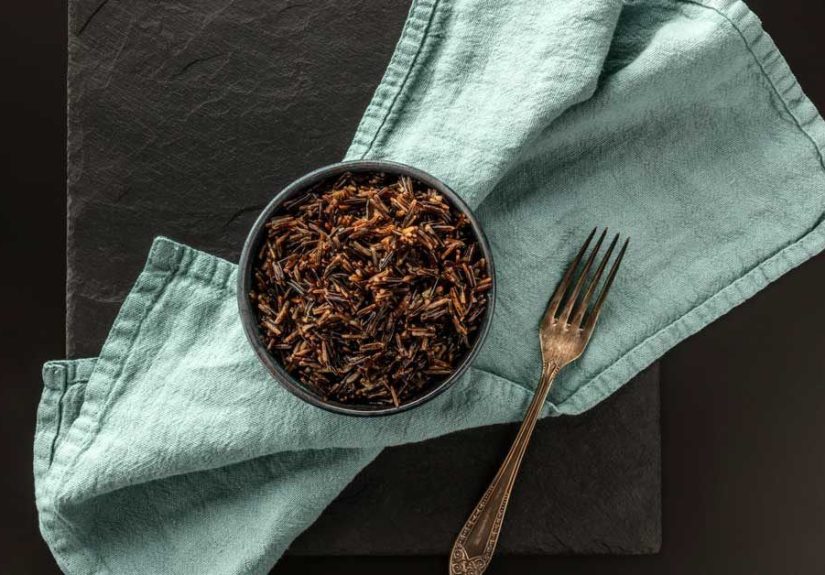
Wild rice comes from aquatic grasses (genus Zizania) native to North America. It grows in shallow water and has a chewy texture and nutty flavor that makes regular rice feel… a little underdressed.
Fun twist: many grocery-store “wild rice” products are actually blendswild rice mixed with brown rice, white rice, or other grains. Blends can still be healthy, but if you want the true nutrition profile (and that signature chewy bite), read the label for 100% wild rice.
Another important note: wild rice (often called manoomin) has deep cultural significance for many Indigenous communities, especially in the Great Lakes region. If you’re buying wild rice and want to be a thoughtful consumer, look for brands that source responsibly and, when possible, support Indigenous producers.
Wild rice nutrition facts (cooked): what you’re actually eating
Numbers can vary slightly by brand and cooking method, but a typical reference point for 1 cup cooked wild rice looks like this:
| Nutrient | Approx. amount (1 cup cooked) | Why it matters |
|---|---|---|
| Calories | ~166 | Moderate energy for a hearty side. |
| Carbohydrates | ~35 g | Fuelespecially useful around active days. |
| Fiber | ~3 g | Supports digestion and helps you feel full longer. |
| Protein | ~6.5 g | Higher than many rice varieties; helps with satiety and muscle support. |
| Fat | <1 g | Low overall, which makes room for healthy fats in the meal (olive oil, avocado, nuts). |
| Key minerals | Notably phosphorus, magnesium, zinc | Helpful for bones, metabolism, and immune function. |
Translation: wild rice is not “just carbs.” It’s a carb that shows up with protein, fiber, and mineralslike the friend who brings a salad and remembers the dressing.
Health benefits of wild rice (what the evidence supports)
1) More filling meals (thanks, protein + fiber)
Wild rice tends to be more satisfying than refined grains because it combines complex carbs with fiber and a meaningful amount of protein. That mix slows digestion, helps steady hunger, and can make “I’ll just snack forever” less likely.
Practical example: swap a mound of white rice for wild rice in a grain bowl. You may find you naturally need less volume to feel comfortably fullespecially if you add beans, chicken, tofu, or salmon and plenty of vegetables.
2) Better blood-sugar behavior than many refined starches
Wild rice is often described as a lower-glycemic option compared with refined grains. That doesn’t mean it’s “carb-free” (it’s definitely not), but the fiber/protein combo generally leads to a slower rise in blood sugar than highly refined starches.
If you’re watching blood sugar, the move isn’t “ban rice forever.” It’s “build a smarter plate”: pair wild rice with non-starchy vegetables, a protein source, and a fat (like olive oil or nuts).
3) Whole-grain perks for heart and metabolic health
Wild rice is considered a whole grain, and diets rich in whole grains are consistently associated with better heart and metabolic outcomes. Whole grains bring fiber and a package of nutrients that refined grains lose during processing.
The key is consistency. Nobody becomes a wellness icon because they ate wild rice once. But using whole grains regularlywild rice includedsupports a pattern that’s linked to healthier cholesterol and improved overall diet quality.
4) Antioxidants: not a superhero cape, but still useful
Wild rice contains antioxidant compounds (like many whole grains and plant foods). Antioxidants help combat oxidative stress in the body, which is involved in aging and chronic disease processes. This doesn’t mean wild rice “prevents cancer” (hard stop), but it does mean it’s a nutrient-dense choice compared with heavily refined sides.
5) Naturally gluten-free
Wild rice is naturally gluten-free, making it a helpful grain option for people with celiac disease or non-celiac gluten sensitivityassuming it’s not cross-contaminated during processing. If you’re strictly gluten-free, look for packaging that indicates gluten-free handling.
Wild rice vs. brown rice vs. white rice
Here’s a simple way to think about it:
- White rice: easiest to digest, quickest cooking, least fiber. Often enriched/fortified.
- Brown rice: more fiber and minerals than white rice, but also tends to retain more inorganic arsenic because it keeps the bran layer.
- Wild rice: not the same species as “rice,” typically higher in protein than many rice varieties, with a distinctive chewy texture and a strong whole-grain profile.
If you want an everyday “best” option, you don’t need to crown a single champion. Rotate grains. Use wild rice when you want more texture and protein, use brown rice when it fits the dish, and use white rice when digestion, speed, or preference makes it the right call.
What about arsenic and heavy metals?
Arsenic is a naturally occurring element found in soil and water. Rice (the Oryza plant) is known for absorbing more inorganic arsenic than many other crops, partly because it’s often grown in flooded conditions. Brown rice typically contains more inorganic arsenic than white rice because the arsenic concentrates in the outer layers that are removed during refining.
Wild rice is a different plant than common rice, and the arsenic conversation is most established around standard rice varieties and rice-based products. The realistic takeaway for most adults is simple: eat a variety of grains and don’t rely on rice as your one-and-only carb source.
If you eat rice frequently and want to reduce arsenic exposure, cooking rice in excess water and draining it can reduce arsenicthough it may also reduce some nutrients (particularly in enriched rice). For infants and toddlers, many health authorities recommend offering a variety of grains rather than relying heavily on rice-based foods.
Any downsides or “who should be cautious” notes?
- Digestive sensitivity: If you’re not used to higher-fiber whole grains, start with smaller portions. Your gut microbiome likes gradual introductions, not surprise parties.
- Kidney disease considerations: People with kidney disease may need to monitor minerals like phosphorus and potassium. Ask a clinician or renal dietitian for personalized guidance.
- Packaged mixes: Some wild-rice blends come with seasoning packets that can be high in sodium. Check labels, or cook plain wild rice and season it yourself.
- Allergies: True wild rice allergy is uncommon, but any food can be an issue for someone. If symptoms occur, seek medical advice.
How to buy and cook wild rice (without turning it into a crunchy regret)
Buying tips
- Look for “100% wild rice” if you want pure wild rice instead of a blend.
- Choose plain and season at home to control sodium and flavor.
- Texture matters: true wild rice is long, dark, and stays pleasantly chewy when cooked.
Cooking basics
Wild rice generally needs more water and more time than white rice. A common approach:
- Rinse (mostly for dust/starch, not as a “detox ritual”).
- Simmer 1 cup wild rice in about 3 cups water or broth.
- Cook 45–60 minutes, until grains split and become tender-chewy.
- Drain any extra liquid, then let it steam for a few minutes.
Want better flavor? Use broth, add a bay leaf, toss in a smashed garlic clove, or finish with olive oil and lemon. Wild rice is basically begging for aromatics.
Meal prep superpower
Cook a big batch and refrigerate it for quick meals: toss into salads, soups, stuffed peppers, breakfast bowls, or skillet meals. It holds texture well, which is why it’s popular in soups and pilafs.
Easy ways to eat more wild rice (that don’t taste like homework)
- Grain bowl: wild rice + roasted veggies + chickpeas + tahini or vinaigrette.
- Soup upgrade: add cooked wild rice to chicken soup, mushroom soup, or veggie stew for body and chew.
- Stuffing or pilaf: mix with sautéed onions, celery, cranberries, nuts, and herbs.
- Salad base: use chilled wild rice like you’d use quinoa; add cucumber, feta, dill, and lemon.
- Breakfast “oatmeal” remix: warm wild rice with milk (or alt milk), cinnamon, berries, and nuts.
Conclusion: the verdict on wild rice
Wild rice is a nutrient-dense, whole-grain option that offers more protein than many rice varieties, plus fiber and minerals that support a healthy eating pattern. It’s naturally gluten-free, delightfully chewy, and versatile enough to work in everything from soups to salads.
Is it “good for you”? In the real-world way foods are good for youyes. It supports fullness, can help build balanced plates, and makes it easier to swap in whole grains without feeling like you’re chewing on cardboard. The best approach is still variety: rotate grains, keep portions sensible, and let wild rice be one of several smart staples in your kitchen.
Real-Life Experiences: What It’s Like to Make Wild Rice a Habit (Extra )
If you’ve never cooked wild rice before, the first experience is usually a mix of curiosity and mild suspicionlike adopting a pet that stares into your soul. You measure it out, notice it looks nothing like white rice, and wonder if you accidentally bought tiny edible twigs. Then you start cooking and realize: wild rice has its own timeline. It does not respond to your impatience. It is not impressed by your “quick dinner” energy.
In many kitchens, the “aha” moment happens when someone tries to cook wild rice like standard ricesame water ratio, same time, same expectationsand ends up with either (a) crunchy kernels that could double as aquarium gravel or (b) a pot with just enough water left to resemble a grainy swamp. The fix is simple: give it more water, more time, and permission to be itself. Once you do, wild rice turns into this satisfying, chewy base that makes meals feel more substantial without needing a lot of extra ingredients.
One common experience is discovering that wild rice is a stealth “meal-prep MVP.” People cook a batch on Sunday, and suddenly weekday lunches stop being a sad desk salad. On Monday it’s a grain bowl with roasted sweet potatoes and a lemony dressing. On Tuesday it gets tossed into soup and magically makes it feel like a real meal. On Wednesday it becomes a “clean-out-the-fridge” skillet situation: wild rice, leftover chicken (or tofu), frozen veggies, and a quick sauce. The texture holds up, so it doesn’t turn mushy and depressing by day three.
Another very relatable moment: the first time you serve wild rice to someone who thinks they “don’t like healthy food.” They take a bite, pause, and say something like, “Oh… this is actually good.” That’s usually because wild rice tastes like something. It’s nutty and earthy, and it plays well with savory flavorsmushrooms, onions, herbs, broth, garlic, thyme, cranberries, toasted nuts. It also makes an excellent “supporting actor” for bold main dishes, like chili, braised meats, or spicy roasted vegetables.
People also report a practical difference in how they feel after eating it: wild rice meals tend to keep them full longer than meals built around refined carbs. It’s not a magical effect; it’s just the combination of fiber, protein, and slower-digesting carbs doing what they do. The end result is fewer random pantry raids and less of that “I ate an hour ago and I’m starving” vibe.
The last experience worth mentioning: wild rice can make you look like a better cook than you are. Bring a wild rice pilaf to a gathering and everyone assumes you own matching storage containers and have strong opinions about olive oil. You can accept the compliments graciously. Wild rice won’t mind.