Table of Contents >> Show >> Hide
- Ulcerative Colitis 101: Why Your Gut Is So Loud
- What It Really Means to “Play Through the Pain”
- Staying Active with Ulcerative Colitis (Without Paying for It Later)
- Coping with Pain, Fatigue, and Flare Days
- The Mental Side: Playing Through Fear, Anxiety, and Embarrassment
- Talking to Coaches, Teammates, Teachers, and Bosses
- When Playing Through the Pain Goes Too Far
- Real-Life Experiences: What Playing Through the Pain Can Look Like
- You Deserve a Life Bigger Than Your Diagnosis
If you live with ulcerative colitis (UC), you already know this truth: your gut doesn’t care about your schedule. It doesn’t care that you have a basketball game, a 5K, a presentation at work, or a long-planned night out. When UC decides to flare, it’s like an angry coach blowing the whistle at the worst possible time.
But here’s the twist. Many people with UC still go to work, raise kids, travel, even compete in sports. They aren’t “ignoring” their illness; they’re learning how to play through the pain without sacrificing their long-term health. That’s a subtle but important difference.
This guide walks through what “playing through the pain of ulcerative colitis” really looks like: how to stay active, when to push, when to pause, and how to protect both your body and your mental health along the way. It’s information, not medical adviceyour healthcare team always gets the final say.
Ulcerative Colitis 101: Why Your Gut Is So Loud
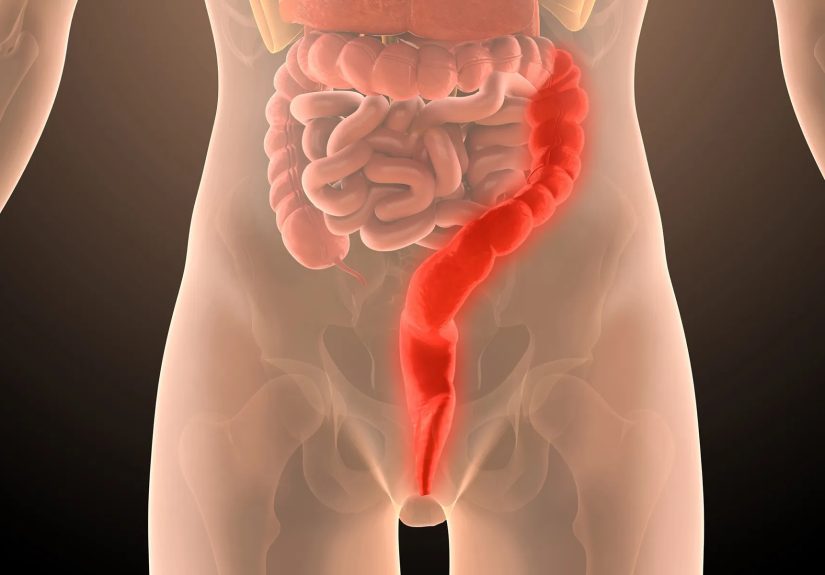
Ulcerative colitis is a chronic inflammatory bowel disease (IBD) that causes ongoing inflammation and ulcers in the lining of your colon and rectum. Symptoms can include frequent diarrhea, blood in the stool, urgency, abdominal pain, fatigue, and weight loss. The disease typically runs in cycles of flares (active inflammation) and remission (little to no symptoms).
There is currently no cure, but many people can keep symptoms under solid control with medications such as:
- Aminosalicylates (5-ASA) like mesalamine or sulfasalazine for mild to moderate disease and maintenance of remission.
- Corticosteroids for short-term control of moderate to severe flares.
- Immunomodulators and biologics (like infliximab, adalimumab, vedolizumab, ustekinumab) or newer small-molecule medicines for more stubborn or severe disease.
With effective treatment, many people enjoy long stretches of remission, where symptoms are minimal or absent and life feels “almost normal” again. That’s usually when the idea of playing through the pain shows up: you want to live fully, but you’re also aware that the disease can flip the script at any time.
What It Really Means to “Play Through the Pain”
In sports, “playing through the pain” often sounds heroictape the ankle, pop an ibuprofen, get back out there. With ulcerative colitis, that mindset can be both empowering and dangerous.
Pushing vs. Over-pushing
There’s a difference between:
- Pushing yourself to stay active even when you’re tired or worried about bathroom access, and
- Over-pushing to the point that you ignore severe pain, ongoing bleeding, or rapid weight loss.
The first is about resilience and smart adaptation. The second can delay necessary treatment and worsen inflammation. “Playing through” UC should never mean pretending you’re not sick; it should mean living fully while working with your condition, not against it.
Listening to Your Body’s “Nope” Signals
Some red flags mean it’s time to step off the fieldliterally or metaphoricallyand contact your healthcare team, rather than push harder:
- New or significantly increased blood in your stool
- Severe, crampy abdominal pain that doesn’t ease up
- Persistent fever, chills, or signs of infection
- Rapid weight loss, dehydration, or dizziness
- So many bathroom trips you can’t keep up with fluids
Those are not “grind harder” signals; they’re “you need medical backup” signals.
Staying Active with Ulcerative Colitis (Without Paying for It Later)
Here’s the good news: research suggests that light to moderate physical activity is generally safe for people with IBD and may even improve fatigue, stress levels, and quality of life. The key is choosing the right activitiesand planning around your symptoms.
Choose “Cooperative” Activities, Not Combat Sports (With Your Gut)
For many people with UC, lower-impact options work best, especially in or near remission:
- Brisk walking or easy hiking
- Stationary or outdoor cycling
- Swimming or water aerobics
- Yoga, Pilates, or gentle mobility workouts
- Strength training with gradual progression
These types of exercise help maintain cardiovascular health, muscle strength, and bone densityimportant because UC and some medications can increase osteoporosis riskwithout the jarring impact of, say, sprinting up and down a court for two hours.
Make Bathroom Logistics Part of the Game Plan
When your colon has opinions, logistics matter. Before any workout, practice, or game:
- Know exactly where the nearest bathrooms are (plural).
- Keep a “UC kit” handy: wipes, extra underwear, pads or liners, a plastic bag, and any anti-diarrheal your doctor has cleared you to use.
- Time your meal and medication schedule so you’re not working out immediately after a big, trigger-heavy meal.
- Stay hydrated, especially if diarrhea is a problem.
It might feel awkward at first, but planning like this turns surprise disasters into manageable inconveniences.
Adjust Intensity Based on Your Disease Activity
On good days in remission, you might tolerate more intense exerciseshort runs, pickup games, or longer strength sessions. During a mild flare, it may be smarter to scale it way down: maybe a 10-minute walk, some stretching, or light yoga instead of your usual routine.
A simple rule of thumb: if the activity leaves you completely wiped out or significantly worsens your GI symptoms afterward, it was probably too much for where your disease is right now.
Coping with Pain, Fatigue, and Flare Days
“Playing through the pain” doesn’t always mean athletics. Sometimes it means just getting through work, errands, or parenting when you feel like your insides are staging a protest.
Build a Flare-Day Playbook
Work with your healthcare team to create a flare plan that might include:
- Which medications to adjust or add during a flare
- What symptoms mean “call the office” vs. “go to urgent care or the ER”
- Diet adjustments you personally find helpful (e.g., low-fiber, bland foods, smaller frequent meals)
- Hydration goals and electrolyte strategies
That way, when pain ramps up, you’re not improvising every stepyou’re following a pre-agreed script.
Respect Fatigue as a Real Symptom, Not Laziness
Fatigue in UC is often a mix of chronic inflammation, disrupted sleep, anemia, mental load, and, frankly, all the extra time and energy you spend managing your symptoms. Studies consistently show higher levels of fatigue and reduced quality of life in people with IBD compared with the general population.
So no, you’re not just “being dramatic” if you’re tired after doing what used to be easy. Building rest into your schedule is not weakness; it’s a survival strategy.
The Mental Side: Playing Through Fear, Anxiety, and Embarrassment
UC doesn’t just attack the colon; it can also ambush your mental health. People with ulcerative colitis are more likely to experience anxiety and depression than the general population, and mental health symptoms can correlate with disease activity and flares.
That mental load affects how you “play through the pain” in everyday life:
- Fear of accidents can make you avoid workouts, travel, or social events.
- Embarrassment about symptoms might stop you from asking for accommodations you’re entitled to.
- Depression or anxiety can sap motivation to exercise or even follow treatment plans.
Supportive caretherapy, support groups, and sometimes medicationscan be just as essential as colon-focused treatments. Many major IBD organizations emphasize mental health as a key part of UC care, not a side issue.
Rewriting Your Inner Narrator
It’s easy for your inner dialogue to turn toxic: “I’m weak,” “I’m a burden,” “My team is better off without me,” or “I’ll never be normal again.” Those thoughts don’t just hurt your feelings; they can change how you move, socialize, and care for yourself.
Try reframes like:
- “I can still show up, but I may need to do it differently.”
- “Needing rest doesn’t make me lazy; it makes me human with a chronic illness.”
- “I’m allowed to value my health over other people’s expectations.”
It might feel cheesy, but over time, kinder self-talk can make it easier to set realistic goals and boundaries around pain.
Talking to Coaches, Teammates, Teachers, and Bosses
One of the hardest parts of playing through UC is logistical: you need people around you to understand at least the basics. You don’t have to share every detail of your bathroom habits, but telling no one usually creates more stress.
What to Share (and Why)
With a coach, supervisor, or teacher, you might say something like:
“I have a chronic medical condition that can cause sudden pain and urgent bathroom trips. I’m managing it with my doctors, but I may sometimes need quick access to a restroom, short breaks, or schedule flexibility.”
Healthcare centers and advocacy organizations encourage people with IBD to ask for reasonable accommodations at work and schoollike seating near exits, flexible break times, or the ability to work remotely when needed. Often, these small adjustments are the difference between barely hanging on and sustainably “playing through” your symptoms.
Building a Supportive “Team Culture” Around You
In sports and in life, culture matters. If the environment around you treats bathroom breaks like weakness or jokes about your condition, you’ll probably push harder than is safe just to avoid ridicule.
On the flip side, when teammates or coworkers say things like “Text me if you need me to cover you,” or “We’ll pause if you need a minute,” the pressure drops. You’re still playing through pain sometimes, but now you’re doing it with backup.
When Playing Through the Pain Goes Too Far
There is a line. If you’re constantly canceling events last minute, hiding symptoms, or pushing yourself to the point of collapse, it may be time to rethink the strategy.
Some signs your current approach isn’t working:
- You’re routinely skipping medications or appointments to avoid “inconveniencing” others.
- You’re exercising at high intensity even though you’re losing weight and feel miserable afterward.
- You won’t call your doctor because you’re afraid they’ll tell you to scale back your activity.
- Your world is shrinking: less socializing, less joy, more pain, more anxiety.
“Playing through the pain” is supposed to help you keep your life bigger than your illnessnot funnel you into constant crisis mode. If everything feels like a grind, that’s a signal to step back with your healthcare team and redesign the game plan.
Real-Life Experiences: What Playing Through the Pain Can Look Like
Every person with ulcerative colitis has a different story, but certain patterns show up again and again. Here are a few composite scenarios (based on common real-world experiences) that show what “playing through the pain” might look like in practice.
The Weekend Athlete
Alex loves weekend soccer. Before UC, they’d sprint full-out for 90 minutes and still feel energized. After diagnosis, things changed. During flares, the idea of being far from a bathroom feels terrifying. Instead of quitting the sport entirely, Alex and their gastroenterologist came up with new rules:
- On flare-ish days: show up, warm up, maybe play 10–15 minutes at a time instead of full halves.
- Stand near the sideline and the nearest exit so bathroom trips are quick.
- Use low-fiber meals pre-game and hydrate strategically to avoid triggers.
- Tell the captain: “If I suddenly sub out, it’s a medical thing, not a lack of effort.”
Is it the same as before? No. Does Alex still get the joy of being with the team, moving their body, and feeling like an athlete instead of “just a patient”? Yes. That’s playing through the pain in a realistic, self-protective way.
The Parent in the Bleachers
Maria doesn’t play sportsbut her kids do. Long tournaments used to mean endless hours on metal bleachers, unpredictable food choices, and limited bathroom access. After UC entered the chat, she almost stopped attending altogether. Then she re-designed how she shows up:
- She keeps a foldable, more comfortable chair near the aisle for quick exits.
- She maps out bathrooms as soon as she arrives at a new venue.
- She brings her own “safe” snacks and a big water bottle.
- Her closest mom-friend knows what’s up and can watch the kids if Maria needs to disappear for a bit.
There are still painful days, but instead of staying home and feeling guilty, she plays through in a modified waystaying engaged without pretending she isn’t sick.
The College Student
Jordan has UC and just started college. Lecture halls, dorm bathrooms, dining hall mystery foodbasically a flare’s favorite playground. To keep up with classes without wrecking their health, Jordan:
- Registers with disability/student support services to get flexible attendance and exam accommodations.
- Chooses seating near exits in big lecture halls for quick bathroom access.
- Builds a simple exercise routineshort walks between classes and gentle stretchingrather than trying to be a gym hero.
- Keeps a list of campus bathrooms that are cleaner, quieter, or less crowded.
Are there days when they’re studying from bed with a heating pad instead of going out? Absolutely. But Jordan still earns credits, builds friendships, and moves toward their degree. That’s a huge win when you have a chronic illness.
The Remote Worker
Sam works from home, which sounds perfect for UC, but there’s a catch: when you can technically work through a flare, it’s tempting to never rest at all. Sam used to answer emails from the bathroom, attend meetings with the camera off while curled up in pain, and never log off early.
Eventually, the constant “playing through” led to burnout. With help from their provider and therapist, Sam changed the rules:
- On bad flare days, they use sick time instead of forcing eight hours of half-focused work.
- They block a short mid-day rest break in their calendar as non-negotiable.
- They’ve told their manager, in general terms, about their condition and what accommodations they may need.
Now, Sam still has tough daysbut fewer full-on crashes. Sometimes the bravest way to “play through the pain” is to admit you can’t play at full speed today.
You Deserve a Life Bigger Than Your Diagnosis
Ulcerative colitis can be loud, painful, and inconvenient in ways most people will never fully understand. But you are still allowed to chase goalson the field, at work, in school, and at home. Playing through the pain doesn’t mean ignoring your body or pretending your symptoms are no big deal. It means:
- Working with your healthcare team to control inflammation as much as possible.
- Choosing movement and activities that support your health rather than sabotage it.
- Listening to red flags and backing off when your body clearly says “not today.”
- Making smart accommodations, not apologies.
- Caring for your mental health as seriously as your colon.
You’re not weak for needing rest. You’re not dramatic for planning your life around bathroom access. You’re a person with a demanding medical condition who is still choosing to show up. That’s not just playing through the painthat’s a different kind of strength.
Important note: This article is for general information only and is not a substitute for professional medical advice. Always talk with your healthcare provider about your specific symptoms, treatment options, and exercise plans.