Table of Contents >> Show >> Hide
- What Is WHOOP, Exactly?
- WHOOP 5.0 vs WHOOP MG vs Older WHOOP 4.0
- Membership & Pricing: The “Subscription” Conversation (Yes, We Have to Have It)
- How WHOOP Scores You: Recovery, Strain, and Sleep (The Holy Trinity)
- Healthspan, Stress, and the New “Longevity” Angle
- WHOOP MG Features: ECG, Heart Signals, and Blood Pressure “Insights”
- Advanced Labs: When Your Fitness Tracker Starts Talking About Biomarkers
- Accuracy & Trust: How Good Is WHOOP’s Data?
- What WHOOP Does Better Than Most Trackers
- Where WHOOP Can Drive You Nuts
- WHOOP vs Apple Watch, Garmin, Oura, and Other Alternatives
- Who Should Buy WHOOP?
- Verdict: So… Is WHOOP Worth It?
- Experiences: What Using WHOOP Can Feel Like (A 500-Word Reality Check)
If you’ve ever looked at a smartwatch and thought, “This is amazinghow can I make it buzz even more during meetings?” then WHOOP is here to
politely walk you in the opposite direction. WHOOP is the screenless fitness tracker that’s basically the strong, silent type: it doesn’t show the time,
it doesn’t flash notifications, and it won’t tempt you into doom-scrolling your own step count at 2 a.m.
What it will do is track you 24/7, crunch your heart-rate and sleep data, and hand you a daily “readiness” snapshot in the appcomplete
with coaching that can feel like a supportive trainer… or an honest friend who’s not afraid to say, “Maybe skip the max-effort workout today, champ.”
In this review, we’ll break down what WHOOP does best, what it does “meh,” and who should (and shouldn’t) pay for a tracker that’s powered by a
membership.
What Is WHOOP, Exactly?
WHOOP is a minimalist wearable band built around continuous physiological tracking. Instead of acting like a tiny phone on your wrist, WHOOP focuses on:
- Recovery (how ready your body is for strain today)
- Strain (how much load you put on your body, day and workout)
- Sleep (how much you got, how well you got it, and how much you need)
- Stress + health signals (varies by membership tier and device)
You wear it all day and night, and the app translates the data into actionable guidance. The core concept is simple:
train hard when you’re recovered, back off when you’re not, and sleep like it’s your job.
WHOOP 5.0 vs WHOOP MG vs Older WHOOP 4.0
As of the latest generation, WHOOP offers two primary hardware options you’ll hear about most: WHOOP 5.0 and WHOOP MG.
You may also still see WHOOP 4.0 referenced in older reviews and on some entry-level plans. Here’s the plain-English breakdown:
WHOOP 5.0: The “Most People” Pick
WHOOP 5.0 keeps the screenless, wear-it-anywhere vibe, but improves comfort and battery life versus older models. The big story is that WHOOP’s platform
has expanded beyond just “athlete recovery” into broader health and longevity insightsespecially if you choose a mid- or upper-tier membership.
WHOOP MG: The Health-Forward, Medical-Adjacent Option
WHOOP MG (often positioned as “medical grade”) adds features like on-demand ECG-style readings and additional heart-health signals, plus blood-pressure
insights (which are labeled as wellness features and may be regulated or limited depending on region). Translation: it’s aimed at people who want
deeper heart and health contextnot just training guidance.
WHOOP 4.0: Still Relevant, Mostly as Context
WHOOP 4.0 reviews are still useful for understanding the WHOOP philosophy (and its love for membership fees). But the newest devices and tier structure
matter most if you’re buying nowespecially because battery life and platform features have evolved.
Membership & Pricing: The “Subscription” Conversation (Yes, We Have to Have It)
WHOOP is a membership-first product. The hardware is tied to the subscription, and the value lives in the app’s analytics and coaching. In the U.S.,
WHOOP typically offers multiple membership tiers (often billed annually, sometimes described in monthly equivalents). The tiers generally break down like:
| Tier (Common Naming) | Best For | What You Get | What You Don’t |
|---|---|---|---|
| Entry / Performance | Training basics | Sleep, Strain, Recovery, coaching fundamentals | Some newer healthspan/stress/advanced health features |
| Mid / Health + Longevity | More health context | Everything above plus expanded health metrics (often including healthspan-style insights) | Some premium heart-health / MG-exclusive features |
| Top / MG Plan | Heart-health focused users | MG hardware features + most advanced health insights | Your wallet’s sense of security |
Is it expensive? It can beespecially compared to a one-time purchase device. The counterargument is that WHOOP is selling an evolving analytics platform
(and, increasingly, longevity-style features), not just a band. If you’re allergic to subscriptions on principle, WHOOP will test your faith immediately.
How WHOOP Scores You: Recovery, Strain, and Sleep (The Holy Trinity)
Recovery Score: Your “Readiness” Snapshot
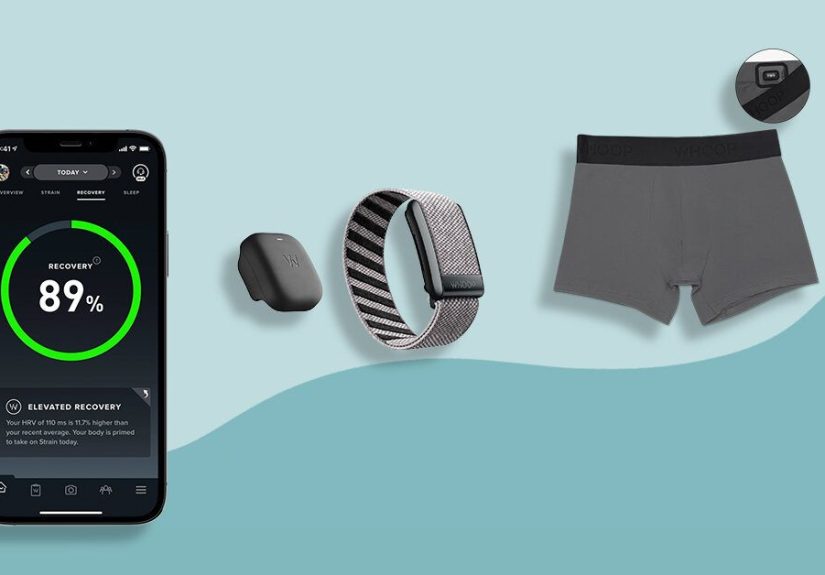
WHOOP’s Recovery score is designed to estimate how prepared your body is for physical strain today. It leans heavily on overnight signals like
heart rate variability (HRV), resting heart rate, and sleep performance, with additional inputs depending
on feature set. You’ll typically see color-coded guidance (green/yellow/red) that nudges you toward pushing hard, going moderate, or prioritizing rest.
The key thing: WHOOP is most useful when you treat Recovery as a trend tool, not a judge and jury. One low score doesn’t mean you’re
brokenit might mean you slept poorly, traveled, trained hard yesterday, or had one (1) heroic late-night burrito.
Strain Score: Not Just “Workouts,” But Total Load
WHOOP’s Strain is typically reported on a 0–21 scale, estimating how much cardiovascular and overall exertion you accumulatedboth in
workouts and throughout the day. If you do a brutal interval session, you’ll see it. If you do no workout but spend the day stressed and pacing like a
caffeinated squirrel, WHOOP may still show meaningful strain.
That can be a feature (stress counts) or an annoyance (sometimes you just want a workout score, not a life score). But it matches WHOOP’s philosophy:
your body doesn’t care whether strain came from squats or your inbox.
Sleep Coach: The Most Underrated Feature
WHOOP’s Sleep tools are often the reason people stick around. Instead of just telling you how long you slept, WHOOP estimates how much sleep you
need based on recent strain and recovery signalsand then helps you aim for it with a sleep goal and (optionally) a gentle haptic alarm.
If you’re the type who can’t stop “optimizing,” WHOOP can become a sleep accountability buddy. If you’re the type who gets anxious about numbers,
WHOOP can also become… a sleep accountability buddy who won’t stop talking.
Healthspan, Stress, and the New “Longevity” Angle
Modern WHOOP positioning has expanded from performance to longer-term health insights. Depending on your membership tier, you may get features such as:
- Healthspan-style metrics that estimate “biological age” trends and pace-of-aging concepts
- Real-time stress monitoring using physiological signals throughout the day
- Health alerts that flag unusual patterns (not medical diagnoses)
This shift makes WHOOP more interesting for non-elite athletesespecially people who want behavior feedback (sleep, alcohol, travel, stress) more than
smartwatch features.
WHOOP MG Features: ECG, Heart Signals, and Blood Pressure “Insights”
WHOOP MG introduces heart-health features that go beyond classic fitness tracking. In supported regions, WHOOP MG may offer:
- ECG-style readings (initiated in-app, typically using contact points on the clasp)
- Irregular rhythm notifications (availability varies by region and regulatory clearance)
- Blood pressure insights (often labeled as “beta” or wellness insights, with ongoing regulatory scrutiny in the U.S.)
Important reality check: these features can be helpful for awareness, but they are not a substitute for clinical care. If you’re buying WHOOP MG mainly
because you suspect a medical issue, the smarter move is still: talk to a clinician, and use wearables as supporting context.
Advanced Labs: When Your Fitness Tracker Starts Talking About Biomarkers
WHOOP has also pushed into lab integration in the U.S., letting members connect blood test results with wearable trends for a more complete health picture.
This is a big leap in concept: instead of “my sleep is bad,” you may start seeing relationships between sleep, training load, and biomarker categories.
For data-driven people, it’s fascinating. For everyone else, it might be one more reason to keep your health anxiety on a short leash.
Accuracy & Trust: How Good Is WHOOP’s Data?
Wearable accuracy is complicated because it depends on placement, skin contact, motion, and the type of activity. In general, WHOOP is widely discussed
as strong in overnight metrics (sleep, resting heart rate trends, HRV patterns) because you’re not flailing your arms around like a
inflatable tube man.
Independent research has evaluated WHOOP sleep and cardiac variables against gold-standard or reference measures, and broader wearable-comparison studies
have included earlier WHOOP models alongside devices like Apple Watch, Garmin, and Oura Ring. The honest takeaway: WHOOP can be very useful for trend
tracking and behavior feedback, but you shouldn’t treat any consumer wearable as flawlessespecially during high-motion workouts or strength training.
What WHOOP Does Better Than Most Trackers
1) It’s a “wear it and forget it” coach
No screen means no distractions. You check the app when you want the data, not when your wrist wants attention.
2) Recovery + sleep guidance is the core, and it shows
Many wearables track sleep. WHOOP uses sleep as a central lever for training decisions, which makes the insights feel more actionable.
3) Battery life is finally grown-up
Newer hardware has dramatically improved battery life compared to older WHOOP generations. If you’re trying to live the 24/7 tracking life, fewer
charging interruptions is a big deal.
4) Great for athletes who don’t want a watch
If you lift, grapple, climb, play contact sports, or just hate bulky watch faces, WHOOP’s minimalist form factor (and alternate wear options) can be a
genuine advantage.
Where WHOOP Can Drive You Nuts
1) The subscription can feel like a toll booth on your wrist
Some people love the coaching enough to pay. Others see the annual fee and immediately go shopping for a one-and-done alternative.
2) No screen means no “during workout” feedback
You’re not glancing mid-run for pace, GPS maps, or live intervals. WHOOP is built for after-the-fact insight, not “coach me on my wrist in real time.”
3) Strength training can be tricky
WHOOP’s strain model is heavily cardio-driven. Lifting days may not always “look” as intense as they feel, especially if your heart rate doesn’t spike.
WHOOP has continued to improve strength-related tracking, but this remains a common friction point.
4) More data can mean more overthinking
If you’re prone to obsessing over numbers, WHOOP can become a second job. Use it as guidance, not a daily referendum on your worth as a human.
WHOOP vs Apple Watch, Garmin, Oura, and Other Alternatives
Think of WHOOP as a specialized coach, while most competitors are general-purpose devices.
- Apple Watch: better “smartwatch life” (notifications, apps), great ecosystem; often less “recovery-first” unless you use third-party apps.
- Garmin: excellent for training metrics, GPS, endurance planning; many models offer readiness-style features without a required subscription.
- Oura Ring: strong sleep and recovery vibe in a ring form factor; can be easier to wear for some, less ideal for certain sports.
- Screenless bands (emerging category): new competitors are aiming at WHOOP’s “no screen, deep insights” nicheoften with different pricing models.
If you want performance and recovery guidance above all, WHOOP is a top contender. If you want a do-it-all device with maps, music, and notifications,
WHOOP is not your guy.
Who Should Buy WHOOP?
Buy WHOOP if you:
- Want recovery + sleep coaching more than smartwatch features
- Train frequently and want help balancing hard days with recovery days
- Prefer a discreet, screenless wearable you can ignore
- Like learning how habits (alcohol, travel, late meals) change your metrics
Skip WHOOP if you:
- Hate subscriptions with the fire of a thousand suns
- Need GPS, pace, maps, or live workout screens
- Want a “casual tracker” more than an ongoing coaching platform
- Know you’ll obsess over daily scores
Verdict: So… Is WHOOP Worth It?
WHOOP is worth it for a specific kind of person: someone who wants a quiet wearable that turns raw physiology into training and lifestyle decisions.
If you’ll actually use the insightssleep more, recover smarter, spot stress patternsit can feel like a paid coach that never cancels.
But if you primarily want workout features, smartwatch convenience, or a one-time purchase, WHOOP will feel like an expensive reminder that you once
stayed up late watching “just one more episode.”
Experiences: What Using WHOOP Can Feel Like (A 500-Word Reality Check)
Let’s talk about the human side of WHOOPbecause the first week can be an emotional journey. Not dramatic like a prestige TV finale, but dramatic
like realizing your “normal bedtime” is actually “whenever my phone dies.”
Days 1–3: The Honeymoon (and the Calibration). Early on, WHOOP is learning your baseline. You might see scores that bounce around while the
system calibrates. This is where people either relax and let the trendline form… or panic because they got a yellow Recovery and assume their body has
filed for divorce. Pro tip: don’t treat early numbers like a verdict. Treat them like a draft.
Week 1: The “Oh… That’s Why I’m Tired” Moment. Many users report the first real “aha” comes from sleep. WHOOP doesn’t just show you hours;
it connects sleep to how your body performed the next day. You start noticing patterns: a couple drinks can dent recovery; late meals can mess with sleep;
travel can make your metrics look like they got hit by jet lag and feelings.
Training Days: WHOOP Becomes a Negotiator. You wake up green and feel like a superheroWHOOP suggests a higher strain target, and suddenly
your workout has a mission. Then you wake up red, and WHOOP basically says, “Today we practice the ancient art of not making it worse.” Some people love
this guardrail because it reduces overtraining. Others feel personally attacked by a fabric band. (Both are valid.)
The ‘No Screen’ Lifestyle: Surprisingly Peaceful. One of the most common experiences is realizing how much mental space you get back when a
wearable stops pinging you. You check the app when you want to, not when your wrist feels needy. Over time, this can make WHOOP feel less like a gadget
and more like background infrastructurelike a thermostat for your training.
Longer-Term Use: Trends Beat Daily Drama. The most satisfied WHOOP users tend to do two things: (1) focus on weekly and monthly patterns,
and (2) use the journal-style habit tracking to test cause and effect. Instead of “I’m a 42% Recovery person,” it becomes “When I sleep 45 minutes longer,
my week looks better,” or “When I do hard intervals back-to-back, my HRV trend drops.” It turns health into experimentsnot guilt.
The Final Vibe: WHOOP is best when it’s a coach, not a critic. Used well, it nudges smarter decisions. Used poorly, it turns you into a
person who says, “Sorry, I can’t go outmy wearable says I’m yellow.” Don’t be that person. Unless it’s Monday. Then honestly? Respect.