Table of Contents >> Show >> Hide
- The short answer: British Columbia, Canadamostly near Vancouver
- Hope Valley’s “main street” is a purpose-built set at MacInnes Farms (Langley, B.C.)
- What you’re seeing on screen: key set locations inside “Hope Valley”
- Other filming locations: “When Calls the Heart” also uses Vancouver-area buildings
- Is Hope Valley a real place?
- Can you visit the “When Calls the Heart” filming location?
- Why the show films in Canada when it feels so “American frontier”
- Quick filming-location checklist for curious fans
- 500+ words of “experience” content: what it feels like to chase Hope Valley in real life
- Conclusion
Hope Valley is the kind of town that makes you want to move somewhere with a general store, a comforting bakery smell, and neighbors who would absolutely help you rebuild your barn before dinner. The twist? Hope Valley doesn’t exist on a mapat least not as a real town. But the places that bring it to life are very real… and very visitable (with a few asterisks and a good plan).
So where is “When Calls the Heart” filmed? Let’s pull back the curtain (gentlythis is Hallmark, we don’t slam doors) and walk through the real-world locations that create the show’s signature small-town magic.
The short answer: British Columbia, Canadamostly near Vancouver
Although the series feels like a classic “American frontier” story, the production is based in British Columbia, filming in and around the Vancouver area. That’s not unusual: the region is a major TV-and-film hub with deep crews, studios, and production infrastructure, plus incentives that keep cameras rolling year after year.
But the real star of the location story isn’t a big city street. It’s a working farm that doubles as the show’s iconic town set.
Hope Valley’s “main street” is a purpose-built set at MacInnes Farms (Langley, B.C.)
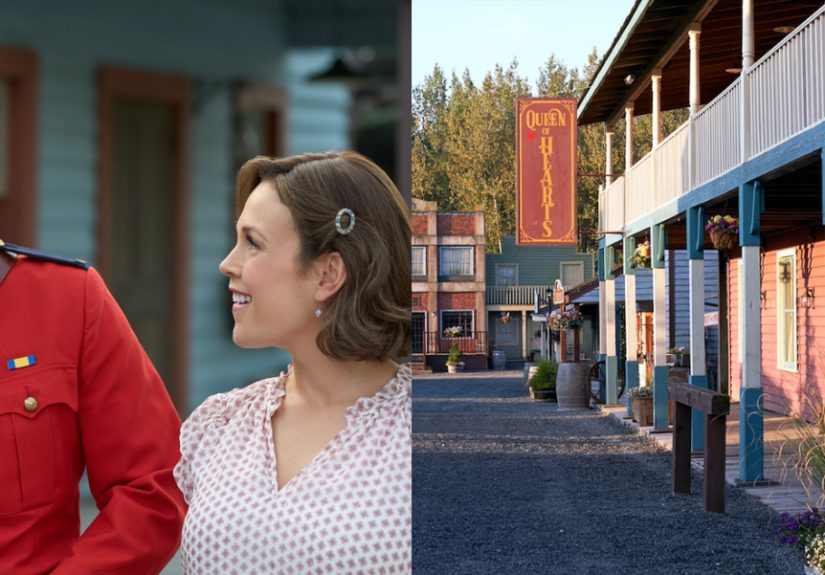
The heart of the showthose familiar storefronts, the walkable streets, and the “I’ll meet you at the saloon in five” geographycomes from the Jamestown Movie Set, built on MacInnes Farms in Langley, about an hour from Vancouver depending on traffic (and whether you got stuck behind someone driving like they’re auditioning for a slow-motion nostalgia montage).
What makes this location perfect for “When Calls the Heart”?
Consistency. A long-running series needs a home base that can be controlled, redressed, upgraded, and returned to every season. A dedicated town set means the production can change signage, add period details, refresh facades, and evolve the look of Hope Valley without reinventing the wheel every episode.
Space. MacInnes Farms describes itself as a large property built for both farming and filmingbig enough to support crews, equipment, and multiple “zones” of story without constantly hopping locations.
Believability. A town set feels more authentic when it’s surrounded by real landscape instead of a parking lot and a craft-services tent. Wide shots read as “frontier,” not “backlot.” (Even if there is a craft-services tent. There is always a craft-services tent.)
Is the set “just facades,” or are there real interiors?
One reason the show looks so lived-in is that the town isn’t just a row of fake storefronts. MacInnes Farms describes its built environment as a full-size town with multiple buildings and filmable interiors, designed for productions that need more than a quick exterior shot.
That’s also why Hope Valley can feel like a real place: characters can walk from one building to another in a way that makes sense, and scenes can flow naturallywithout the “teleportation editing” you sometimes notice in shows that piece together locations from ten different neighborhoods.
What you’re seeing on screen: key set locations inside “Hope Valley”
If you’ve watched for more than five minutes, you’ve noticed that the show has a core “town map” it returns tolike a cozy board game where every square is either “community bonding” or “mild romantic tension.” Many of these familiar spots are part of the Hope Valley set tour material released by Hallmark.
Typical on-set landmarks viewers recognize
- The saloon (aka the unofficial town hall for heartfelt conversations)
- The jail (surprisingly busy for such a wholesome town)
- Shops and storefronts that anchor the main street look
- Community gathering spaces where Hope Valley does what it does best: show up for each other
Because it’s a standing set, these spaces can be reworked from season to seasonnew signs, different props, refreshed paint, and period touches that keep the town evolving along with the storylines.
Other filming locations: “When Calls the Heart” also uses Vancouver-area buildings
While the farm set is the show’s foundation, productions often mix in real buildings to add textureespecially for interiors that need grandeur, history, or a different architectural vibe than a frontier town can realistically provide.
The Thatcher home connection: Hycroft / University Women’s Club of Vancouver
A fun “behind-the-scenes” detail for longtime fans: production notes have identified the University Women’s Club of Vancouver (Hycroft Manor) as a filming location used for the Thatcher home. It’s a striking historic building that brings instant old-world eleganceperfect when the story needs a setting that signals “wealthy family back east” energy.
Why Vancouver and the Fraser Valley work so well on camera
Vancouver isn’t nicknamed “Hollywood North” for nothing. The region supports frequent TV production, with professional crews, soundstages, and services that make it easier for a long-running show to keep a steady pace. For series like this, that reliability is a superpower: it helps keep schedules predictable and costs manageable while maintaining a consistent visual style.
Is Hope Valley a real place?
Nobut it’s not “made up out of thin air,” either. Hope Valley is a fictional town built from real physical places: a dedicated set on a farm, plus selected buildings and landscapes around the Vancouver region. That blend is exactly what makes it feel believable: the show has a controlled “town,” but it can still borrow authentic surroundings when it needs extra realism.
If you’ve ever wondered why Hope Valley looks so cohesive (like a town planner got really into cozy aesthetics), that’s the advantage of filming around a standing set. The show can create a consistent sense of geography that viewers learnalmost like you could give someone directions: “Go past the storefronts, turn left at the saloon, and stop when you find someone giving heartfelt advice.”
Can you visit the “When Calls the Heart” filming location?
Sometimes, yesand this is where “Hearties” start checking flight prices and texting their group chat. MacInnes Farms has offered set-area tours that describe an experience beginning at the farm’s brewery and traveling through the property toward the Hope Valley set. Their tour information has included both private and group options, with details like golf-cart transport, some light walking, and pricing that varies by tour type and group size.
Important reality check: tour availability can change based on the filming calendar. The farm’s posted tour updates have noted that tours may pause during filming periods (so always verify current availability before planning a trip).
What to expect if tours are available
- A guided experience (this is not a “wander the set anytime” situation)
- Set exteriors and photo-friendly angles that feel like stepping into the show
- A working property where filming and farm operations shape what’s accessible
- Seasonal scheduling depending on production needs
Why the show films in Canada when it feels so “American frontier”
From a storytelling standpoint, the show’s setting is a stylized frontier community. From a production standpoint, British Columbia offers a rare combination of:
- Landscapes that can read as “frontier” with the right set dressing
- Established production infrastructure around Vancouver
- Film and TV tax credit programs that support eligible productions in the province
Translation: it’s one of the most practical places on the continent to build a long-term television “home,” especially for a period drama that needs dependable locations and consistent control over its look.
Quick filming-location checklist for curious fans
- Main set (Hope Valley): Jamestown Movie Set on MacInnes Farms in Langley, B.C.
- Wider production region: Greater Vancouver / Fraser Valley area
- Notable building used for select scenes: University Women’s Club of Vancouver (Hycroft Manor) connected to the Thatcher home
- Visiting possibility: Tours have been offered, but schedules depend on filming seasons
500+ words of “experience” content: what it feels like to chase Hope Valley in real life
Even if you’ve never called yourself a “film-location traveler,” When Calls the Heart has a sneaky way of turning people into one. It starts innocently: you look up a behind-the-scenes photo, then a map, then you’re suddenly saying things like, “Okay, but how far is Langley from the airport?” like this is a totally normal Tuesday.
If you build a trip around the show, the experience is less about “checking off a set” and more about stepping into a mood. The drive out from Vancouver toward Langley is part of the charm: city edges fade, trees show off, and the Fraser Valley vibe starts to feel a little like Hope Valley’s real-world cousinless “frontier drama,” more “fresh air and wide skies.”
If tours are running, the best part is the slow reveal. You don’t just arrive in Hope Valley like a character edit-cutting into town; you ease into it. The tour descriptions have mentioned starting at the farm’s brewery, which feels like the modern-day version of an old-town gathering place: people chatting, taking photos, sharing “Wait, is that the building?” energy, and generally behaving like joy is a perfectly reasonable travel goal. Then you roll toward the set area andbamyour brain does the thing where it tries to overlay scenes from the show onto the buildings in front of you. That’s when the place really clicks.
What surprises many visitors (based on typical set-tour expectations) is how “real” a purpose-built town can feel when it’s designed for filming over many years. Even if you know it’s a set, the streets can still feel like a place where people could livebecause the layout is consistent, the architecture is cohesive, and the surrounding landscape does half the storytelling. It’s the opposite of the “theme park façade” feeling. You’re not just staring at a wall painted to look like a store; you’re standing in a little ecosystem that a production has carefully maintained.
Of course, the most Hallmark part of the whole experience is the unplanned stuff: the moment you spot a familiar angle and everyone politely waits their turn for photos; the stranger who becomes your temporary best friend because you both know exactly which episode featured that doorway; the sudden drizzle that makes everything look like a soft-focus memory. (Yes, British Columbia weather can be dramatic. Fortunately, it’s the wholesome kind of dramatic.)
And if tours aren’t availablebecause filming schedules are the real mayor of Hope Valleyyou can still build a satisfying “Heartie weekend” by leaning into the region. Wander historic-feeling streets, explore small-town cafés, and treat the whole trip like a scavenger hunt for the show’s aesthetic: cozy storefronts, pretty sidewalks, wood-and-brick textures, and scenic views that look like they belong behind a gentle voiceover about community.
Ultimately, visiting the filming region isn’t just about proving the town exists. It’s about getting a fresh appreciation for how much work goes into making a fictional place feel like home. You come back with photos, surebut also with a new understanding of the show’s superpower: it creates comfort. And it turns out comfort can be a destination.
Conclusion
“When Calls the Heart” is filmed primarily in British Columbia, with the town of Hope Valley brought to life on the Jamestown Movie Set at MacInnes Farms in Langley, plus additional Vancouver-area locations that add architectural variety and realism. Whether you’re here for behind-the-scenes trivia or planning a full-on Hope Valley pilgrimage, the takeaway is simple: the town may be fictional, but the place that creates it is realand that’s a little bit of TV magic you can actually put on a map.