Table of Contents >> Show >> Hide
- The Banana Scent Mystery: What You’re Really Extracting
- Before You Start: Safety and Realism Check
- Step 1: Choose and Prep Your Banana Peelings
- Method 1: Oil Infusion (Best for Balms, Scrubs, and “Soft” Scent)
- Method 2: Glycerin Extraction (Alcohol-Free, Great for Linen Spray)
- Method 3: Enfleurage-Style Fat Capture (Old-School, Surprisingly Effective)
- Method 4: Steam Distillation (For the Science-Lab Vibes)
- Making Your Banana Extract Smell Better: Blending Like a Human, Not a Candle Aisle
- Troubleshooting: When Your “Banana Scent” Goes Off-Script
- Storage and Shelf Life: Don’t Let Your Extract Become a Biology Project
- What Can You Do With Banana Peel Scent, Anyway?
- Hands-On “Experience” Notes: What People Notice When They Actually Try This
- Final Thoughts
Banana peels are one of the great kitchen plot twists: they look like trash, smell like “maybe dessert,” and somehow end up
in smoothies, compost bins, and DIY hacks all over the internet. But can you actually extract the scent from banana
peelings and save it for laterlike a tiny jar of tropical nostalgia?
Yes… with a big, friendly asterisk. Banana aroma is made of volatile (quick-to-evaporate) compounds that love to disappear
the moment you try to “capture” them. So the real goal is to trap those aroma molecules in something that
holds onto themlike oil, glycerin, fat, or distilled waterthen use that scented base in sprays, balms, or sachets.
This guide walks you through several realistic, safer-at-home methodswhat works, what’s hype, and how to keep your banana
project smelling like a fruity treat instead of a science fair accident.
The Banana Scent Mystery: What You’re Really Extracting
The star of the show: “banana-like” esters
The classic “banana smell” most people recognize is strongly linked to fruity ester compoundsespecially one often described
as having a banana odor. Your peel contains some of these volatiles, and the amount changes with ripeness, handling, and
time. Translation: a just-ripe peel can smell pleasantly sweet, while an overripe peel can drift into “fermenty” territory fast.
Why banana peel scent is tricky to bottle
Banana aroma molecules are lightweight and eager to evaporate. Heat can help release them, but too much heat can also
drive them off into the air (where they belong… if your goal is to perfume your whole kitchen). The best DIY approaches
are the ones that release aroma gently and immediately “catch” it in a carrier.
Before You Start: Safety and Realism Check
Set the right expectation
Don’t expect a powerful “banana essential oil” the way you might think of peppermint or lavender. Banana peels are not known
for yielding a strong essential oil at home. Most DIY results are subtlemore like a soft banana note you can
layer into a blend than a stand-alone fragrance that announces itself from across the room.
Patch-test anything you put on skin
“Natural” doesn’t automatically mean gentle. Plant-derived aromatic materials can irritate skin or trigger reactions in some
people. If you plan to use your extract in a balm or body product, do a patch test on a small area first and wait 24 hours.
Skip harsh solvents and risky shortcuts
Avoid using industrial solvents, denatured alcohol, or isopropyl alcohol for fragrance extraction. They introduce safety hazards,
unpleasant odors, and (in some cases) toxic additives. This article sticks to safer, common household approaches.
Step 1: Choose and Prep Your Banana Peelings
Pick peels that smell good right now
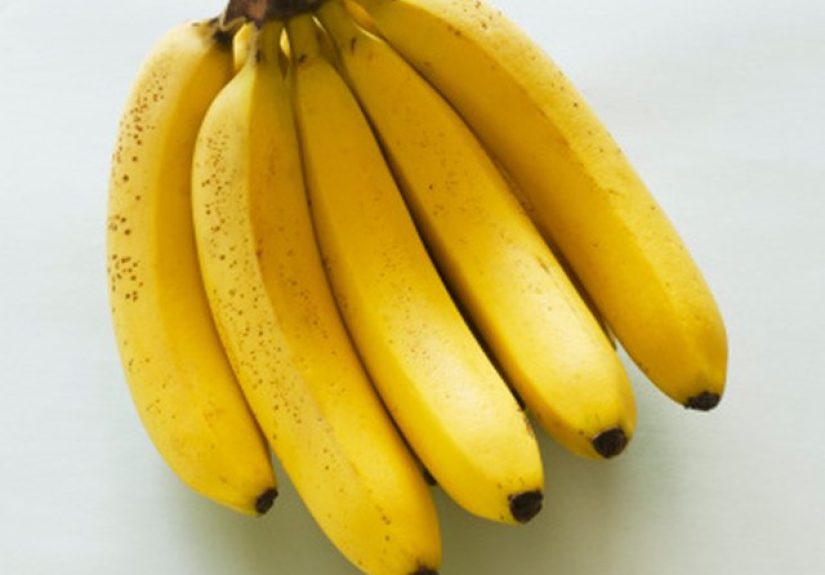
- Best: Yellow peels with a few brown freckles (sweet, “banana-bread-y”)
- Okay: Fully yellow (milder aroma)
- Skip: Very dark, slimy, or strongly fermented peels (you’ll trap the wrong notes)
Wash, then dry
Rinse peels under cool water and gently rub the surface to remove residue. Pat dry. Water clinging to the peel can dilute
your carrier and speed spoilageespecially in oil-based methods.
Increase surface area
Use clean scissors or a knife to cut the peel into thin strips. More surface area = more aroma contact with your carrier.
Method 1: Oil Infusion (Best for Balms, Scrubs, and “Soft” Scent)
Oils are great aroma “magnets” for many plant compounds. While banana peel scent is delicate, a careful infusion can capture a
warm, sweet banana note you can use in body products (or even candles, if you’re into that sort of chaos).
What you’ll need
- Dried or well-patted banana peel strips
- A neutral carrier oil (fractionated coconut oil, jojoba, grapeseed, or sweet almond oil)
- A clean glass jar with lid
- Fine strainer or cheesecloth
How to do it (gentle version)
- Fill a jar about halfway with peel strips.
- Cover completely with oil. Make sure no peel bits float above the surface.
- Seal and store in a cool, dark place for 3–7 days. Shake gently once a day.
- Strain. If the scent is too light, repeat with fresh peel strips for a second infusion (“double infusion”).
How to use your banana-scented oil
- Perfume balm: Mix with melted beeswax (about 1 part wax to 4 parts oil) and let set.
- Sugar scrub: Combine with sugar and a pinch of salt; use quickly and store cool.
- Hair oil (tiny amount): Warm a drop between palms and smooth ends only.
Storage tip: Oil infusions can spoil or go rancid. Keep it in a small bottle, away from heat and sunlight, and
consider refrigeration if you won’t use it within a few weeks.
Method 2: Glycerin Extraction (Alcohol-Free, Great for Linen Spray)
Vegetable glycerin is sweet, thick, and good at holding onto certain plant constituents. A glycerin-based extract won’t be as
“perfumey” as commercial fragrancethink gentle banana warmth rather than candy-banana punchbut it’s a solid DIY option.
What you’ll need
- Vegetable glycerin
- Clean water
- Banana peel strips
- Jar with lid
- Strainer
How to do it
- Mix 3 parts glycerin with 1 part water (this helps extraction).
- Add peel strips to the jar, then pour in the glycerin mix until everything is submerged.
- Seal and store away from sunlight for 1–2 weeks, shaking gently every day or two.
- Strain thoroughly. If you want it clearer, strain twice.
Easy uses
- Linen spray: Mix a small amount of glycerin extract into distilled water in a spray bottle. Shake before each use.
- Scented drawer wipe: Add a little to water, dampen a cloth, wipe, and let dry.
Note: Because this contains water, it can spoil. Make small batches, store cool, and discard if it smells “off,”
looks cloudy in a suspicious way, or grows anything that looks like it wants its own ZIP code.
Method 3: Enfleurage-Style Fat Capture (Old-School, Surprisingly Effective)
Enfleurage is a traditional perfumery technique that uses fat as a scent “collector.” While it’s historically used for flowers,
the same logic can work for banana peel aroma: fat absorbs aromatic molecules, and you end up with a scented “pomade” you can use
as a solid fragrance base.
What you’ll need
- Odorless solid fat (coconut oil that’s solid at room temp, or plain shea butter)
- Shallow dish or small jar
- Banana peel strips
How to do it
- Spread a layer of fat in a dish (about 1/4–1/2 inch thick).
- Press fresh peel strips onto the fat surface (inner side down often smells stronger).
- Cover loosely and let it sit in a cool place for 24 hours.
- Remove old peels and replace with fresh ones. Repeat 3–5 cycles for stronger scent.
- Scrape the scented fat into a jar and store cool.
What it’s good for
- Solid perfume base (use as-is or mix with a tiny amount of beeswax)
- Adding a banana note to unscented body butter
This method is slower, but it avoids harsh heat and can preserve delicate “fresh” notes better than a simmer-based approach.
Method 4: Steam Distillation (For the Science-Lab Vibes)
Steam distillation is a classic way to extract volatile, hydrophobic plant compounds. In a lab or professional setup, it’s widely used
for many essential oils. For banana peelings, the realistic at-home target is usually a lightly scented hydrosol
(aromatic water), not a big bottle of essential oil.
How it works (high-level)
Steam passes through plant material, carrying volatile compounds. The vapor condenses back into liquid, and you collect the distillate.
For many plants, an oil layer separates; for banana peels, the “oil” yield is typically tiny, while the water may retain a faint aroma.
Tips for better results
- Use peels that smell sweet (not fermented).
- Keep heat controlledsteady steam, not violent boiling.
- Work in small batches and smell-test each run.
- Store hydrosol refrigerated and use quickly.
Safety note: Hot steam and glassware can cause burns or breakage. If you’re not comfortable with heated setups, use the oil,
glycerin, or fat methods instead.
Making Your Banana Extract Smell Better: Blending Like a Human, Not a Candle Aisle
Banana peel scent on its own can be shy. Blending helps it read as “banana dessert” instead of “banana compost.” A good blend gives your banana
note a supporting cast:
Blend ideas that play nicely
- Vanilla + banana: Warm, bakery-like (think banana bread).
- Citrus zest vibe: Brightens the top notes (lemony freshness without screaming).
- Spice hint: Cinnamon or clove-inspired notes can make it cozy.
- Soft florals: A tiny floral touch can make banana smell more “perfume” than “snack.”
If you use essential oils in blends, keep them very dilute and remember: some plant oils can irritate skin, and some can make skin more sensitive to sunlight.
When in doubt, keep it simple and use the banana infusion as a background note.
Troubleshooting: When Your “Banana Scent” Goes Off-Script
Problem: It smells sour or boozy
The peels were too far gone, or the extraction sat too warm. Start over with fresher peels, shorten the soak time, and store cooler.
Problem: It smells like… nothing
Totally normal. Banana peel aroma can be faint. Try:
- Using riper (but not rotten) peels
- Cutting peels thinner
- Doing a second infusion with fresh peels
- Switching from glycerin to oil or fat capture for better “hold”
Problem: It smells “green” or bitter
Under-ripe peels can lean grassy. Use peels with a few brown speckles and avoid the very tip and stem areas if they smell sharp.
Storage and Shelf Life: Don’t Let Your Extract Become a Biology Project
- Oil infusions: Best used within a few weeks; store cool and dark; discard if rancid.
- Glycerin extracts: More stable than plain water infusions, but still watch for spoilage; store cool.
- Enfleurage fats: Store in a cool spot; use clean fingers or a spatula to avoid contamination.
- Hydrosols (distilled water): Refrigerate and use quickly.
What Can You Do With Banana Peel Scent, Anyway?
Once you’ve captured even a gentle banana note, you can use it in surprisingly fun ways:
- Solid perfume balm (banana + vanilla = cozy)
- Hair and body butter (a faint, warm sweetness)
- Linen spray (banana “clean cozy” is a thingtry it once)
- Scented sachets (dry peels, then pair with vanilla-scented cotton or a cinnamon stick)
- Candle scent experiments (use infused oil carefully and in tiny amounts)
Hands-On “Experience” Notes: What People Notice When They Actually Try This
Here’s the part nobody tells you until you’re already standing over a jar of banana peel strips wondering where your life went wrong.
Real-world DIY scent extraction is less like a perfume commercial and more like a friendly negotiation with chemistry.
First, most people learn that ripeness is everything. A peel that smells amazing when you toss it in the trash can be
oddly quiet once you seal it into a jarespecially if it was too fresh. Many DIYers end up chasing the “freckled banana” sweet spot:
yellow peels with brown speckles. Those peels often give a warmer, dessert-like aroma that reads as “banana” instead of “plant.”
Second, there’s the “banana-to-not-banana” clock. Banana peels change fast. If your room is warm, your peel aroma can drift from sweet to
fermented in a short time. People who get the best results tend to work quickly: prep peels, start the infusion the same day, and store it
cooler rather than letting the jar hang out on a sunny counter like it’s on vacation.
Third, the carrier you choose changes the scent personality. Oil infusions often smell rounder and “baked,” like banana bread
without the bread. Glycerin can pull a sweet note but sometimes feels more like a soft banana syrup vibe. Fat capture (enfleurage-style) tends
to keep the scent smoother and less sharp, which is why people who want a wearable balm often prefer iteven though it’s slower.
Fourth, beginners usually discover the power of double infusion. If the first batch smells weak, re-infusing the same carrier
with a fresh round of peel strips can noticeably boost the aroma. It’s like steeping tea twiceexcept you’re steeping “banana vibes” into oil.
Fifth, almost everyone ends up blending. Pure banana peel scent can be shy or oddly “green” depending on the peel. Adding a warm companion note
(like a vanilla-like scent profile) often makes the banana read more clearly to the nose. A tiny touch of spice-like warmth can turn it into a
cozy “kitchen comfort” scent. And a bright, citrusy top note can help it feel fresherespecially if the banana note leans heavy.
Finally, people learn that the win isn’t always “I made perfume.” Sometimes the win is smaller and still delightful: a banana-scented balm that
makes your hands smell like a bakery for 20 minutes, or a linen spray that gives your pillow a soft sweetness. If you go into the project aiming
for a gentle banana note you can layer, you’ll enjoy the process a lot moreand you’ll be less tempted to do anything sketchy in the name
of “stronger scent.” (Your future self, and your kitchen, will thank you.)
Final Thoughts
Extracting scent from banana peelings is absolutely possibleif you treat it like capturing a delicate aroma, not manufacturing a powerhouse
essential oil. Oil infusion, glycerin extraction, and enfleurage-style fat capture are the most realistic DIY paths for a pleasant, usable banana note.
Steam distillation can be fun if you already have safe equipment, but expect a faint hydrosol rather than dramatic yields.
Start with peels that smell sweet, keep your process clean, store your extracts cool, and blend thoughtfully. Banana scent is a soft-spoken guestgive it
a comfy chair, and it will actually stay for a while.