Table of Contents >> Show >> Hide
- What Is Health Anxiety?
- When Normal Concern Becomes a Problem
- The Health Anxiety Cycle: Why Reassurance Stops Working
- Common Triggers of Health Anxiety
- Health Anxiety vs. Taking Real Symptoms Seriously
- How Health Anxiety Affects Daily Life
- What Helps When Health Anxiety Feels Bigger Than You
- What Not to Say to Someone With Health Anxiety
- When to Seek Professional Help
- Personal Experiences: What Health Anxiety Can Feel Like From the Inside
- Conclusion: You Can Care About Your Health Without Being Ruled by Fear
Everyone has Googled a weird symptom at least once. A headache becomes a brain tumor. A stomach cramp becomes something with a Latin name. A tiny muscle twitch suddenly feels like breaking news from your nervous system. For most people, the worry passes after a reasonable check-in, a good night’s sleep, or a doctor’s visit. But when health anxiety takes over your life, the worry does not clock out. It moves in, rearranges the furniture, and starts running the household.
Health anxiety, often connected with illness anxiety disorder, is more than simply caring about your health. It is a pattern of intense fear that you have, or will soon develop, a serious illnesseven when medical evaluation does not point to that conclusion. The body becomes a mystery novel, every sensation becomes a clue, and the mind keeps whispering, “What if this is the one time something is really wrong?”
The good news is that health anxiety is treatable. You are not “dramatic,” “crazy,” or “just looking for attention.” You are caught in a very human loop: fear, checking, temporary relief, and then more fear. Understanding that loop is the first step toward taking your life back.
What Is Health Anxiety?
Health anxiety is excessive worry about illness, symptoms, medical results, or the possibility of becoming sick. Some people focus on one feared condition, such as cancer, heart disease, neurological disease, or an infection. Others bounce from one concern to the next, depending on what they feel in their body, read online, or hear from someone else.
In illness anxiety disorder, a person may have few or no physical symptoms, but the fear feels powerful and convincing. A normal heartbeat, a mild ache, a skin mark, or a moment of dizziness can become the starting point for hours of worry. Some people repeatedly seek medical reassurance. Others avoid doctors because they are terrified of what might be found. Both patterns can come from the same root: fear of uncertainty.
When Normal Concern Becomes a Problem
It is healthy to pay attention to your body. It is smart to schedule checkups, follow medical advice, and seek care when symptoms are new, severe, persistent, or concerning. Health anxiety becomes a problem when worry starts to steal your time, attention, relationships, money, sleep, and peace.
Signs Health Anxiety May Be Taking Over
You may be dealing with health anxiety if you often:
- Scan your body for symptoms throughout the day.
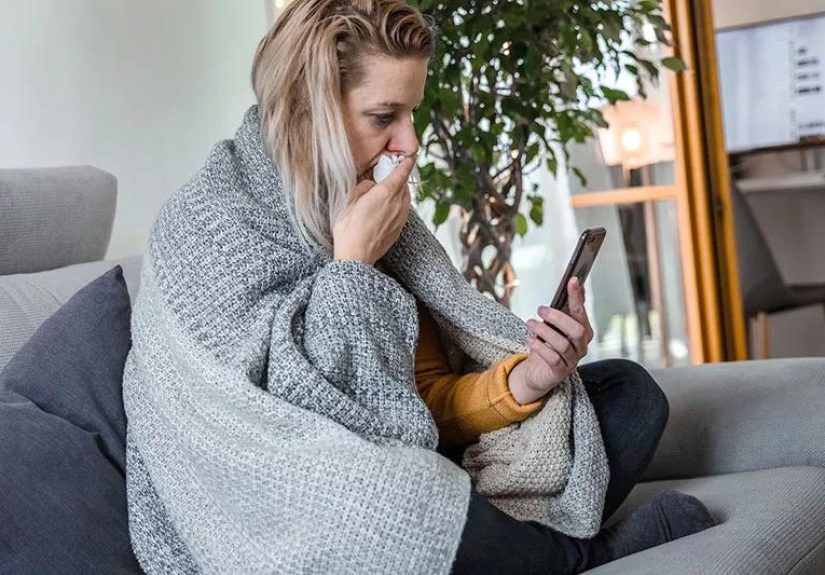
- Google symptoms repeatedly, even though it makes you feel worse.
- Check your pulse, blood pressure, skin, breathing, temperature, or pain levels again and again.
- Ask friends, family, or doctors for reassurance, but only feel calm for a short time.
- Avoid medical appointments, hospitals, health articles, or people who are sick.
- Struggle to focus at school, work, or social events because your mind is busy monitoring your body.
- Feel trapped in a cycle of “I know I should stop checking, but I need to be sure.”
The cruel joke of health anxiety is that checking often feels responsible. You think, “I am just being careful.” But if checking gives you only five minutes of peace before the next fear arrives wearing a new hat, it may be feeding the anxiety rather than solving it.
The Health Anxiety Cycle: Why Reassurance Stops Working
Health anxiety usually runs on a loop. First, you notice a sensation: a skipped heartbeat, a headache, a stomach bubble, a tingle, a cough, or fatigue. Next, your mind gives that sensation a scary meaning: “This could be serious.” Then anxiety rises, and the body reacts. Your heart may beat faster, your muscles may tighten, your breathing may change, and your stomach may churn.
Now the body feels even more suspicious. So you check, search, ask, compare, test, or avoid. At first, you feel relief. The article says it is probably nothing. Your friend says you are fine. The doctor says the test is normal. But the anxious brain is not satisfied for long. Soon it asks, “What if they missed something?”
That is the trap. Reassurance can be useful in normal amounts, especially from a qualified medical professional. But repeated reassurance seeking can train the brain to believe uncertainty is dangerous. Instead of learning, “I can handle this uncomfortable feeling,” the brain learns, “I must check again to survive.” Anxiety is a very demanding boss, and it never approves vacation requests.
Common Triggers of Health Anxiety
Health anxiety can appear gradually or suddenly. Sometimes it begins after a real illness, a frightening diagnosis in the family, a medical scare, a pandemic, the loss of a loved one, or a stressful season of life. For some people, it is tied to a long-standing anxiety pattern. For others, it shows up after one intense experience and refuses to leave.
Digital Triggers
The internet is a wonderful tool when used wisely. It is also a panic vending machine when you are anxious. Symptom searches often show worst-case scenarios because serious conditions are heavily discussed online. Search engines do not know whether your headache came from dehydration, stress, too much screen time, or something rare. They simply serve information, and anxiety eats the scariest item on the menu.
Body Sensation Triggers
The human body is noisy. It gurgles, pulses, twitches, itches, aches, sweats, flushes, and occasionally produces a sound you hope nobody else heard. Most sensations are harmless and temporary. But health anxiety makes ordinary body noise feel like an alarm system.
Life Stress Triggers
When you are tired, overwhelmed, lonely, or under pressure, your nervous system becomes more reactive. Health anxiety often spikes during exams, work deadlines, family conflict, big transitions, or poor sleep. The body may be asking for rest, but anxiety translates the message into “medical emergency.” Rude translator, honestly.
Health Anxiety vs. Taking Real Symptoms Seriously
A major fear for people with health anxiety is: “What if I ignore something important?” That fear deserves respect. The goal is not to dismiss your body. The goal is to respond wisely instead of react fearfully.
A balanced approach looks like this: notice the symptom, consider whether it is urgent, follow reasonable medical guidance, and then stop feeding the anxiety loop. New, severe, sudden, or worsening symptoms should be discussed with a healthcare provider. But once you have received appropriate evaluation and advice, the recovery work often becomes learning how to live without constant checking.
Health anxiety recovery does not mean never going to the doctor. It means not using doctors, tests, search engines, or loved ones as anxiety-control buttons every time uncertainty appears.
How Health Anxiety Affects Daily Life
When health anxiety takes over, life gets smaller. You may cancel plans because you feel “off.” You may avoid exercise because a faster heartbeat scares you. You may stop watching medical scenes on TV, skip social events, or spend your evenings reading forums instead of resting. Relationships can become strained because loved ones may not understand why reassurance never seems to stick.
Work and school can suffer too. It is hard to focus on a meeting, assignment, or conversation when your brain is running a private medical investigation in the background. Even joyful moments can feel interrupted. You are laughing with friends, then suddenly checking whether that chest sensation is still there. Health anxiety does not just create fear of illness; it steals attention from the life happening right in front of you.
What Helps When Health Anxiety Feels Bigger Than You
Health anxiety can improve with the right support and consistent practice. The most helpful strategies usually focus on changing the relationship with uncertainty, reducing compulsive checking, and calming the nervous system without turning life into one long safety ritual.
1. Work With a Healthcare Provider You Trust
If symptoms are new or concerning, medical evaluation matters. A steady relationship with a primary care clinician can be especially helpful. Instead of bouncing between urgent care visits, online forums, and late-night panic searches, you can create a reasonable plan: what to monitor, when to seek care, and when to practice letting the worry pass.
This does not mean a doctor should run endless tests on demand. In fact, too much testing can sometimes keep health anxiety alive. A good care plan balances medical responsibility with anxiety recovery.
2. Consider Cognitive Behavioral Therapy
Cognitive behavioral therapy, or CBT, is one of the best-supported approaches for health anxiety and anxiety disorders. CBT helps you identify scary interpretations, test unhelpful thought patterns, and change behaviors that keep anxiety going. It may include learning to reduce reassurance seeking, tolerate uncertainty, and gradually face feared sensations or situations safely.
For example, instead of checking your pulse ten times after climbing stairs, a CBT plan might help you notice the urge, label it as anxiety, delay checking, and let your body settle naturally. Over time, your brain learns that a racing heart can be uncomfortable without being dangerous.
3. Reduce Symptom Googling
For health anxiety, symptom Googling is often gasoline in a glittery little can. It feels useful, but it usually increases doubt. Try setting a rule: no symptom searches outside of a planned conversation with a healthcare professional. If that feels impossible, start smaller. Delay the search by ten minutes, then twenty, then an hour. Use the delay to breathe, walk, shower, journal, or do something that brings you back to real life.
4. Practice “Maybe, Maybe Not” Thinking
Anxious thoughts demand certainty: “Tell me right now that I am definitely okay forever.” Unfortunately, life does not offer that kind of warranty. A more helpful response is: “Maybe this sensation means something, maybe it does not. I can follow my medical plan and let this moment pass.”
This is not denial. It is a refusal to argue with every frightening thought as if it were a court summons. You can acknowledge uncertainty without turning your entire day into a trial.
5. Calm the Body Without Checking the Body
Relaxation techniques can help lower general stress, but the intention matters. Deep breathing, stretching, meditation, walking, and progressive muscle relaxation are useful when they help you care for your nervous system. They become less helpful if you use them as a desperate test to prove you are not sick.
Try saying, “I am doing this because my body deserves care,” not “I am doing this to make sure nothing is wrong.” That tiny shift matters.
6. Build a Life Larger Than the Worry
Health anxiety thrives when your world shrinks. Recovery often requires gently expanding life again: seeing friends, moving your body, working on goals, creating routines, laughing, learning, cooking, playing music, or doing anything that reminds you that you are more than a collection of symptoms.
Do not wait until you feel perfectly calm to live. Confidence often comes after action, not before it.
What Not to Say to Someone With Health Anxiety
If someone you love has health anxiety, “Stop worrying” is probably not going to earn you a trophy. They would stop if it were that easy. Better responses include: “That sounds really scary,” “Have you followed the plan you made with your doctor or therapist?” and “I care about you, but I do not want to feed the reassurance cycle.”
Support does not mean answering the same fear 37 times. It means encouraging healthy coping, professional help, and compassionate boundaries. You can be kind without becoming anxiety’s unpaid assistant.
When to Seek Professional Help
Consider reaching out to a mental health professional if health worries interfere with daily life, relationships, school, work, sleep, or your ability to enjoy normal activities. Help is especially important if anxiety leads to repeated medical visits, avoidance of necessary care, panic attacks, depression, or feeling unable to function.
A therapist who understands anxiety disorders, CBT, exposure-based strategies, or health anxiety can help you build a practical recovery plan. In some cases, a healthcare provider may also discuss medication options, especially when anxiety is severe, persistent, or connected with other mental health conditions.
Personal Experiences: What Health Anxiety Can Feel Like From the Inside
Imagine waking up and noticing a dull ache near your ribs. Most people might stretch, drink water, and move on. But when health anxiety is in charge, that small ache can become the opening scene of a mental disaster movie. You try to ignore it, but your attention snaps back every few seconds. Is it still there? Is it sharper? Is it on the left side? Did you read something about this last month?
Then comes the negotiation. “I will search just once.” One search becomes six tabs. Six tabs become a forum from 2012 written by someone named DragonFruit99, who may or may not have gone to medical school in a dream. Now you are more frightened than before. You check your body again, hoping for comfort, but checking makes the sensation feel louder. By lunch, you are exhausted, distracted, and convinced nobody understands.
Another common experience is the reassurance roller coaster. You tell a friend, “I think something is wrong.” They say, “You are probably okay.” Relief arrives like a warm blanket. Ten minutes later, the blanket catches fire. Your brain asks, “But how do they know?” So you ask someone else. Then you remember a doctor once said your tests were normal, but what if that was before this new symptom? The mind keeps moving the finish line.
Health anxiety can also make ordinary choices feel complicated. Exercise may scare you because your heart beats faster. Rest may scare you because lying still gives you more time to notice sensations. Eating may become stressful because you wonder whether every stomach feeling means something. Even happiness can feel risky, because a quiet moment gives anxiety room to interrupt with, “Excuse me, but have we considered this terrifying possibility?”
Many people with health anxiety feel embarrassed. They may hide their searches, delete browsing history, or pretend they are fine because they worry others will judge them. But inside, the fear is real. The body sensations are real. The distress is real. What changes in recovery is not that the body becomes silent. Bodies are never silent. Recovery means the sensations stop being treated like emergencies every time they appear.
A helpful turning point often comes when a person realizes, “My problem is not only the symptom. My problem is the pattern.” That insight can be powerful. The goal becomes less about proving perfect health and more about building trust in your ability to handle uncertainty. You learn to delay checking. You learn to let a sensation rise and fall. You learn to make one reasonable medical decision instead of twenty anxious ones.
Progress may look boring from the outside, but it is huge on the inside. It might mean going for a walk without checking your pulse. It might mean noticing a headache and choosing lunch instead of Google. It might mean attending a family event even though anxiety is buzzing in the background. It might mean telling a loved one, “Please do not reassure me again. Help me stick with my coping plan.” That is not small. That is recovery doing push-ups.
There may still be hard days. Stress, illness in the news, medical appointments, or lack of sleep can wake the anxiety back up. But a setback is not a failure. It is a chance to practice the same skills again: pause, breathe, follow the medical plan, reduce checking, and return to the present. Over time, the brain learns a new message: “I do not need certainty to live my life.”
Conclusion: You Can Care About Your Health Without Being Ruled by Fear
Health anxiety can make life feel like an endless search for certainty. But certainty is not the same as safety, and checking is not the same as healing. You can take symptoms seriously without letting fear run every decision. You can work with healthcare professionals, use therapy skills, reduce reassurance habits, and rebuild a daily life that is bigger than worry.
When health anxiety takes over your life, recovery does not happen by winning every argument with fear. It happens by changing the conversation. Instead of asking, “How can I be 100% sure nothing is wrong?” you begin asking, “What is the wise next step, and how can I return to my life right now?” That question is calmer, stronger, and far more useful. Also, it does not require reading a terrifying symptom thread at 1:13 a.m., which is always a bonus.