Table of Contents >> Show >> Hide
- First, What Is a Stress Test?
- The Short Version: What Not to Do Before a Stress Test
- 1. Don’t Have Caffeine “Just This Once”
- 2. Don’t Smoke, Vape, or Use Nicotine Before the Test
- 3. Don’t Change Your Medications Without Being Told
- 4. Don’t Eat a Heavy Meal Right Before the Test
- 5. Don’t Drink Alcohol Before the Test
- 6. Don’t Squeeze in a Hard Workout Before the Appointment
- 7. Don’t Wear the Wrong Clothes or Shoes
- 8. Don’t Forget Important Items You May Need
- 9. Don’t Assume Every Stress Test Has the Same Rules
- What You Should Do Before a Stress Test
- Common Questions Patients Have
- Patient Experiences and Everyday Mistakes: What This Really Looks Like in Real Life
- Final Takeaway
If you have a cardiac stress test coming up, you may be tempted to treat the prep like every other appointment: show up, sign in, and hope your heart cooperates. Unfortunately, that strategy can backfire faster than a treadmill at full incline. A stress test is designed to show how your heart performs when it has to work harder. That means seemingly small choices before the testlike sipping coffee, smoking “just one” cigarette, or taking the wrong medicationcan muddy the results or even force a reschedule.
The good news is that stress test prep is usually very manageable once you know the rules. The even better news is that most of the “don’ts” are common-sense habits you can avoid for a short window. In this guide, we’ll break down what not to do before a stress test, why those mistakes matter, and how to make test day go more smoothly. Think of this as your friendly pre-test survival guide, minus the panic and plus a little honesty about how much trouble one innocent-looking latte can cause.
First, What Is a Stress Test?
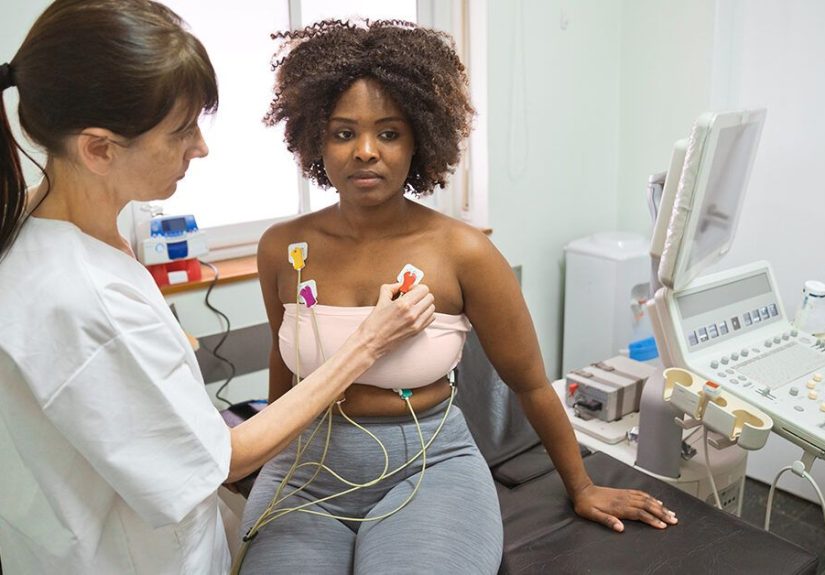
A stress test checks how your heart responds when it has to work harder. Depending on the type, you may walk on a treadmill, pedal a stationary bike, or receive medication that makes your heart act as if you’re exercising. Some stress tests are done with only an EKG, while others include imaging such as an echocardiogram or nuclear scan.
Because the goal is to see your heart under controlled stress, anything that artificially speeds up your heart, changes blood flow, affects blood pressure, or interferes with the medication used in the test can throw off the picture. That’s why prep instructions are not just polite suggestionsthey are part of the test itself.
The Short Version: What Not to Do Before a Stress Test
- Do not drink coffee, tea, soda, energy drinks, or eat chocolate unless your care team says it is allowed.
- Do not smoke, vape nicotine, or use other tobacco products before the test.
- Do not stop or take heart medications on your own without checking first.
- Do not eat a heavy meal right before the test.
- Do not drink alcohol beforehand.
- Do not do a hard workout right before the appointment.
- Do not wear clothes or shoes that make exercise harder.
- Do not ignore your clinic’s instructions because your friend “didn’t have to do that.”
Now let’s unpack those one by one.
1. Don’t Have Caffeine “Just This Once”
If there is one pre-test rule that shows up again and again, it’s this: avoid caffeine. That includes obvious culprits like coffee and energy drinks, but also less obvious troublemakers such as tea, cola, chocolate, pre-workout powders, and some pain relievers. Even “decaf” can be a bad idea for some stress tests.
Why is caffeine such a drama queen here? Because it can change heart rate, blood pressure, and how your blood vessels respond. In pharmacologic or nuclear stress tests, caffeine can interfere with the medicine used to simulate exercise, which may make the test less accurate or force the staff to cancel and reschedule. That is not the kind of sequel anyone wants.
What to do instead
Follow the exact timing your clinic gives you. Many centers tell patients to avoid caffeine for 12 to 24 hours before the test, but your instructions are the boss. If you are unsure whether something countsyes, even your “tiny” canned espressocall and ask.
2. Don’t Smoke, Vape, or Use Nicotine Before the Test
Nicotine is another big pre-test spoiler. Smoking and other tobacco or nicotine products can affect heart rate, blood pressure, and blood vessel function. In plain English, they can make your cardiovascular system act differently than it otherwise would during the exam.
This is one of those moments where “I’ll just have one to calm my nerves” is exactly the wrong move. A cigarette, vape session, nicotine pouch, or cigar before the appointment may interfere with results and can make an already stressful morning more complicated.
What to do instead
Skip tobacco and nicotine for the entire period your clinic recommends. If you are using nicotine replacement or have questions about vaping, ask the testing center ahead of time rather than guessing on test day.
3. Don’t Change Your Medications Without Being Told
This is where people get into trouble because the advice sounds contradictory. Some medications should be taken as usual. Some may need to be held. Some heart medicinesespecially certain beta-blockers, calcium channel blockers, or nitratescan affect how your heart responds during the test. But here’s the key: that decision should come from your clinician, not from your internet search history at 1:14 a.m.
Stopping medication on your own can be risky. Taking a medication you were supposed to hold can also affect the test. Neither option is ideal. The right answer depends on why you’re having the stress test, what type of test it is, and which medicines you take.
What to do instead
Bring a current medication list and follow the instructions you were given. If no one has told you what to do about your medications, call before the appointment. Do not freestyle this category. Your heart deserves better planning than a last-minute coin toss.
4. Don’t Eat a Heavy Meal Right Before the Test
A giant breakfast before a stress test is not a power move. It is more like asking your stomach and your treadmill to settle a personal feud. A heavy meal right before the test can make exercise uncomfortable, leave you feeling nauseated, and in some cases affect how smoothly the appointment goes.
Some clinics ask you to fast for several hours before the test. Others allow a light meal, especially for certain exercise-based tests. The point is not to assume. The point is to follow the instructions exactly. More food is not better, and neither is random fasting beyond what you were told to do.
What to do instead
If your instructions say not to eat, don’t eat. If they say a light meal is okay, keep it light and simple. Greasy diner food the size of a holiday platter should not be your final act before a cardiac exam.
5. Don’t Drink Alcohol Before the Test
Alcohol can affect hydration, blood pressure, heart rhythm, and how you feel physically during the test. It is also a poor match for fasting instructions, medication schedules, and early morning appointments. In other words, alcohol likes chaos, and a stress test prefers order.
Some centers specifically tell patients to avoid alcohol for a set period beforehand. Even when the instructions are shorter and more tailored, it is wise not to assume that a drink the night before is harmless. If your clinic says no alcohol, take that literally.
What to do instead
Skip the alcohol and focus on following your written prep sheet. The goal is a clean test, not a complicated explanation that begins with, “Well, technically it was only one cocktail.”
6. Don’t Squeeze in a Hard Workout Before the Appointment
This one surprises people. After all, if the test involves exercise, wouldn’t it help to warm up with a run? Not so much. Vigorous exercise before the appointment can alter your heart rate, blood pressure, and overall condition going into the test.
The point of the exam is to measure how your heart responds under controlled conditions. Showing up already amped from spin class, stair sprints, or a heroic boot-camp session can interfere with that baseline. Save the fitness flex for another day.
What to do instead
Take it easy before the test unless your clinician says otherwise. Regular daily movement is one thing; turning the morning into your unofficial athletic comeback story is another.
7. Don’t Wear the Wrong Clothes or Shoes
If your test involves walking on a treadmill or biking, clothing matters. Tight jeans, slippery shoes, high heels, bulky accessories, or anything that makes movement awkward can turn a simple exam into a clumsy mess. You do not want your biggest challenge to be your outfit.
Many people also forget that electrodes will be placed on the chest, and sometimes you may need to change into a gown. Complicated layers, hard-to-remove jewelry, or clothing that makes access difficult can slow things down.
What to do instead
Wear comfortable clothes and close-toed walking shoes or sneakers. Leave flashy jewelry at home. Stress test chic is less “runway” and more “I could survive a treadmill without negotiating with my wardrobe.”
8. Don’t Forget Important Items You May Need
Some people focus so hard on what not to consume that they forget what to bring. If you use an inhaler for asthma or another breathing condition, your care team may want you to bring it. The same goes for your medication list, photo ID, insurance card, and any paperwork the clinic requested.
Walking in with half your essentials missing adds unnecessary stress before a test that already has the word stress in the name. That feels like overachieving in the worst possible direction.
What to do instead
Set out everything the night before. Include your inhaler if you use one, your medication list, and the prep instructions themselves. When in doubt, bring the paperwork.
9. Don’t Assume Every Stress Test Has the Same Rules
Exercise stress tests, stress echocardiograms, nuclear stress tests, and pharmacologic stress tests can all come with slightly different prep requirements. That’s why copying someone else’s instructionsor relying on a memory from five years agois risky.
One test may allow a light meal. Another may require fasting. One clinic may want certain medications held. Another may tell you to take them as usual. The details matter because the test method matters.
What to do instead
Read the instructions from your clinic for your test. If anything is unclear, call before the appointment. A two-minute phone call can save you a reschedule, and that’s a very good trade.
What You Should Do Before a Stress Test
Now that we’ve covered the “don’ts,” here’s the calmer, more useful side of the story. In most cases, smart prep looks like this:
- Read your instructions as soon as you get them, not the night before.
- Ask whether to take or hold heart medications.
- Avoid caffeine, tobacco, and alcohol for the time frame your clinic gives you.
- Follow food and fasting instructions exactly.
- Wear comfortable exercise clothes and close-toed shoes.
- Bring your inhaler, medication list, ID, and insurance card if needed.
- Arrive a little early so you are not sprinting into a heart test. That would be a very on-the-nose warm-up.
Common Questions Patients Have
Can I drink water before a stress test?
Often, yesbut not always, and sometimes only in limited amounts. Your written instructions should tell you exactly what is allowed.
Can I take my morning medications?
Sometimes yes, sometimes no. Certain medications can affect results, so this is one of the most important questions to confirm ahead of time.
Can I have decaf coffee?
Do not assume decaf is safe. Some clinics specifically tell patients to avoid decaffeinated products because they may still contain small amounts of caffeine.
What if I accidentally broke one of the rules?
Call the testing center as soon as possible. Do not hide it and hope for the best. The staff would much rather know in advance than discover mid-test that your “water” was actually a giant cold brew.
Patient Experiences and Everyday Mistakes: What This Really Looks Like in Real Life
Ask around and you’ll hear a familiar pattern: most people do not sabotage their stress test on purpose. They do it because the rules sound simple until real life barges in wearing pajamas and holding a travel mug. One patient may avoid coffee but forget that their favorite headache medicine contains caffeine. Another skips breakfast like instructed, then absentmindedly grabs a few bites of chocolate on the way out the door. Technically small? Maybe. Potentially a problem? Also yes.
A very common experience is the “but I always do this” mistake. Someone who has taken a beta-blocker every morning for years may take it automatically without checking whether they were supposed to hold it. Another person may smoke only when they’re stressed, which unfortunately makes a medical appointment the exact time they decide nicotine sounds comforting. Then there’s the patient who thinks decaf coffee is basically hot brown innocence, only to learn that “decaf” does not always mean “caffeine-free enough for this test.” That realization tends to arrive at the worst possible moment: check-in.
Clothing issues are another classic. People show up ready for a normal office visit and forget that a treadmill is involved. Suddenly the stress test becomes a weird side quest in stiff jeans, dress shoes, or sandals with the structural integrity of a paper napkin. It’s not dangerous in every case, but it makes the whole process harder than it needs to be. The same goes for jewelry, complicated outfits, and anything else that turns “place the electrodes” into a group project.
Then there is the emotional side. Plenty of patients are nervous before a stress test, especially if it is their first one or if they are having symptoms that worry them. Anxiety can make people overprepare in odd ways. Some fast longer than instructed because they think more restriction must be better. Some avoid drinking even water and arrive feeling lousy. Others do the opposite and try to “boost energy” with coffee or an energy drink because they fear they won’t perform well on the treadmill. Ironically, both approaches can create extra issues.
The most helpful patient stories usually end the same way: they finally realized the prep sheet was not random paperwork. It was part of the test. The people who have the smoothest appointments tend to be the ones who read the instructions early, call with questions, lay out their clothes the night before, and treat the appointment like something worth planning for. Not glamorous, sure. But very effective. In the grand battle between careful preparation and last-minute chaos, careful preparation wins by a landslideand usually without needing a reschedule.
Final Takeaway
If you remember nothing else, remember this: what not to do before a stress test mostly comes down to avoiding anything that can artificially change how your heart behaves or interfere with the test itself. That means no caffeine roulette, no nicotine loopholes, no medication guesswork, no heavy meals, no alcohol, and no wardrobe choices that belong at brunch instead of on a treadmill.
Follow your clinic’s instructions closely, because the exact rules depend on the type of stress test you’re having. Do that, and you give your care team the best chance of getting clear, useful results. Your job is not to be perfect. Your job is to arrive prepared, honest, and uncaffeinated enough that nobody has to cancel your appointment over a “small” mocha.