Table of Contents >> Show >> Hide
- H2: The Basics What Is Sodium Chloride?
- H2: Why All the Fuss? The Importance of Sodium Chloride
- H2: Everyday Uses of Sodium Chloride (Spoiler: It’s Everywhere)
- H2: How Is Sodium Chloride Produced & Processed?
- H2: Benefits and Considerations
- H2: How To Use Sodium Chloride Smartly
- H2: Closing Thoughts
- H2: My Personal Encounters with Sodium Chloride
Alright, salt fanatics and curious minds alike buckle up, because we’re about to dive into the world of Sodium Chloride (yes, that’s just fancy talk for table salt). But this isn’t just about sprinkling it on popcorn. We’ll explore what it really is, why it matters, and the many surprising ways it shows up in your life.
H2: The Basics What Is Sodium Chloride?
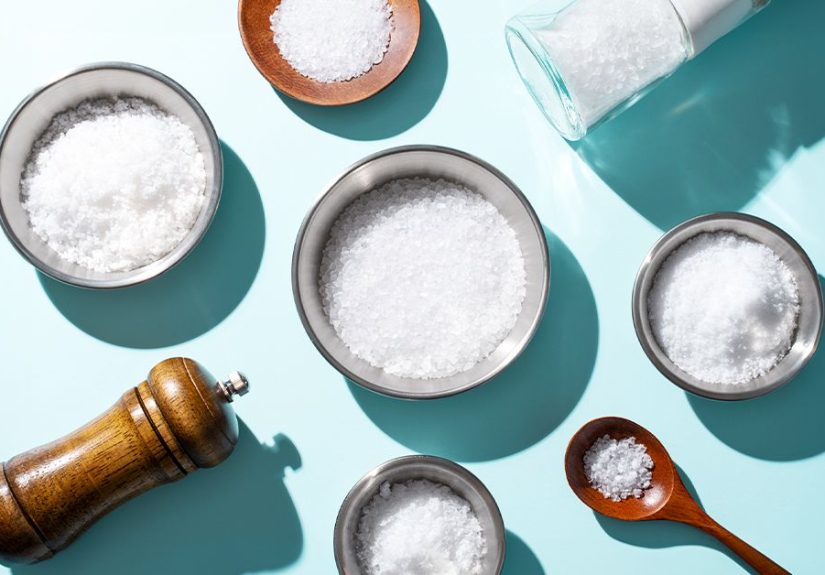
Sodium chloride (chemical formula NaCl) is a compound made of one sodium ion (Na⁺) and one chloride ion (Cl⁻) bonded together in a cubic crystalline structure. It’s the familiar white crystals sitting in your salt shaker. One crystal at a time, or many at once, it acts as one of the most ubiquitous minerals on Earth.
It naturally occurs as the mineral halite (aka “rock salt”), and can be obtained through mining underground salt deposits, evaporating seawater, or pumping out brine and crystallizing it. In the United States, we don’t just get it from the grocery store we produce millions of tons each year through mining, evaporation, and other processes.
H2: Why All the Fuss? The Importance of Sodium Chloride
Here’s where things get interesting salt is much more than just seasoning.
H3: Essential for Life (Yes, Even You)
Your body needs sodium and chloride ions for key biological functions: nerve impulses, muscle contraction, fluid balance, and digestion. For example, chloride is a component of stomach acid (hydrochloric acid), enabling digestion of proteins and nutrients. Too much or too little sodium chloride can throw your body’s systems off.
H3: The Industrial Powerhouse
In the U.S., sodium chloride isn’t just for your dinner plate it’s a major industrial raw material. According to the U.S. Geological Survey (USGS), about 40+ % of salt consumption goes to de-icing roads, and another ~38% goes into chemical manufacturing (such as making chlorine and caustic soda). In other words: salt is secretly helping make plastics, detergents, paper and yes, keeping you safe on icy roads.
H2: Everyday Uses of Sodium Chloride (Spoiler: It’s Everywhere)
Now let’s walk through the many hats salt wears, beyond just “makes french fries taste good.”
H3: Food and Flavor
Of course, the most familiar use: seasoning and preserving food. Sodium chloride enhances flavor, controls fermentation, strengthens gluten in bread, and historically helped prevent spoilage by drawing water out of bacteria. It’s in your bacon, your canned soup, your pretzels and even your pet’s food.
H3: Health and Medical Uses
In medicine, salt shows up as saline solutions (encoded as sodium chloride + water) for IVs, wound cleaning, nasal sprays, and electrolyte replenishment. Also, tablets of sodium chloride may be used when someone sweats excessively and loses sodium through fluids.
H3: De-Icing & Road Safety
In cold regions, rock salt (sodium chloride) is spread on roads and walkways to melt ice and prevent hazards. It lowers the freezing point of water, breaking up ice bonds with pavement. According to USGS data, de-icing alone uses tens of millions of tons of salt each year.
H3: Industrial & Manufacturing Applications
Salt is the unsung hero of many manufacturing processes: the chlor-alkali industry uses salt to produce chlorine gas and sodium hydroxide (caustic soda) via electrolysis. Those chemicals are then used to make plastics (like PVC), paper pulp, paints, soaps, and more. It’s also used in textile dyeing, tanning leather, drilling fluids in oil-and-gas, and water-softening systems.
H3: Cosmetics, Cleaning & Miscellaneous
You might not think of salt when you buy shampoo or scrub your face, but sodium chloride appears in cosmetic products as a binding agent, thickener, or abrasive. It’s also used in household cleaners and even fire extinguishing (dry-powder extinguishers for metal fires) in its specialized industrial role.
H2: How Is Sodium Chloride Produced & Processed?
Here’s the behind-the-scenes of salt production somewhat less glamorous than a beach vacation, but fascinating.
- Mining rock salt: Underground deposits of halite are mined using methods such as room-and-pillar mining.
- Solution mining / brine extraction: Water is injected into underground salt beds to create brine, then pumped out and evaporated to recover salt.
- Evaporation (solar or vacuum pan): In warm climates or controlled plants, brine is evaporated to crystallize salt.
Once the salt is extracted, it’s processed (purified, ground, pelletized) to meet different grades: food-grade, industrial-grade, de-icing grade, water-treatment grade, etc. The transportation and logistics can add significant cost.
H2: Benefits and Considerations
There’s no doubt: sodium chloride is a utility player in nature and industry alike. Some key benefits:
- Essential nutrient for life (in moderation).
- Versatile raw material for countless products and manufacturing chains.
- Relatively abundant and low-cost, making it economically valuable.
However there are considerations and caveats too:
- Health impacts: Excess sodium intake is linked to high blood pressure and cardiovascular risk. Your body needs balance, not heavy sprinkling.
- Environmental impact: Large-scale use of de-icing salt elevates chloride levels in nearby waterways, affecting freshwater ecosystems.
- Corrosion & infrastructure damage: Salt on roads can accelerate rusting of vehicles, bridges, and even degrade underground concrete over time.
H2: How To Use Sodium Chloride Smartly
Whether you’re a home cook or a DIY winter-road-treatment hero, here are some smart tips:
- In cooking: Use salt to enhance flavour, not dominate. Consider the seasoning of ingredients before dumping salt in. Whole foods often need less added sodium.
- For health: Keep sodium intake within recommended guidelines (roughly 2,300 mg/day for adults in the US, though your health provider might suggest less).
- On icy surfaces: Use de-icing salt judiciouslypre-wet salt spreads better, and combining with sand or alternative agents helps reduce total usage and environmental impact.
H2: Closing Thoughts
So there you have it the humble salt shaker hero of your kitchen shelf also moonlights as an industrial giant, a life-supporting nutrient, and a snow-melting road-savior. Next time you reach for the shaker, take a moment to appreciate the journey of sodium chloride from underground salt bed to your plate and beyond.
Stick around, though because I promised more! Scroll on for my own experiences with salt (yes, I went there).
H2: My Personal Encounters with Sodium Chloride
Alright, so let’s get a bit personal. In my years of writing about home, health, and everyday science stuff, I’ve come across salt in ways you might not expect and I’m here to share a few stories that made me appreciate it (and occasionally curse it) a little more.
Story 1: The Kitchen Experiment Gone Slightly Salty. I once hosted a “salt-tasting” dinner party (totally normal thing, right?). We laid out a variety of salts table salt, sea salt, Himalayan pink salt, kosher salt and tried them on simple foods: boiled potatoes, buttered bread, popcorn. The outcome? Yep, the sodium chloride in each was doing the heavy lifting in terms of flavour. We realized that even subtle differences in crystal size and purity changed how fast the salt hit our taste buds. Funny moment: someone asked if the pink salt was from “ancient Himalayan unicorn tears” needless to say, we laughed a lot, and ended up using the white salt anyway for practical reasons (and budget).
Story 2: Winter Survival Kit for My Driveway. Living in a region that sometimes sees icy mornings, I invested in a bag of de-icing salt. The first storm of the season hit hard, and I dutifully sprinkled sodium chloride on my driveway. The ice broke up quicker than anticipated, and I felt like a driveway-conquering hero. But the next spring, when the lawn near the driveway looked a bit sad and yellow, I realised the salt didn’t just disappear into thin air it leached into the soil. I figured: okay, maybe less is more next winter. I switched to a pre-wet spread and added sand for traction. I still used salt, but more thoughtfully.
Story 3: The Health Wake-Up Call. A friend of mine complained about elevated blood pressure and his doctor mentioned – among other things – reducing sodium intake. He was surprised since he didn’t feel like he “added that much salt.” We went through his diet together and realised how much processed food (which often has hidden sodium chloride) he was eating cheese, canned soup, deli meat. This drove home the point: sodium chloride isn’t just the one you shake; it’s stealthily present elsewhere. He changed his diet, chose low-sodium alternatives, and added more herbs for flavour. A small change, big payoff. (And yes, he lets me brag about how I helped him spot the hidden salt.)
Story 4: DIY Water Softener Saga. I once had hard water in my basement laundry room mineral build-up, soap scum issues, you know the drill. So I installed a water softener system that required “water-softener salt” (yep, sodium chloride grade). It felt weird buying salt for a machine, not for cooking. The machine used the salt to regenerate ion-exchange resin, removing calcium and magnesium from the water. Suddenly, my dishes had fewer spots, my skin felt less itchy after showers, and I realised salt has silent backstage roles even in household chores.
So yes sodium chloride has been in my life more than just at dinner. It seasons, it preserves, it melts, it softens, it supports. And if you pay attention, you’ll spot its fingerprints all around your home, your body, your environment.
Here’s a quick tip: Next time you sprinkle salt, ask yourself am I using this casually, or smartly? Because whether in the kitchen or the driveway, a little salt can go a long way if used with awareness.
Now that you’ve walked through what sodium chloride *is*, where it shows up, and how I bumped into it in real life take away this: Salt is anything but ordinary. It’s life-supporting, industry-powering, and yes sometimes mischievous. Use it well.