Table of Contents >> Show >> Hide
- What Is a Sunny Side Up Baby?
- Why Does Baby Position Matter So Much?
- How Do You Know If Your Baby Is Sunny Side Up?
- Why Does a Sunny Side Up Position Happen?
- Can You Still Deliver a Sunny Side Up Baby Vaginally?
- What Helps During Labor With a Sunny Side Up Baby?
- When Is a Cesarean More Likely?
- Does a Sunny Side Up Baby Affect the Baby After Birth?
- What Parents Often Experience With a Sunny Side Up Baby
- Final Thoughts
- SEO Tags
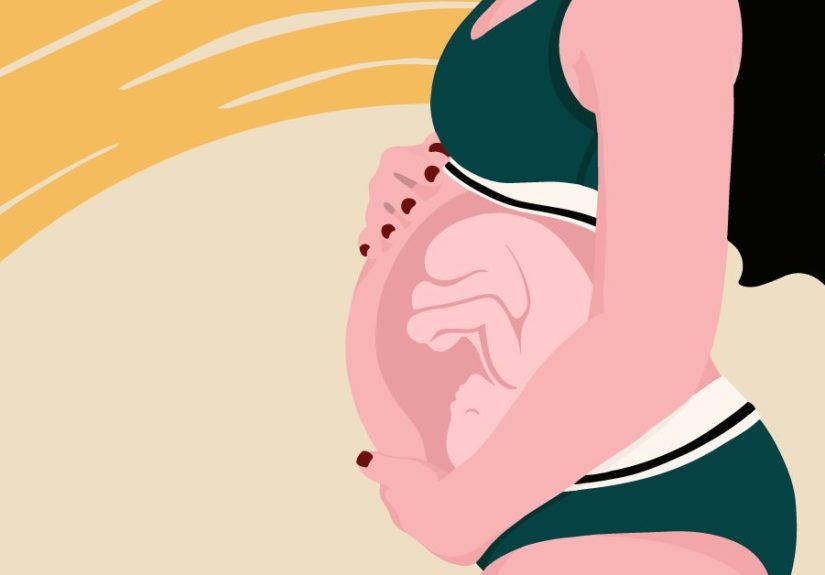
“Sunny side up baby” sounds like something you’d order at brunch, not hear in a delivery room. But in pregnancy and labor, the phrase has a very specific meaning. It describes a baby who is head down but facing up toward the pregnant person’s belly instead of down toward the spine. The medical term is occiput posterior, often shortened to OP.
If you’ve just heard this term from your OB-GYN, midwife, doula, or a labor nurse, do not panic. A sunny side up baby is not automatically a problem, not a sign that you did anything wrong, and definitely not a guarantee of a C-section. It simply means your baby is coming into labor from a less-than-ideal angle for the easiest vaginal birth. Think of it as your baby choosing the scenic route instead of the express lane.
This matters because a baby’s position can affect how labor feels, how long it lasts, and whether extra support or medical intervention may be needed. Some sunny side up babies rotate on their own during labor and are born vaginally without much drama. Others stay face-up longer, which can lead to slower progress, stronger back pain, and more decision-making in the delivery room.
Here’s what it really means to have a sunny side up baby, why it happens, what labor may look like, and what parents should know before assuming the worst.
What Is a Sunny Side Up Baby?
A sunny side up baby is a baby in the occiput posterior position. “Occiput” refers to the back of the baby’s head, and “posterior” means that part of the head is toward the back of the birthing parent’s pelvis. In plain English, the baby is still head down, which is good news, but the baby’s face is turned upward toward the abdomen rather than downward toward the spine.
This is different from the more favorable occiput anterior position, where the baby is head down and facing the parent’s back. In that position, the smallest diameter of the baby’s head usually fits through the pelvis more easily. With a sunny side up baby, the fit can be a little trickier. That doesn’t make vaginal birth impossible. It just means labor may require more patience, more position changes, and sometimes more hands-on help.
One important point: a sunny side up baby is not the same as breech. Breech means bottom or feet first. A sunny side up baby is still head first. So while the position can complicate labor, it is still a head-down presentation, which is far more common and often still compatible with vaginal birth.
Why Does Baby Position Matter So Much?
During labor, the baby’s head has to move through the pelvis in a way that allows the smallest, most flexible part of the skull to lead the way. When the baby is facing down, that process is often smoother. When the baby is sunny side up, the head may not tuck as neatly, and rotating through the pelvis can take more time.
That is why people often associate a sunny side up baby with longer labor. The uterus is still doing its job, but the baby may need extra time to rotate or descend. Sometimes labor progresses slowly in the first stage. Other times, the pushing stage is the part that really drags on and makes everyone start looking at the clock with a little too much intensity.
Position also affects how labor feels. A sunny side up baby is commonly linked with back labor, which can feel intense, deep, and relentless. Instead of contractions being felt mostly in the front of the abdomen, a lot of the pressure lands in the lower back. Some parents describe it as “contractions plus a cinder block parked on my spine.” Not poetic, but effective.
Common effects of a sunny side up baby
A sunny side up position may be associated with:
- Longer labor
- More intense lower back pain
- Slower descent through the pelvis
- A higher chance of forceps or vacuum assistance
- A higher likelihood of cesarean delivery if labor stalls or the baby does not tolerate labor well
Still, “higher chance” does not mean “inevitable.” Plenty of babies rotate during labor, and plenty of sunny side up babies are delivered vaginally.
How Do You Know If Your Baby Is Sunny Side Up?
Sometimes a provider suspects the position before labor based on the shape of the belly, where kicks are felt, or how the baby’s back is positioned on exam. But the truth is that baby position can change, and it is not always obvious late in pregnancy. A baby who seems posterior one week may rotate later on, and a baby who looked cooperative at the last appointment may decide to freestyle during labor.
During labor, providers may identify a sunny side up baby through:
- A physical exam of the abdomen
- A vaginal exam during labor
- Ultrasound, which can be more accurate when position is uncertain
Some parents also clue in because of the way labor feels. Intense back labor, slow progress, and a sense that contractions are powerful but not especially productive can sometimes go along with an OP position. Still, symptoms alone do not confirm it. Only a clinician can diagnose fetal position reliably.
Why Does a Sunny Side Up Position Happen?
Often, there is no single dramatic reason. Sometimes it is just how the baby settles in the uterus. Sometimes it may relate to pelvic shape, fetal movement, or the way labor unfolds. In many cases, there is nothing obvious that caused it.
This is worth repeating because pregnancy is already full of enough guilt traps: having a sunny side up baby is not proof that you sat wrong, exercised wrong, slept wrong, or somehow failed a secret test nobody gave you. Babies are their own little people long before they arrive, and some simply come to labor in a posterior position.
That said, clinicians may pay closer attention if labor is slow, if back pain is unusually intense, or if the baby does not seem to be rotating as expected.
Can You Still Deliver a Sunny Side Up Baby Vaginally?
Yes, absolutely. Many sunny side up babies are born vaginally. Some rotate on their own during labor. Some stay face-up and are still delivered vaginally. A sunny side up baby is a challenge, not a guaranteed detour into surgery.
The bigger question is whether labor is progressing safely. If the cervix continues to dilate, the baby descends, and fetal heart tones remain reassuring, the care team may continue supporting labor with movement, position changes, rest, hydration, and pain management. If labor stalls or the baby is not tolerating labor well, the plan may change.
In some cases, a clinician may attempt manual rotation, which means using a hand during a vaginal exam to try to guide the baby into a more favorable position. In other cases, forceps or a vacuum-assisted delivery may be considered if the baby is low enough and birth is close. And yes, in some situations, a C-section becomes the safest option.
The key point is this: the goal is not to “win” labor at all costs. The goal is a safe parent and a safe baby.
What Helps During Labor With a Sunny Side Up Baby?
There is no magic position that guarantees a baby will rotate. Anyone who promises that one stretch, one yoga ball move, or one dramatic lunge will solve everything is overselling it. But several strategies may help with comfort, encourage movement, or give labor a better chance to progress smoothly.
1. Movement and position changes
Walking, swaying, side-lying, lunging, sitting on a birthing ball, leaning forward, and laboring in upright positions may help create space in the pelvis and reduce discomfort. Movement also gives parents a sense of agency, which matters more than people sometimes realize.
2. Hands-and-knees or forward-leaning positions
These positions are often suggested because they may relieve pressure on the back. Research has not shown that hands-and-knees is a guaranteed way to rotate an OP baby, but many people do report that it feels better. When your lower back is screaming, “comfort” is not a small thing.
3. Counterpressure and labor support
For back labor, firm pressure on the lower back from a partner, doula, or nurse can be a huge relief. Heat packs, massage, warm water, and guided breathing may also help take the edge off.
4. Epidural or other pain management
There is no prize for suffering artistically. If back labor is intense, pain relief can help you rest, conserve energy, and cope better. Some parents worry that asking for an epidural means they have somehow given up. Not true. It means you are using a medical option during a medical event.
5. Patience when things are still safe
Sometimes a sunny side up baby simply needs more time to rotate and descend. If the parent and baby are doing well, patience can be part of the plan.
When Is a Cesarean More Likely?
A C-section may become more likely if the baby remains persistently posterior and labor stops progressing, especially in the pushing stage. It may also be recommended if there are concerns about the baby’s heart rate, if the head is not descending, or if assisted vaginal delivery is not appropriate.
That can be frustrating, especially if you hoped for an unmedicated vaginal birth and instead find yourself discussing surgery after hours of labor. But a change in plan is not a failure. It is exactly what modern obstetric care is for: adapting when labor stops being straightforward.
Does a Sunny Side Up Baby Affect the Baby After Birth?
Usually, the biggest issues relate to labor itself rather than long-term health. Some babies born after a long posterior labor may have temporary molding of the head or a little swelling from the journey, especially if assisted delivery was needed. In most cases, these newborn changes improve with time.
The larger concern is the labor process, not the label. What matters most is whether the baby is tolerating labor well and whether the delivery remains safe.
What Parents Often Experience With a Sunny Side Up Baby
The “experience” side of this topic deserves its own section because it often gets overshadowed by clinical language. People hear terms like occiput posterior, manual rotation, or operative delivery, and suddenly labor sounds like a mechanical engineering exam. Real life feels messier than that.
Many parents describe the labor of a sunny side up baby as surprisingly intense from the start. Instead of contractions building in a steady, front-of-the-belly pattern, the pain may settle hard into the lower back. Some say it feels like back pain that never fully leaves between contractions. Others say they knew something was different because they could not get comfortable in any position for more than two minutes. The yoga ball was fine, the tub was fine, the bed was fine, and then suddenly none of it was fine.
Another common experience is slow progress that feels emotionally draining. A person may labor for hours, doing all the things, breathing, walking, bouncing, changing positions, and still hear that the baby is not descending the way everyone hoped. That can be discouraging. It is especially hard when labor expectations were built around a neat, cinematic timeline instead of real-world childbirth, which tends to be more “plot twist” than “perfect script.”
Some parents also talk about the mental pivot that comes with a sunny side up diagnosis. One moment, the birth plan feels straightforward. The next, the care team is discussing position changes, extra monitoring, manual rotation, vacuum assistance, or possible cesarean. Even when those options are handled calmly and professionally, the emotional whiplash is real. It is normal to feel disappointed, scared, or just plain worn out.
At the same time, many parents come away saying that good labor support made all the difference. A nurse applying counterpressure to the lower back, a partner helping with movement, a doula suggesting position changes, or a provider calmly explaining why labor was taking longer can make a scary situation feel much more manageable. In other words, the baby may be facing the wrong way, but the right support team still matters a lot.
There are also plenty of positive stories. Some sunny side up babies rotate late in labor, almost as if they enjoy dramatic timing. Some are born vaginally after a long but steady labor. Some arrive by C-section after it becomes clear that surgery is the safest option, and parents later say the biggest relief was simply knowing why labor felt so hard. The ending may differ, but one theme comes up again and again: understanding the position often helps parents make sense of the experience.
And after birth, many families realize the phrase “sunny side up baby” can sound oddly cheerful for something that may have been exhausting. Still, there is something reassuring in finally having a name for what happened. It can turn a confusing labor story into one that feels coherent. Not easy, maybe. Not exactly adorable in the moment, either. But understandable.
Final Thoughts
Having a sunny side up baby means your baby is head down but facing your belly instead of your back. The medical term is occiput posterior, and while it can make labor longer, more painful, and more unpredictable, it does not automatically spell trouble. Many babies rotate during labor. Many are born vaginally. Some need extra help. Some are born by C-section. All of those outcomes can still be part of a safe, well-managed birth.
The best approach is not to obsess over the nickname but to understand what it means, stay flexible, and work closely with your care team. Because when labor gets complicated, information is power, support is gold, and a baby who enters the world face-up is still very much worth the effort.
Note: This article is for educational purposes only and should not replace medical advice from your OB-GYN, midwife, or labor and delivery team.