Table of Contents >> Show >> Hide
- The short answer: early prostate cancer often causes no symptoms
- Why prostate cancer symptoms usually involve urination
- Common symptoms of prostate cancer
- 1. Trouble starting urination
- 2. A weak or interrupted urine stream
- 3. Frequent urination, especially at night
- 4. Urgency or difficulty holding urine
- 5. Feeling that the bladder does not empty completely
- 6. Pain or burning during urination
- 7. Blood in the urine or semen
- 8. Painful ejaculation or changes in sexual function
- 9. Persistent pain in the back, hips, pelvis, or upper thighs
- Symptoms that may suggest more advanced prostate cancer
- Symptoms that can look like prostate cancer but often are not
- A subtle but useful clue: how symptoms show up matters
- When should you see a doctor?
- How doctors figure out whether it is cancer
- Why screening still matters even in an article about symptoms
- The bottom line
- Related experiences: what people often notice before they get answers
- Conclusion
Let’s start with the inconvenient truth: prostate cancer does not always arrive like a movie villain kicking down the door. Quite often, it slips in quietly, says very little, and gets found on screening before it causes obvious trouble. That silence is one reason the topic deserves attention. When symptoms do appear, they can be easy to shrug off as “just getting older,” “drinking too much coffee,” or “my bladder and I are no longer speaking.” Sometimes that shrug is harmless. Sometimes it is not.
The tricky part is that prostate cancer symptoms overlap with a long list of far more common, noncancerous problems, especially benign prostatic hyperplasia (BPH) and prostatitis. So the smart move is not panic. It is perspective. Know what can happen, know what deserves a medical visit, and know that the goal is not to become your own urologist after reading one article on the internet.
This guide breaks down what prostate cancer symptoms may look like, why they happen, which warning signs deserve faster attention, and how doctors usually sort cancer from the usual prostate drama.
The short answer: early prostate cancer often causes no symptoms
If you only remember one thing from this article, make it this: early prostate cancer is often asymptomatic. In plain English, that means many people with early-stage disease feel completely normal. No pain. No flashing red light. No urinary fireworks. That is why prostate cancer is often found during screening or follow-up testing rather than because a person suddenly feels sick.
When symptoms do show up, they are more likely to appear when the tumor is large enough to affect nearby structures, especially the urethra and bladder, or when the cancer has moved beyond the prostate. That does not mean every symptom signals advanced cancer. It does mean symptoms should not be ignored simply because they seem familiar.
Why prostate cancer symptoms usually involve urination
The prostate is a small gland, often compared to a walnut, but it has a prime piece of real estate. It sits just below the bladder and wraps around the urethra, the tube that carries urine out of the body. That location matters.
If the prostate enlarges, becomes inflamed, or develops a tumor that presses on the urethra or irritates the bladder, urination can change. That is why many symptoms linked to prostate cancer sound suspiciously similar to symptoms linked to an enlarged prostate. The body is not trying to be mysterious. The anatomy is just crowded.
Common symptoms of prostate cancer
1. Trouble starting urination
One of the most commonly reported symptoms is difficulty getting the urine stream going. A person may stand there waiting, willing the bladder to cooperate, while the body acts like it is buffering. This can happen because a growing prostate or tumor narrows the urethra.
2. A weak or interrupted urine stream
The urine stream may feel slower, weaker, or stop and start. Some people describe it as a stream with very little force. Others notice that urinating simply takes longer than it used to.
3. Frequent urination, especially at night
Getting up several times at night to urinate can be a symptom. So can needing to go often during the day, even when fluid intake has not changed much. Nighttime urination is common with age and with BPH, but it still belongs on the symptom list.
4. Urgency or difficulty holding urine
Some people feel a sudden, strong urge to urinate and may struggle to hold it. This can happen because the bladder becomes irritated or more sensitive when the prostate is causing obstruction or pressure.
5. Feeling that the bladder does not empty completely
Another common complaint is the sensation that there is still urine left behind after going to the bathroom. That incomplete-emptying feeling can be subtle at first and then increasingly annoying over time.
6. Pain or burning during urination
Painful urination can occur, though it is more often linked to infection, inflammation, or bladder issues than to prostate cancer itself. Still, it deserves evaluation, especially when it comes with other urinary changes.
7. Blood in the urine or semen
This is one of the more alarming symptoms, and honestly, it should be. Blood in the urine or semen does not automatically mean cancer, but it is not a “let’s see what happens next month” kind of finding. It needs medical attention.
8. Painful ejaculation or changes in sexual function
Some people with prostate cancer report painful ejaculation, blood in semen, difficulty getting or keeping an erection, or a noticeable change in ejaculation volume. Sexual symptoms have many possible causes, but they can be part of the overall picture.
9. Persistent pain in the back, hips, pelvis, or upper thighs
When pain in these areas sticks around and does not have an obvious explanation, it deserves a closer look. Prostate cancer that extends locally or spreads can lead to ongoing discomfort in the pelvis, lower back, hips, or thighs.
Symptoms that may suggest more advanced prostate cancer
Advanced prostate cancer can cause the same urinary problems listed above, but it may add symptoms that feel more systemic or more intense. These signs do not prove that cancer has spread, but they raise the level of concern.
Bone pain
Persistent pain in the spine, hips, ribs, pelvis, or other bones can be a sign that prostate cancer has spread to bone. This pain is often described as ongoing, deep, or worsening rather than fleeting and random.
Unexplained weight loss
Losing weight without trying is never a symptom to high-five. When it happens alongside urinary changes, fatigue, or pain, it should prompt a medical evaluation.
Fatigue
Feeling unusually tired all the time can be part of advanced cancer, though it is also nonspecific and common in many other conditions. On its own, fatigue is vague. In combination with other symptoms, it becomes more meaningful.
Weakness or numbness in the legs
If cancer spreads to the spine and presses on the spinal cord, it can cause leg weakness, numbness, or trouble walking. This is not routine prostate irritation. This is urgent.
Loss of bladder or bowel control
Loss of bladder or bowel control, especially with back pain or leg weakness, can be a medical emergency. It needs immediate care.
Symptoms that can look like prostate cancer but often are not
Here is where things get medically humbling. Many prostate cancer symptoms are not unique to cancer at all.
Benign prostatic hyperplasia (BPH)
BPH is an enlarged prostate that is not cancer. It is extremely common with age and is one of the most frequent causes of weak stream, hesitancy, nighttime urination, urgency, and incomplete emptying. In many men, BPH is the more likely explanation for these symptoms.
Prostatitis
Prostatitis is inflammation of the prostate. It can cause pelvic pain, painful urination, discomfort after ejaculation, urinary frequency, and general misery. Unlike prostate cancer, prostatitis may come with fever, chills, or more sudden pain if infection is involved.
Bladder conditions or urinary tract infection
Burning with urination, urgency, and frequency can also point to a bladder issue or urinary tract infection. In fact, some experts note that burning alone can be more suggestive of a bladder problem than a prostate tumor.
In other words, similar symptom does not mean same disease. This is why doctors do not diagnose prostate cancer based on a bathroom complaint alone.
A subtle but useful clue: how symptoms show up matters
Some clinicians pay attention not only to which symptoms appear, but how they appear. Long, slow, gradually worsening urinary symptoms are often more typical of BPH. Rapidly developing urinary changes, or symptoms that seem out of proportion to the usual “aging prostate” story, may deserve a closer look.
Another nuance is symptom pattern. Frequency and urgency can happen with many benign conditions, but when urinary symptoms are new, unusually abrupt, persistent, or mixed with blood in urine, pelvic pain, or sexual symptoms, the threshold for getting checked should be low. Translation: do not self-diagnose from vibes.
When should you see a doctor?
You do not need to sprint to the emergency room for every midnight bathroom trip. But you should make a medical appointment if you have:
- trouble starting urination or a weak stream that persists,
- frequent urination that is getting worse, especially at night,
- pain or burning during urination,
- blood in the urine or semen,
- painful ejaculation,
- new erectile problems along with urinary symptoms,
- persistent pain in the back, hips, pelvis, or thighs,
- unexplained weight loss or unusual fatigue.
Seek urgent care right away if you cannot urinate at all, or if you have back pain with leg weakness, numbness, or loss of bladder or bowel control.
How doctors figure out whether it is cancer
Symptoms start the conversation, but they do not finish it. A doctor will usually look at the full story: what symptoms are happening, how long they have been going on, how fast they developed, family history, age, risk factors, and what the exam shows.
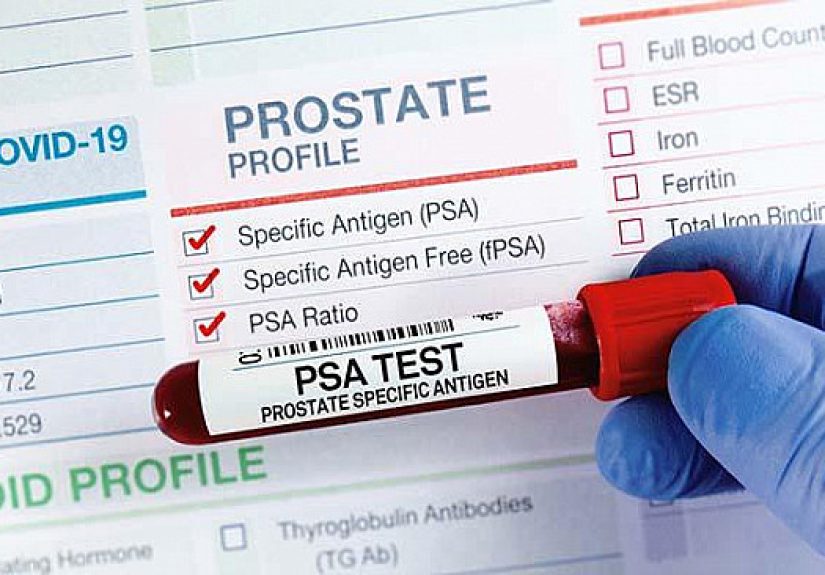
Testing may include a prostate-specific antigen (PSA) blood test, a digital rectal exam, urine testing, imaging such as MRI, and sometimes a biopsy. The key point is that a biopsy is what confirms the diagnosis. PSA can be helpful, but it can also rise for reasons other than cancer, including BPH or inflammation. So a high PSA is a clue, not a verdict.
Why screening still matters even in an article about symptoms
It may sound odd to bring up screening in a symptom article, but the connection is simple: many prostate cancers are found before symptoms begin. That means waiting for symptoms is not always the best strategy, especially for people at higher risk.
Risk tends to rise with age, family history, certain inherited genetic mutations, and Black race in the United States. Screening decisions should be individualized and discussed with a clinician, but symptom awareness and screening are teammates, not rivals.
The bottom line
So, what are the symptoms of prostate cancer? They often involve urination: difficulty starting, weak stream, frequent trips to the bathroom, urgency, incomplete emptying, burning, and blood in the urine or semen. They may also involve painful ejaculation, erectile changes, or persistent pain in the back, hips, pelvis, or bones. In more advanced cases, fatigue, weight loss, leg weakness, or loss of bladder or bowel control can appear.
But here is the crucial second half of the answer: many of these symptoms are caused by conditions other than cancer, and early prostate cancer often causes no symptoms at all. That means symptom awareness is important, but symptom interpretation should belong to a healthcare professional. Your job is to notice patterns, not to hand yourself a diagnosis in the bathroom mirror.
If something changes and stays changed, get evaluated. Prostate health is not the place for brave denial, mystery-solving, or heroic levels of procrastination.
Related experiences: what people often notice before they get answers
One reason this topic feels so confusing is that the first “symptoms” of prostate cancer often do not feel dramatic. They feel ordinary. A man may notice that he is waking up twice a night to urinate, then three times, then four. At first he blames late-night tea, aging, stress, or the fact that his bladder has apparently joined a protest movement. The change is gradual, which makes it easy to normalize.
Another common experience is hesitation. Not emotional hesitation, though there can be plenty of that too. We mean urinary hesitation: standing at the toilet and waiting for the stream to begin. Some men describe it as annoying. Others say it feels like the body forgot the first step of the assignment. The symptom may be mild for months, which is exactly why it gets dismissed.
Some people notice the opposite problem: urgency. Suddenly, when they need to go, they really need to go. Long car rides become tactical operations. Movie theater aisle seats become a lifestyle choice. Sleep turns into a series of bathroom intermissions. Again, this is often caused by BPH rather than cancer, but the lived experience is real and disruptive either way.
Then there are the symptoms that cause a person to stop making excuses. Blood in the urine. Blood in the semen. Ongoing pain in the pelvis, back, or hips that does not match any recent injury. These are the moments when “maybe it’s nothing” becomes a much less comforting sentence. Many patients say these signs were the tipping point that finally got them into a doctor’s office.
Sexual changes can be part of the experience too, though people do not always bring them up quickly. Erectile difficulties, painful ejaculation, or noticeable changes in semen can be uncomfortable to discuss, which means they may sit in the background longer than they should. It is common for patients to mention these symptoms only after a doctor asks directly. Awkward? Maybe. Important? Absolutely.
What many people say in retrospect is that the body was giving clues, just not in neon lights. There was no single cinematic moment, just a collection of small changes that slowly added up: more bathroom trips, weaker flow, less confidence in bladder control, nagging discomfort, and a sense that something was off. That “off” feeling matters.
There is also an emotional side to the experience. Some people delay evaluation because they are busy. Some avoid it because they are worried. Others assume urinary symptoms are simply part of getting older and not worth mentioning. That is a very human response, but it is not always a helpful one. A short, mildly awkward appointment is usually much better than months of guessing.
The encouraging part is that getting checked does not automatically mean bad news. Many people with prostate-related symptoms end up learning they have BPH, prostatitis, or another noncancerous condition that can be managed. But they still benefit from finding out. Relief has value too. And if cancer is the cause, catching it sooner opens the door to more informed decisions and, in many cases, better outcomes.
In everyday life, prostate symptoms often begin as inconvenience before they become concern. That is why paying attention matters. Not obsessively. Not fearfully. Just honestly. If your normal changes, and the change sticks around, that is information worth acting on.
Conclusion
Prostate cancer symptoms can be subtle, shared with other prostate conditions, or completely absent in the early stages. The most useful mindset is simple: stay aware, do not assume, and get persistent changes evaluated. That approach is calmer than panic, smarter than denial, and far more effective than hoping your prostate will suddenly start sending clearer emails.