Table of Contents >> Show >> Hide
- Why Your Washing Machine Gets Dirty in the First Place
- Signs It’s Time to Clean Your Washer
- What You Need Before You Start
- How to Clean a Front-Load Washing Machine
- How to Clean a Top-Load Washing Machine
- How Often Should You Clean a Washing Machine?
- Best Washing Machine Cleaner Options
- Common Mistakes That Make Washers Dirtier
- How to Keep a Washing Machine Clean Longer
- Final Thoughts
- Experiences and Practical Lessons From Real-Life Washer Cleaning
Your washing machine has one job: make dirty things less disgusting. But over time, that noble appliance can become a funky little swamp full of detergent residue, hard-water buildup, mildew, lint, and mysterious gunk that looks like it came from a science fair volcano. The result? Clothes that should smell like “fresh linen” start smelling like “forgotten gym bag.”
The good news is that learning how to clean a washing machine is not complicated. In fact, once you know what to clean, how often to clean it, and which washing machine cleaner makes sense for your model, the whole process becomes one of those oddly satisfying chores. You know, like peeling the plastic film off a new appliance, except with more rubber gaskets and fewer emotional rewards.
This guide walks you through exactly how to clean a washer the smart way, including tips for front-load washers, top-load washers, detergent drawers, filters, drum cleaning, mildew prevention, and common mistakes that can make the problem worse instead of better.
Why Your Washing Machine Gets Dirty in the First Place
It seems unfair, doesn’t it? A machine that cleans other things should be clean by default. Sadly, washers are not magical. Every cycle leaves behind a little something: detergent film, fabric softener residue, body soil, pet hair, lint, minerals from hard water, and moisture that loves to linger in dark corners.
That buildup is especially common in high-efficiency machines because they use less water. Less water is great for efficiency, but it also means there is less rinsing power to wash away residue inside the drum, door seal, dispenser, and internal components. Add warm, damp conditions, and you have the perfect setup for mildew odors and slimy buildup.
If you wash mostly in cold water, use too much detergent, leave wet laundry sitting overnight, or keep the washer door shut 24/7 like it contains state secrets, buildup happens even faster.
Signs It’s Time to Clean Your Washer
You do not need a dramatic breakdown to know your washer needs attention. Usually, it starts with clues that are annoyingly subtle at first and impossible to ignore later.
- Your washer smells musty, sour, or vaguely like a wet basement.
- Clean clothes come out less than fresh.
- You notice black grime, pink slime, or residue around the gasket or lid.
- The detergent dispenser looks crusty or clogged.
- There is visible lint, sludge, or standing water near the filter area.
- Your machine has a self-clean reminder and has been politely judging you for weeks.
What You Need Before You Start
You do not need a garage full of specialty tools to clean a washer. In most cases, you need a few basics and a little common sense.
Best tools and supplies
- A commercial washing machine cleaner tablet or pouch, if your manufacturer recommends it
- Liquid chlorine bleach, only if your owner’s manual says it is safe
- Distilled white vinegar for certain removable parts or general wiping, when appropriate for your model
- Microfiber cloths or soft cleaning rags
- A soft-bristle brush or old toothbrush
- Mild dish soap
- Rubber gloves
- A shallow pan or towel if you plan to clean the drain pump filter
One very important warning
Never mix bleach and vinegar. Not in the washer, not in a bucket, not in some “Pinterest chemistry” moment. Those ingredients can create toxic chlorine gas. Pick one cleaning method at a time, rinse thoroughly, and always follow your machine’s manual.
How to Clean a Front-Load Washing Machine
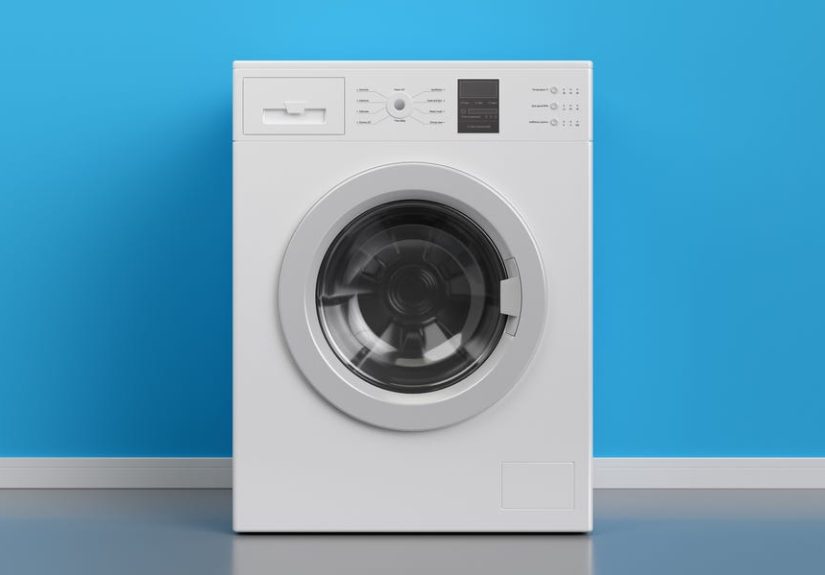
A front-load washing machine is excellent at hiding grime in places you cannot see until you bend down, squint, and suddenly regret your life choices. The door gasket, in particular, is a celebrity hotspot for mildew, lint, and forgotten socks.
Step 1: Empty the machine completely
Remove every item from the drum. That includes laundry, loose lint, and the single baby sock that somehow survived three prior cleanings.
Step 2: Clean the detergent dispenser
Pull out the dispenser drawer if your model allows it. Wash it with warm water, mild soap, and a soft brush. Scrub the underside and any little channels where detergent and fabric softener like to form sticky concrete. Wipe the dispenser housing before sliding the drawer back in.
Step 3: Wipe the rubber door gasket
Pull back the folds of the gasket and wipe thoroughly. This is where mold, lint, hair, and mystery sludge love to camp out rent-free. Use a damp cloth and a gentle cleaner that is appropriate for your machine. Dry it well afterward. If the gasket is very grimy, use a soft brush to get into the creases.
Step 4: Run the clean cycle
If your washer has a Self Clean, Tub Clean, or Clean Washer cycle, use it. Add a manufacturer-approved cleaner if recommended. If your machine does not have a dedicated cycle, run the hottest, longest empty cycle with the highest water level your model allows, following your manual for what cleaning product is appropriate.
Commercial washer cleaners are often the safest bet for modern machines because they are designed to break down residue without being too rough on seals and internal parts. Bleach may be allowed in some models, but not all. Vinegar is sometimes useful for removable parts and wiping, but some manufacturers caution against routine use inside the drum because acidity can wear certain rubber components over time.
Step 5: Check and clean the drain pump filter if your model has one
Many front-load washers have a small access door near the bottom front panel. Behind it, you may find the drain pump filter. Put down a towel or shallow pan first, because leftover water may spill out. Remove lint, hair, coins, and whatever else your pockets donated to the cause. Rinse the filter, scrub gently, wipe the housing, and reinstall it securely.
Step 6: Wipe the drum, door, and exterior
After the cycle ends, wipe away loosened residue from the drum, glass door, control panel, handle, and outside surfaces. A soft cloth and mild cleaner are usually enough. Skip harsh abrasives unless you enjoy turning glossy finishes into sad matte scratches.
Step 7: Let everything dry
Leave the washer door and dispenser drawer open so moisture can escape. This one habit alone can make a huge difference in preventing mildew smell.
How to Clean a Top-Load Washing Machine
A top-load washer may not have the same gasket drama as a front-loader, but it can still collect detergent residue, mineral deposits, and grime around the agitator, tub walls, dispensers, and lid.
Step 1: Start with an empty tub
Take out all laundry and check for loose items. Nobody wants a pen cap rattling around while trying to deep-clean the tub.
Step 2: Add your cleaner
Use a washing machine cleaning tablet, pouch, or the alternative your owner’s manual recommends. If your model has a dedicated clean cycle, use that. If not, run a hot cycle with the highest water level available.
Step 3: Clean dispensers and the rim
Open the lid and wipe under the rim, around the lid hinges, and in or around any bleach and softener dispensers. These areas collect drips, detergent splatter, and grime more often than people realize.
Step 4: Wipe the agitator or impeller area
If your washer has an agitator, wipe around its base. If it is an impeller model, check the bottom of the drum for residue. A soft cloth or toothbrush can help lift grime from seams and tight corners.
Step 5: Finish with a wipe-down and air-dry
Wipe exterior surfaces with a soft damp cloth, then leave the lid open to dry out the tub. That simple step helps reduce odor and keeps your machine from turning into a humidity spa for mildew.
How Often Should You Clean a Washing Machine?
For most households, once a month is the sweet spot. If you do multiple loads every day, wash sports uniforms, pet bedding, heavily soiled work clothes, or live in a humid area, you may need to clean it more often.
Here is a good maintenance schedule:
- Monthly: Run a washer-cleaning cycle and wipe the door, drum, and dispensers.
- Every 1 to 3 months: Check the filter if your model has one.
- After every wash: Remove laundry promptly and leave the door or lid open to dry.
- Weekly: Wipe the gasket, lid, and any visible drips or detergent splashes.
Best Washing Machine Cleaner Options
If you are wondering what the best washer cleaner is, the honest answer is: the one your manufacturer says is compatible with your machine. Glamorous, I know. But it matters.
In general, you have three common options:
1. Commercial washing machine cleaner
This is often the easiest and safest choice. Tablets and pouches are made to tackle odor-causing residue inside the drum and internal parts. They are convenient, low-mess, and easy to use in monthly maintenance routines.
2. Bleach
Bleach can be effective for certain odor and mold issues, but it is not universally recommended for every washer. Some front-load models specifically warn against using it in certain ways. Always check the manual first.
3. Vinegar
Vinegar can help with removable dispenser drawers, light deodorizing, and some surface cleaning. However, it is not a universal miracle product. On some machines, repeated vinegar use may not be ideal for rubber seals or internal hoses. Translation: vinegar is useful, but it is not the undefeated champion of appliance care the internet sometimes claims it is.
Common Mistakes That Make Washers Dirtier
Sometimes the real problem is not the washer. It is us. Specifically, our laundry habits. Here are the most common mistakes that lead to washer odor and buildup:
- Using too much detergent
- Using non-HE detergent in an HE washer
- Leaving wet clothes in the drum for hours
- Keeping the door or lid shut all the time
- Ignoring the detergent drawer
- Never cleaning the filter
- Running only cold cycles for months without maintenance cleaning
- Assuming fabric softener is somehow incapable of making a mess
How to Keep a Washing Machine Clean Longer
Deep cleaning is helpful, but prevention is easier. If you want fresh-smelling laundry and a washer that does not greet you with swamp vibes, build these habits into your routine:
- Measure detergent instead of free-pouring with confidence and chaos.
- Use HE detergent in HE machines.
- Take clean laundry out promptly.
- Leave the door, lid, and dispenser slightly open after use.
- Wipe the gasket or lid area regularly.
- Run a monthly cleaning cycle even if the machine seems fine.
- Check pockets before washing to reduce filter clogs.
- Clean pet bedding, workout gear, and very dirty loads with a little extra attention to washer maintenance afterward.
Final Thoughts
A clean washer means cleaner clothes, fewer odors, better performance, and a lower chance of opening the door and discovering a mildew ecosystem thriving in the folds. Whether you use a dedicated washing machine cleaner or a manufacturer-approved alternative, the key is consistency.
If you remember only three things from this article, make them these: clean your washer monthly, dry it out between loads, and do not treat bleach and vinegar like a team-building exercise. Your washer will smell better, work better, and stop sabotaging your fresh laundry with hidden grime.
Experiences and Practical Lessons From Real-Life Washer Cleaning
One of the funniest things about washer maintenance is that most people ignore it until the machine starts sending emotional distress signals. The classic moment is when someone pulls out freshly washed towels, gives them a hopeful sniff, and gets hit with a smell that can only be described as “damp regret.” That is usually when the great washer-cleaning journey begins.
A common experience with front-load machines is discovering the rubber gasket for the first time. From the outside, it looks harmless enough. Then you pull back the folds and find lint, hair, detergent slime, and possibly the archaeological remains of three missing hair ties. People are often shocked not because the gasket is dirty, but because it is that dirty while the rest of the machine looks perfectly civilized. Once it is cleaned thoroughly and dried after each wash, the difference in odor can be immediate.
Top-load washer owners often have a different story. Their machine may not smell as dramatically musty, but they start noticing white residue, detergent streaks, or a ring around the tub. In many cases, the culprit is simply too much detergent combined with infrequent maintenance. The moment they run a proper cleaning cycle and wipe under the rim and around the dispensers, they realize the washer was not “old and weird.” It was just dirty and underappreciated.
Another very relatable experience is cleaning the detergent drawer and wondering how a place designed for soap became so grimy. Fabric softener can leave behind sticky buildup that feels like it was engineered by a villain. A quick scrub with warm water and a brush often restores normal flow and helps clothes rinse better too. It is not the most glamorous task, but it is one of the most satisfying because the results are visible right away.
Then there is the filter-cleaning adventure, which is equal parts maintenance and treasure hunt. People regularly find coins, bobby pins, lint wads, and the occasional object that raises uncomfortable questions about pocket-checking habits. It is messy, yes, but cleaning the filter can improve drainage and reduce odors in a way that feels surprisingly dramatic for such a small part.
Perhaps the biggest lesson people learn is that washer care is less about heroic deep cleans and more about tiny habits. Leaving the door open. Removing laundry quickly. Using less detergent than your heart initially believes is necessary. Running the clean cycle before the machine starts smelling like a forgotten locker room. These habits sound boring, but they work.
In the end, cleaning a washing machine is one of those chores that pays you back immediately. Clothes smell fresher. The laundry room smells better. The machine looks less suspicious. And every time you open the washer and do not get blasted by mildew odor, you feel like an extremely competent adult. That, frankly, is worth a lot.
Note: This article provides general home-care guidance. Always check your washer’s owner’s manual before using bleach, vinegar, or a commercial cleaner, because model-specific instructions vary.