Table of Contents >> Show >> Hide
- What a Washed Linen Core Sheet Set Actually Is
- Why Washed Linen Feels Like Linen With a Head Start
- What’s in the “Core” and What’s Not
- How to Choose a Great Washed Linen Sheet Set
- How a Washed Linen Core Sheet Set Sleeps: The Reality Check
- Washed Linen vs. Cotton, Bamboo, and Other Bedtime Rivals
- Care and Feeding of Linen (So It Doesn’t Hold a Grudge)
- Styling a Washed Linen Bed Without Trying Too Hard
- Value, Pricing, and When a Linen Set Is Worth It
- Common Questions About Washed Linen Core Sheet Sets
- Conclusion
- Real-Life Experiences With a Washed Linen Core Sheet Set (The Extra )
If your bed sheets could talk, most would beg for two things: fewer midnight snack crumbs and better airflow.
A Washed Linen Core Sheet Set is basically the “I drink water and mind my business” friend of bedding
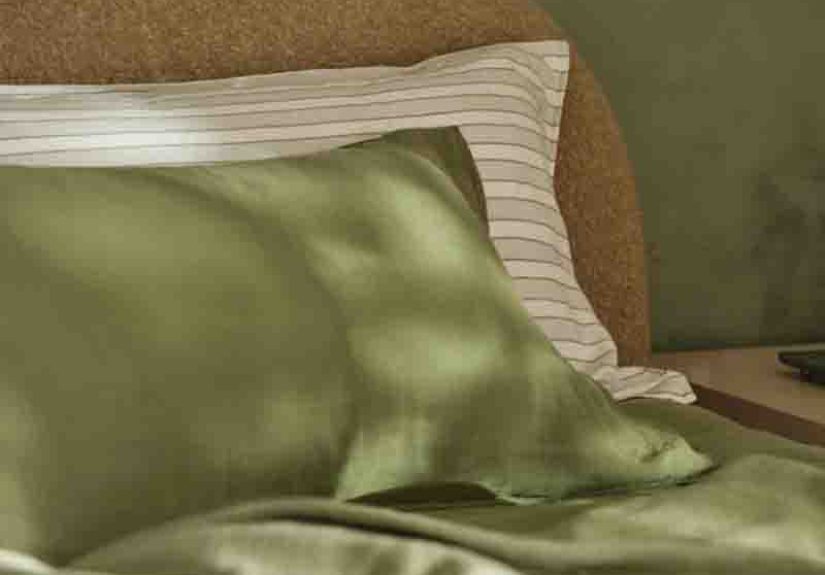
chill, breathable, and not here to start drama. It looks casually rumpled (on purpose), feels better the more you use it,
and has that vacation-rental-in-a-good-way vibe… minus the checkout chore list.
This guide breaks down what “washed linen” actually means, what comes in a “core” set, how to choose a quality linen set
without getting lost in marketing poetry, and how to care for linen so it lasts for years. We’ll also talk real-life comfort:
hot sleepers, cold sleepers, people who run “medium,” and anyone whose thermostat is set by household negotiation.
What a Washed Linen Core Sheet Set Actually Is
Start with the basics: linen is made from the flax plant. Unlike many cotton sheets that rely on thread count to sound impressive,
linen quality is more about fiber source, fabric weight, weave consistency, finishing, and construction details.
Linen is naturally breathable and moisture-friendly, which is why it’s beloved by warm sleepers and anyone who wakes up feeling like
they ran a 5K in their dreams.
A washed linen set means the fabric has been pre-washed (often described as garment-washed, enzyme-washed, or stonewashed)
to soften it and give it that relaxed, lived-in texture from day one. Translation: you don’t have to “earn” softness for six months
before you’re allowed to love your sheets.
Why Washed Linen Feels Like Linen With a Head Start
Regular linen can start out crisp and a little textured. Washed linen gets a shortcut to comfort:
the wash finish relaxes fibers, reduces stiffness, and often helps with initial shrink surprises. You still get the signature linen personality
airy, slightly nubby, naturally wrinkledbut it’s more “coastal casual” than “brand-new tablecloth.”
Washed linen’s greatest hits
- Breathability: Great airflow, especially compared with dense weaves.
- Moisture management: Helps you feel less clammy when temperatures swing.
- Softens over time: The fabric tends to get smoother with washing and use.
- Relaxed look: Wrinkles read as intentional, not “I slept through my alarm.”
- Durability: Linen is often praised for long-term wear when cared for well.
The one tradeoff? Linen will never be glass-smooth like sateen. It’s not trying to be. Linen is the cool older cousin who shows up
slightly rumpled and still somehow looks better than everyone else.
What’s in the “Core” and What’s Not
“Core Sheet Set” usually means the essentialsenough to fully dress the bed without extras. In most U.S. bedding lines, that’s:
- 1 fitted sheet
- 1 flat sheet
- 2 pillowcases (often 1 pillowcase for Twin/Twin XL)
What it often does not include: duvet cover, shams, extra pillowcases, or a top-of-bed “styling moment.”
Some brands sell those separately, which is either smart customization or a gentle nudge to spend moredepending on your mood.
How to Choose a Great Washed Linen Sheet Set
Linen shopping can feel like reading wine labels: “notes of Belgian breezes… hints of artisanal flax… undertones of your wallet crying.”
Here’s what actually matters.
1) Fiber origin and traceability
Many reputable U.S. brands highlight European flax (often tied to third-party programs like Certified European Flax).
This can be a useful signal of established sourcing regions and industry standards, though it’s not the only path to quality.
If a brand is transparent about where the flax is grown and how it’s processed, that’s a good sign.
2) Fabric weight (GSM) and “hand feel”
Linen sheets are often described by weight (GSMgrams per square meter). Lighter linen can feel airier and more “summer,”
while midweight linen feels more substantial and can be cozier year-round. There’s no universally perfect GSM; it’s about preference.
If you like the idea of linen but worry it’ll feel too thin, look for a midweight option.
3) Mattress depth and fitted-sheet engineering
A gorgeous linen fitted sheet that pops off your mattress at 2 a.m. is not “romantic.” It’s a jump scare.
Check the pocket depth (many popular sets fit around 15–16 inches) and look for details like stronger perimeter elastic
and well-finished seams. If you use a mattress topper, measure with the topper on.
4) Certifications and chemical safety
Certifications aren’t everything, but they can help. OEKO-TEX Standard 100, for example, indicates the textile has been tested
for certain harmful substances. If you have sensitive skin or simply like the idea of fewer mystery chemicals near your face,
this label can be reassuring.
5) Construction: seams, hems, and practical details
Linen is strong, but seams still matter. Look for neat stitching, generous hems on the flat sheet, and pillowcases that won’t
eat your pillow (envelope closures can be great). Quality linen also tends to shed lint initiallynormal for many setsthen calms down after a few washes.
How a Washed Linen Core Sheet Set Sleeps: The Reality Check
For hot sleepers
Washed linen is often loved for its airy feel and temperature adaptability. If you overheat easily, linen can help you feel less trapped
under your bedding. Pair it with a breathable duvet insert or a light blanket and you’ll likely notice the difference.
For cold sleepers
Linen isn’t “cold” in the way some slick performance fabrics can feel. It tends to adapt: breathable when you’re warm,
comfortable when you’re not. If you run cold, use linen as your base layer and add warmth on topthink a quilt, blanket, or duvet.
Linen plays well with layers.
For texture-sensitive sleepers
If you need sheets to feel buttery on night one, washed linen is the safer bet than unwashed linen.
But it still has texture. A good trick is to start with washed linen pillowcases (where you feel it most),
then decide if you want the full set. Your face has opinions.
Washed Linen vs. Cotton, Bamboo, and Other Bedtime Rivals
Washed linen vs. cotton percale
Percale is crisp, cool, and smoothlike the hotel-sheet fantasy. Linen is airier with a relaxed drape and a more casual texture.
If you love that “freshly pressed” feeling, percale wins. If you want laid-back breathability that gets softer over time, linen wins.
Washed linen vs. cotton sateen
Sateen is smoother and often warmer-feeling because of its weave and sheen. Linen is more matte and breathable.
If your feet are always cold, sateen can feel cozy. If you wake up hot, linen is usually the smarter move.
Washed linen vs. bamboo/lyocell sheets
Bamboo-derived fabrics can feel slick, drapey, and cool-to-the-touch. Linen is less slippery and more structured.
Bamboo can be amazing for softness; linen tends to win on that “natural, airy” feel and a casually textured look.
Choose the vibe you want: spa-silky or coastal-cool.
Care and Feeding of Linen (So It Doesn’t Hold a Grudge)
Linen is not high-maintenance, but it does have boundaries. Treat it well and it’ll reward you with years of comfort.
Treat it like a greasy fast-food bag and… well, don’t.
Washing basics
- Use cold to warm water and a gentle cycle when possible.
- Choose a mild detergent. Skip bleach unless the care label explicitly allows it.
- Avoid overloading the machinelinen likes room to move.
- Expect some lint early on; it usually decreases after several washes.
Drying basics
- Line-drying is great if you have the space (and the patience of a saint).
- If you tumble dry, go low heat and pull the sheets out slightly damp to reduce wrinkles.
- Shake sheets out before drying or hangingthis helps release creases.
How often should you wash linen sheets?
Many home-care experts recommend washing sheets about once a week for hygiene and comfort (more often if you sleep with pets,
sweat heavily, or have allergies). Linen doesn’t need special wash frequencyjust regular, sensible care.
Styling a Washed Linen Bed Without Trying Too Hard
Washed linen makes your bed look “effortlessly styled,” which is great because most of us are styling our beds with the effort level of
“please don’t let anyone see the laundry chair.”
Easy style wins
- Monochrome layers: Keep sheets and duvet in the same color family for a calm, elevated look.
- Contrast trim: Add one patterned throw or a contrasting quilt for depth.
- Embrace the wrinkle: Linen’s rumple is part of the charm. Don’t iron your sheets unless you truly love ironing (in which case, teach a class).
Value, Pricing, and When a Linen Set Is Worth It
Linen usually costs more than cotton, but the value pitch is durability and comfort over time. A good washed linen core sheet set can become
your “default” beddingthe one you put back on the bed right after laundry because everything else suddenly feels… suspicious.
If you’re budget-conscious, watch for seasonal sales and consider starting with a core set rather than a full bundle.
If you’re picky about feel, look for brands with solid return policies so you can test your linen in real sleeping conditions
(not just by rubbing it between your fingers like you’re judging an antique tapestry).
Common Questions About Washed Linen Core Sheet Sets
Do linen sheets really get softer?
Typically, yes. Washed linen starts softer than unwashed linen, and many people find it continues to soften with use and laundering.
Will linen shrink?
Some shrinkage can happen, especially with high heat. That’s why low heat and gentle washing are often recommended.
Always follow the care label for your specific set.
Is linen good for year-round use?
For many sleepers, yes. Linen is breathable in heat and comfortable in cooler weather when layered with warmer bedding.
Does linen wrinkle badly?
Linen wrinkles like it has a part-time job as a crumple artist. The good news: that relaxed look is exactly why many people buy it.
Conclusion
A Washed Linen Core Sheet Set is one of the easiest upgrades you can make for better sleep comfortespecially if you want breathable,
low-fuss bedding that looks styled even when you’re not. The best sets balance soft washed texture with strong construction,
sensible fitted-sheet depth, and trustworthy material sourcing.
If you’re new to linen, start with washed linen rather than raw, crisp linen. Give it a few washes, let it break in,
and you’ll understand why so many people become linen loyalists. Your bed will feel like it learned how to exhale.
(Below, you’ll find ready-to-use SEO tags in JSON format at the very end of this article.)
Real-Life Experiences With a Washed Linen Core Sheet Set (The Extra )
The first night I tried a washed linen core sheet set, I had two immediate thoughts: (1) “Oh, this is airy,” and (2) “Waitam I allowed to like wrinkles this much?”
Linen doesn’t lie flat and glossy like sateen. It drapes. It slouches. It looks like it’s been living its best life, whichhonestlysame.
The bed looked styled even though my styling technique was “pull sheet vaguely in the direction of the footboard.”
By night three, I noticed the temperature difference. Not in a dramatic, infomercial way (“I used to wake up inside a volcano!”),
but in a subtle, deeply satisfying way: less sticky skin, fewer wake-ups from overheating, and that “cool side of the pillow” feeling lasted longer.
Linen seems to handle micro-climate nonsense betterwhen the room cools down at 3 a.m., it doesn’t suddenly feel like an ice pack.
When the room warms up, it doesn’t feel like cling wrap. It just… adapts. Like a friend who brings a jacket and sunscreen to the same outing.
The break-in process is real, even with washed linen. Out of the package, it was soft but still had a gentle texturemore “beach shirt”
than “butter.” After a couple washes, that texture mellowed. The fabric didn’t lose its linen character; it just felt more familiar,
like it stopped introducing itself every night. I also learned the #1 linen life hack: don’t over-dry it. Pull it out a touch damp,
give it a shake, and put it straight on the bed. The wrinkles look intentional, and you don’t spend the next day wondering why your fitted sheet
is auditioning to be a tiny trampoline.
Another very real experience: lint. The first few washes produced more lint than I expected. It wasn’t catastrophic, but it was noticeable,
like the dryer trap suddenly decided it wanted to knit a scarf. The good news is that it calmed down after several cycles,
and it never affected comfort. It’s just part of natural fibers doing natural fiber things. If you’re the kind of person who gets annoyed
by a single stray thread on a sweater, consider this your emotional preparation.
Finally, linen changed how I made the bed. I stopped trying to achieve “hotel perfection” and went for “inviting.” With linen, that’s the point.
I layered a light quilt on top, added one throw for contrast, and suddenly the bed looked like the cover photo for a calm lifestyle I do not actually live.
The best part is that it stayed that wayno constant re-tucking, no slippery sheets sliding around, no nightly wrestling match with corners.
It felt like the bedding was on my team. Which is honestly all I want from fabric: cooperation, comfort, and zero surprise drama.