Table of Contents >> Show >> Hide
- What Is Vellus Hair?
- Vellus Hair vs. Terminal Hair: Same Family, Different Personalities
- Why Your Body Keeps This “Soft-Launch” Hair
- How Vellus Hair Grows (Yes, It Has a Schedule)
- What Affects Vellus Hair Growth?
- Does Removing Peach Fuzz Make It Grow Back Thicker?
- Removing Vellus Hair: Options From “Quick Fix” to “Forever-ish”
- Can You Make Vellus Hair Grow (or Stop Growing)?
- When Vellus Hair Might Be a Clue, Not a Quirk
- Conclusion
- Real-World Experiences With Vellus Hair (500-ish Words)
- SEO Tags
- References Used (US-Based Sites)
If you’ve ever leaned into a mirror, caught your face in harsh sunlight, and thought, “Who invited all this peach fuzz?”congrats. You’ve met vellus hair, the quiet, shy, hardworking cousin in the hair family. It doesn’t demand attention like scalp hair. It doesn’t show up to parties wearing mascara like eyelashes. But it’s basically everywhere, doing its tiny job with zero applause.
In this guide, we’ll break down what vellus hair is, why it exists, how it grows, what makes it change, and when it might be worth mentioning to a healthcare provider. We’ll also cover removal optionsbecause sometimes you want science and smooth makeup.
What Is Vellus Hair?
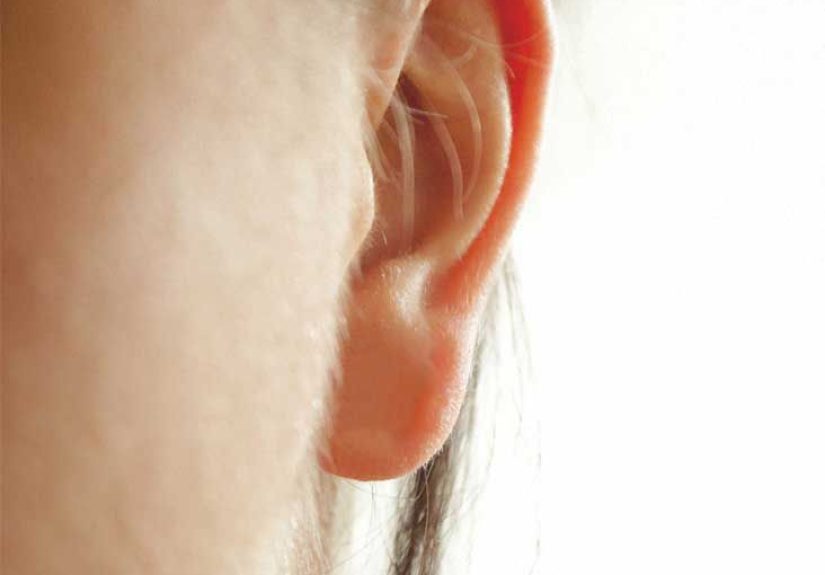
Vellus hair is the fine, soft, usually light-colored “peach fuzz” that covers most of your bodythink cheeks, arms, belly, legs, and the general “I swear I don’t have hair” zones that suddenly become very hair-y under a phone flashlight.
It’s typically shorter and thinner than the hair on your scalp. Most people have it on the face and body, but not on the palms of the hands, soles of the feet, lips, or eyelids.
Quick clarification, because hair names love drama: vellus hair is not lanugo. Lanugo is the soft “fetal” hair that develops before birth and usually sheds shortly after. In some situations (like severe undernutrition), lanugo can show up again and looks a bit more “fur-like” than normal peach fuzz.
Vellus Hair vs. Terminal Hair: Same Family, Different Personalities
Hair basically comes in two everyday “types”: vellus (fine and subtle) and terminal (thicker, longer, darker, and more noticeable). Terminal hair is what most people mean when they say “hair” without any qualifiers: scalp hair, eyebrows, eyelashes, and (after puberty) underarm and pubic hair.
How they differ in real life
- Thickness: Terminal hair is coarser; vellus hair is wispy and fine.
- Color: Terminal hair is usually more pigmented; vellus hair often looks lighter.
- Length: Terminal hair can grow long; vellus hair tends to stay short.
- Where it shows up: Vellus hair is widespread; terminal hair clusters in specific areas.
The fun (and sometimes annoying) part: follicles can “switch modes.” During puberty, rising hormones can trigger some vellus hairs to become terminal hair in areas like the armpits and pubic region. In certain hormone-driven conditions, that switching can happen in places where you’d rather not audition for a beard championship.
Why Your Body Keeps This “Soft-Launch” Hair
Vellus hair isn’t a cosmetic glitch. It has legit functionsquiet ones, but important:
1) Temperature regulation
Vellus hair helps your body manage temperature by providing a little insulation and helping sweat evaporate more efficiently. It’s not a parka, but it’s not nothing.
2) Skin protection
Hair can act like a tiny buffer between your skin and the outside world. Think of it as a light “filter” that may help reduce friction and minor irritation.
3) Sensory input
Ever feel a near-invisible brush of something on your arm and immediately look like a meerkat on high alert? Those fine hairs can help you detect light touch. They’re part of your skin’s “early warning system.”
How Vellus Hair Grows (Yes, It Has a Schedule)
Vellus hair grows from hair folliclestiny organs in your skin that produce hair fibers. Each follicle goes through a repeating cycle. The big idea: hair growth is not continuous forever. It’s more like a playlist on repeat with a few different tracks.
The hair growth cycle, in plain English
Most medical sources describe three core phasesanagen (growth), catagen (transition), and telogen (rest)and many also describe exogen as the shedding part of the process. (Hair science loves subcategories.)
- Anagen (growth): The follicle actively produces hair. For scalp hair, anagen can last years, which is why head hair can grow long.
- Catagen (transition): A short “wrap it up” phase where growth slows and the follicle shrinks.
- Telogen (rest): The follicle rests; the hair isn’t actively growing.
- Exogen (shedding): The old hair releases, making room for the next cycle’s hair.
So what’s different about vellus hair?
Vellus hair typically has a shorter growth phase than terminal hair, which helps explain why it stays short and fine. It’s not “lazy,” it just runs a shorter program. Terminal hair follicles (especially on the scalp) can stay in growth mode for a long time, producing longer, thicker strands.
How fast does hair grow?
Hair growth speed varies by body area, age, and genetics. On the scalp, many clinical sources describe growth around about 1 cm per month on average, and the anagen phase can last multiple years. Vellus hair doesn’t usually stick around in anagen long enough to reach dramatic lengthsso it remains “peach fuzz” instead of “ponytail.”
What Affects Vellus Hair Growth?
Vellus hair is normal. But it can become more noticeableor change into terminal hairdepending on what’s happening in your body. Here are the biggest influences.
1) Puberty: the classic “upgrade” moment
During puberty, increased androgen hormones can prompt vellus hair in certain areas (armpits, pubic region, and sometimes parts of the face and body) to become thicker, darker terminal hair. This is expected development, not a plot twist.
2) Hormones and androgens: when vellus turns terminal in new places
Androgens (including testosterone and related hormones) can influence hair follicles. In hormone-sensitive areas, they can stimulate follicles so that fine vellus hairs become terminal hairscoarser and more visible.
This matters because hirsutismexcess coarse hair growth in a pattern more typical of adult men (like the upper lip/chin, chest, back)is often linked to elevated androgens or increased follicle sensitivity to androgens. PCOS is a common cause, but not the only one.
3) Pattern hair loss: when terminal hair “downsizes” into vellus-like hair
Hair can also switch the other direction. In androgenetic alopecia (pattern hair loss), follicles may gradually miniaturizeproducing thinner, shorter hairs that can look more vellus-like over time. That’s one reason people describe seeing “finer” hairs in thinning areas.
4) Medical conditions and medications: when to pay attention
Sometimes, an increase in fine hair growth is a sign to zoom out and consider the bigger picture. For example, excessive vellus hair growth can be associated with conditions like Cushing syndrome or generalized hair overgrowth (hypertrichosis).
Medications can also affect hair patterns. Some drugs are associated with unwanted hair growth, and hair changes can occur during or after treatments like chemotherapy (where hair may shed and then regrow with a different texture at first).
Does Removing Peach Fuzz Make It Grow Back Thicker?
The short answer: no. Removing vellus hair doesn’t “train” your follicles to produce thicker hair. What people often notice is the feel: after shaving, the hair’s blunt end can feel stubbly as it grows out, which creates the illusion of thickness. Given a little time, the hair usually feels soft again.
If peach fuzz truly becomes darker/coarser over time, it’s more likely due to hormones, genetics, age, or medication effectsnot because you angered your follicles with a razor.
Removing Vellus Hair: Options From “Quick Fix” to “Forever-ish”
There’s no medical requirement to remove normal vellus hair. But if you want smoother skin for makeup, skincare, sensory preferences, or just because you feel like it, you’ve got options. The “best” choice depends on your skin, hair, budget, and how permanent you want the results.
At-home options
- Shaving: Fast, inexpensive, and common for facial peach fuzz. Use a clean tool and gentle technique.
- Depilatory creams: These dissolve hair at the surface. Facial formulas matterbody versions can be too harsh.
- Waxing or sugaring: Removes hair from the root, but can irritate sensitive facial skin.
- Threading: Great for small areas and precision, though it can be uncomfortable.
In-office or professional options
- Dermaplaning: A professional exfoliation technique that removes dead surface skin cells and fine vellus hair using a surgical blade. Many people love the immediate smoothness and makeup glide.
- Electrolysis: Targets individual follicles and is commonly described as a permanent removal option. It can take multiple sessions, especially when hormones are driving new growth.
- Laser hair removal (select cases): Lasers target pigment (melanin), so they tend to work best on darker, coarser hair. Many vellus hairs are too light/fine to respond well, which is why lasers can be hit-or-miss for peach fuzz.
Safety notes your skin will thank you for
- Patch test depilatory products.
- Avoid aggressive exfoliation immediately after hair removal (your barrier is already working overtime).
- Don’t bleach vellus hairit can irritate skin and may cause pigment changes in some people.
- If you’re acne-prone or easily irritated, consider professional guidance before frequent facial hair removal.
Can You Make Vellus Hair Grow (or Stop Growing)?
It depends on what you mean by “make it grow.”
If you mean scalp regrowth
In hair-loss treatment, people often talk about “baby hairs” appearing during regrowth. Some treatments (like topical minoxidil) are FDA-approved for androgenetic alopecia and are thought to support hair growth partly by affecting the hair cycleencouraging follicles into (or keeping them in) the growth phase longer. Results vary, and consistency matters.
If you mean less facial peach fuzz
If peach fuzz is simply normal vellus hair, removal is mostly a cosmetic strategy. If hair is becoming coarser and appearing in a male-pattern distribution, addressing potential underlying hormonal drivers (with a clinician) can matter just as much as hair removal.
A quick word about “hair growth hacks”
If a product promises to permanently change vellus hair overnight, it’s probably selling confidence in a bottle. Real follicle changes usually take time because hair cycles are slowand the most meaningful changes often involve hormones, genetics, and medical context.
When Vellus Hair Might Be a Clue, Not a Quirk
Most of the time, peach fuzz is just… peach fuzz. But consider checking in with a healthcare provider if you notice:
- Sudden or rapidly increasing hair growth (especially facial or body hair that becomes coarse).
- New hair changes plus acne, irregular periods, or other signs of hormonal shifts.
- Hair growth changes along with symptoms that could suggest an endocrine issue (your clinician can guide the workup).
- Significant distressbecause quality of life counts, and options exist.
A clinician may ask about medications, family history, menstrual patterns (if relevant), and may consider lab tests if hirsutism or endocrine disorders are suspected.
Conclusion
Vellus hair is the body’s low-key multitasker: fine, widespread, and generally there to help with temperature control, skin protection, and sensation. It grows through the same basic follicle cycle as other hair, but it usually stays short because its growth phase is shorter and its strands remain fine.
Where it gets interesting is when vellus hair changeseither “upgrading” into terminal hair in response to hormones (like puberty or androgen-related conditions) or when terminal hair miniaturizes into finer strands in pattern hair loss. If changes are sudden or paired with other symptoms, it’s worth getting medical input. Otherwise, you can let peach fuzz live its best lifeor remove it safely, guilt-free, and without fear of starting a follicle rebellion.
Real-World Experiences With Vellus Hair (500-ish Words)
People experience vellus hair in wildly different waysnot because anyone is “doing it wrong,” but because lighting, hormones, skin tone, and hair color can make peach fuzz either invisible… or suddenly the star of every selfie. Here are a few common, real-life patterns clinicians and skincare pros hear about (shared here as typical scenarios, not as individual medical advice).
The “Why does my face look fuzzy on camera?” moment
Many people first “meet” their vellus hair through a phone’s front-facing camera plus direct sunlight. The hair was already thereyour camera just decided to become a documentary filmmaker. Often, the emotional experience is bigger than the physical reality: in a normal mirror, everything looks fine; in a high-resolution close-up, you feel like you’re auditioning to play a peach. The takeaway: vellus hair is normal, and changing your lighting is sometimes the easiest “treatment.”
The dermaplaning honeymoon (and the totally normal return)
People who try dermaplaning often report an immediate “glass skin” effect: makeup goes on smoother, skincare feels like it absorbs better, and your face looks brighter because you removed fine hair plus surface buildup. Then, a few weeks later, the fuzz comes backsoft, not thicker, and usually right on schedule. The best experiences come from treating dermaplaning like a grooming choice, not a permanent conversion therapy for peach fuzz.
The “baby hairs” after starting minoxidil
In scalp hair-loss treatment, a common experience is seeing fine, short regrowth earlyoften described as “vellus-like” or “baby hairs.” Some people get excited, others panic because it’s not instantly thick. In reality, follicles can take time to produce thicker strands across multiple cycles. Consistency is often the difference between “I tried it” and “I gave it enough time to actually work.” Also: some people notice unwanted facial hair growth as a side effect, which is worth discussing with a clinician.
When peach fuzz starts acting like terminal hair
Another common experienceespecially for people dealing with PCOS or other hyperandrogen statesis noticing facial hair that’s no longer fine and light. It may become darker, coarser, and more persistent on the upper lip, chin, or jawline. The practical reality many people discover: hair removal alone can feel like a treadmill. The most empowering plans often combine cosmetic strategies (threading, waxing, electrolysis, etc.) with medical evaluation for underlying hormonal drivers, especially if there are other symptoms like acne or irregular cycles.
After illness or major stress: hair changes that feel personal
Big body stressorsillness, major life stress, and some medical treatmentscan shift hair cycling. People sometimes describe hair coming back finer at first, or noticing new fuzz in places they didn’t pay attention to before. That can feel unsettling, but it’s often part of the body’s slow recalibration. The best experience reports have one thing in common: patience plus a plan (gentle skincare, realistic timelines, and professional help when changes are dramatic or distressing).
Bottom line: vellus hair is normal, but your experience of it is real. If it bothers you, you’re not “vain”you’re human. And whether you choose acceptance, removal, or a deeper medical workup, you’re allowed to pick the option that makes you feel most like yourself.
References Used (US-Based Sites)
- Cleveland Clinic Health Library (Vellus Hair / Hair Follicle)
- NIH / NCBI Bookshelf (StatPearls: Hair Physiology; Hirsutism)
- NIH MedlinePlus Medical Encyclopedia (Unwanted Hair in Women; Genetics)
- Mayo Clinic (Hirsutism Overview and Causes)
- ReproductiveFacts.org (ASRM) (Hirsutism & PCOS)
- American Academy of Family Physicians (AAFP) (Hirsutism in Women)
- International Society of Hair Restoration Surgery (ISHRS) (Minoxidil)
- Health.com (Hair Growth Cycle Stages)
- Verywell Health (Terminal Hair and Puberty)
- PubMed (Minoxidil Review and Mechanisms)