Table of Contents >> Show >> Hide
- What Harvard Health reported
- What are ultra-processed foods, exactly?
- Why neck artery plaque is such a big deal
- Why ultra-processed foods may contribute to plaque buildup
- The nuance people miss
- What a heart-friendlier plate looks like
- Everyday experiences people recognize with ultra-processed eating
- Bottom line
If your grocery cart looks like a greatest-hits album of boxed snacks, frozen pizza, sweet pastries, and “just add microwave” miracles, this latest heart-health headline may feel a little personal. Harvard Health recently highlighted research linking ultra-processed foods to more plaque buildup in the carotid arteries, the major blood vessels in the neck that help carry blood to the brain. In other words, your arteries may not be thrilled that dinner came out of a shiny wrapper.
Before anyone dramatically throws their sandwich bread into the trash, let’s add some calm and context. This does not mean one cookie instantly turns your neck arteries into a traffic jam. It does mean that diets built heavily around ultra-processed foods appear to be associated with a higher burden of atherosclerotic plaque, which matters because carotid plaque can raise the risk of stroke. That is the big-picture takeaway, and it is worth paying attention to.
The good news is that this story is not really about perfection. It is about patterns. And patterns are changeable. You do not need to become a backyard kale farmer by Tuesday. You just need to understand what the research suggests, why the link makes biological sense, and how to make practical swaps that feel realistic in American everyday life.
What Harvard Health reported
Harvard Health summarized a 2025 study involving 768 adults with an average age of 71 who underwent MRI scans of their carotid arteries. Researchers compared people based on how much ultra-processed food they ate. Those in the highest intake group consumed about 11 daily servings of ultra-processed foods, while those in the lowest group consumed about 4.5 servings per day. The people eating more ultra-processed foods had more carotid plaque, even after researchers adjusted for other health conditions and habits.
That is important because the carotid arteries are not decorative plumbing. They supply blood and oxygen to the brain. When plaque builds up in them, the artery can narrow, blood flow can drop, and pieces of plaque or clot can travel upward and trigger a stroke. Johns Hopkins, MedlinePlus, Mayo Clinic, and Cleveland Clinic all describe carotid artery disease as a serious condition that may stay silent until a transient ischemic attack or stroke becomes the first warning sign. That is not exactly the kind of surprise anybody wants.
What are ultra-processed foods, exactly?
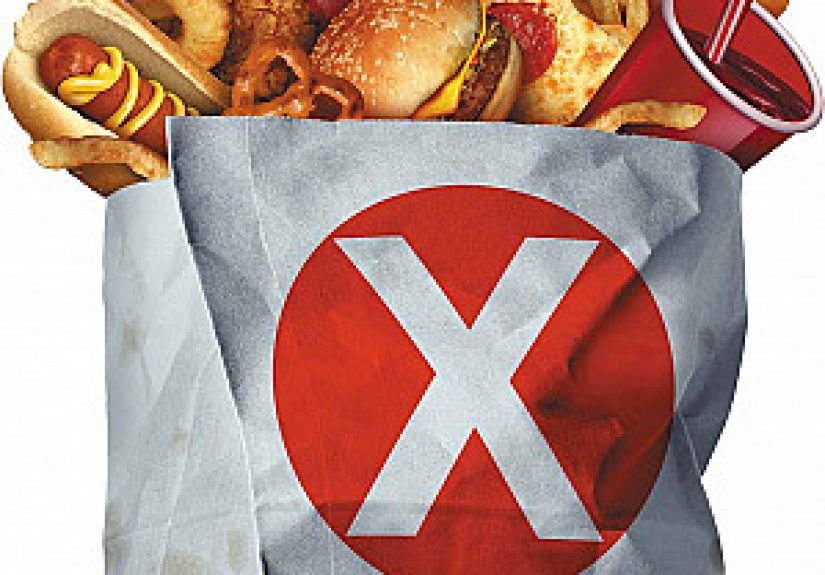
The phrase ultra-processed foods sounds a little academic, but the foods themselves are painfully familiar. They are typically industrially formulated items made with ingredients not commonly used in home kitchens, plus flavorings, stabilizers, emulsifiers, sweeteners, or preservatives designed to improve shelf life, texture, convenience, or craveability. Think sugary breakfast pastries, packaged cookies, chips, soda, processed meats, instant noodles, frozen pizza, many commercial desserts, and plenty of grab-and-go snack foods.
That said, this category is broad. Not every food that comes in a package is a nutritional villain wearing a fake mustache. The American Heart Association has emphasized that most ultra-processed foods in U.S. dietary patterns are high in saturated fat, sodium, and added sugars, but it also notes that not all ultra-processed foods are equally poor in nutritional quality. Some commercial whole-grain products, certain yogurts, and a limited number of plant-based items may fit into a healthier overall eating pattern.
So this article is not here to start a weird feud with all packaged foods. The bigger issue is dietary overload: too many foods that are hyper-palatable, easy to overeat, low in fiber, and packed with the exact nutrients public health agencies keep telling Americans to limit.
Why neck artery plaque is such a big deal
Carotid arteries have a very important job
Your carotid arteries run along each side of your neck and deliver oxygen-rich blood to your brain. When plaque builds up, the space inside the artery narrows. That narrowing is called carotid artery stenosis. If the blockage becomes severe or if a plaque fragment breaks loose, the result can be a stroke or a temporary warning event known as a TIA, or mini-stroke.
Plaque is not just “fat in the blood”
Atherosclerotic plaque is a complicated mix of cholesterol, fat, calcium, inflammatory material, and cellular debris. Over time, it stiffens and irritates artery walls. Mayo Clinic and Johns Hopkins both note that plaque buildup can reduce blood flow and increase the risk of serious cardiovascular events. This is why the Harvard Health report matters: it connects a common eating pattern with changes in arteries that feed the brain, not just a vague idea of “bad health.”
Why ultra-processed foods may contribute to plaque buildup
They are often loaded with the usual suspects
NHLBI, the FDA, CDC, and the American Heart Association all point toward the same core nutrition problems: too much saturated fat, sodium, and added sugar, with too little fiber and too few intact whole foods. Ultra-processed diets often make it easier to rack up calories while missing the nutrients that support heart health.
Sodium is one obvious troublemaker. CDC notes that more than 70% of the sodium Americans consume comes from packaged and prepared foods. High sodium intake raises the risk of high blood pressure, and high blood pressure damages blood vessels over time. Saturated fat can raise LDL cholesterol, which plays a major role in atherosclerosis. Added sugars can worsen diet quality, promote weight gain, and make it harder to stay within healthy calorie limits. It is basically a greatest-hits playlist of arterial annoyance.
Low fiber means less protection
Fiber is one of the quiet heroes of a heart-healthy diet. CDC and NIH guidance both emphasize fiber-rich foods such as fruits, vegetables, legumes, nuts, seeds, and whole grains because fiber can help with fullness, cholesterol management, and blood sugar control. Many ultra-processed foods are stripped of fiber or never had much to begin with. When fiber disappears, overeating tends to get easier and metabolic health tends to get shakier.
The processing itself may matter too
There is still scientific debate over how much of the risk comes from poor nutrition versus the processing methods, additives, and food structure. NIH has described this research area as complex and incomplete, but increasingly important. Some scientists suspect that certain ultra-processed foods may affect inflammation, satiety, the gut microbiome, or eating behavior in ways that go beyond simple calorie counts. ACC has also highlighted newer findings suggesting that higher ultra-processed food intake may be linked to cardiovascular risk even after accounting for calories and overall diet quality.
That does not prove direct causation. It does mean the conversation has moved beyond “a calorie is a calorie, now pass the frosted snack cakes.”
The nuance people miss
Nutrition stories love drama. Real life does not. This is an association, not a courtroom conviction. The Harvard-linked carotid plaque study does not prove that ultra-processed foods directly caused every bit of plaque in every participant. Observational studies are incredibly useful, but they cannot control for every variable with the precision of a long-term randomized trial.
Still, the direction of the evidence is not random. NIH has also pointed to large observational research linking high ultra-processed food intake with greater cardiovascular disease risk, coronary heart disease risk, and stroke risk. When multiple studies, multiple institutions, and multiple public health groups keep circling the same dietary pattern, it is smart to pay attention.
The more honest takeaway is this: not every packaged food is a disaster, but a diet dominated by ultra-processed foods is probably not doing your arteries any favors.
What a heart-friendlier plate looks like
The solution is not culinary martyrdom. It is replacement. NIH and MedlinePlus recommend eating patterns built around vegetables, fruits, beans, fish, lean proteins, whole grains, nuts, seeds, and lower-fat dairy. DASH and similar heart-healthy eating plans also emphasize limiting sugar-sweetened beverages, saturated fat, and heavily salted convenience foods.
Easy upgrades that actually work
- Swap pastries or frosted cereal for oatmeal with fruit and nuts.
- Replace processed deli meat lunches with beans, tuna, grilled chicken, or homemade egg salad.
- Trade chips for roasted chickpeas, fruit, plain popcorn, or nuts in sensible portions.
- Choose plain yogurt and add fruit yourself instead of buying dessert disguised as breakfast.
- Keep frozen vegetables around so convenience works for you instead of against you.
- Read Nutrition Facts labels and compare saturated fat, sodium, and added sugars before tossing something into the cart.
The FDA makes label-reading much easier than it used to be. Saturated fat, sodium, and added sugars are the main “less is better” numbers to watch. If two products look similar, the one with lower sodium and added sugar often deserves the promotion to your pantry.
You do not need to ban convenience
Convenience is not the enemy. Chaos is. A bagged salad kit, frozen vegetables, canned beans with reduced sodium, plain Greek yogurt, rotisserie chicken, and microwaveable brown rice can help people build faster meals without leaning so hard on ultra-processed snacks and frozen entrées. A realistic healthy diet usually includes a little convenience. The goal is to make convenience less sugary, less salty, less greasy, and more nutrient-dense.
Everyday experiences people recognize with ultra-processed eating
One reason this topic hits home is that ultra-processed foods are woven into normal life. A lot of people do not wake up planning to eat a highly processed diet. It just happens quietly. Breakfast is a packaged muffin eaten in the car. Lunch is a deli sandwich, chips, and soda because work is busy. Dinner is frozen pizza because everyone is tired and nobody wants to chop vegetables at 8:20 p.m. Then there are the handfuls of crackers, cookies, or candy grabbed between tasks. None of this feels dramatic in the moment. It feels efficient. That is exactly why these foods can take over.
Many adults also describe a weird cycle with ultra-processed meals: they are easy, tasty, and oddly unsatisfying at the same time. You eat quickly, get a short burst of comfort, then feel hungry again sooner than expected. A lunch heavy in refined starch, sodium, and low-fiber snack food can leave you sleepy at 2 p.m. and rummaging for something sweet by 3:30. People often blame themselves for lacking willpower, when the bigger issue is that these foods are engineered for convenience and repeat eating, not necessarily for lasting fullness or stable energy.
Older adults may have a different version of the same experience. Cooking for one person can feel like a chore, so packaged soups, frozen dinners, crackers, sweet baked goods, or processed meats start showing up more often. They are easy to store, easy to chew, and easy to prepare. But they can also be high in sodium, saturated fat, or added sugars. Over time, that routine may clash with blood pressure goals, cholesterol goals, and overall vascular health. The carotid plaque findings are especially relevant here because the Harvard Health report focused on older adults, a group already facing higher cardiovascular risk.
Parents and caregivers know another version: the family schedule becomes the meal planner. One kid has practice, another has homework, one adult is answering emails, and suddenly dinner is drive-thru plus a dessert that came in a family-size box for “sharing,” which in practice means “gone by Thursday.” The experience is not laziness. It is modern time pressure. That is why better strategies matter more than guilt. Small changes such as keeping fruit visible, prepping sandwich ingredients, buying no-salt-added beans, or replacing sugary drinks with water or sparkling water can quietly shift the pattern without requiring a full lifestyle reboot.
There is also the social side. Ultra-processed foods are everywhere people relax: movie nights, office meetings, road trips, sports events, holiday parties, late-night gaming sessions. They are convenient, affordable, and aggressively tasty. That makes them easy to normalize. Many people do not notice how often they are eating them until they start reading labels or tracking meals for a week. The useful experience here is not panic. It is awareness. Once people see the pattern, they often realize they can keep the fun parts of eating while changing the default. More home-prepped meals, more fiber, more produce, smarter snacks, fewer sugary drinks, fewer processed meats. Those modest shifts may not feel glamorous, but your arteries are not looking for glamour. They are looking for a little peace and a lot less plaque.
Bottom line
The Harvard Health headline is striking because it links a modern eating habit with a very real vascular problem: more ultra-processed food intake was associated with more plaque in the arteries that help feed the brain. That does not mean one food is destiny, but it does reinforce something heart specialists and public health agencies have been saying for years. Diets built mostly around minimally processed foods, fiber-rich plants, lean proteins, and smarter fats are better for the cardiovascular system than diets dominated by salty, sugary, industrially formulated convenience foods.
So no, you do not need to swear eternal revenge on every cracker in your cupboard. But if ultra-processed foods are doing most of the heavy lifting in your diet, it may be time to let fruits, vegetables, beans, fish, oats, nuts, and simple homemade meals steal a little of their spotlight. Your brain, heart, and neck arteries are likely very into that plan.