Table of Contents >> Show >> Hide
- What You’ll Learn
- What Is Type 2 Diabetes?
- Symptoms: The Classic Signs (and the Sneaky Ones)
- Causes and Risk Factors: Why Does Type 2 Diabetes Happen?
- Diagnosis: Tests, Numbers, and What They Actually Mean
- Treatment: Lifestyle, Medications, and Monitoring (A Team Sport)
- Complications: Why Follow-Up Matters (Even When You Feel Fine)
- Prevention: Lowering Risk and Delaying Progression
- A Practical “Living Well With Type 2 Diabetes” Checklist
- FAQs
- Real-World Experiences and Lessons (An Extra 500+ Words)
- Conclusion
Type 2 diabetes is one of those conditions that can be quietly sneakyuntil it isn’t. It can simmer in the background for years,
and then suddenly your body starts dropping hints like: “Hey, why am I thirsty all the time?” or “Why do my socks feel like sandpaper?”
(Spoiler: nerve irritation can do that.)
The good news: type 2 diabetes is highly manageable, and in some cases, people can even reach remission with significant,
sustained weight loss and the right medical support. The not-as-fun news: it’s also a serious condition that can affect your heart,
kidneys, eyes, nerves, and circulation if left untreated.
This guide walks you through what type 2 diabetes is, what causes it, how it’s diagnosed, how it’s treated,
and what prevention actually looks like in real life (hint: it’s not “never look at a cupcake again”).
Medical note: This article is for education, not personal medical advice. If you think you may have diabetes or feel unwell, contact a healthcare professional.
What Is Type 2 Diabetes?
Type 2 diabetes is a chronic condition where your blood glucose (blood sugar) stays higher than normal.
The “type 2” part typically involves two problems happening at once:
- Insulin resistance: Your cells don’t respond to insulin effectively, so glucose has trouble getting from your blood into your cells.
- Reduced insulin production over time: The pancreas tries to compensate by making more insulin, but eventually can’t keep up.
Think of insulin as the key that unlocks your cells so glucose can enter and be used for energy.
In type 2 diabetes, the lock gets rusty (resistance) and the key-maker gets tired (less insulin production).
Type 2 diabetes is different from type 1 diabetes, where the immune system attacks insulin-producing cells.
It’s also different from gestational diabetes, which occurs during pregnancy (though having it can raise future risk of type 2).
Symptoms: The Classic Signs (and the Sneaky Ones)
A tricky thing about type 2 diabetes is that many people have few or no symptoms at first.
When symptoms do show up, they often develop graduallyso gradually that your brain goes, “This is fine.”
(It is not always fine.)
Common symptoms
- Increased thirst and a dry mouth that won’t quit
- Frequent urination, especially at night
- Increased hunger (even when you’re eating normally)
- Fatigue that feels like you’re running on low battery
- Blurred vision
- Slow-healing cuts or frequent infections
- Numbness/tingling in hands or feet
- Unexplained weight loss (less common in type 2, but possible)
When symptoms need urgent attention
Very high blood sugar can lead to dangerous dehydration and confusion. If someone has severe weakness, confusion,
trouble breathing, fainting, or can’t keep fluids downespecially with diabetes symptomsseek urgent medical care.
If you’re ever worried someone may be in immediate danger, call emergency services.
A quick “should I get tested?” gut-check
If you’ve got multiple symptoms (thirst + peeing + fatigue, for example), or you have risk factors (discussed next),
it’s worth talking to a clinician about screening. Getting tested is usually simple. Ignoring it is the expensive option.
Causes and Risk Factors: Why Does Type 2 Diabetes Happen?
Type 2 diabetes doesn’t have a single cause. It’s more like a group project where genetics, environment,
and lifestyle all contributeoften without anyone agreeing on a timeline.
The core biology: insulin resistance + beta-cell strain
Many people develop insulin resistance first. To keep blood sugar normal, the pancreas produces more insulin.
Over time, those insulin-producing cells can struggle, and blood sugar rises into prediabetes and then diabetes.
Major risk factors
- Family history of type 2 diabetes
- Excess body weight (especially around the abdomen)
- Physical inactivity
- Age (risk rises with age, though more younger adults are now affected)
- History of gestational diabetes or delivering a large baby
- Prediabetes
- High blood pressure and/or unhealthy cholesterol levels
- Polycystic ovary syndrome (PCOS)
- Sleep problems (including sleep apnea) and chronic stress (often linked with weight and metabolic risk)
Important nuance: weight is a risk factor, not a moral scorecard. Biology is complex.
Two people can eat similarly and have very different outcomes due to genetics, sleep, medications, stress, muscle mass,
and how the body stores fat. The goal isn’t blameit’s strategy.
Diagnosis: Tests, Numbers, and What They Actually Mean
Type 2 diabetes is diagnosed with blood tests. Clinicians often confirm the diagnosis with
a repeat test on a different day (unless symptoms are clear and blood sugar is very high).
A1C test (average over ~3 months)
The A1C test reflects your average blood sugar over the past couple of months (often described as about 3 months).
It’s popular because you usually don’t need to fast.
- Normal: below 5.7%
- Prediabetes: 5.7% to 6.4%
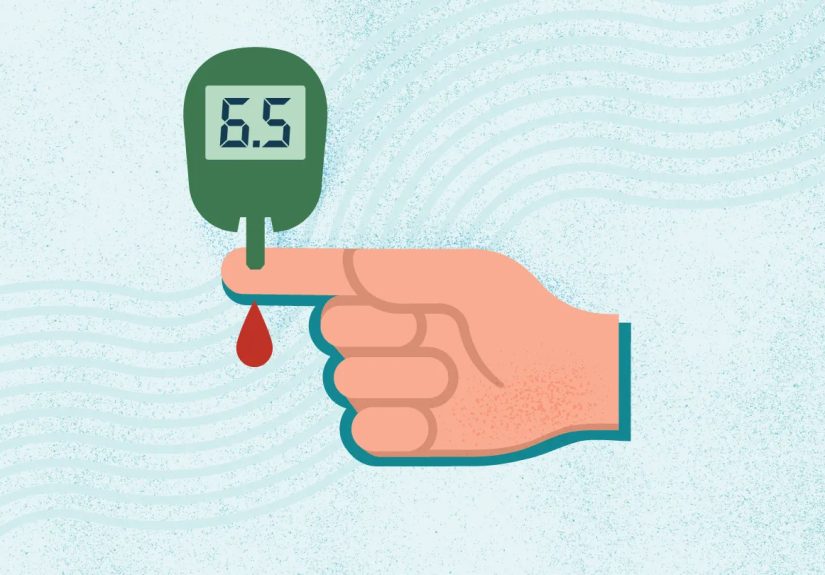
- Diabetes: 6.5% or higher (typically confirmed with a second test)
Fasting plasma glucose (FPG)
This measures blood sugar after fasting (often at least 8 hours).
- Normal: below 100 mg/dL
- Prediabetes: 100 to 125 mg/dL
- Diabetes: 126 mg/dL or higher (confirmed)
Oral glucose tolerance test (OGTT)
After fasting, you drink a sweet glucose solution and your blood sugar is checked later (commonly at 2 hours).
It’s more time-consuming, but can catch problems other tests miss.
Random plasma glucose (with symptoms)
If you have classic symptoms, a random blood sugar test can be used. Very high results with symptoms can support diagnosis.
What happens after diagnosis?
Many clinicians also check blood pressure, cholesterol, kidney function, and sometimes liver health.
Why? Because type 2 diabetes often travels with a “metabolic entourage,” and treating the whole picture lowers complications.
Example: A patient gets tested after months of fatigue and frequent urination. Their A1C is 7.2%.
The clinician repeats the A1C (or uses another diagnostic test) to confirm, then starts a plan:
nutrition changes, walking goals, and often medicationplus checking blood pressure, kidney labs, and cholesterol.
Treatment: Lifestyle, Medications, and Monitoring (A Team Sport)
Type 2 diabetes treatment isn’t one-size-fits-all. The best plan is individualized based on your blood sugar levels,
other health conditions (especially heart and kidney disease), preferences, access, side-effect tolerance,
and what you can realistically sustain.
1) Lifestyle: the foundation that makes everything else work better
Lifestyle changes aren’t a punishment; they’re powerful tools. Even modest improvements can lower blood sugar and improve
insulin sensitivitysometimes dramatically.
Nutrition (no, you don’t need to “ban carbs forever”)
- Prioritize fiber: vegetables, beans, lentils, whole grains, berries.
- Choose protein and healthy fats to slow glucose spikes: eggs, fish, poultry, tofu, nuts, olive oil.
- Reduce sugary drinks (often the fastest win for many people).
- Plan balanced plates: half non-starchy vegetables, a quarter protein, a quarter high-fiber carbs.
You don’t need “perfect.” You need “repeatable.” If your plan collapses the second you get busy, it wasn’t a planit was a fantasy novel.
Physical activity
Exercise helps your body use insulin more effectively. A mix of aerobic activity (like brisk walking)
and strength training (to build muscle that soaks up glucose) is often recommended.
If you’re starting from zero, start tiny. Ten minutes after dinner can be surprisingly effective.
Consistency beats intensity, especially early on.
Weight management and sleep
Losing even a modest amount of weight can improve insulin resistance in many people.
Also, sleep matters: poor sleep can worsen insulin resistance and appetite regulation.
2) Medications: choosing the right tool for the right job
Not everyone with type 2 diabetes needs medication right away, but many doand that’s okay.
Medication is not a “failure.” It’s a normal part of treatment for a progressive metabolic disease.
Common medication categories (plain-English edition)
- Metformin: often a first-line medication; helps lower glucose production in the liver and improves insulin sensitivity.
GI side effects can happen, and extended-release versions may be easier for some people. - GLP-1 receptor agonists: help with blood sugar, often support weight loss, and some have heart benefits.
Some are injections; some are oral. Nausea can occur, especially early. - SGLT2 inhibitors: help the kidneys remove excess glucose through urine; some have heart and kidney benefits.
They can increase the risk of certain genital infections and require individualized guidance. - DPP-4 inhibitors: modest glucose-lowering, generally well-tolerated for some people.
- Sulfonylureas: increase insulin release; can cause low blood sugar (hypoglycemia) and weight gain in some people.
- Thiazolidinediones (TZDs): improve insulin sensitivity; may cause weight gain or fluid retention for some people.
- Insulin: may be needed if blood sugar is very high at diagnosis, during illness, pregnancy planning,
or later when the pancreas produces less insulin.
Many modern guidelines emphasize choosing medications based not only on A1C, but also on
cardiovascular and kidney risk. Translation: if you have (or are at high risk for) heart or kidney disease,
your clinician may prioritize medication classes shown to help protect those organs.
Hypoglycemia: the “too low” problem
Some diabetes medicines can cause low blood sugar, especially insulin and sulfonylureas.
Symptoms can include shakiness, sweating, fast heartbeat, confusion, or feeling suddenly “off.”
Severe hypoglycemia is an emergency and requires immediate help.
3) Monitoring: A1C, finger-sticks, and CGMs
Monitoring helps you and your care team adjust the plan. Many people track A1C every few months at first,
then less often once stable (your clinician will individualize timing).
Home glucose monitoring may be recommended depending on medications, symptoms, pregnancy plans, and goals.
Continuous glucose monitors (CGMs) can be helpful for some people to understand patternsespecially if hypoglycemia is a concern.
4) Education and support: the underrated superpower
Diabetes Self-Management Education and Support (DSMES) programs teach practical skillsfood planning, activity,
medication routines, problem-solving, and coping strategies. Many people report that DSMES turns diabetes
from “mysterious and scary” into “structured and manageable.”
Bottom line: The best treatment plan is the one you can actually followand that also protects your long-term health.
Complications: Why Follow-Up Matters (Even When You Feel Fine)
High blood sugar over time can damage blood vessels and nerves, increasing the risk of complications.
This is why clinicians care about trends, not just one “good week.”
Common long-term complications
- Heart and blood vessel disease: higher risk of heart attack, stroke, and heart failure
- Kidney disease: diabetes is a leading cause of chronic kidney disease
- Eye disease: including diabetic retinopathy and vision loss risk
- Nerve damage (neuropathy): pain, numbness, tinglingoften starting in the feet
- Foot problems: due to nerve damage and reduced circulation
- Infections and slower healing
The “invisible” nature of early complications is exactly why routine checkups matter.
Preventive carelike eye exams and kidney lab checkscan catch issues early when they’re most treatable.
Prevention: Lowering Risk and Delaying Progression
Type 2 diabetes is often preventable or delayableespecially when caught at the prediabetes stage.
Prevention isn’t about willpower; it’s about stacking the odds in your favor.
Screening: who should consider testing?
Many organizations recommend screening adults with risk factors. In the U.S., a widely cited recommendation supports screening
adults ages 35 to 70 who have overweight or obesity, and offering effective preventive interventions for those with prediabetes.
Evidence-backed prevention strategies
- Structured lifestyle programs: programs like the CDC-led National Diabetes Prevention Program focus on sustainable nutrition,
physical activity, and coping skills. Participation has been shown to significantly cut the risk of developing type 2 diabetes in people with prediabetes. - Physical activity: regular movement improves insulin sensitivity.
- Weight loss when appropriate: even modest loss can help, and larger sustained loss can sometimes lead to remission in type 2 diabetes.
- Medication in select cases: clinicians may use metformin for some higher-risk individuals with prediabetes.
Prevention isn’t “all or nothing.” If you improve one habitsay, you swap soda for water most daysthat’s not small.
That’s a daily metabolic vote in your favor.
A Practical “Living Well With Type 2 Diabetes” Checklist
If you like clear next steps, here’s a simple, realistic checklist. Not everything applies to everyoneuse it as a menu, not a mandate.
- Know your key numbers: A1C, blood pressure, cholesterol, kidney labs (as ordered by your clinician).
- Build repeatable meals: 2–3 breakfasts and lunches you can rotate without thinking too hard.
- Move daily: even short walks after meals can help.
- Protect your feet: check for cuts/blisters; get foot guidance if you have neuropathy symptoms.
- Schedule eye and dental care: diabetes can affect eyes and gum health over time.
- Ask about DSMES: skills-based education can make everything easier.
- Plan for lows if you’re at risk: learn symptoms and keep fast-acting carbs available if advised by your clinician.
- Take stress and sleep seriously: they’re not “extras”; they affect metabolism.
FAQs
Can type 2 diabetes be cured?
There’s no guaranteed “cure,” but some people achieve remission, meaning blood sugar stays below the diabetes range without
glucose-lowering medication for a defined period. Remission is more likely with significant, sustained weight losssometimes via intensive
lifestyle change or metabolic (bariatric) surgeryespecially earlier in the disease course.
Does having type 2 diabetes mean I can never eat dessert again?
Not necessarily. Many people can include treats occasionally by planning portions, pairing with protein/fiber,
and focusing on overall patterns. Sustainable eating beats “perfect for 12 days, then done forever.”
Why do two people with the same A1C get different treatments?
Because context matters: age, hypoglycemia risk, heart/kidney disease risk, weight goals, medication tolerance,
cost/access, and personal preferences can all influence the best next step.
What’s the biggest first step if I’m overwhelmed?
Pick one “high-impact, low-drama” change: remove sugary drinks most days, walk 10 minutes after dinner,
or build one repeatable breakfast. Small steps become systemsand systems are what improve health long-term.
Real-World Experiences and Lessons (An Extra 500+ Words)
The clinical facts matter, but so does the lived reality: type 2 diabetes shows up in everyday momentsat breakfast,
during stressful weeks, in the pharmacy line, and at the family BBQ where someone insists you “can’t eat that.”
(Yes, you can probably eat something. No, you don’t need the unsolicited lecture with a side of judgment.)
One common experience is that people don’t realize anything is wrong until routine labs. A lot of folks describe feeling
“a little more tired than usual” for months, chalking it up to work, parenting, or just getting older.
Then an A1C result comes back elevated, and suddenly there’s a name for what felt like vague background noise.
For many, that moment is both scary and oddly relieving: scary because it’s real, relieving because it’s explainableand treatable.
Another pattern people report is the “small change, big payoff” surprise. For example, cutting out sweetened beverages
soda, sweet tea, fancy coffee drinkscan drop daily sugar intake dramatically without touching the rest of the diet.
People often expect diabetes management to require a complete personality transplant (“Hello, I am now a person who meal-preps quinoa at dawn”).
Instead, they learn that a few high-leverage moves can make numbers improve fast, which builds motivation to keep going.
Many people also describe the learning curve of pairing foods. The first time someone watches their glucose spike after a bowl of cereal,
they may feel betrayed by breakfast. But then they try a different approachadding protein (like eggs or Greek yogurt),
choosing a higher-fiber option, or reducing portion sizeand the pattern changes. It’s less about never eating carbs
and more about understanding how your body responds. This is one reason some people love CGMs: not because they’re “high-tech,”
but because they turn mystery into feedback. (And feedback is way more useful than guilt.)
Medication experiences vary widely. Some people do great on metformin; others struggle with stomach upset until they switch
to an extended-release form or adjust timing with meals. People starting GLP-1 medications often mention appetite changes
and slower eatingsometimes they simply feel full sooner, which can support weight loss when combined with sustainable food choices.
And some people need insulin at diagnosis if blood sugar is very high, which can feel intimidating at first.
A frequent “aha” moment is realizing insulin isn’t a punishment; it’s a tool that protects the body from prolonged high glucose.
With education and routine, injections can become just another part of daily lifelike brushing your teeth, but with slightly more math.
Social situations can be surprisingly challenging. People talk about navigating comments like “Should you be eating that?”
or “My cousin cured diabetes with celery water.” Many learn to prepare short scripts:
“ThanksI’m following a plan with my clinician,” or “I’m focusing on balance, not perfection.”
Some even bring a dish they enjoy to gatherings so they don’t feel trapped between hunger and awkwardness.
Finally, one of the most consistent experiences is that support makes everything easier. Whether it’s a DSMES class,
a walking buddy, a family member who learns alongside you, or a clinician who treats you like a person (not a lab result),
people do better when they’re not doing it alone. Type 2 diabetes management is long-term.
And in long-term projects, encouragement beats shame every single time.