Table of Contents >> Show >> Hide
- What Exactly Is a Duck Canvas Axe Case?
- Why Duck Canvas Beats a Naked Axe Head
- Duck Canvas vs Leather vs Nylon: Which Is Best?
- Key Features of a Great Duck Canvas Axe Case
- Using and Caring for a Duck Canvas Axe Case
- Who Actually Needs a Duck Canvas Axe Case?
- DIY Duck Canvas Axe Case: Basic Approach
- Common Mistakes to Avoid
- Real-World Experiences With Duck Canvas Axe Cases
- Conclusion: A Simple Upgrade That Changes How You Carry Your Axe
If you’ve ever tossed a bare axe into the back of your truck, only to hear it clank menacingly against everything you love and own, this article is for you. A duck canvas axe case looks simple from the outside, but it’s quietly doing three crucial jobs at once: protecting your axe, protecting your gear, and protecting you from an unwanted surprise tetanus shot.
In the world of outdoor gear, duck canvas sits in a sweet spot: tougher than regular cotton canvas, more breathable and heritage-looking than synthetic nylon, and usually more affordable and low-maintenance than leather. That’s why more brands, makers, and DIYers are choosing duck canvas axe cases and sheaths for daily carry, overlanding, and bushcraft setups.
Let’s dig into what makes duck canvas special, what to look for in a good axe case, how it stacks up against leather and nylon, and some real-world experiences that show why this humble fabric has earned a permanent place in many camp kits.
What Exactly Is a Duck Canvas Axe Case?
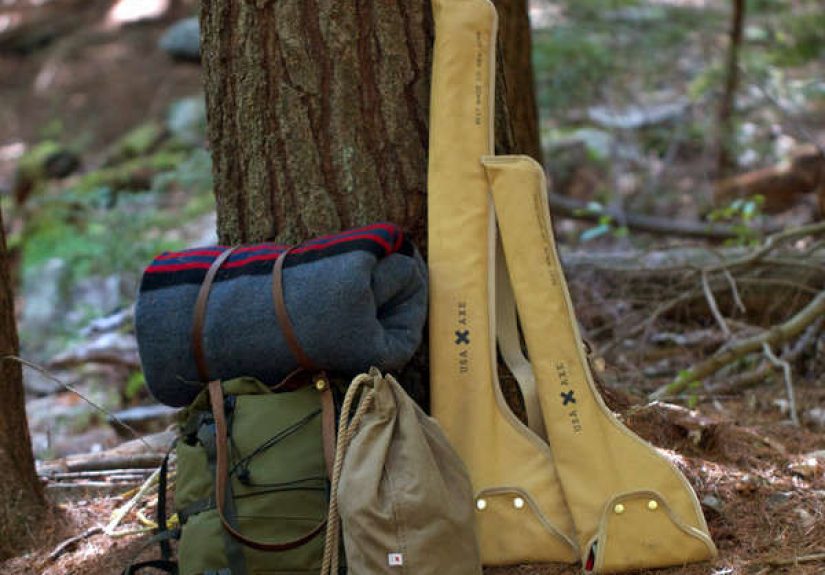
A duck canvas axe case is a protective cover, sheath, or carry sleeve made from heavy-duty duck canvas fabric. Think of it as a rugged jacket for your axe: it wraps around the head (and sometimes the handle), shielding the blade from damage and everything else from the blade.
Duck canvas itself is a tightly woven, plain-weave cotton fabric known for its strength, abrasion resistance, and natural water resistance. Compared with regular canvas, duck canvas has a denser weave and smoother surface, which makes it more hard-wearing and better suited for heavy-duty outdoor gear like tents, tarps, tool rolls, and – you guessed it – canvas axe covers.
Some premium axe cases use waxed duck canvas, which adds a layer of wax to boost water resistance and durability. Waxed canvas has been used in workwear and outdoor jackets for over a century because it shrugs off rain, snow, and grime while aging with that nice, lived-in patina gear nerds love.
Why Duck Canvas Beats a Naked Axe Head
1. Safety First (And Fingers Intact)
Walking around camp with a bare axe in your hand or strapped to your pack is a recipe for “that story people tell about you later.” A duck canvas axe sheath covers the cutting edge so you’re less likely to slice your hand, your jacket, or your tent while moving around.
Most well-designed cases include a reinforced blade pocket and a snap or buckle closure so the axe head can’t slip out accidentally. Some even feature belt loops or carry straps so you can keep your hands free while hiking or working.
2. Protecting the Edge You Paid Good Money For
The sharper your axe, the more fun it is to use – and the easier it is to damage if you toss it in with metal gear, rocks, or other tools. Duck canvas, especially in heavier weights (like 12 oz, 15 oz, or 18 oz), absorbs impacts and resists abrasion, helping keep your edge protected when you’re traveling or storing the axe.
Some high-end axe cases add a padded interior or a second inner layer (like Cordura or another heavy fabric) so the axe head is hugged from both sides. That extra structure helps prevent dings and chips during transport.
3. Keeping Rust and Moisture in Check
Is duck canvas totally waterproof? Not by default – but it is naturally water resistant thanks to its tight weave. It handles light rain and splashes well, and treated or waxed duck canvas can be highly water-repellent.
That matters because an axe stored in a damp environment can rust quickly. A duck canvas axe case acts as a first barrier between the blade and the elements. Pair it with a light coat of oil or rust-preventive on the metal, and your axe will stay ready for chopping instead of soaking in vinegar for rust removal.
Duck Canvas vs Leather vs Nylon: Which Is Best?
If you’re choosing between a duck canvas axe case, a leather sheath, and a nylon cover, each material has its personality. Here’s a quick way to think about them:
Duck Canvas
- Pros: Tough, naturally water resistant, breathable, quieter than plastic or nylon, affordable, easy to repair, develops character over time.
- Cons: Not fully waterproof unless waxed or treated, can stain from pitch or oil, may feel stiff at first.
Leather
- Pros: Classic look, excellent cut resistance, long-lasting when cared for, rigid structure protects the edge very well.
- Cons: Higher price, needs regular conditioning, can get stiff or crack if neglected, can be heavy and bulky.
Nylon / Synthetic
- Pros: Lightweight, very weather resistant, easy to clean, often inexpensive.
- Cons: Can melt under high heat, doesn’t age as nicely, louder and more “plastic” feeling, may not match the aesthetic of traditional axes and bushcraft setups.
For many campers and homesteaders, duck canvas hits the balance between traditional look, rugged performance, and practical pricing. It’s especially appealing if you already love waxed canvas jackets, packs, or bushcraft tool rolls.
Key Features of a Great Duck Canvas Axe Case
Not all canvas axe cases are created equal. If you’re shopping around or planning to make one yourself, here are the details that matter.
1. Heavy-Duty Duck Canvas
Look for mid- to heavyweight duck canvas – typically in the 12–18 oz range. Lighter fabric might feel more flexible, but it won’t offer the same cut resistance or durability. Army duck and similar tightly woven fabrics are popular choices for outdoor gear because they balance strength with reasonable weight.
2. Reinforced Stitching and Rivets
The edge of an axe is not gentle on fabric. Reinforced stitching (like bar tacks at stress points) and metal rivets at corners help prevent the case from tearing open over time. Many commercial cotton duck sheaths use a combo of stitching and rivets to keep seams secure despite repeated use.
3. Secure Closure System
A good duck canvas axe sheath should not rely on hope to stay closed. Common closure options include:
- Metal snaps for quick one-handed operation
- Buckles for a more adjustable, traditional look
- Hook-and-loop (Velcro) on more modern, utilitarian designs
- Paracord wraps or tie closures on minimalist bushcraft-style covers
4. Padding or Lining
Some premium axe cases add foam padding or a second layer of abrasion-resistant fabric (like Cordura or double-layer canvas) inside the blade pocket. This can protect both the edge and any gear near it – especially if you carry your axe inside a pack with clothes, food, or electronics.
5. Carry Options and Compatibility
Think about how you’ll actually carry the axe:
- Belt loops for on-body carry around camp or while working.
- Shoulder straps for longer hikes or when carrying a bucksaw and axe together.
- Pack attachment points (like D-rings or webbing) so you can lash it to the outside of your backpack.
Using and Caring for a Duck Canvas Axe Case
How to Use It Correctly
- Inspect and clean the axe head before storing it. Wipe off sap, pitch, and moisture.
- Lightly oil the blade if you’re storing the axe for more than a day or two, especially in humid climates.
- Seat the head fully into the case so the cutting edge rests in the reinforced section.
- Engage the closure – snap, buckle, or tie – and give it a quick tug to ensure it’s secure.
Cleaning and Maintenance Tips
- Spot clean only: Use a damp cloth and mild soap for dirt or sap. Avoid harsh detergents that strip natural finishes or wax.
- Air dry: Never toss a waxed or treated canvas case in the dryer. Just hang it up and let it dry naturally.
- Re-wax when needed: If your case is waxed canvas and you notice it soaking up water instead of beading it, reapply wax following the manufacturer’s instructions.
- Store dry: Don’t leave a wet axe in a wet case in a damp shed and expect magic. Let both dry fully before long-term storage.
Who Actually Needs a Duck Canvas Axe Case?
Short answer: anyone who owns an axe and likes their fingers, their gear, and their vehicle interior.
- Car campers: Tossing your axe into a trunk with coolers, stoves, and sleeping bags? A canvas axe cover keeps everything safer.
- Backpackers and bushcrafters: Strapping an axe to your pack or sliding it inside? A duck canvas axe sheath controls the blade and keeps it from chewing through fabric.
- Homesteaders and property owners: If your axe lives in the barn, truck, or garage, a case keeps it from rusting and protects other tools on the rack.
- DIY and maker crowd: If you invest time into restoring or hand-forging an axe, a nice duck canvas case is like the finishing touch on the project.
DIY Duck Canvas Axe Case: Basic Approach
If you’re handy with a sewing machine, you can absolutely DIY your own duck canvas axe case. The patterns are fairly simple compared with complex garments, and duck canvas is forgiving to work with – just use a heavy needle and strong thread.
A basic DIY process might look like this:
- Trace the outline of your axe head onto cardboard, adding generous seam allowance and extra space for padding.
- Cut two mirror-image panels from duck canvas.
- Add optional padding or lining to the inside panel.
- Sew the panels together around the edge, leaving the handle opening clear.
- Reinforce high-stress points with bar tacks or rivets.
- Attach a strap, snap, or buckle closure to secure the head.
Many makers adapt tool-roll concepts from waxed canvas bushcraft rolls and utensil organizers – with multiple pockets for saws, wedges, or sharpening stones living alongside the axe itself.
Common Mistakes to Avoid
- Going too thin on fabric: Lightweight canvas may look fine, but it won’t stand up to a sharp edge under pressure.
- Ignoring reinforcement: A single row of stitching on a stress point is just an invitation for a dramatic failure later.
- Skipping rust prevention: A canvas case helps, but it doesn’t replace proper blade care and oiling.
- Improper sizing: A case that’s too tight is annoying to use; one that’s too loose doesn’t secure the blade well.
Real-World Experiences With Duck Canvas Axe Cases
Specs and fabric weights are helpful, but what really sells people on duck canvas axe cases is how they perform in actual use. Here are some lived-in scenarios that show why this material has quietly become a favorite among outdoor folks.
The Weekend Warrior’s Truck Toss Test
Picture a Saturday morning: coffee in hand, you’re hauling gear into the truck for a quick camping trip. Cooler, stove, totes, folding table – and your trusty camp axe. Before the duck canvas case, tossing that axe into the bed meant hearing it slide around and smack into everything each time you braked. After picking up a simple duck canvas axe sheath with a snap closure and belt loop, the axe suddenly becomes just another piece of organized kit. It rides next to the camp chairs, edge covered, handle easy to grab when you get to camp. No shredded cooler, no mystery cut in the sleeping bag when you arrive.
The Bushcrafter’s Pack Companion
For bushcraft enthusiasts, style and function matter equally. A waxed duck canvas axe case pairs perfectly with waxed canvas packs, bedrolls, and tool rolls. On a damp fall weekend, one hiker straps their small forest axe to the side of a pack using side compression straps. The waxed canvas sheath keeps the blade from chewing into the pack body and helps shed the drizzle that rolls in mid-afternoon. When they reach camp, the axe comes out dry and ready, while the canvas case shows only a few new scuffs – the kind of marks that make gear look “earned,” not worn out.
The Homestead Hook Setup
On a homestead or small property, axes often live on wall hooks, in barns, or in tool sheds. Over time, exposed blades collect dust, moisture, and the occasional accidental bump from another tool. Swapping to a duck canvas axe cover changes the whole storage vibe. The case hangs neatly by its belt loop or strap, and the axe looks like part of an intentional system instead of a random sharp object lurking on the wall. When it’s time to split kindling, you grab the axe, pop the snap, and you’re working in seconds – without having to wipe off a layer of rust first.
The DIY Gear Tinkerer
Many people who discover duck canvas axe cases do so after restoring or customizing an axe. They’ve rehandled a vintage head, sanded and oiled the haft, and honed the edge to a clean, satisfying polish. At that point, the idea of throwing that work into a bin with other tools feels wrong. Sewing up a custom duck canvas axe sheath – maybe with contrasting thread, leather reinforcements, or stamped initials – gives the project a “finished” feel. The case becomes part of the story: not just protection, but a visible sign that this isn’t just any hardware-store axe.
Life After Nylon and Leather
A lot of users land on duck canvas after trying nylon and leather options. Nylon covers can feel too tactical or plasticky for classic wooden-handled axes, and leather, while gorgeous, can require more care than some people want to put in. Duck canvas splits the difference. It looks natural alongside wood and steel, holds up to real use, and doesn’t make you feel guilty if you drop it in the dirt or toss it into a damp truck bed. Over time, the fabric softens and creases in the places you actually grab it, turning into a kind of “memory map” of your trips and projects.
Across all these experiences, the pattern is the same: once people try a well-made duck canvas axe case, they rarely go back to running their axe bare. The combination of safety, durability, and understated style just works – whether your adventures are deep in the backcountry or 20 feet from the woodpile.
Conclusion: A Simple Upgrade That Changes How You Carry Your Axe
A duck canvas axe case might not be the flashiest piece of gear you own, but it quietly makes everything around your axe better. It protects your edge, your fingers, your pack, and your vehicle. It adds organization to your kit and brings a bit of heritage style that pairs nicely with wood, steel, and campfire smoke.
Whether you buy a ready-made duck canvas axe sheath or sew your own, you’ll likely find that once your axe has a home, you wonder how you ever lived with a bare blade banging around in your gear. For most axe users, it’s one of those small upgrades that pays off every time you pack, travel, and get to work.