Table of Contents >> Show >> Hide
- The Rise of the Technician Doctor
- Why Medicine Is Not a Technical Trade
- The Hidden Costs to Patients
- The Cost to Doctors: Burnout and Moral Injury
- Technology Is Not the Enemy
- Reclaiming the Physician’s Role
- Real-World Experiences: When Doctors Are Treated Like Technicians
- Conclusion: Medicine Needs Doctors, Not Operators
Medicine is not an assembly line. Yet modern healthcare increasingly treats it like onereducing physicians to box-checkers, protocol-followers, and data-entry specialists. The idea sounds efficient on paper: standardize care, automate decisions, and minimize variation. In practice, it quietly erodes the very foundation of good medicine. Turning doctors into technicians is a mistake, not because technology is bad, but because medicine without judgment, context, and human reasoning is incomplete.
This article explores why the technician model of medicine is flawed, how it emerged, what it costs patients and physicians, and how healthcare can embrace technology without sacrificing clinical wisdom. We’ll also draw on real-world experiences that reveal the human consequences of this shift.
The Rise of the Technician Doctor
From Healers to Protocol Operators
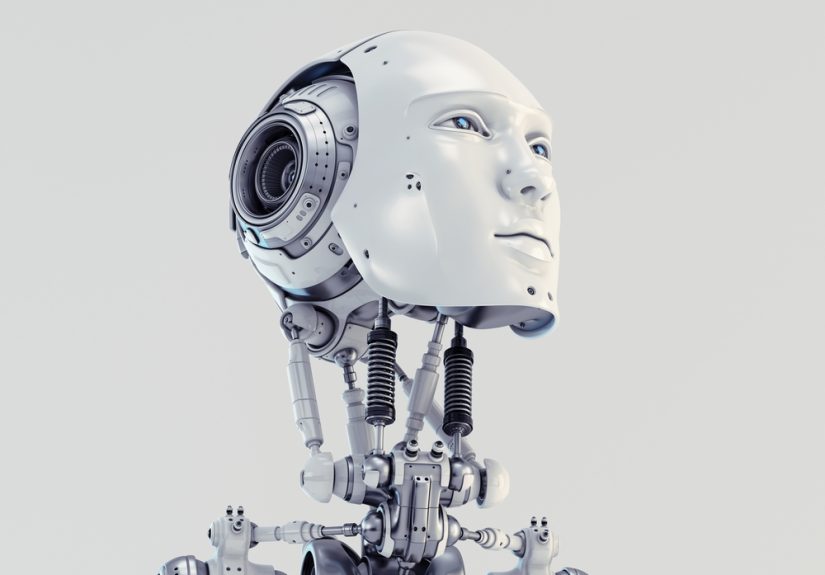
Historically, doctors were trained to synthesize information, tolerate uncertainty, and make nuanced decisions tailored to individual patients. Today, many are trained to follow algorithms, clinical pathways, and performance metrics. These tools are usefulbut when they become the primary drivers of care, doctors are transformed into technicians executing predefined instructions.
Clinical decision support systems, electronic health records (EHRs), quality checklists, and utilization rules increasingly dictate what doctors can do, when they can do it, and how it must be documented. Judgment becomes secondary. Compliance becomes king.
How We Got Here
This shift didn’t happen overnight. It grew out of several well-intentioned movements:
- Evidence-based medicine, which aimed to reduce harmful variation
- Quality measurement, designed to improve outcomes and accountability
- Cost containment, driven by insurers and policymakers
- Digital health tools, meant to enhance efficiency
Individually, each makes sense. Collectively, they have created a system where following the protocol often matters more than thinking critically.
Why Medicine Is Not a Technical Trade
Patients Are Not Standardized Products
A technician fixes machines that behave predictably. Human beings do not. Two patients with the same diagnosis can have different genetics, values, social circumstances, and risk tolerances. Algorithms struggle with nuance. Doctors excel at it.
When care is overly standardized, patients who don’t fit the “average” profile fall through the cracks. Complex cases, rare conditions, and overlapping illnesses require creativity and deep reasoningnot just protocol adherence.
Clinical Judgment Is a Skill, Not a Variable
Clinical judgment develops through experience, reflection, and accountability. When systems discourage independent thinking, that skill atrophies. Younger physicians may become excellent at navigating software but less confident in making difficult calls without algorithmic permission.
Medicine becomes safer in theory but riskier in realitybecause when the protocol fails, no one knows how to adapt.
The Hidden Costs to Patients
Loss of Individualized Care
Patients often sense when a doctor is constrained. Visits feel rushed. Conversations feel scripted. Decisions feel pre-made. When physicians are judged by throughput and compliance rather than insight and empathy, patients become checklist items rather than people.
This erodes trust, which is not a “soft” metricit directly affects adherence, outcomes, and satisfaction.
Delayed or Missed Diagnoses
Protocols are designed for common scenarios. Real life is messy. When clinicians are pressured to stay within predefined pathways, unusual symptoms may be dismissed or miscategorized. Many diagnostic errors occur not from lack of knowledge, but from premature closureaccepting the algorithm’s answer too quickly.
The Cost to Doctors: Burnout and Moral Injury
Burnout Is Not About Long Hours Alone
Physician burnout is often blamed on workload, but surveys consistently show that loss of autonomy is a major driver. Doctors are trained to think independently, yet are treated like interchangeable labor units.
When physicians feel they are practicing “checkbox medicine,” the work loses meaning. Burnout followsnot because doctors don’t care, but because they care deeply and are prevented from practicing the way they know is right.
Moral Injury in Modern Medicine
Moral injury occurs when professionals are forced to act against their ethical instincts. For doctors, this may mean discharging patients too early, denying beneficial tests, or prioritizing documentation over listening. These moments accumulate, leaving clinicians emotionally exhausted and disillusioned.
Technology Is Not the Enemy
Tools Should Support, Not Replace, Thinking
The problem is not technologyit’s how it’s used. Decision support systems should assist judgment, not override it. EHRs should reduce cognitive load, not add to it. Metrics should inform improvement, not dictate care.
When technology is designed around clinicians instead of billing requirements, it becomes a powerful ally rather than a constraint.
The Difference Between Automation and Wisdom
Automation works best for repetitive, predictable tasks. Medicine is neither. The art of medicine lies in pattern recognition, communication, ethical reasoning, and adaptability. These cannot be fully automated without loss.
Reclaiming the Physician’s Role
Training Doctors to Think, Not Just Click
Medical education must emphasize reasoning over rote protocol use. Trainees should be taught when to follow guidelinesand when to question them. Reflection, case discussion, and mentorship matter more than ever in a standardized system.
Redefining Quality in Healthcare
True quality is not just adherence to metrics. It includes:
- Diagnostic accuracy
- Patient understanding and trust
- Appropriate deviation from guidelines
- Long-term outcomes, not just short-term compliance
Real-World Experiences: When Doctors Are Treated Like Technicians
In many hospitals, a familiar scene plays out every day. A physician spends more time facing a screen than a patient. Alerts pop up, reminders flash, boxes demand to be checked. The visit ends, and the patient feels unheardeven though every metric was satisfied.
One internist recalls being reprimanded for ordering an imaging study that fell outside a guideline, despite clear clinical justification. The scan revealed a serious condition that would have been missed. The system recorded a “variance.” The patient received a life-saving diagnosis. Only one of those outcomes was celebrated.
Another physician describes treating elderly patients with multiple chronic conditions. Guidelines exist for each disease, but following all of them simultaneously would overwhelm the patient. Thoughtful prioritization is requiredyet quality dashboards penalize deviations, even when they reflect compassionate, realistic care.
In emergency departments, rigid triage protocols sometimes delay attention to subtle but dangerous symptoms. Experienced clinicians often sense when “something isn’t right,” even if vital signs are normal. That intuitiondeveloped over yearsis difficult to encode into software, yet invaluable.
Primary care doctors frequently report that patient satisfaction improves when they take time to listen and explain, even if fewer boxes are checked. Ironically, the system often discourages this behavior by rewarding speed over substance.
Young doctors entering practice are particularly vulnerable. Many are highly skilled with digital tools but anxious about independent decision-making. They worry less about being wrongand more about being noncompliant. This is not how confident clinicians are formed.
Patients notice the difference. They describe encounters where a doctor seems constrained, apologetic, or distracted. They also describe the rare moments when a physician steps outside the script, explains the reasoning, and treats them as a whole person. Those moments build loyalty and trust that no metric can capture.
Healthcare leaders who have listened to frontline clinicians often reach the same conclusion: efficiency gained at the expense of professional judgment is a false economy. Errors increase, morale declines, and patients disengage.
Medicine works best when doctors are empowered professionals, not technical operators. Systems should be designed to elevate human expertise, not suppress it.
Conclusion: Medicine Needs Doctors, Not Operators
Turning doctors into technicians may look efficient, measurable, and scalablebut it undermines the core strengths of medicine. Clinical judgment, empathy, adaptability, and ethical reasoning cannot be reduced to checklists without loss.
The future of healthcare should not be a choice between technology and humanity. The best systems combine both: using tools to enhance thinking, not replace it. When doctors are trusted to be doctors, patients receive better careand the system becomes healthier for everyone involved.