Table of Contents >> Show >> Hide
- What Expiration Dates Really Mean
- Food Safety Is About More Than the Date
- Trash It or Eat It? A Practical Food-by-Food Guide
- Why Confusing Date Labels Cause So Much Food Waste
- The Smell Test: Useful, But Not Perfect
- A Simple Decision Tree for Your Refrigerator
- How to Make Food Last Longer
- Common Expiration Date Myths
- Real-Life Experiences: The Fridge, the Pantry, and the Great Yogurt Debate
- Conclusion: Respect the Date, But Do Not Fear It
- SEO Tags
That little date printed on your yogurt lid is not a crystal ball. It does not always know whether your food is dangerous, delicious, or merely having a bad texture day. Yet millions of Americans treat “Best By,” “Sell By,” and “Use By” dates like tiny legal eviction notices for food. The result? Perfectly edible groceries get tossed, grocery bills climb, and landfills receive a depressing amount of lasagna, lettuce, bread, and milk that never got a fair chance.
The truth about expiration dates is both simpler and more useful than the panic suggests: most food date labels in the United States are about quality, not automatic safety. That does not mean you should play refrigerator roulette with questionable chicken. It means you should learn what the label actually says, how the food was stored, and when your senses are helpful versus when they are dangerously overconfident.
What Expiration Dates Really Mean
The phrase “expiration date” gets used casually, but food packages often carry several different types of date labels. These labels can look official enough to make anyone nervous, but they do not all mean “throw this away at midnight or suffer.” In fact, many dates are chosen by manufacturers to estimate when a food will taste, smell, or perform at its best.
“Best If Used By” or “Best By”
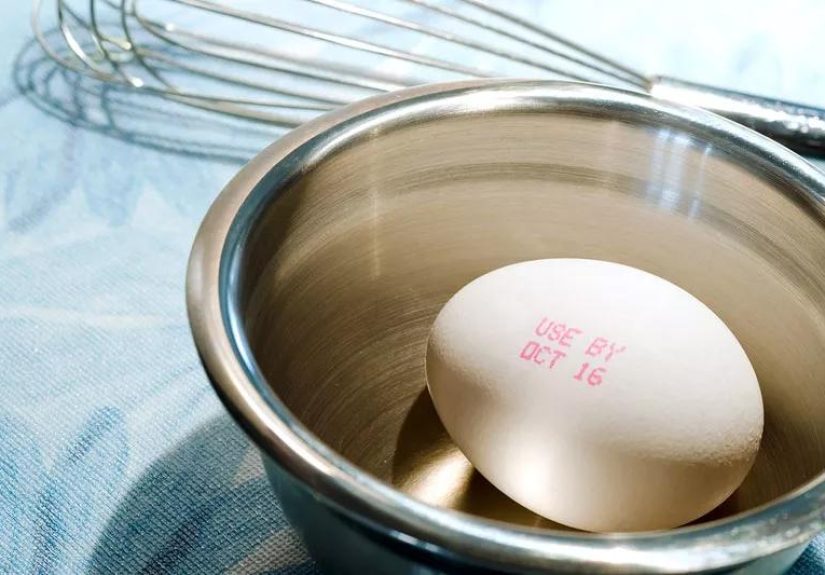
This is mainly a quality date. It tells you when the manufacturer expects the product to have its best flavor, texture, aroma, or overall quality. A box of crackers after its “Best By” date may taste a little flat. It is not automatically unsafe. It may simply have lost its crunch and its will to impress party guests.
“Sell By”
This label is mostly for stores, not home cooks. It helps retailers manage inventory and rotate stock. A “Sell By” date on milk, meat, or eggs does not mean the product becomes toxic the next morning. Once you bring the food home, the real question becomes how quickly you refrigerated it, how cold your refrigerator is, and whether the package has been opened.
“Use By”
“Use By” often marks the last date recommended for peak quality. However, consumers should treat this label more carefully on highly perishable foods. For infant formula, the “Use By” date is especially important and should be followed because it relates to nutrition and product performance, not just taste. Do not buy or use infant formula after its labeled date.
“Freeze By”
This date tells you when to freeze a product to maintain best quality. Freezing does not rewind time like a sci-fi movie, but it does pause many quality and spoilage changes. If you freeze meat, poultry, bread, or cooked meals before they decline, you can extend their usable life and save yourself from the sad ritual of tossing expensive food while whispering, “I had plans for you.”
Food Safety Is About More Than the Date
A printed date is only one clue. Food safety depends heavily on handling, storage temperature, packaging, moisture, acidity, and whether the food has been opened or cooked. A carton of milk kept cold may last beyond its date. The same carton left in a warm car while you “quickly” run three errands has entered a very different chapter.
The basic rule is simple: keep cold food cold, hot food hot, and leftovers out of the danger zone. Refrigerators should stay at 40°F or below, and freezers should stay at 0°F or below. Perishable foods should not sit at room temperature for more than two hours, or more than one hour if the temperature is above 90°F. Bacteria do not care that your picnic had good vibes.
Also remember this uncomfortable truth: dangerous bacteria do not always announce themselves with slime, stink, or dramatic violin music. Food can look normal and still be unsafe if it has been mishandled. That is why dates, smell tests, and visual checks should be paired with safe storage habits.
Trash It or Eat It? A Practical Food-by-Food Guide
Milk, Yogurt, and Dairy
Dairy products are often usable for a short time after a quality date if they have been kept cold and unopened or carefully handled. Milk that smells sour, tastes off, has clumps, or looks separated in a strange way should go. Yogurt may develop a little liquid on top, which can be normal, but visible mold or an unpleasant odor means it is time to say goodbye.
Eggs
Eggs often last longer than many people think when refrigerated properly. Keep them in their original carton, not in the refrigerator door where temperatures fluctuate every time someone opens the fridge to stare inside as if dinner will appear magically. If an egg is cracked, leaking, or smells bad after cracking, discard it.
Raw Meat, Poultry, and Seafood
This is where you should be stricter. Raw ground meat and poultry are highly perishable and should usually be cooked or frozen quickly. Fresh fish and seafood also have a short refrigerator life. If raw meat smells sour, feels sticky or slimy, has been stored too long, or has been left out, do not negotiate with it. The trash can is cheaper than food poisoning.
Cooked Leftovers
Most cooked leftovers should be eaten within three to four days when refrigerated. Label containers with the date you cooked the food, because “I think this chili is from Tuesday” is not a food safety system. If you will not eat leftovers soon, freeze them. Future-you will be thrilled to discover soup instead of mystery archaeology.
Canned Foods
Many canned goods remain safe past a quality date if the can is in good condition and has been stored in a cool, dry place. But toss cans that are bulging, leaking, deeply dented along seams, spurting liquid, badly rusted, or giving off foul odors. A can should open like dinner, not like a warning from a submarine movie.
Dry Goods: Pasta, Rice, Flour, Cereal, and Crackers
Dry pantry staples often lose flavor or texture before they become unsafe. Pasta may be fine past its date if dry and sealed. Cereal may become stale but not dangerous. Flour can go rancid, especially whole-grain flour, because natural oils break down over time. Watch for bugs, mold, musty smells, or unusual discoloration.
Bread and Baked Goods
Bread past its date may simply be dry. Toast can rescue many slices from mediocrity. However, visible mold means the bread should be discarded. Do not just remove one fuzzy spot and keep eating soft bread; mold can spread below the surface where you cannot see it.
Fresh Produce
Produce is wonderfully honest most of the time. Wilted spinach may still be useful in soup. Soft apples may become applesauce. Brown bananas are practically begging to become banana bread. But slimy greens, moldy berries, rotten spots spreading through soft fruit, or produce with a foul smell should be tossed. For firm produce such as carrots or cabbage, you may be able to trim small damaged areas generously if the rest is sound.
Baby Formula and Recalled Foods
These are not judgment-call foods. Follow the “Use By” date on infant formula. If a food has been recalled, throw it away or follow the recall instructions, even if it looks and smells fine. A recall is one of the few moments when your nose does not get a vote.
Why Confusing Date Labels Cause So Much Food Waste
Food waste is not just a household annoyance; it is a national problem. When food is thrown away, the money spent on it is lost, along with the water, land, fuel, labor, packaging, refrigeration, and transportation used to produce it. Then, when food decomposes in landfills, it can contribute to greenhouse gas emissions. In other words, tossing a safe unopened jar because the date passed last week is not only expensive; it is also a tiny environmental facepalm.
Date confusion is one reason people throw away food too soon. The labels sound similar, and many shoppers assume every date is a safety deadline. Manufacturers may use different phrases, states may have different rules, and shoppers are left decoding labels while holding a carton of eggs and wondering whether breakfast is about to betray them.
The good news is that a smarter kitchen routine can reduce waste without increasing risk. Planning meals, buying realistic quantities, storing food correctly, freezing early, and learning the meaning of date labels can make a real difference.
The Smell Test: Useful, But Not Perfect
Your senses can help identify spoilage. Sour milk, rancid oil, moldy bread, slimy deli meat, or fish that smells aggressively like low tide should not be eaten. Texture, color, and odor matter. However, your senses cannot detect every pathogen. Salmonella, E. coli, Listeria, and other harmful germs may be present without obvious signs.
Use the smell test for quality clues, not as your only safety checkpoint. Ask three questions: Was it stored safely? Is it within a reasonable time window for that food? Does it show signs of spoilage? If the answer to any of these raises concern, do not eat it.
A Simple Decision Tree for Your Refrigerator
When you are standing in front of the fridge holding a container and questioning your life choices, use this quick system:
- Check the food type. Raw poultry and seafood deserve stricter rules than unopened pasta or canned beans.
- Check storage history. If it sat out too long, toss it. A good date cannot save bad handling.
- Check the package. Bulging cans, broken seals, leaks, or damaged packaging are warning signs.
- Check appearance and smell. Mold, slime, sour odors, or strange discoloration usually mean the food is done.
- Check your risk level. Pregnant people, older adults, young children, and people with weakened immune systems should be more cautious with high-risk foods.
- When in doubt, throw it out. But do not be in doubt just because a quality date passed yesterday.
How to Make Food Last Longer
Reducing food waste starts before you even unpack the groceries. Shop with a list and be honest about your week. Buying a giant tub of spring mix because you are “becoming a salad person” is admirable, but spring mix has heard that speech before.
At home, store foods where they belong. Keep milk and eggs in the colder main area of the refrigerator rather than the door. Put raw meat on a lower shelf in a sealed container so juices cannot drip onto ready-to-eat foods. Cool leftovers quickly in shallow containers. Freeze bread, meat, cooked grains, soups, and sauces before they decline. Rotate pantry items so older products get used first.
Small habits matter. Write dates on leftovers. Keep a “use first” bin in the fridge. Plan one weekly meal around odds and ends: fried rice, soup, omelets, pasta, tacos, grain bowls, or “clean-out-the-fridge nachos,” which may not sound elegant but has saved many vegetables from a tragic end.
Common Expiration Date Myths
Myth 1: Food Is Unsafe the Day After the Date
Not usually. Many dates are quality estimates. Food may still be safe if properly stored and free from spoilage signs.
Myth 2: “Sell By” Means “Do Not Eat After”
No. “Sell By” is mainly a retail inventory guide. Consumers should focus on storage time after purchase and the condition of the food.
Myth 3: Freezing Kills All Food Safety Concerns
Freezing slows or stops the growth of many microbes, but it does not magically sterilize food. If food was unsafe before freezing, it will not become safe just because it took a nap in the freezer.
Myth 4: Mold Can Always Be Cut Off
Not always. Hard cheeses and some firm produce may be salvageable with generous trimming, but soft foods such as bread, yogurt, jams, cooked leftovers, and soft fruits should generally be discarded when mold appears.
Real-Life Experiences: The Fridge, the Pantry, and the Great Yogurt Debate
Anyone who cooks at home eventually develops a personal relationship with expiration dates. Mine began with a refrigerator shelf that looked less like food storage and more like a museum exhibit titled “Good Intentions, 2021–Present.” There was a half-used jar of salsa, three salad dressings, a suspicious container of rice, and yogurt cups with dates that made me pause like I had discovered an ancient scroll.
The first lesson was that panic wastes food. A yogurt two days past its “Best By” date, sealed, refrigerated, and smelling normal, was not the villain. It tasted fine. The rice, however, had no label, no memory attached, and no trustworthy origin story. It went straight into the trash. That was the second lesson: labeling leftovers is not fussy; it is future self-defense.
Another experience involved a loaf of bread. The date had passed, but the slices looked fine. Toasted with peanut butter, they were perfectly good. A week later, a different loaf had one green spot. Younger me might have performed surgical removal and called it breakfast. Better-informed me tossed the loaf, because soft bread can hide mold beyond what the eye sees. That small decision felt wasteful for five seconds, then sensible for the rest of the day.
The pantry brought a different kind of wisdom. Dry pasta past its date cooked beautifully. Old crackers were safe but tasted like cardboard wearing a salt costume. A can of tomatoes past its date was fine because the can was clean, firm, and undamaged. A dented can near the seam, however, was not worth the gamble. The experience taught me that shelf-stable foods often age slowly, but packaging condition matters.
The biggest change came from creating a “use first” area in the refrigerator. Anything close to its date or already opened went into one bin: half an onion, cooked chicken, a little cheese, leftover roasted vegetables. Once a week, that bin became dinner. Sometimes it was soup. Sometimes it was tacos. Sometimes it was an omelet that looked chaotic but tasted like victory. Food waste dropped because the food stopped hiding behind newer groceries like shy actors backstage.
The most useful habit was freezing earlier. Instead of waiting until bread became stale or meat approached its final hour, I froze items when I realized plans had changed. This turned the freezer into a savings account, except instead of earning interest, it produced chili, chicken, rolls, and emergency pizza dough on tired evenings.
These experiences point to the real truth: expiration dates are helpful clues, not complete instructions. The smartest approach is not reckless eating or automatic tossing. It is calm judgment. Read the label, consider the food, check storage, inspect carefully, and use common sense. Your grocery budget will thank you. Your trash can may feel neglected, but frankly, it has had enough attention.
Conclusion: Respect the Date, But Do Not Fear It
Expiration dates are not as simple as “safe before, dangerous after.” In the United States, most food date labels are designed to communicate quality, freshness, or store inventory timing. The real safety picture depends on the food type, storage temperature, handling, packaging, and signs of spoilage.
So, should you trash it or eat it? The answer is: inspect intelligently. Toss recalled foods, expired infant formula, bulging cans, moldy soft foods, questionable raw meat, and leftovers that overstayed their welcome. But do not automatically throw away pantry staples, dairy, eggs, or unopened foods just because a quality date has passed. A little knowledge can save money, reduce waste, and make your kitchen feel less like a courtroom where every yogurt cup is on trial.