Table of Contents >> Show >> Hide
- What Is a Sunday Garden, Exactly?
- Why the Sunday Garden Trend Feels So Right for 2026
- The Signature Elements of a Sunday Garden
- How to Create a Sunday Garden at Home
- Best Plants and Features for the Look
- Common Mistakes to Avoid
- Why We Think This Trend Has Staying Power
- Experiences With the Sunday Garden Trend in Real Life
- Conclusion
Every so often, the garden world gives us a trend that feels less like a trend and more like a collective exhale. For 2026, that moment has arrived in the form of the Sunday garden. It is polished without being uptight, lush without acting like a full-time job, and welcoming without looking like it was designed exclusively for social media. In other words, it is the backyard equivalent of fresh coffee, soft sunlight, and the rare calendar day when nobody expects anything from you.
The Sunday garden is gaining attention because it answers a very modern question: How do we make outdoor spaces feel calmer, prettier, and easier to live with? Instead of chasing complicated landscaping ideas that demand endless clipping, watering, and emotional support, this trend favors comfortable structure, layered greenery, relaxed entertaining, and a garden that looks lovely on an ordinary afternoon. Not just on the day you panic-clean before guests arrive.
For homeowners, renters, beginner gardeners, and anyone who has ever killed a plant while making direct eye contact with it, the appeal is obvious. The Sunday garden blends classic beauty with practical choices. Think evergreen shapes, soft pathways, herbs near the kitchen, a shaded seat for morning coffee, and enough flowers to attract pollinators without turning the yard into a high-maintenance soap opera.
What Is a Sunday Garden, Exactly?
A Sunday garden is best understood as a slow-living garden design trend. It borrows from traditional, tailored landscapes, but softens them with comfort and ease. The look often includes clipped shrubs, layered green planting, restrained color palettes, cozy seating areas, and purposeful zones for relaxing, dining, and puttering around outdoors. It is not wild in the neglected sense, and it is not stiff in the formal-estate sense either. It lives in the sweet spot between polished and personal.
Part of the reason the trend feels so timely is that it reflects broader shifts in how Americans are using their homes. Backyards are no longer just lawn plus fence plus mysterious plastic chair. They are outdoor rooms, edible spaces, wellness corners, pet zones, and mini retreats. The Sunday garden fits beautifully into that shift because it treats the yard as an everyday living space rather than a once-a-season project.
Another reason it resonates is maintenance. A good Sunday garden should not make you feel like you have taken on a second job with dirt under its fingernails. The goal is to create a space that is easy to maintain, visually soothing, and useful throughout the week. Sunday is simply the mood: unhurried, restorative, and faintly cinematic.
Why the Sunday Garden Trend Feels So Right for 2026
1. People want gardens that feel like a retreat
After years of hyper-styled spaces and algorithm-friendly perfection, many homeowners are gravitating toward outdoor areas that feel genuine and restorative. The Sunday garden offers a softer kind of beauty. It is curated, yes, but not performative. It feels like a place to sit, snack, read, daydream, and forget your phone exists for 20 blessed minutes.
2. Low-maintenance landscaping is no longer optional
Water concerns, busy schedules, rising costs, and plain old gardening fatigue are shaping planting decisions. That is why this trend leans on reliable shrubs, layered perennials, ground covers, container gardens, and hardy plants that earn their keep. The best Sunday garden ideas are lovely on Tuesday, forgiving on Thursday, and still attractive when you skip one weekend of yard chores.
3. Structure is making a comeback
One of the defining details of the trend is gentle formality. Boxwood-like silhouettes, clipped hedges, neat pathways, repeated planting, and evergreen anchors all bring calm to a landscape. But the 2026 version avoids looking fussy. The structure is there to make the space feel settled, not stern. Think “elegant host in linen shirt,” not “yard that judges your shoes.”
4. Outdoor living keeps expanding
The Sunday garden works because it is not just about plants. It is also about use. A chair tucked beneath a pergola, a café table beside raised beds, soft lighting along a path, or a container herb garden near the grill all reinforce the idea that the garden is part of daily life. This trend thrives where beauty and function shake hands.
The Signature Elements of a Sunday Garden
Layered green planting
One of the easiest ways to create the Sunday garden look is with green-on-green planting. Instead of depending on nonstop flower power, the design uses texture, shape, and tone. Ferns, compact conifers, evergreen shrubs, ornamental grasses, and trailing vines help create that lush, restful atmosphere. The result is rich without being chaotic.
Comfortable places to sit
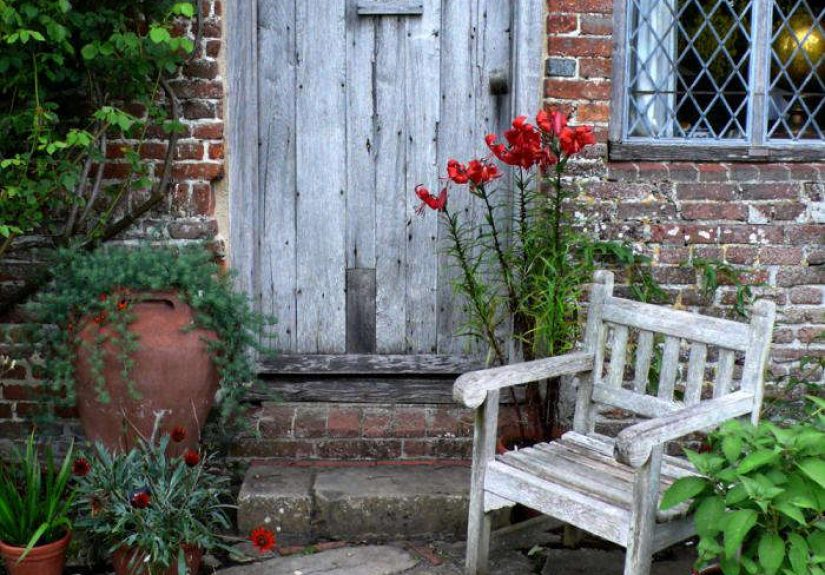
If nobody can sit in your garden, you do not have a Sunday garden. You have a visual aid. This trend favors seating that feels inviting and usable, from a simple bench under a tree to a small gravel patio with weather-friendly chairs. Shade helps, too. Pergolas, umbrellas, climbing vines, or strategically placed shrubs can make a seating nook feel instantly more livable.
Soft boundaries and clear zones
Great Sunday gardens feel intuitive. You know where to walk, where to sit, where to snip herbs, and where the dog will almost certainly pretend not to hear you. Pathways, low hedges, containers, raised beds, and repeated materials create order. They separate functions without making the yard feel carved into tiny, bossy sections.
Pollinator-friendly planting
The most lovable version of this trend is not just pretty for people. It is helpful for wildlife, too. Native plants, herbs allowed to flower, and bloom sequences that run from spring through fall can support bees, butterflies, hummingbirds, and other pollinators. Clumps of nectar-rich plants make the space feel alive, and they add movement and sound that no patio accessory can fake.
Edible touches
Edible landscaping fits naturally into the Sunday garden mindset. A pot of rosemary by the back door, strawberries near a path, a blueberry shrub in a border, or basil mingling with ornamentals gives the space purpose and charm. These small edible moments make a garden feel used, loved, and deliciously real.
How to Create a Sunday Garden at Home
Start with the mood, not the plant list
Before buying a single hydrangea or decorative pot that will later judge your budget, define how you want the space to feel. Calm? Cozy? Fresh? Quietly elegant? Once the mood is clear, design decisions become easier. The Sunday garden is less about chasing rare plants and more about building an atmosphere.
Choose a reliable backbone
Every good garden needs structure. In this trend, that backbone might include evergreen shrubs, low hedges, medium-height grasses, or durable perennials with strong form. These plants keep the yard from looking empty in the off-season and reduce the pressure on annual flowers to do all the heavy lifting.
Reduce the lawn if it is not serving you
Huge lawns can be beautiful, but they can also act like needy roommates. Many 2026 garden trends favor shrinking turf in favor of planting beds, paths, rain-friendly zones, seating areas, and ground covers. A smaller lawn often means less water, less mowing, and more room for a garden that actually does something.
Add one destination
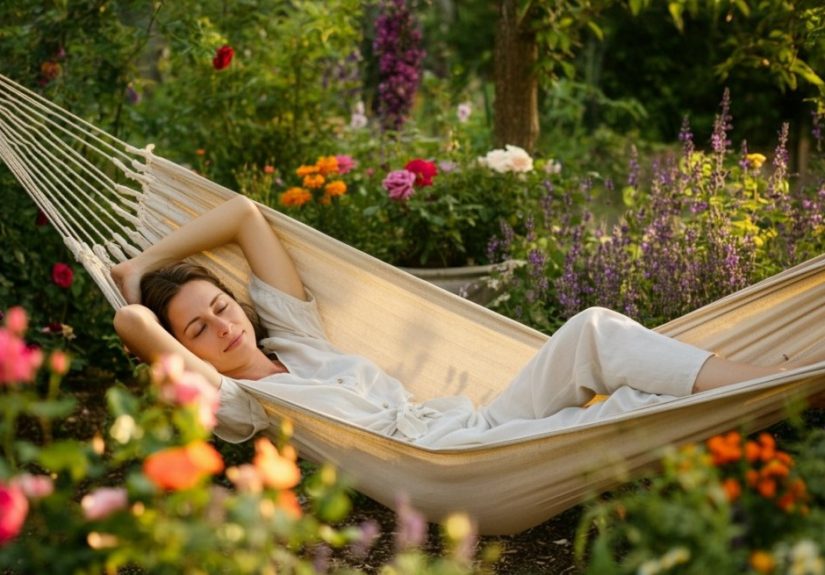
A Sunday garden feels special when it has a destination, even in a tiny yard. That could be a bench at the end of a path, a bistro table framed by pots, a hammock corner, or a tiny herb court beside the kitchen. The point is to create a reason to step outside beyond “I think something is eating the basil again.”
Mix tidy with loose
The most successful Sunday gardens balance discipline and softness. Pair clipped shrubs with airy perennials. Place a formal container beside a loose, fragrant planting. Run a clean gravel path past cottage-style blooms. This contrast is what makes the look feel current instead of costume-y.
Keep the palette calm
While bright flowers still have a place, the Sunday garden often leans toward soothing greens, whites, soft purples, blush tones, and gentle seasonal accents. A restrained palette helps the space feel coherent. It also lets foliage texture and plant shape shine, which is where much of the sophistication comes from.
Best Plants and Features for the Look
There is no single official Sunday garden plant list, but several categories fit the style beautifully:
- Evergreen anchors: compact shrubs, boxwood alternatives, dwarf conifers, and structured foundation plants
- Textural fillers: ferns, heuchera, catmint, ornamental grasses, creeping thyme, and low ground covers
- Pollinator favorites: bee balm, yarrow, native salvias, milkweed, goldenrod, sunflowers, and flowering herbs
- Edible plants: basil, rosemary, thyme, chives, strawberries, blueberries, and compact tomatoes or peppers in containers
- Comfort features: pergolas, gravel paths, low-voltage lighting, weather-friendly seating, birdbaths, and simple water features
The exact choices should always match your climate and region, which is why native and site-appropriate plants matter so much. A Sunday garden is not supposed to look serene while secretly requiring constant rescue missions.
Common Mistakes to Avoid
Designing only for photos
If the garden looks great in one angle but nowhere comfortable exists to actually use it, the trend has been misunderstood. The Sunday garden is about living, not posing.
Going too formal
A clipped hedge can be lovely. A yard that looks like it has an opinion about your posture is less charming. Keep the structure, but soften it with natural planting and relaxed furnishings.
Ignoring habitat
A beautiful landscape that offers nothing to birds, bees, or beneficial insects feels increasingly outdated. Even a small pollinator patch or a few flowering herbs can make the space more ecologically generous.
Choosing high-maintenance plants for a low-maintenance dream
This is the classic gardening trap: you want a calm backyard, then accidentally build a weekly performance review with roots. Be honest about sunlight, watering habits, and available time.
Why We Think This Trend Has Staying Power
Some garden trends burn bright and vanish faster than a basil plant in August. The Sunday garden feels different. It connects to long-term priorities that are not going away: sustainability, lower maintenance, native planting, outdoor comfort, and a desire for homes that feel more restorative. It also works at almost every scale, from a suburban backyard to a townhouse patio to a small balcony with containers and ambition.
Most importantly, it allows people to garden in a way that feels joyful again. Not perfect. Not exhausting. Not overly engineered. Just beautiful, grounded, and genuinely usable. That is a trend worth keeping around.
Experiences With the Sunday Garden Trend in Real Life
The most convincing thing about the Sunday garden is not the name, the expert predictions, or even the tidy hedges. It is the experience of being in one. A well-made Sunday garden changes the rhythm of a day in small but memorable ways. You notice it when you step outside with coffee and do not immediately start mentally rewriting the entire yard. You notice it when the breeze moves through grasses, when bees hover around flowering thyme, when a bench that used to be decorative suddenly becomes the best seat at home.
Many people who start creating this kind of space talk about how their gardens become less performative and more personal. Instead of trying to impress the neighbors with dramatic color explosions and constant new purchases, they begin focusing on what feels good to live with. A clipped evergreen near the porch makes the entrance feel settled. Herbs in containers make dinner easier. A gravel path keeps shoes cleaner after rain. A shady chair quietly turns into the place where Sunday morning stretches into Sunday afternoon.
There is also something deeply satisfying about a garden that looks good without acting needy. In practical terms, that can mean fewer annual swaps, more dependable perennials, and a smarter mix of structure and softness. In emotional terms, it means the garden starts giving back more than it takes. That is a surprisingly powerful shift. People often think a beautiful yard requires endless labor, but the Sunday garden proves that restraint can be more luxurious than excess.
Families experience this trend differently, too. Children tend to use a Sunday garden as a path, a hiding place, a bug-spotting zone, or an excuse to carry muddy treasures indoors. Pet owners appreciate having calmer, more intentional outdoor rooms that can be both stylish and functional. Cooks love the convenience of clipping herbs outside. Guests respond to it almost instantly because the space invites them to settle in instead of stand around awkwardly holding a plate near the grill.
Even small gardens benefit from the mood. On a balcony, the Sunday garden might mean a pair of chairs, layered pots, a narrow shelf of herbs, and one fragrant vine doing heroic work. In a larger yard, it may unfold through zones: a front border with structured shrubs, a side path with pollinator plants, and a back patio softened by containers and warm lighting. Different layouts, same feeling. The garden becomes less of a project and more of a companion.
That, really, is why the Sunday garden trend feels so lovable for 2026. It reflects a lifestyle many people are craving: more ease, more presence, more beauty that supports daily life instead of turning into another chore. It reminds us that the best gardens are not always the loudest or most expensive. Sometimes they are the ones that make you linger a little longer outside, refill your cup, and think, “Well, I guess I live here now.”
Conclusion
The Sunday garden is one of the smartest and most appealing garden trends of 2026 because it meets people where they are. It celebrates low-maintenance landscaping, outdoor living, pollinator-friendly planting, and timeless garden structure without making the space feel rigid or unrealistic. Whether you have room for hedges, herbs, a gravel path, or just a few beautiful containers, the idea is the same: build a garden that supports a slower, prettier, more livable rhythm.
And honestly, in a world that could use a little more calm and a lot more shade, that sounds like a trend worth loving.