Table of Contents >> Show >> Hide
- Why These Marketplace Ads Feel So Wild
- The 50 Craziest Ads Usually Fall Into a Few Hilarious Categories
- What These Viral Ads Reveal About the Real State of Selling
- Why Buyers Cannot Look Away
- How to Avoid Becoming the Next Viral Marketplace Screenshot
- The Real Human Story Behind the Weirdness
- Extra Experiences From the Front Lines of Online Marketplace Madness
Scroll through any online marketplace long enough and you stop feeling like a shopper and start feeling like a field researcher. One minute you are looking for a decent nightstand. The next, you are staring at a six-foot Minion with an ambitious price tag, a “lightly used” sofa that looks like it survived a bar fight, or a listing photo that somehow includes the seller, three pets, a half-eaten sandwich, and what appears to be emotional damage. Welcome to the modern resale economy, where side hustle meets improv comedy.
That is exactly why compilations like “The State Of Selling” hit so hard. On the surface, these viral collections are funny because the ads are absurd. But underneath the laughs, they capture something very real about how Americans buy and sell now. Online marketplaces have turned everyday clutter into inventory, spare rooms into negotiations, and random old household items into tiny acts of entrepreneurship. They have also turned poor judgment into content. Spectacular content.
And honestly, that is part of the charm. These strange ads are not just internet oddities. They are little snapshots of pricing delusion, optimism, desperation, creativity, laziness, and accidental performance art. In other words, they are the state of selling in its purest form.
Why These Marketplace Ads Feel So Wild
The weirdest marketplace posts usually are not weird because of one thing. They are weird because several bad decisions join forces like a superhero team nobody asked for. A baffling object gets paired with a blurry photo, a description written in all caps, and a price that suggests the seller consulted a fortune teller instead of the market.
That mix is what makes these listings unforgettable. Some sellers post genuinely unusual objects: giant novelty statues, broken appliances with suspicious confidence, custom furniture that looks haunted, or handmade décor that can best be described as “aggressively personal.” Others sell completely ordinary items in ways that make them look cursed. A used lamp photographed in a dark hallway suddenly has all the energy of a low-budget horror movie. A bike listed as “works great” somehow appears bent by destiny itself.
The funniest part is that many of these ads are not trying to be funny. They are trying to make money. That earnestness is the secret sauce. Nobody laughs harder than the internet when a seller sincerely believes a cracked mirror, a rusty grill, or a terrifying lawn ornament is a premium collectible. The comedy is unintentional, and therefore premium grade.
The 50 Craziest Ads Usually Fall Into a Few Hilarious Categories
1. The “I Know What I Have” Listings
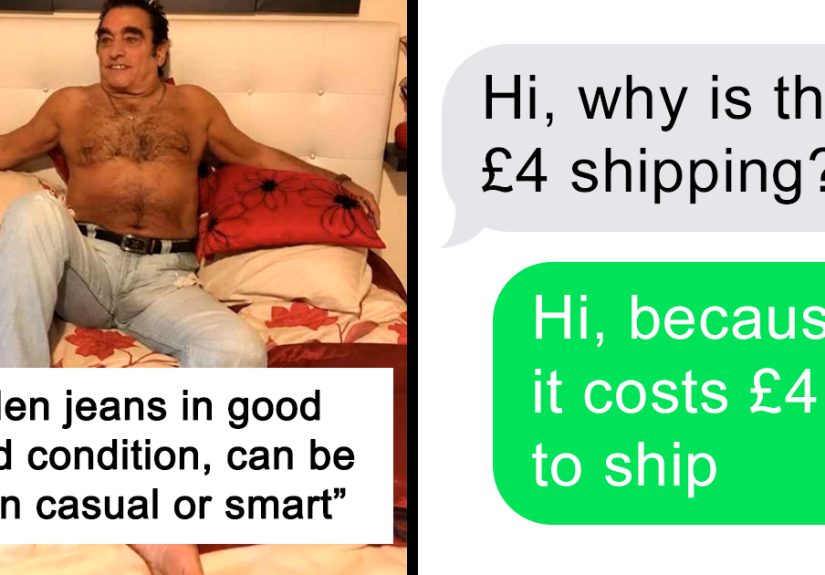
These are the crown jewels of online marketplace absurdity. The item may be dusty, chipped, stained, or one loose screw away from retirement, but the seller prices it like it belongs in a museum or an upscale design showroom. This is how you end up seeing a life-size character statue listed like a luxury sedan or a used dining set priced as if the chairs once hosted a peace treaty.
These posts are funny because every marketplace has taught buyers one thing: value is emotional for the seller and practical for the buyer. The seller remembers the original price, the sentimental backstory, the effort of moving it, and maybe the dream they once had for it. The buyer sees a heavy object that might not fit in a hatchback. That gap is where the comedy lives.
2. The Listings With Chaos in the Photos
Marketplace photography is an art form, but not always in a good way. Great platforms encourage crisp photos, clean backgrounds, and clear descriptions of flaws. Viral ads go in the opposite direction. They give you one blurry image taken from six feet away while the item is half-hidden under laundry, standing behind a toddler, or reflected in a mirror beside an exhausted-looking dog.
Sometimes the photo reveals more about the seller’s life than the product. Sometimes the item is technically in the frame but not emotionally present. And sometimes the image raises questions no description could answer. Why is the coffee table balanced on cinder blocks? Why is the mannequin in a bathtub? Why is there a cat inside the display case? Online marketplaces can turn one terrible photo into a full-blown narrative.
3. The Description Written Like a Stress Dream
If a listing says, “Great condition, no lowballers, serious buyers only, don’t waste my time, pickup today, cash only, price firm but maybe not, first come first served, bring help,” you are no longer reading product information. You are reading a cry for help with dimensions.
Bad descriptions are a major reason weird ads spread so fast. Some are too short to be useful. Others are so intense they sound like legal testimony. The funniest descriptions combine random confidence with missing facts. “Works fine” is doing a lot of heavy lifting when the photo shows scorch marks. “Vintage” often means “old.” “Rare” often means “I have never seen another one because nobody wanted one.”
4. The “Minor Flaw” That Is Very Much a Major Flaw
One classic marketplace move is to bury the bad news. A listing will sound perfectly reasonable until the final line casually mentions that the dresser is missing two drawers, the lawn mower only starts if you kick it, or the couch “has a little damage from one corner,” which in marketplace language can mean “a raccoon once rented it.”
This is funny online and frustrating in real life, which is exactly why these posts get shared. People recognize the trick. Every buyer has learned to zoom in, ask follow-up questions, and mentally translate seller phrases into reality. “Needs TLC” can mean a weekend project. It can also mean a complete spiritual reset.
5. The Overconfident Custom Creation
Homemade items can be amazing. They can also look like a craft store exploded in slow motion. Some of the most memorable marketplace ads come from sellers unloading deeply personal projects that were perhaps meant to stay personal. Think oddly painted furniture, mystery-themed décor, repurposed objects with too much repurposing, or wedding leftovers presented as heirloom-level treasure.
The internet loves these because they show the thin line between unique and unhinged. One person’s “statement piece” is another person’s reason to keep scrolling with concern.
6. The Pickup Story That Becomes the Real Entertainment
Sometimes the listing is only half the fun. The messages, meetup, and seller behavior turn a simple purchase into a story people repeat for years. Buyers show up to discover the address is nowhere near the item, the item is not assembled, or the seller forgot to mention that pickup involves climbing three flights of stairs and meeting a goose with boundary issues.
That is why social media is filled with marketplace war stories. The listings attract attention, but the human interactions seal the legend. Online selling has always been part commerce, part improv. Local marketplaces simply cut out the middleman and drop you directly into the scene.
What These Viral Ads Reveal About the Real State of Selling
Here is the part that makes this topic more than a meme roundup: these bizarre ads are funny because online marketplaces are now completely ordinary. Selling your used stuff online is no longer niche behavior. It is mainstream American life. People sell to declutter, to make extra cash, to flip finds, to fund hobbies, to offset higher costs, or just because they cannot bear to watch a perfectly usable chair die on the curb.
That broader resale culture matters. Secondhand shopping has become more normalized, more stylish, and more strategic. Buyers are not just browsing for bargains anymore. They are searching for vintage, avoiding retail markups, hunting brand names, shopping sustainably, and sometimes making a sport out of finding chaos. The weird listing is no longer a glitch in the system. It is part of the ecosystem.
At the same time, the real marketplace economy rewards the exact opposite of viral weirdness. Good listings are clear, searchable, well-photographed, honestly priced, and transparent about condition. Platforms and consumer protection agencies keep repeating the same advice for a reason: strong titles, accurate descriptions, safer payment methods, public meetups, and in-platform communication are what make transactions work. Viral listings may win attention, but sensible listings win sales.
That tension is what gives “the state of selling” its personality. The marketplace is mature enough to be a real retail channel, but chaotic enough to still feel like the Wild West wearing a ring light.
Why Buyers Cannot Look Away
People do not share these ads just because they are strange. They share them because the listings feel oddly honest about human nature. They show optimism without evidence. They show attachment to junk. They show hustle, denial, creativity, and the belief that somewhere out there is a buyer with very specific taste and questionable judgment.
There is also a thrill in seeing commerce stripped of polish. Traditional retail is all lighting, copywriting, merchandising, and image control. Marketplace selling is a garage sale with Wi-Fi. You see people attempting branding with no brand strategy, pricing with no pricing model, and marketing with no filter. It is raw, messy, and often much funnier than anything an advertising agency could script.
That rawness makes the posts feel social even when they are just sales listings. Buyers are not only evaluating products. They are reading personalities. A weird ad says something about the seller, the neighborhood, the platform, and the increasingly strange ways digital life overlaps with ordinary domestic life. In a single listing, you can glimpse somebody’s decorating regrets, storage problems, and financial optimism. It is intimate in the weirdest possible way.
How to Avoid Becoming the Next Viral Marketplace Screenshot
If these 50 crazy ads teach one useful lesson, it is this: the internet is very ready to laugh at a bad listing. Sellers who want results instead of ridicule should remember a few basics.
- Use clear photos. Daylight helps. So does removing the laundry mountain.
- Write searchable titles. “Mid-century walnut side table” beats “Nice table!!!” every single time.
- Be honest about condition. Buyers can handle scratches. They cannot handle surprises.
- Price from reality, not sentiment. Your memories are free. The market is not.
- Keep communication on-platform. That reduces risk and makes scammy behavior easier to spot.
- Meet safely. Public, well-lit locations are not paranoia. They are common sense.
- Never share verification codes. No real buyer needs your six-digit mystery number.
In other words, the best listing is usually the least theatrical one. Unless, of course, your business model is becoming a meme. In that case, keep the cursed mannequin and carry on.
The Real Human Story Behind the Weirdness
For all the jokes, marketplace culture is also strangely democratic. It gives regular people a way to participate in the economy on their own terms. A college student sells a mini fridge. A parent unloads outgrown toys. A collector rotates inventory. A retiree downsizes. A side hustler flips vintage speakers. An artist sells handmade lamps that may or may not resemble jellyfish from another dimension. Everybody gets a storefront. Not everybody gets a copy editor.
That is why these bizarre ads are so entertaining and so revealing. They are not polished corporate mistakes. They are personal little acts of commerce, created by people improvising in public. Some are smart. Some are clumsy. Some are magnificent disasters. But together they show how online marketplaces have become one of the most honest corners of the internet: not because they are accurate, but because they are gloriously, unmistakably human.
Extra Experiences From the Front Lines of Online Marketplace Madness
If you have ever bought or sold something online, you probably already know that the item itself is rarely the whole story. The real experience starts the moment a message comes in that simply says, “Still available?” and then vanishes into the void forever. That question has become the marketplace equivalent of a tumbleweed. It rolls through, makes eye contact, and leaves no forwarding address.
Selling online can feel like hosting open auditions for people who are vaguely interested in a lamp but deeply committed to chaos. One buyer asks for a discount, then asks if you can deliver, then asks if you can hold it until next Thursday, then disappears the second you say yes. Another buyer writes like a Fortune 500 procurement manager and arrives exactly on time with exact change and excellent manners. The emotional whiplash is part of the experience.
Buying is not much calmer. You find what looks like the perfect bookshelf. The photos are decent. The price is fair. You message the seller. Suddenly you are in a logistical thriller involving cross-town traffic, a confusing apartment complex, a side entrance, and one text that just says, “come around back.” You begin this journey wanting a bookshelf and end it questioning all modern systems of exchange.
Then there are the meetups. In theory, these are simple. In practice, they can feel like speed-dating with furniture. You pull into a grocery store parking lot, scan the horizon for someone holding a blender, and hope everybody involved is normal enough to complete the transaction without creating a lifelong anecdote. Sometimes it works beautifully. Sometimes you end up helping a stranger remove car seats so a patio chair can fit into a sedan not designed by physics for such dreams.
And yet, people keep coming back. Why? Because every so often, the marketplace delivers a tiny miracle. You sell the old coffee table in two hours. You find the exact vintage mirror you wanted for half the retail price. You meet a seller who is delightful, honest, and organized enough to restore your faith in society. It is a gamble, yes, but it is also a strangely hopeful one.
That is the emotional truth hiding underneath all those crazy ads. Online marketplaces are messy because people are messy. They are funny because people are funny without trying. They are frustrating because buying and selling with strangers will never be as smooth as clicking “add to cart.” But they are also lively, useful, and weirdly intimate. You are not shopping in a sterile digital catalog. You are wandering through the back rooms of modern life, where clutter becomes cash, stories come free with pickup, and every listing carries the possibility of either a great deal or a screenshot your friends will roast for days.
So yes, the craziest ads deserve the laughs. Some are ridiculous on their face. Some are accidental masterpieces. Some should probably be studied by future historians trying to understand our civilization. But they also remind us that the state of selling is not just about retail. It is about people trying, hustling, oversharing, improvising, mispricing, decluttering, and occasionally presenting a broken end table like it is the Hope Diamond. And honestly, the internet is better for it.