Table of Contents >> Show >> Hide
- What Is High Blood Pressure?
- Why So Many People Misunderstand Hypertension
- The Numbers Are Common, but the Knowledge Gap Is Serious
- Why High Blood Pressure Is Called the Silent Killer
- How to Measure Blood Pressure the Right Way
- What Actually Helps Lower Blood Pressure?
- When Medication Is Needed
- What to Do If Your Reading Is High
- How to Make Blood Pressure Knowledge Stick
- Experience-Based Lessons: What People Learn After Paying Attention
- Conclusion
High blood pressure has a branding problem. If it were a movie villain, it would not wear a cape, laugh dramatically, or announce itself with thunder. It would simply sit quietly in the corner, doing damage while everyone assumes things are fine. That is exactly why hypertension is often called a “silent” condition: many people feel perfectly normal even when their blood pressure is putting extra strain on their heart, brain, kidneys, arteries, and eyes.
The troubling part is not only that high blood pressure is common. It is that many adults do not understand what the numbers mean, when a reading becomes high, or why “I feel calm” is not a reliable medical test. A Harvard Health discussion of recent survey findings highlights a familiar public health problem: nearly half of U.S. adults have high blood pressure, yet many people still lack basic knowledge about the condition. That gap matters because untreated or poorly controlled hypertension can raise the risk of heart attack, stroke, kidney disease, heart failure, vision problems, and cognitive decline.
In plain English, blood pressure knowledge is not trivia. It is maintenance information for the human body. You do not need to become a cardiologist, memorize a textbook, or start greeting people with “How’s your systolic?” But knowing your numbers, checking them correctly, and understanding what to do next can be life-changing.
What Is High Blood Pressure?
Blood pressure is the force of blood pushing against the walls of your arteries. It is written as two numbers, such as 118/76 mm Hg. The top number, called systolic pressure, measures the force when the heart beats. The bottom number, called diastolic pressure, measures the force when the heart rests between beats.
A normal blood pressure reading is generally below 120/80 mm Hg. Elevated blood pressure begins when the systolic number is 120 to 129 and the diastolic number remains below 80. Stage 1 hypertension begins at 130 to 139 systolic or 80 to 89 diastolic. Stage 2 hypertension begins at 140 or higher systolic or 90 or higher diastolic. Readings above 180 and/or 120 can be severe and may require urgent medical guidance, especially if symptoms such as chest pain, shortness of breath, weakness, vision changes, or trouble speaking are present.
One reason people get confused is that older adults may remember the old “140/90” cutoff as the main warning zone. Modern guidelines are more aggressive because research shows cardiovascular risk can begin rising before that point. The purpose is not to scare people over one imperfect reading. It is to catch risk earlier, when lifestyle changes and treatment decisions can prevent bigger problems later.
Why So Many People Misunderstand Hypertension
High blood pressure sounds simple: measure the pressure, compare the numbers, take action. In real life, it gets messy. People hear different numbers from different generations. They get one high reading at the doctor’s office and assume it was just stress. They buy a home monitor but use the wrong cuff size. They feel fine, so they decide fine must mean healthy. Unfortunately, blood vessels do not send push notifications.
Recent survey findings showed that many adults could not correctly identify when a blood pressure reading is considered high. Some respondents also believed that high blood pressure usually causes obvious symptoms, such as dizziness or shortness of breath. That misunderstanding is dangerous because most people with hypertension do not notice warning signs. A person can walk the dog, answer emails, laugh at a meme, and still have blood pressure that needs medical attention.
Another common misconception is that feeling calm means blood pressure must be normal. It would be convenient if the body worked that way. Sadly, your arteries do not always match your mood. You can be relaxed on the couch and still have high blood pressure. You can be nervous in a clinic and get a temporary spike. That is why accurate measurement over time is much more useful than guessing based on how you feel.
The Numbers Are Common, but the Knowledge Gap Is Serious
According to U.S. health data, hypertension affects nearly half of American adults. The prevalence rises with age, but it is not only an older-person issue. Younger and middle-aged adults can have high blood pressure too, especially when risk factors such as family history, excess sodium intake, low physical activity, higher body weight, tobacco use, heavy alcohol intake, diabetes, kidney disease, sleep apnea, and chronic stress are present.
The knowledge gap has real consequences. If someone does not know that 130/80 can count as high blood pressure, they may ignore a reading that deserves follow-up. If they think symptoms always appear, they may wait for a warning sign that never comes. If they believe family history means “nothing can be done,” they may miss the chance to reduce risk with better eating, regular movement, medication when needed, sleep improvement, and routine monitoring.
High blood pressure is also one of those conditions where small improvements can add up. Lowering average blood pressure even modestly can reduce strain on the cardiovascular system. That does not mean every person needs medication immediately. It means the reading should start a conversation with a health care professional, not disappear into the mental drawer labeled “I’ll deal with it after tax season.”
Why High Blood Pressure Is Called the Silent Killer
The phrase “silent killer” sounds dramatic, but it is medically useful. Hypertension can injure blood vessels and organs over years without causing obvious discomfort. Arteries can become stiffer. The heart may have to pump harder. The kidneys can be damaged. The brain’s blood vessels can become more vulnerable to stroke. The eyes can be affected by changes in tiny blood vessels. None of this requires a person to feel sick on a Tuesday afternoon.
That silence is exactly why routine screening matters. Waiting until something feels wrong is not a strong strategy. It is like refusing to check your car’s oil because the radio still works. Blood pressure checks are quick, inexpensive, and widely available at clinics, pharmacies, community health events, and through validated home monitors.
How to Measure Blood Pressure the Right Way
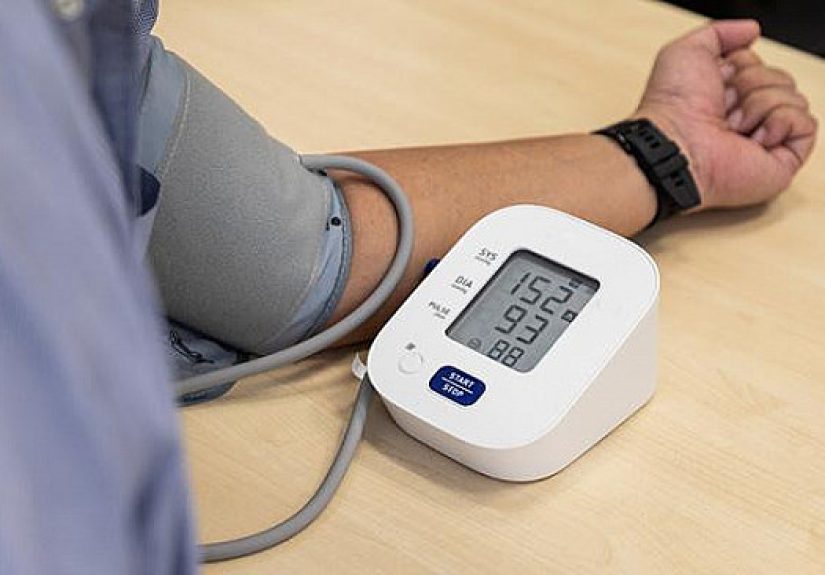
Many people own a home blood pressure monitor, but not everyone uses it correctly. Technique matters. A rushed, awkward, over-the-sleeve reading after coffee, stairs, and an argument with a printer may not represent your usual blood pressure.
Use the Right Monitor
For most adults, an automatic upper-arm cuff is preferred over wrist or finger devices. The cuff should fit your arm properly. A cuff that is too small can make readings look higher than they really are, while a cuff that is too large can distort results in the other direction. If possible, bring your monitor to a medical visit and compare it with the clinic’s equipment.
Prepare Before the Reading
Before measuring, sit quietly for about five minutes. Avoid exercise, caffeine, nicotine, and heavy meals shortly before the reading when possible. Empty your bladder first. Sit with your back supported, feet flat on the floor, and legs uncrossed. Place the cuff on bare skin, not over clothing. Rest your arm at heart level.
Take More Than One Reading
One reading is a snapshot. Several readings over time are a photo album. Many clinicians recommend taking two readings one minute apart and recording the results. Home readings can help detect patterns, identify white-coat hypertension, and show whether lifestyle changes or medication are working. The key is consistency: same general time of day, same arm, same proper position, and a written or digital log.
What Actually Helps Lower Blood Pressure?
The good news is that high blood pressure is not a life sentence carved into stone. Many people can lower their blood pressure with lifestyle changes, medication, or a combination of both. The best plan depends on the person’s average readings, age, overall cardiovascular risk, medical history, and other conditions.
Eat in a Heart-Smart Way
The DASH eating plan, short for Dietary Approaches to Stop Hypertension, is one of the best-known eating patterns for blood pressure control. It emphasizes fruits, vegetables, whole grains, beans, nuts, seeds, low-fat dairy, fish, poultry, and lean proteins. It limits foods high in saturated fat, added sugar, and sodium. The plan does not require magical berries, luxury powders, or a secret handshake at the grocery store. It is ordinary food arranged in a way your arteries appreciate.
Reducing sodium can be especially helpful. Many people think sodium mostly comes from the salt shaker, but a large amount comes from packaged foods, restaurant meals, deli meats, canned soups, pizza, sauces, and snack foods. Reading labels can be eye-opening. Sometimes the “healthy-looking” frozen meal is wearing a halo made of salt.
Move Your Body Regularly
Physical activity helps the heart and blood vessels work more efficiently. Walking, cycling, swimming, dancing, jogging, strength training, and active chores can all contribute. For many adults, aiming for about 150 minutes of moderate-intensity aerobic activity per week is a common target, along with muscle-strengthening activities. The best exercise is not the one that sounds impressive online. It is the one you can repeat without hating your life.
Maintain a Healthy Weight
Weight is not the only factor in blood pressure, but it can matter. For some people, losing even a modest amount of weight can improve blood pressure. The goal should be sustainable health, not crash dieting. A practical approach includes better food quality, portion awareness, regular movement, sleep, and support from a health professional when needed.
Limit Alcohol and Avoid Tobacco
Alcohol can raise blood pressure, especially when intake is heavy or frequent. Tobacco products damage blood vessels and raise cardiovascular risk. Quitting smoking or vaping is one of the strongest steps a person can take for heart and blood vessel health. Anyone who needs help quitting should ask a clinician about counseling, nicotine replacement options, or medications that may be appropriate.
Prioritize Sleep and Stress Management
Sleep and stress do not get enough respect in blood pressure conversations. Poor sleep, untreated sleep apnea, chronic stress, and constant overactivation of the nervous system can all affect cardiovascular health. Relaxation techniques, breathing exercises, therapy, better sleep routines, and realistic scheduling can help. No, a scented candle will not single-handedly fix hypertension. But stress management as part of a bigger plan can support better control.
When Medication Is Needed
Some people can manage early hypertension with lifestyle changes alone. Others need medication, and that is not a personal failure. Blood pressure medicines are common, well-studied, and often very effective. Some people need one medicine; others need two or more. The goal is not to “win” by avoiding pills. The goal is to reduce risk and protect organs.
Medication decisions should be made with a health care professional. The right choice depends on blood pressure readings, kidney function, diabetes status, heart disease risk, age, side effects, other medicines, and personal circumstances. If a medication causes side effects, the answer is usually not to quit silently. It is to call the clinician and adjust the plan.
What to Do If Your Reading Is High
If you get one high reading, do not panic. Sit quietly, check your technique, and repeat the reading after a short rest. Blood pressure naturally changes during the day. It can rise with stress, pain, exercise, caffeine, poor sleep, or illness.
If readings are repeatedly high, schedule a medical appointment. Bring your log and your home monitor if you use one. If your reading is above 180 systolic and/or 120 diastolic, repeat it after a minute. If it remains that high and you have concerning symptoms such as chest pain, shortness of breath, weakness, numbness, vision changes, severe headache, confusion, or trouble speaking, seek emergency care right away.
How to Make Blood Pressure Knowledge Stick
Public health education often fails because it turns simple ideas into fog. For blood pressure, the message can be clearer:
- Know your most recent blood pressure reading.
- Understand that high blood pressure often has no symptoms.
- Learn the basic categories, especially 120/80 and 130/80.
- Measure correctly, not casually.
- Use lifestyle changes seriously, not as decoration.
- Take medication as prescribed if your clinician recommends it.
- Follow up instead of guessing.
Families can help too. If high blood pressure runs in your family, talk about it the way people talk about recipes, sports teams, or who forgot to replace the toilet paper roll. Normalize knowing your numbers. Encourage parents, grandparents, siblings, and friends to check. A small conversation can lead to an appointment, and an appointment can lead to prevention.
Experience-Based Lessons: What People Learn After Paying Attention
Many people do not truly understand high blood pressure until it becomes personal. Sometimes the lesson begins at a routine physical. A person sits down expecting a quick visit, then hears, “Your blood pressure is a little high today.” The first instinct is often negotiation. Maybe it was traffic. Maybe the cuff was tight. Maybe the nurse had bad vibes. Sometimes those explanations are partly true, but repeated readings at home often reveal the larger pattern.
One common experience is surprise. People assume hypertension belongs to “someone else”: older people, visibly unhealthy people, people who eat fries for breakfast, lunch, and emotional support. Then a fit-looking friend gets diagnosed. A busy parent in their 40s starts medication. A young adult with a family history discovers elevated readings. The stereotype cracks, and the reality appears: high blood pressure can affect many kinds of people.
Another lesson is that knowledge changes behavior faster than fear. When someone sees several home readings in the 130s or 140s, the numbers become concrete. Suddenly, small choices feel less abstract. A salty lunch is no longer just “delicious”; it is part of a pattern. A walk after dinner is no longer a vague wellness suggestion; it is a practical experiment. Sleep becomes less of a luxury and more of a health tool. The blood pressure log turns into a scoreboard, but not the annoying kind with a marching band.
People also learn that improvement does not require perfection. One person may start by replacing a high-sodium frozen meal with a lower-sodium option three nights a week. Another may walk for 15 minutes after dinner. Someone else may finally take medication consistently after realizing skipped doses make the numbers climb. These changes sound small, but consistency gives them power.
Home monitoring teaches humility. The first week can be confusing because readings jump around. Morning numbers may differ from evening numbers. A stressful day may show up in the log. A poor night’s sleep may nudge the results upward. Over time, patterns become visible. That pattern is often more useful than one dramatic reading at a clinic.
Another experience many people share is relief. Once they understand the condition, hypertension becomes less mysterious. It is still serious, but it is manageable. The person now knows what the numbers mean, how to measure correctly, when to call the doctor, and which habits make a difference. The monster under the bed becomes a spreadsheet with a plan.
The biggest lesson is this: feeling fine is not enough. “Fine” is a mood, not a measurement. Blood pressure knowledge gives people a way to act before a crisis. It turns a silent condition into something visible, trackable, and treatable. That is why awareness matters so much. The goal is not to make everyone anxious. The goal is to make everyone informed enough to protect their future self.
Conclusion
Many people lack knowledge about high blood pressure, and that gap can quietly raise the risk of serious health problems. The fix starts with simple awareness: know your numbers, understand what they mean, measure correctly, and take repeated high readings seriously. Hypertension usually does not announce itself with obvious symptoms, so routine checks are essential. Lifestyle changes such as following the DASH eating plan, reducing sodium, staying active, limiting alcohol, avoiding tobacco, improving sleep, and managing stress can help many people. Medication may also be necessary, and when it is, it should be seen as protection, not defeat.
High blood pressure is common, but confusion about it does not have to be. A few minutes with a cuff, a basic understanding of 120/80 and 130/80, and a willingness to follow up can make a powerful difference. Your heart works all day without applause. Knowing your blood pressure is one way to finally give it some decent management.