Table of Contents >> Show >> Hide
- Why This IKEA-Inspired Laundry Room Idea Works So Well
- The “Made It Feel Twice as Big” Effect
- The Core Storage Formula to Copy
- How to Recreate the Look in Your Own Small Laundry Room
- Design Details That Make the Storage Feel Custom
- Mistakes to Avoid When Copying This Storage Idea
- Why This Trend Has Staying Power
- Real-Life Experience: What It Feels Like After the Upgrade
- Conclusion
Small laundry rooms have a special talent for making grown adults whisper things they would never say in front of their grandparents. One detergent bottle falls over, the dryer sheet box disappears, and suddenly the room feels less like a hardworking utility space and more like a closet that lost an argument with gravity. That is exactly why one smart, IKEA-inspired storage idea has become so irresistible: instead of trying to squeeze more stuff into the room, it moves storage up the wall and turns vertical space into the main event.
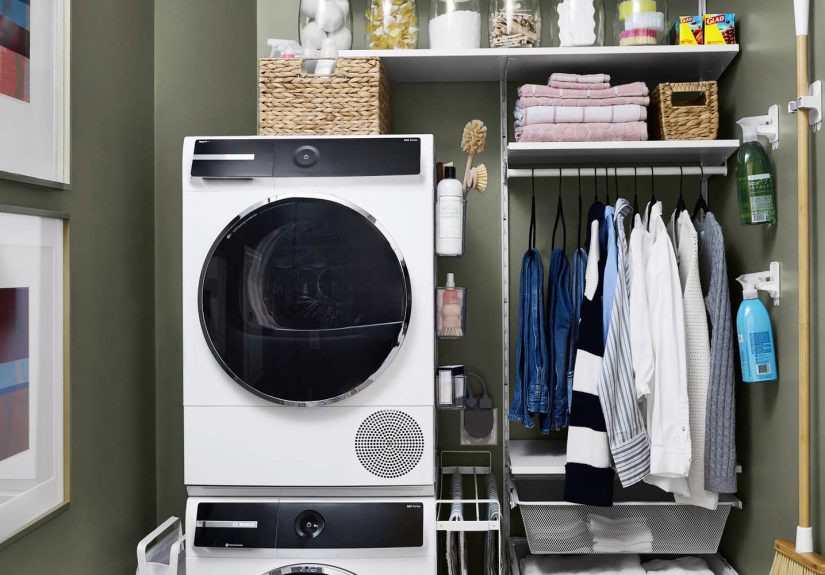
The big idea is simple but surprisingly transformative. Rather than relying on a random shelf, a crowded cabinet, or the classic “I’ll just set it on top of the dryer for now” strategy, this approach uses a floor-to-ceiling modular wall system with adjustable shelves, baskets or drawers, a hanging bar, and hooks. In other words, it treats the wall like prime real estate. The result is a small laundry room that feels more open, more organized, andmost importantlyfar less annoyed with you.
What makes this storage idea so smart is that it solves the real problem in tiny laundry rooms: floor space is limited, but wall height usually is not. Once storage climbs vertically, the room starts working harder without looking busier. That is the magic trick. The square footage does not actually double, of course, but the room can absolutely feel twice as big because the floor clears out, the clutter gets assigned a home, and every item stops shouting for attention.
Why This IKEA-Inspired Laundry Room Idea Works So Well
The best small-space ideas do two things at once: they increase function and reduce visual stress. This one checks both boxes. A tall modular system creates designated storage without the heavy, boxed-in feeling that bulky cabinets can sometimes cause. Because the shelves, rods, and baskets can be adjusted, the setup is flexible enough for detergent, stain removers, drying tools, extra towels, hampers, and even those mysterious single socks that seem to appear from another dimension.
There is also a psychological win here. When supplies are arranged vertically and intentionally, the room reads as organized instead of overloaded. Matching bins, consistent containers, and grouped categories all make the eye relax. That might sound dramatic for a laundry room, but visual clutter is real. If every bottle, rag, and gadget is on display in mismatched packaging, the room feels cramped before you even take a step inside.
This is why IKEA-style systems work so beautifully in compact utility spaces. They are modular, adaptable, and usually shallow enough to fit tight footprints. Instead of demanding a giant renovation, they let you customize storage around what you actually own and how you actually do laundry. Revolutionary, I know.
The “Made It Feel Twice as Big” Effect
So what exactly makes a room feel bigger? It is not just about adding shelves. It is about reducing friction. When the detergent is easy to reach, the ironing board is off the floor, the drying rack folds away, and the narrow gap beside the machines holds a slim rolling cart instead of dead air, the room starts flowing better. You move through it faster. You see the floor. You stop playing storage Tetris every time you wash a towel.
That feeling of ease changes everything. A small laundry room becomes less of a storage problem and more of a functioning station. It has zones. It has breathing room. It has a purpose beyond “room where the broom goes when guests come over.”
Designers and organizers keep circling back to the same principles for a reason: go vertical, mix open and closed storage, use hooks, add a folding area if you can, and keep everyday items accessible while moving bulk supplies higher up. This IKEA-inspired idea packages all of those best practices into one clever setup.
The Core Storage Formula to Copy
1. Start with a floor-to-ceiling wall system
This is the backbone of the whole concept. A modular wall-mounted system gives you adjustable shelving from low to high, so you can tailor each level to what you use most. Keep daily items at arm’s reach, less frequently used supplies above eye level, and backup stock higher up. The beauty of modular storage is that it can evolve as your needs change. Need more room for baskets later? Shift a shelf. Want a hanging bar for air-drying? Add one. It is practical, not precious.
2. Use open shelves without letting them become chaos shelves
Open shelving works best when it is edited. The minute you throw six unrelated cleaning products, a flashlight, a lonely clothespin, and a bag of mystery rags on one shelf, the room starts giving garage energy. Instead, use matching bins, jars, or baskets to group like items. Think “stain treatment,” “delicates,” “pet laundry,” or “cleaning cloths.” The labels do not have to be fancy, but they do have to be clear.
3. Add hooks like your sanity depends on it
Because in a small laundry room, it kind of does. Hooks on the wall, side of a cabinet, or back of the door are perfect for mesh bags, dustpans, reusable tote bags, lint tools, and items waiting to air-dry. Hooks are the overachievers of small-space storage: cheap, easy, and shockingly useful.
4. Include a hanging bar or fold-down drying solution
Not everything belongs in the dryer. A hanging bar built into the shelving system or mounted below a shelf instantly makes the room more functional. If you are really tight on space, a wall-mounted drying rack or over-the-door solution can do the job without eating up floor area.
5. Sneak in a slim rolling cart
If there is a narrow gap beside your washer and dryer, that is not an awkward space. That is an opportunity wearing a fake mustache. A slim cart can hold detergents, dryer balls, stain sprays, and backup supplies while sliding out of sight when not in use.
6. Create a folding zone
A small wood countertop over front-loading machines, a compact shelf, or even a nearby console can become a landing pad for folded clothes. This matters more than people think. Without a folding zone, laundry migrates. First it is on the dryer, then a chair, then somehow all over the bed. Giving it a proper spot keeps the mess from spreading to the rest of the house like juicy gossip.
How to Recreate the Look in Your Own Small Laundry Room
If you want the same spacious effect, begin with measurement, not shopping. Measure the wall height, the width behind the appliances, the door swing, and any awkward trim or utility access points. A modular setup only feels smart when it fits cleanly and leaves room to move.
Then choose a storage mix that matches your habits. If you love a clean, calm look, use more closed bins and a few concealed storage zones. If you prefer quick access, keep the shelves open but uniform. Many IKEA-style laundry setups work well because they blend both: open shelving for everyday essentials, plus baskets, boxes, or drawers to prevent visual clutter.
Color matters, too. Lighter finishes, coordinated storage containers, and a limited palette help the room feel bigger. White, soft gray, warm wood, muted green, and black accents are all common for a reason: they make a hardworking room feel intentional instead of improvised.
And do not ignore the “tiny” accessories. Over-the-door hangers, wall-mounted ironing board storage, foldable drying racks, clip-on baskets, and small lidded containers can make a dramatic difference. In a compact room, the little things often do the heaviest lifting.
Design Details That Make the Storage Feel Custom
Here is where the idea goes from “organized” to “why does this look so expensive?” Mixing storage types is a big part of it. A combination of shelves, rods, baskets, and maybe one closed cabinet creates rhythm and breaks up the wall visually. It also keeps the room from looking like a warehouse aisle for very clean people.
Another smart move is taking storage all the way to the ceiling. Ceiling-height cabinets or shelves make the room look taller and more finished. They also give seasonal or bulk items a home far away from daily traffic. Just reserve the highest spots for things you do not need all the time.
You can also borrow a trick from better-designed laundry rooms everywhere: hide the ugly stuff. Decant detergent into simple containers. Store loose supplies in matching bins. Tuck rarely used items into opaque baskets. Even one small change like removing brightly branded packaging from the main sightline can make the room feel calmer and more polished.
If your laundry area is visible from another room, that matters even more. A coordinated storage wall can help the space blend into the home instead of looking like a utility interruption in the middle of your design plans.
Mistakes to Avoid When Copying This Storage Idea
Ignoring depth
Deep storage can overwhelm a small room. Look for shelving that is shallow enough to keep the pathway open and the room airy.
Installing storage without categories
More shelves do not automatically equal more organization. Without categories, you are just giving clutter multiple floors.
Overfilling every shelf
Leave a little empty space. It helps the room breathe and makes it easier to put things away without frustration.
Forgetting vertical drying
A compact laundry room needs drying space just as much as it needs detergent storage. Plan for both from the start.
Skipping the door and side walls
Back-of-door storage, narrow wall hooks, and side-mounted accessories often make the biggest difference in tiny rooms.
Why This Trend Has Staying Power
What makes this IKEA-inspired storage idea more than a passing home trend is that it solves a universal problem with a realistic solution. Most people do not have endless square footage, custom millwork budgets, or a magical hidden room where clutter goes to repent. They need affordable, flexible, hard-working storage that makes a small room function better right now.
That is why this concept resonates. It is not about copying one exact laundry room down to the paint color or the basket style. It is about borrowing the strategy: build upward, use modular pieces, keep the floor clear, and make every inch count. The “twice as big” effect comes from thoughtful planning, not flashy design tricks.
And honestly, there is something deeply satisfying about a laundry room that finally understands its job description. No drama. No avalanches of cleaning supplies. No ironing board wedged into a corner like it is serving a timeout. Just a compact room doing big-league work.
Real-Life Experience: What It Feels Like After the Upgrade
The most noticeable change after using this kind of IKEA-inspired storage is not even visual at first. It is behavioral. You stop hesitating before walking into the laundry room. Before the upgrade, the space feels like a chore before the chore. There is no good place to set anything down, supplies are stacked in ways that make no sense, and every time you need one thing, you move three others just to get to it. Once the vertical wall system is in place, that friction fades. You know where the detergent lives. You know where the mesh bags go. You know exactly where to hang the shirt that should not touch the dryer unless you want it to come out looking like it belongs to your nephew.
There is also a huge difference in how the room sounds and moves. That may sound odd, but it is true. When the floor is clear, baskets are parked where they belong, and hooks are holding the loose items that used to land everywhere else, the room feels quieter. You are not bumping a hamper with your knee. You are not knocking over a bottle while reaching for bleach. You are not balancing folded towels on top of the dryer like a contestant in a very boring game show. The workflow becomes smooth. Sort. Wash. Dry. Hang. Fold. Done.
Another experience people notice is how much easier it becomes to maintain tidiness once the room has proper zones. That matters because a room that looks gorgeous for two days and chaotic for the next twenty-eight is not actually a good system. With modular shelves, slim bins, and a clear vertical layout, putting things away becomes almost automatic. A spray bottle goes back into the cleaning bin. Dryer balls drop into the jar. Delicates hang in one spot. Laundry supplies stop roaming the house like confused tourists.
It also changes the mood of the room. A small laundry room can feel dim, cramped, and relentlessly practical in the least charming way possible. But once the storage is streamlined and the visual clutter is edited down, the space starts to feel intentional. Maybe even nice. You might add a small rug, a warmer paint color, or a simple basket that makes you feel like the kind of person who definitely folds fitted sheets correctly. Whether or not that last part is true is between you and your linens.
Perhaps the best part is that the room begins to support the rest of the home instead of sabotaging it. Laundry no longer spills into adjacent rooms. Supplies are easy to inventory. Bulk items stay out of the way. Guests can walk past the open door without getting a full view of household chaos. It is a practical upgrade, yes, but it also feels strangely luxurious. Not luxurious in a marble-countertop, chandelier-over-the-washer sort of way. Luxurious in the deeply adult sense that everything has a place, and for once, the place is not “wherever it fits.”
Conclusion
The smart IKEA storage idea that made this small laundry room feel twice as big was not some wild design stunt. It was a simple, strategic choice to use the wall from floor to ceiling and combine modular shelves, hanging storage, hooks, and compact accessories in a way that respects every inch. That is what made the room feel larger, lighter, and easier to use.
If your own laundry room feels crowded, the lesson is clear: stop asking the floor to do all the work. Let the walls earn their keep. With the right vertical system, a small laundry room can become one of the most efficient spaces in the houseand maybe, just maybe, one of the least annoying.