Table of Contents >> Show >> Hide
- What Evaporated Milk Actually Does (So You Can Replace It Like a Pro)
- The Best Substitutes for Evaporated Milk (Ranked by “Closeness”)
- Dairy-Free Substitutes for Evaporated Milk (Yes, You Can Still Make Dessert)
- Can You Substitute Sweetened Condensed Milk?
- Quick Decision Guide: Pick the Right Substitute in 10 Seconds
- Common Mistakes (AKA How Substitutes Go Sideways)
- Specific Examples (So You Don’t Have to Guess)
- Storage Tips for Substitutes
- Kitchen “Experience” Section: What Usually Happens When You Try These Swaps ()
- Wrap-Up: So What’s the “Perfect” Substitute?
- SEO Tags
You’re halfway through a recipe, feeling like a culinary genius… until you hit the line: “Add 1 can evaporated milk.” And your pantry responds with the sound of absolutely nothing. Don’t worryyour dinner (or pie, or mac and cheese) isn’t doomed. The “perfect substitute for evaporated milk” is less like a single magical ingredient and more like a smart match-making game: pick the swap that behaves the same way in your specific recipe.
In this guide, you’ll get the best evaporated milk substitutes (dairy and dairy-free), the exact ratios that actually work, and real-world examples so you can finish your recipe with confidenceand only a normal amount of dramatic sighing.
What Evaporated Milk Actually Does (So You Can Replace It Like a Pro)
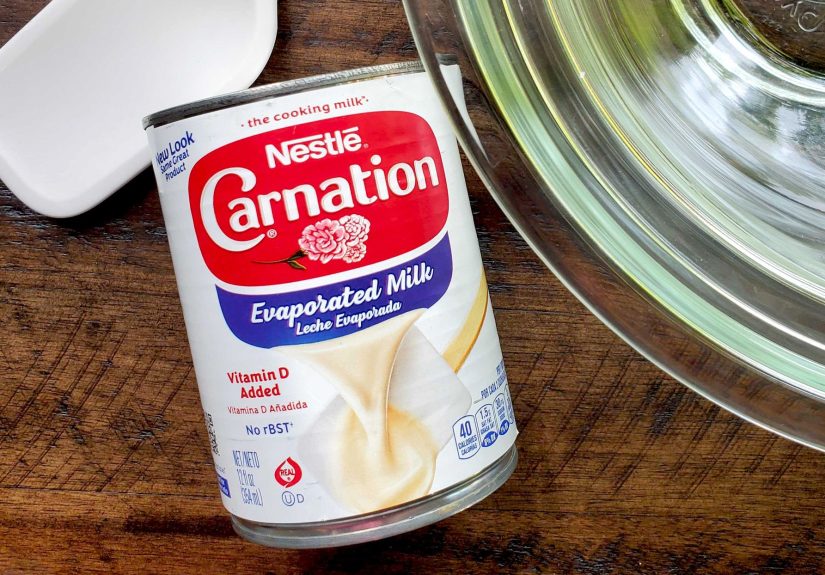
Evaporated milk is basically regular milk that went on a water-cut diet. It’s cow’s milk with a large portion of water removed, which makes it thicker, creamier, and more concentrated than standard milk. It’s also heat-treated, which helps it perform beautifully in warm, creamy dishes and certain baked desserts.
That means evaporated milk can contribute:
- Body and creaminess (without being as heavy as pure cream)
- Milk flavor that’s slightly “cooked” (often a subtle caramel note)
- Stability in hot or acidic recipes (soups, sauces, custards)
- Better texture in baked goods than plain milk in some cases
So your substitute should match the job: are you replacing thickness, fat, protein, or just “milk vibes”? Answer that, and you’re basically a kitchen detective with better snacks.
The Best Substitutes for Evaporated Milk (Ranked by “Closeness”)
1) Half-and-Half (Best 1:1 Swap for Most Recipes)
If you want the easiest, most reliable evaporated milk substitute, half-and-half is usually the winner. It has a similar creamy feel and behaves well in both savory and sweet recipes.
- Substitution ratio: 1:1 (replace evaporated milk with equal amount half-and-half)
- Best for: creamy soups, mashed potatoes, quiche, pumpkin pie, coffee drinks, casseroles
- Watch-outs: can be richer than evaporated milk; avoid aggressive boiling
2) Heavy Cream (When You Want Maximum Richness)
Heavy cream can replace evaporated milk, but it will make the recipe richersometimes gloriously so, sometimes “why does my chowder feel like velvet paint?” so. It’s perfect when you’re aiming for indulgence or your dish needs extra lusciousness.
- Substitution ratio: 1:1
- Best for: custards, creamy sauces, ice cream bases, ultra-rich soups
- Watch-outs: can overpower delicate flavors; may increase calories and fat substantially
3) Homemade Evaporated Milk (The Closest Flavor Match)
If you have regular milk but no evaporated milk, you can make a quick homemade version by gently simmering milk until it reduces and thickens. This is the closest match because… it’s essentially the same concept, just done in your saucepan instead of a factory.
- Substitution ratio: reduce about 2 cups milk down to ~1 cup (a roughly 2:1 reduction)
- How to do it: simmer gently, stir often, don’t scorch the bottom
- Best for: baking (custards, pies), creamy sauces, macaroni and cheese, soups
Pro tip: Use a heavy-bottom pot and a low simmer. If you boil it hard, you risk scorching and a weird “toasted marshmallow but not in a fun way” flavor.
4) Powdered Milk (Best Pantry Hack)
Powdered milk is milk with the water removedso it’s already halfway to evaporated milk in spirit. The trick is to reconstitute it with less water than the package suggests, creating a thicker, richer liquid.
- Substitution ratio: mix powdered milk with about 60% of the water normally required
- Best for: baking, sauces, soups, casseroles
- Watch-outs: can taste slightly “cooked” depending on brand (often fine in recipes)
Dairy-Free Substitutes for Evaporated Milk (Yes, You Can Still Make Dessert)
If you’re avoiding dairy, the goal is to mimic evaporated milk’s thickness and performance. Plant milks vary wildlysome are basically flavored water, others behave like a dream in baking. Choose wisely, young padawan.
1) Canned Coconut Milk (Best for Creaminess)
Full-fat canned coconut milk is thick and rich, which makes it one of the best non-dairy substitutes for evaporated milkespecially in desserts. It can add a light coconut flavor, which is either delightful or a plot twist, depending on your recipe.
- Substitution ratio: 1:1
- Best for: curries, creamy soups, pumpkin pie, flan-style desserts, dairy-free sauces
- Watch-outs: coconut flavor; stir well (fat separates in the can)
2) Soy Milk (Best for Baking Structure)
For baking, soy milk is often the strongest plant-based option because it typically has more protein than other non-dairy milks. Protein helps baked goods set properly (think custards and pies that slice cleanly instead of slumping into “pudding situation”).
- Substitution ratio: 1:1 for many recipes
- Upgrade for thickness: simmer soy milk gently to reduce it, or add a small amount of cornstarch slurry for sauces
- Best for: baking, custards, creamy soups, sauces
3) Oat Milk (Best Neutral Flavor + Cozy Texture)
Oat milk tends to be creamier than many nut milks, with a mild flavor that works well in both sweet and savory dishes. It may not be as thick as evaporated milk, so reducing it slightly can help.
- Substitution ratio: 1:1, or reduce slightly for richer results
- Best for: soups, baked goods, coffee drinks, casseroles
- Watch-outs: some brands are sweeteneduse unsweetened for savory recipes
Can You Substitute Sweetened Condensed Milk?
Technically? You can do almost anything once. But should you? Usually, no. Sweetened condensed milk contains a lot of added sugar and is much thicker and sweeter than evaporated milk. Swapping it straight across will turn savory recipes into dessert-by-accident (which is only acceptable in extremely niche circumstances).
If it’s an emergency: you can sometimes dilute sweetened condensed milk with water and reduce other sugars in the recipe, but results vary and the flavor balance can still be off. When possible, choose one of the true substitutes above instead.
Quick Decision Guide: Pick the Right Substitute in 10 Seconds
| Recipe Type | Best Substitute | Ratio | Why It Works |
|---|---|---|---|
| Soups & chowders | Half-and-half | 1:1 | Creamy body without going full “cream bomb.” |
| Mac and cheese / creamy sauces | Homemade evaporated milk | Reduce 2:1 | Closest texture + concentrated milk flavor. |
| Custards & pies | Half-and-half (or homemade) | 1:1 | Sets well and stays smooth. |
| Ultra-rich desserts | Heavy cream | 1:1 | More fat = silkier texture (and more “wow”). |
| Dairy-free desserts | Canned coconut milk | 1:1 | Thick, creamy, great mouthfeel. |
| Dairy-free baking | Soy milk (reduce if needed) | 1:1 | Higher protein supports structure. |
| Pantry-only situation | Powdered milk (less water) | Concentrated mix | Recreates thickness with shelf-stable ingredients. |
Common Mistakes (AKA How Substitutes Go Sideways)
- Boiling half-and-half: keep it at a gentle simmer in soups and sauces; high heat can cause separation.
- Using thin plant milk for custard: if it’s watery, your custard may not set well. Choose soy milk or reduce your plant milk slightly.
- Overcorrecting with heavy cream: sometimes 1:1 heavy cream makes a dish too rich. If you want a closer match, mix cream with milk (or use half-and-half).
- Scorching homemade reduced milk: low heat + frequent stirring = smooth results.
- Accidentally grabbing sweetened condensed milk: your savory dish does not want to be a candy bar.
Specific Examples (So You Don’t Have to Guess)
Pumpkin Pie
Most pumpkin pie fillings want creaminess and a stable set. Use half-and-half 1:1 for a reliable swap. Dairy-free? Use canned coconut milk 1:1 (expect a subtle coconut note) or soy milk for a more neutral flavor.
Mac and Cheese
If evaporated milk was meant to keep your sauce creamy, use homemade evaporated milk (reduced milk) for the closest behavior. If you’re going quick: half-and-half works, but keep the heat gentle and whisk like you mean it.
Creamy Tomato Soup
You want richness without curdling. Choose half-and-half or heavy cream, and stir it in off-heat or at a very low simmer. Dairy-free? Use oat milk or coconut milk depending on flavor preference.
Mashed Potatoes
This is the friendliest recipe on Earth for substitutions. Half-and-half is easy. Heavy cream is luxurious. Even concentrated powdered milk works. Your potatoes won’t judge youthey’re potatoes.
Storage Tips for Substitutes
If you make homemade evaporated milk (reduced milk), cool it quickly and refrigerate it in a sealed container. For best quality, use it within a few days. Opened canned evaporated milk should also be refrigerated and used promptly.
Kitchen “Experience” Section: What Usually Happens When You Try These Swaps ()
In real home kitchens, evaporated milk substitutions tend to fall into two categories: “Wow, that worked” and “Okay, we learned something today.” The good news is that most of the learning moments are totally avoidable once you know what each substitute is doing behind the scenes.
The most common win is the half-and-half swap. People reach for it because it’s simpleno math, no simmering, no waiting. In creamy soups and mashed potatoes, the difference is often minimal: you still get a velvety texture, and the dish tastes like you intended it that way. The only time it gets dramatic is when the pot is boiling aggressively. That’s when half-and-half can separate and make the surface look slightly grainy. The fix most cooks discover fast is also the simplest: lower the heat and whisk, like you’re trying to convince the soup to behave.
The heavy cream swap is the “treat yourself” choiceand it usually delivers, especially in desserts. Custards feel silkier, hot chocolate gets richer, and pie fillings can taste extra plush. But there’s a point where “rich” becomes “my mouth needs a glass of water.” In savory recipes like chowder or creamy pasta sauces, heavy cream can overpower the flavor of vegetables or herbs. A common middle-ground move is blending cream with regular milk to land closer to evaporated milk’s richness without going full luxury limousine.
Then there’s the homemade reduced milk route, which is the closest matchwhen done gently. The typical experience goes like this: the first few minutes feel like nothing is happening, so someone turns up the heat, and suddenly the milk threatens to scorch. The second attempt is almost always perfect: low simmer, occasional stirring, and patience. The payoff is real: sauces taste “milkier,” baked desserts set nicely, and the texture is remarkably close to the can. It also makes people feel weirdly accomplished, like they’ve invented a new form of milk… which is adorable and should be encouraged.
For dairy-free cooks, canned coconut milk tends to be the crowd favorite in desserts: it’s thick enough to mimic evaporated milk, and it brings a creamy mouthfeel that almond milk can’t touch. The most common surprise is the flavor. In pumpkin pie, coconut is often a pleasant twist. In something like a creamy chicken pot pie sauce, it can read a bit tropical. That’s where soy milk and oat milk shinesoy for structure in baking, oat for a neutral cozy creaminess. Many people end up using coconut for sweets and soy/oat for savory dishes, because it keeps the recipe’s original “personality.”
Finally, the pantry-only hero: powdered milk mixed thicker than normal. The common experience is skepticismuntil it works. In baking and sauces, concentrated powdered milk often performs better than plain liquid milk because it brings back that thicker texture evaporated milk is known for. It’s a quiet flex: shelf-stable, practical, and surprisingly effective.
Wrap-Up: So What’s the “Perfect” Substitute?
If you want a single answer, it’s this: half-and-half is the best everyday 1:1 substitute for evaporated milk. If you want the closest match and you have time, make homemade evaporated milk by reducing regular milk. If you need dairy-free, canned coconut milk is the creamiest option, while soy milk is a baking MVP.
The real secret is choosing the substitute that matches your recipe’s goalcreaminess, structure, flavor, or heat stability. Do that, and you’ll be back to cooking like nothing ever happened. (Your pantry doesn’t need to know you improvised.)