Table of Contents >> Show >> Hide
- Quick Context: Why the Cast Matters So Much
- The Green Mile Main Cast (Top-Billed Performances)
- Prison Administration and “The Job” Crew
- The Inmates of Death Row: The Heartbreak Lineup
- Key Supporting Roles Beyond the Cell Block
- The Green Mile Cast List (Quick Reference Table)
- What Makes This Ensemble Work (A Little Cast Chemistry Breakdown)
- Frequently Asked Cast Questions (Because Everyone Asks)
- Conclusion: The Cast Is the Reason the Movie Still Hits So Hard
- Extra: of “Cast-Spotting” Experiences (The Fun Kind That Sneaks Up on You)
Some movies live or die on plot twists. The Green Mile lives on facesfamiliar, strange, terrifying, tenderand the way those faces
hold the camera for just a beat longer than you expect. It’s a prison drama with a supernatural pulse, a three-hour gut punch that somehow still finds
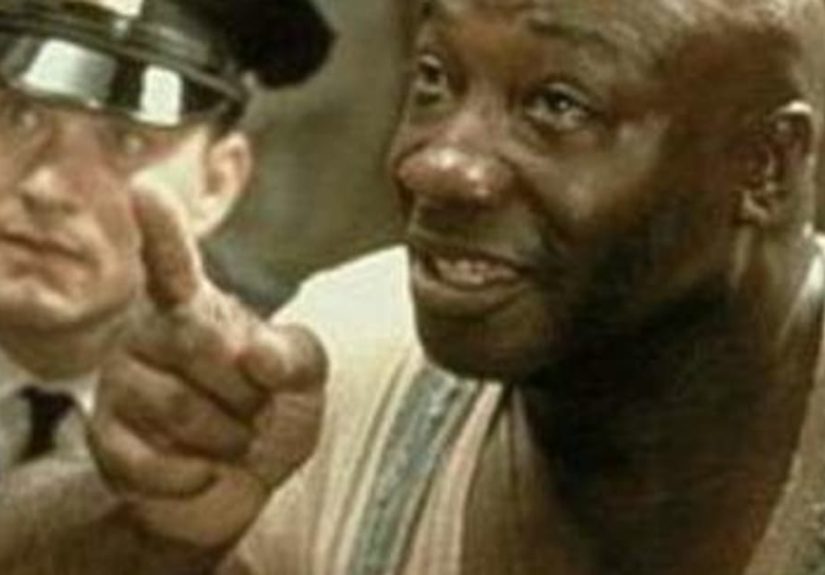
room for small jokes, human warmth, and the kind of character acting that makes you point at the screen like, “Wait… I know that guy.”
If you’re here for the full Green Mile cast listplus who played whom, why the ensemble works, and which performances still haunt viewers
decades lateryou’re in the right cell block. (Don’t worry. This one has snacks.)
Quick Context: Why the Cast Matters So Much
The Green Mile is built like a long walk down a hallway: the story’s power comes from time, repetition, and how people change (or don’t)
under pressure. That means the cast isn’t just “supporting.” Every guard, inmate, spouse, and visitor has to feel like a whole personfastbecause
the film asks you to care, then keeps asking, then asks again… until you’re emotionally out of breath.
The casting is also sneaky-smart: big stars anchor the emotion, while character actors make the prison feel lived-inlike it existed long before the
camera showed up and kept existing after it left.
The Green Mile Main Cast (Top-Billed Performances)
Tom Hanks as Paul Edgecomb
Paul Edgecomb is your guide through the moral minefieldhead guard on Death Row, calm under pressure, quietly observant, and not as certain about the
world as he’d like to be. Tom Hanks plays Paul with “decent-guy gravity”: never flashy, never smug, and always readable. You can watch the character
thinking in real timeespecially when duty and conscience start arm-wrestling.
Acting-wise, Hanks does the hardest thing in a big emotional movie: he doesn’t “perform” emotion; he contains it. That restraint gives everyone else room
to hit harder without tipping into melodrama.
Michael Clarke Duncan as John Coffey
John Coffey arrives like a storm cloud that doesn’t know it’s a storm cloud: enormous, gentle, frightened of the dark, and carrying a sorrow that
feels older than the building. Michael Clarke Duncan’s performance is the movie’s emotional engine. He makes John’s innocence believable without
turning him into a cartoon and brings a quiet dignity to scenes that could have easily felt “too much.”
It’s also a physically intelligent performancehow he moves in tight spaces, how he uses stillness as a kind of defense. The result is a character
who feels both vulnerable and powerful, which is exactly the contradiction the story needs.
David Morse as Brutus “Brutal” Howell
Every workplace has that one coworker who’s competent, loyal, and quietly terrifying if you cross the line. Brutal Howell is that guyonly with
keys to a cell block. David Morse gives Brutal a grounded authority that keeps the guards from feeling like generic uniforms. He’s the steady muscle
behind Paul’s steadier mind, and the film uses him as a moral “pressure gauge”: when Brutal looks worried, you know things are bad.
Bonnie Hunt as Jan Edgecomb
Jan Edgecomb isn’t in the prison, but she’s crucial to the movie’s emotional realism. Bonnie Hunt plays Jan with warmth and sharpnesssupportive,
practical, and genuinely affectionate without becoming a Hallmark postcard. In a story filled with darkness, Jan functions like a reminder that Paul
has a life outside the job… and that the job is leaking into it.
Prison Administration and “The Job” Crew
James Cromwell as Warden Hal Moores
Warden Hal Moores is authority with a human facestern but not cruel, pragmatic but not heartless. James Cromwell’s calm presence helps the film
avoid easy villains at the top. The warden is a “systems” guy, yet still capable of personal fear and personal gratitude when the story turns toward
the miraculous.
Barry Pepper as Dean Stanton
Dean Stanton is the younger guard with a decent heartoften the person reacting the way the audience might react: half disbelief, half “this job is
wild.” Barry Pepper plays Dean with a clean sincerity that keeps the guard crew from feeling interchangeable. He also balances the group dynamic:
you’ve got Paul’s conscience, Brutal’s strength, Harry’s experience… and Dean’s alert, humane presence.
Jeffrey DeMunn as Harry Terwilliger
Harry Terwilliger is the older guard who’s seen enough to be skeptical but not enough to be numb. Jeffrey DeMunn excels at playing working men with
tired eyes and decent instinctsexactly what this movie requires. Harry brings texture: the sense of someone who didn’t choose the era or the job,
but has to live inside both.
Doug Hutchison as Percy Wetmore
If you’ve ever wanted to throw popcorn at a character’s face (lovingly, legally, metaphorically), Percy is your guy. Percy Wetmore is cruelty with a
badge, protected by politics and powered by insecurity. Doug Hutchison makes Percy unbearable in the most effective way: the performance is small,
mean, petty, and painfully believable. Percy isn’t a comic-book monsterhe’s the kind of bully who’d absolutely exist in a rigid system that shields
him from consequences.
The Inmates of Death Row: The Heartbreak Lineup
Michael Jeter as Eduard “Del” Delacroix
Delacroix is complicated: guilty, emotional, desperate for small comforts, and clinging to dignity wherever he can find it. Michael Jeter gives Del a
fragile humanity that makes the character’s arc genuinely difficult to watch. He’s not sanitized; he’s a person. And that’s the point.
Jeter’s performance is also a master class in “small-scale acting”the way he speaks softly when he’s afraid, the way he lights up over something as
tiny as a pet, the way humiliation changes posture. It’s detail work, and it hurts.
Graham Greene as Arlen Bitterbuck
Arlen Bitterbuck doesn’t get the most screen time, but the role matters because it establishes tone: the Green Mile is a place where death is routine.
Graham Greene brings quiet intensity and dignity, helping the film avoid turning inmates into props. A few grounded scenes early on set the emotional
rules the movie will keep following.
Sam Rockwell as William “Wild Bill” Wharton
Wild Bill is chaos in human formviolent, unpredictable, and manipulative. Sam Rockwell plays him like a live wire: charming for half a second, then
suddenly terrifying. The performance adds danger to a story that might otherwise drift into pure sentiment. Wild Bill reminds you that the setting is
not symbolic; it’s lethal.
Rockwell’s skill here is control. Even when Wild Bill is “out of control,” the actor never is. That precision makes the character feel realand
therefore scarier.
Harry Dean Stanton as Toot-Toot
Harry Dean Stanton appears as Toot-Toot, and if you know Stanton’s career, you know what he delivers: instant credibility. Even in brief moments,
he gives the row a sense of historylike this hallway has seen stories we’ll never hear. It’s classic character-actor magic: show up, say little, and
still expand the world.
Key Supporting Roles Beyond the Cell Block
Patricia Clarkson as Melinda Moores
Melinda Moores is the warden’s wife, and her storyline is where the film’s “real world” collides with the supernatural in a way that tests everyone’s
beliefs. Patricia Clarkson brings a grounded emotional clarity that keeps these scenes from feeling like fantasy set pieces. Her performance anchors
the stakes in something painfully human: fear, vulnerability, and the desire for more time.
Gary Sinise as Burt Hammersmith
Burt HammersmithJohn Coffey’s lawyeris a small but meaningful role, and Gary Sinise gives it weight without stealing focus. The character functions
as an outside voice: a reminder that legal truth and moral truth don’t always line up neatly. Sinise’s presence also adds a “wait, is that…?” moment
for viewers, which is half the fun of a cast this deep.
William Sadler as Klaus Detterick
William Sadler plays Klaus Detterick, adding to the film’s tapestry of people orbiting the prison system. Sadler is another actor who can deliver a
whole backstory in a glance. Even when the story moves quickly, his presence helps the world feel populatedmessy, complicated, and real.
Dabbs Greer as Old Paul Edgecomb
The film’s framing device depends on an older Paul looking back, and Dabbs Greer sells that reflective tone with gentle melancholy. He doesn’t play
“old” as a gimmickhe plays it as memory: slower, softer, and heavy with things he can’t un-know. It’s the kind of performance that can disappear
into the structure of a story… until you realize the structure wouldn’t stand without it.
Eve Brent as Elaine Connelly
Elaine Connelly is part of the nursing-home present-day storyline, and Eve Brent brings warmth and curiosity to scenes that could have felt like mere
exposition. She helps the film shift timelines without losing emotional continuity, acting as a human bridge between “then” and “now.”
The Green Mile Cast List (Quick Reference Table)
| Actor/Actress | Character | Why It Sticks |
|---|---|---|
| Tom Hanks | Paul Edgecomb | Emotional restraint; moral center of the story |
| Michael Clarke Duncan | John Coffey | Tender power; heartbreaking innocence |
| David Morse | Brutus “Brutal” Howell | Grounded authority; loyal strength |
| Bonnie Hunt | Jan Edgecomb | Warmth and realism outside the prison |
| James Cromwell | Warden Hal Moores | Human authority; calm leadership |
| Doug Hutchison | Percy Wetmore | One of cinema’s most punchable villains (compliment) |
| Michael Jeter | Eduard “Del” Delacroix | Fragile humanity; unforgettable vulnerability |
| Graham Greene | Arlen Bitterbuck | Dignity and tone-setting realism |
| Sam Rockwell | William “Wild Bill” Wharton | Unpredictable menace; controlled chaos |
| Barry Pepper | Dean Stanton | Earnest heart; audience-aligned reactions |
| Jeffrey DeMunn | Harry Terwilliger | World-weariness with decency intact |
| Patricia Clarkson | Melinda Moores | Grounds the miracle storyline in real fear |
| Harry Dean Stanton | Toot-Toot | Instant authenticity; expands the world in seconds |
| Gary Sinise | Burt Hammersmith | Outside perspective; quiet authority |
| William Sadler | Klaus Detterick | Texture and lived-in realism |
| Dabbs Greer | Old Paul Edgecomb | Memory, regret, and the story’s reflective spine |
| Eve Brent | Elaine Connelly | Gentle curiosity; bridges timelines smoothly |
What Makes This Ensemble Work (A Little Cast Chemistry Breakdown)
The smartest thing The Green Mile does is treat the prison staff like an ecosystem. Each guard represents a different relationship to power:
Paul is conscience, Brutal is loyalty, Harry is experience, Dean is empathy-in-training, and Percy is what happens when insecurity gets authority.
Put them in the same hallway and you get constant tensioneven when nothing “big” is happening.
Meanwhile, the inmates aren’t a single category. Del is desperation and dignity. Bitterbuck is quiet resignation. Wild Bill is violence with charisma.
John Coffey is something else entirelyan impossible contradiction that forces everyone to re-check their assumptions. That range makes the story feel
moral rather than merely emotional: you’re not just sad; you’re challenged.
Frequently Asked Cast Questions (Because Everyone Asks)
Who plays John Coffey in The Green Mile?
John Coffey is played by Michael Clarke Duncan, whose performance became one of the film’s most celebrated elements.
Who plays Percy Wetmore?
Doug Hutchison plays Percy Wetmore, the guard you love to hatebecause the performance commits to the character’s petty cruelty without blinking.
Who are the main guards in The Green Mile?
The core group includes Paul (Tom Hanks), Brutal (David Morse), Dean (Barry Pepper), and Harry (Jeffrey DeMunn), with Percy (Doug Hutchison) as the disruptive presence.
Conclusion: The Cast Is the Reason the Movie Still Hits So Hard
You can talk about the story, the setting, the supernatural elements, even the runtime that demands hydration. But the reason people keep returning to
The Green Mile is the cast: a lineup of actors and actresses who make a heightened, emotional story feel unnervingly personal. They don’t just
play characters. They play the invisible forces around those charactersfear, faith, cruelty, kindness, and the cost of living with what you’ve seen.
If you’re rewatching, the fun is noticing how deep the bench really is. If you’re watching for the first time, buckle up. This cast doesn’t let you
stay on the surface.
Extra: of “Cast-Spotting” Experiences (The Fun Kind That Sneaks Up on You)
One of the most underrated pleasures of revisiting The Green Mile is how it turns into a weirdly emotional game of “Hey, I know them!”
The first time you watch, the story is so heavy you’re mostly trying to keep your heart from filing a formal complaint. But on rewatchesespecially
years lateryour brain starts doing something else: it starts recognizing careers.
For a lot of viewers, it begins with the obvious anchor. You see Tom Hanks and your mind immediately labels him “safe hands,” which makes the early
scenes feel almost comforting… right up until you realize the movie is using that trust as emotional leverage. Then Michael Clarke Duncan enters and
the experience shifts. People often describe that first Coffey impression the same way: you expect threat because of the size, and the performance
immediately flips it into vulnerability. That reversal isn’t just good actingit’s a viewer experience you can practically feel in the room, especially
if you’ve ever watched it with someone who doesn’t know what’s coming. Their posture changes. They get quieter. They start watching faces, not plot.
Then the cast-spotting starts. Sam Rockwell shows up and longtime movie fans get that little jolt: “Oh, he’s about to be incredible… and probably
terrifying.” On later viewings, his performance can feel even more unsettling because you notice how controlled it ishow he weaponizes charm for
seconds at a time. It’s the kind of role that makes group watches loud in the best way, because people can’t help reacting out loud: groans, laughs
of disbelief, the occasional “Are you kidding me?” directed at the screen like it can hear you.
Doug Hutchison’s Percy is another shared experience. If you watch with friends, Percy becomes a running commentary track. Someone will inevitably say,
“Just fire him,” and someone else will answer, “That’s the whole problem.” The performance is so specifically petty that it feels familiar in a way
that’s almost uncomfortablelike the movie is reminding you that monsters don’t always roar; sometimes they complain, smirk, and hide behind connections.
The deeper you go, the more the supporting cast becomes the reward. People who love character actors tend to light up at Harry Dean Stanton’s presence,
because he can walk into a scene and instantly make it feel older, truer, more lived-in. And then there are those “wait, that’s Gary Sinise” moments
the kind that make you pause, rewind, and realize the film is stacked with talent even in smaller roles. It’s like discovering your favorite diner also
makes an incredible dessert you never noticed because you were focused on the main course.
That’s the lasting experience of The Green Mile cast watching: the performances don’t just support the storythey become a map of American
film and TV talent around that era. The movie hurts, yes. But it also gives you something oddly satisfying: proof that a great ensemble can make a long,
heavy film feel not longer, but deeperlike every rewatch reveals a new face, a new nuance, and a new reason you remember it.