Table of Contents >> Show >> Hide
- The Cheapest Tesla, With One Important Asterisk
- Why It Still Doesn’t Feel Cheap
- What Tesla Cutand What It Didn’t
- The Catch Nobody Likes: Incentives Are Gone
- How the Cheapest Tesla Stacks Up Against Rivals
- The Real Cost of “Affordable” Tesla Ownership
- Should You Buy It, or Skip Straight to Used?
- Verdict: Better Value, Not a Revolution
- What It Actually Feels Like to Shop for the Cheapest Tesla
- SEO Tags
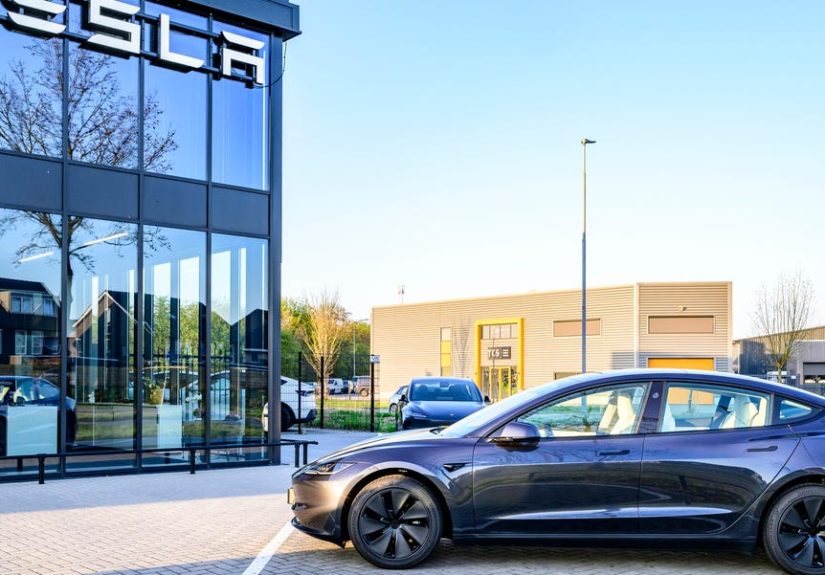
For years, Tesla talked like it was one software update away from selling an electric car for the price of a very confident used Honda. Then reality showed up wearing a finance-office name tag. Tesla’s newest entry point, the 2026 Model 3 Standard, is the least expensive new Tesla currently on sale in the United States, and by the standards of today’s EV market, it is genuinely more approachable than the brand’s usual fare. But “approachable” and “cheap” are not the same thing, and Tesla’s latest budget-minded move proves that difference with all the subtlety of a giant glass roof in July.
The headline number sounds encouraging at first. Tesla lists the Model 3 Standard at $36,990 before the company’s destination and order fees, and $38,630 with those fees included. That is meaningfully lower than the pricier Model 3 trims and enough to let Tesla say, with a straight-ish face, that it has opened the door a little wider. The problem is that the door still opens into a room full of additional costs. Taxes, registration, insurance, home charging equipment, and the ever-present temptation of software upgrades and nicer paint colors all show up fast. Suddenly the “cheap Tesla” starts looking less like a disruptive moonshot and more like a very modern way to spend around forty grand.
The Cheapest Tesla, With One Important Asterisk
Let’s clear up the phrase “cheapest-ever” before it starts a family argument in the comments. Tesla did once make a famously elusive $35,000 Model 3, a car that briefly existed in the same way a rare comet exists: technically real, but mostly discussed in awed tones by people who saw it for nine minutes. So no, this new Model 3 Standard is not the lowest sticker price Tesla has ever attached to a car in nominal historical dollars. What it is, however, is the cheapest current Tesla, the cheapest version of the refreshed Model 3, and Tesla’s newest attempt to make “entry-level” mean something other than “entry-level for software engineers who just got stock options.”
That distinction matters because Tesla’s affordable-car story has shifted over time. Instead of unveiling a radically different $25,000 mass-market vehicle, Tesla has leaned into de-contented versions of the cars it already builds. In plain English, it took the Model 3, trimmed some features, adjusted the battery and equipment, and lowered the barrier to entry just enough to make headlines without setting off a total price war with itself. It is a smart manufacturing decision. It is not exactly a populist uprising.
Why It Still Doesn’t Feel Cheap
The easiest way to understand this car is to separate “cheap for a Tesla” from “cheap in America.” Those are very different neighborhoods. On one hand, the Model 3 Standard undercuts most of Tesla’s lineup and comes in well below the average price Americans pay for a new vehicle, which recently hovered around $49,000. Against the average EV transaction price, which has been sitting even higher, Tesla can make a convincing case that its base sedan is relatively attainable.
On the other hand, the average buyer is not comparing this car with a six-figure luxury EV and thinking, “What a steal.” They are comparing monthly payments, insurance bills, and real-world alternatives. That is where the “not that cheap” part of the title starts doing real work. A compact SUV or mainstream crossover still feels more normal to a lot of households, and many of those vehicles land in the mid-$30,000 range. Tesla may be cheaper than many EVs, but it is not operating in a vacuum. It is operating in a showroom where the customer also has a calculator, a spouse, and at least one friend who keeps saying, “You know the Equinox EV starts lower, right?”
And that friend is not wrong. In the broader market, the Model 3 is no longer the low-cost king of electric anything. Cars.com recently ranked it behind several lower-priced EVs, including the Chevrolet Bolt, Nissan Leaf, Fiat 500e, Hyundai Kona Electric, Toyota bZ, Hyundai Ioniq 5, and Chevrolet Equinox EV. Even the Hyundai Ioniq 6 lives in roughly the same pricing universe. So while Tesla has finally made its lineup easier to enter, it has not made the cheapest EV Americans can buy. It has simply made the cheapest Tesla Americans can buy.
What Tesla Cutand What It Didn’t
Here is where Tesla deserves a little credit. The Model 3 Standard is not some automotive prison meal where every pleasant feature has been removed and replaced by a laminated sign that says “minimalism.” Reviewers have noted that the cuts are relatively modest. The car still looks like a modern Tesla, still keeps the panoramic glass roof, and still carries the same clean, tech-heavy feel that makes the Model 3 attractive in the first place.
That said, the bean counting is visible if you know where to look. The base car uses fabric seating surfaces, swaps in a smaller battery, and loses a few niceties that buyers now expect in pricier Teslas. The rear entertainment screen is gone. Some controls shift toward simpler or more manual solutions. The steering column adjustment is manual rather than electric, and seat controls rely more heavily on the touchscreen. None of that makes the car bad. It just means Tesla achieved the price cut the way automakers usually do: by taking away a bit of the frosting while insisting the cake is basically the same.
And honestly? For many buyers, that trade-off may be fine. The Model 3 Standard still offers an EPA-estimated 321 miles of range and a 0-60 mph time of 5.8 seconds, which is plenty brisk for the school run, the commute, or a dramatic merge onto the interstate when somebody in a pickup thinks signals are a form of weakness. In other words, Tesla shaved cost without turning the car into a compromise machine. It still feels like a Tesla first and a budget trim second.
The Catch Nobody Likes: Incentives Are Gone
If this car had arrived while the federal EV tax credit was still in full effect, the story would feel very different. A few years ago, buyers could play a fun little game called “pretend the government is helping me.” That game is over. Federal new-EV tax credits in the United States ended for vehicles acquired after September 30, 2025, which means the latest cheapened Tesla hits the market at the exact moment when buyers feel the full price more directly.
That changes the psychology of the purchase. A Tesla priced in the high $30,000 range used to prompt buyers to mentally subtract incentive dollars and then explain to their families that the car was “basically in the low $30s.” Now it is just in the high $30s. This may sound obvious, but in car shopping, obvious things matter a lot. The difference between a theoretical after-credit deal and an actual out-the-door payment is the difference between “maybe we can do this” and “let’s close that browser tab.”
It also explains why this “affordable” Tesla still feels expensive even when its MSRP looks more reasonable than before. The price is lower, yes. The safety net underneath the price is gone, also yes. Put those together and you get a car that is more accessible on paper while still feeling financially tall in real life.
How the Cheapest Tesla Stacks Up Against Rivals
The Model 3 Standard’s biggest strength is not that it is the least expensive EV. It is that it combines solid range, strong brand recognition, familiar software, and Tesla’s charging ecosystem in a package that now starts closer to the middle of the market instead of the premium end. For some shoppers, that equation still works beautifully. They want the Tesla experience, not just an electric drivetrain. They want the interface, the Supercharger convenience, the over-the-air updates, and the clean-sheet vibe that makes many conventional cars feel a little old-fashioned.
But the competition has stopped standing around politely while Tesla adjusts prices. Chevrolet’s Equinox EV comes in aggressively. Hyundai continues to offer compelling alternatives with the Ioniq line. Other brands have become more comfortable building EVs that do not look like science projects or apologies. Tesla is no longer selling “the future” to people who have never seen it before. It is selling one version of the future in a market that finally has options.
That means value matters more than mythology. If you care mostly about getting into an EV for the least money possible, Tesla is not your automatic answer anymore. If you want a compelling mix of range, performance, software polish, and resale familiarity, the Model 3 Standard becomes more interesting. And if you are determined to buy new rather than used, this may be the cleanest on-ramp Tesla has offered in a while.
The Real Cost of “Affordable” Tesla Ownership
Sticker price is just the opening scene. The real movie starts when you imagine living with the car for three to five years. Tesla’s mandatory fees are already baked into the advertised starting number most people see, but that still leaves sales tax, registration, financing costs, possible home-charging installation, and insurance. Insurance is especially important because many buyers discover that a monthly payment they had carefully justified can be joined by a premium that behaves like it was calculated by a suspiciously nervous actuary.
Then there is the optional-stuff trap. Tesla is very good at making optional extras feel emotionally necessary. A paint color here, a wheel upgrade there, maybe Full Self-Driving as a subscription because curiosity is a powerful financial solvent. The company’s FSD subscription currently runs at $99 a month, which makes it sound less like a giant commitment and more like a streaming service for people who want their sedan to feel ambitious. A lot of “cheap Tesla” math quietly falls apart in that exact moment.
Still, there is a genuine counterargument in Tesla’s favor. The company has improved in key areas that used to scare practical buyers off. Consumer Reports recently credited Tesla with a major jump in brand reliability, and the Model 3 remains one of the best-regarded EVs in terms of owner appeal and everyday usability. In other words, the base Model 3 is not a bargain-bin experiment. It is a serious car with a lower starting price than before. That counts for something.
Should You Buy It, or Skip Straight to Used?
This is where the story gets even more interesting. The cheapest new Tesla may not be the smartest Tesla buy for every budget-conscious shopper. Used EV prices have fallen sharply, and the used market has become a major entry point for buyers who want electric driving without new-car pain. Tesla dominates that used-EV conversation, especially through Model 3 and Model Y supply. In other words, the cheapest way into Tesla ownership may not be the newest cheap Tesla at all. It may be a lightly used older one with a more forgiving price tag.
For shoppers who want the latest design, updated cabin, warranty coverage, and that new-car smell that somehow communicates “freshly financed optimism,” the 2026 Model 3 Standard makes plenty of sense. But for shoppers who mainly want Tesla’s ecosystem and do not mind a little mileage, used inventory is becoming harder to ignore. Ironically, Tesla’s push to make new cars more affordable has also helped make older Teslas easier to buy.
Verdict: Better Value, Not a Revolution
The cheapest Tesla is finally here in a form normal buyers can actually consider, and that is meaningful. The 2026 Model 3 Standard lowers the brand’s entry price without stripping away the things that make a Tesla feel like a Tesla. It offers strong range, respectable performance, recognizable design, and enough tech-forward appeal to keep the brand’s faithful grinning into their touchscreens.
But let’s not overdo the confetti cannon. This is not the long-promised everyman EV that turns the market upside down. It is not a magic $25,000 robot-era commuter. It is a carefully trimmed version of an existing car, priced smartly enough to broaden the audience, but still expensive enough to make households think twice. The newest cheap Tesla is good news, just not the kind of good news that lets you stop checking your bank app.
So yes, the cheapest-ever Tesla is heresort of. And yes, it is still not that cheap. In classic Tesla fashion, the company has moved the dream closer, but not close enough that reality stops charging interest.
What It Actually Feels Like to Shop for the Cheapest Tesla
There is a very specific emotional journey that comes with shopping for the least expensive Tesla, and it usually begins with optimism. You open the configurator, see a number in the thirties, and think, “Wait, this is not insane.” That is the first trap. Not a malicious trap, exactly. More like a very polished digital invitation to believe you have stumbled onto a loophole in the modern car market.
Then you start acting like a real buyer instead of a headline reader. You think about where you would charge it. You imagine whether your apartment garage is cooperative, whether your house panel needs an upgrade, whether your utility rate makes nighttime charging feel clever or just slightly less painful. You picture your daily drive, your weekend trips, your family members asking if the rear seats are comfortable, and that one relative who will absolutely say, “I still don’t trust those giant screens.” Suddenly the car becomes less of an online fantasy and more of a living, breathing budget item.
Then comes the comparison spiral. You look at the Equinox EV. You look at the Ioniq 5. You look at used Model Ys and tell yourself that an SUV would be more practical, then you look at used Model 3s and tell yourself that saving money is more practical, then you look back at the new Model 3 Standard because now you want the warranty and the refreshed interior and the feeling of starting from zero miles. Car shopping is rarely rational, and EV shopping adds an extra layer of theater because everybody wants to feel they are making both a smart financial choice and a smart futuristic one.
What makes the cheapest Tesla appealing is that it still delivers the emotional hit of buying a Tesla. It still looks the part. It still feels quick. It still has the software-forward personality people associate with the brand. When you sit in it, you do not feel like you bought the sad version. You feel like you bought the reasonable version, which is a much nicer story to tell yourself. That matters more than car enthusiasts sometimes admit. Buyers are not only purchasing transportation; they are purchasing a narrative about themselves. Tesla has always understood this.
But the most honest part of the experience comes later, when the monthly numbers settle in and the novelty wears off. That is when buyers decide whether the “cheap Tesla” was actually affordable or just cleverly presented. For some people, the answer will be yes. The savings on fuel, the convenience of home charging, the modern cabin, and the lower starting price will all add up to a decision they feel good about every morning. For others, the real revelation will be that affordable is not a fixed number. It is a feeling created by priorities, lifestyle, and timing.
And that may be the best way to understand this car. The cheapest Tesla is not cheap in any universal sense. It is cheap relative to the badge, the segment, and the company’s own history of asking buyers to bring a larger wallet. It is the kind of car that feels attainable if you already wanted a Tesla and merely needed the math to hurt less. It is not the car that makes non-Tesla buyers abandon all alternatives overnight.
In that way, the experience is almost perfectly on brand. You start with a promise of accessibility, take a scenic route through spreadsheets and wishful thinking, and end up with a conclusion that is both exciting and slightly sobering. The cheapest Tesla is finally close enough to touch. You just may need to wash your hands, check your credit score, and maybe skip a few unnecessary subscriptions first.