Table of Contents >> Show >> Hide
- Why Cupcakes Still Win
- Classic Cupcake Recipes Worth Mastering First
- Unexpected Cupcake Recipes That Actually Deserve the Hype
- What Makes a Cupcake Recipe Actually Great?
- Frosting Matters More Than People Admit
- How to Choose the Right Cupcake for the Occasion
- Cupcake Experiences: What I’ve Learned from the Ones That Workedand the Ones That Absolutely Did Not
- Final Crumb
There are desserts that show up politely, and then there are cupcakesthe little overachievers that arrive frosted, portioned, party-ready, and somehow still adorable. A great cupcake is not just a small cake. It is a balancing act: tender crumb, real flavor, a frosting that knows when to flirt and when to back off, and a design simple enough to make at home without needing the emotional support of a pastry degree.
If you have ever baked a batch that came out dry, flat, or suspiciously muffin-like, welcome to the club. The good news is that the best cupcake recipes are not mysterious. They rely on a few repeatable ideas: room-temperature ingredients, careful mixing, proper pan filling, and flavors that actually taste like themselves. Vanilla should taste like vanilla, not sweet air. Chocolate should taste rich, not vaguely brown. And “creative” should never be code for “confusing.”
In this guide, we are diving into the best cupcake recipes in two camps: the classics everyone wants seconds of, and the unexpected flavors that make people pause mid-bite and say, “Wait… why is this so good?” Whether you are baking for birthdays, bake sales, brunch, or a random Tuesday that needs frosting, these are the cupcake ideas worth your butter.
Why Cupcakes Still Win
Part of the magic is practical. Cupcakes bake faster than layer cakes, travel better, and make serving easy. No slicing. No “Who got the larger piece?” negotiations. No collapsing center right before guests arrive. But the bigger reason cupcakes endure is emotional: they feel festive without demanding a major life event. A cupcake can turn an ordinary afternoon into a tiny celebration, which is honestly one of dessert’s noblest jobs.
They are also wildly adaptable. A dependable vanilla or chocolate base can support fruit curds, cookie crumbs, spice blends, creamy fillings, citrus zest, coffee notes, or a swirl of buttercream in just about any flavor direction. Once you understand that cupcakes are a format rather than a fixed recipe, the fun really begins.
Classic Cupcake Recipes Worth Mastering First
1. Vanilla Bean Cupcakes
Vanilla cupcakes are the plain white T-shirt of baking: simple, essential, and surprisingly easy to ruin. The best versions are soft, buttery, and fragrant, with a delicate crumb that stays moist instead of turning dry by sunset. Good vanilla cupcakes lean on real vanilla extract or vanilla bean paste, balanced sweetness, and a mixing method that preserves tenderness.
These are the cupcakes you want for birthdays, baby showers, school parties, or any event where people say they want “just a classic.” Pair them with vanilla buttercream for a nostalgic bakery vibe, or use them as a blank canvas for jam fillings, lemon curd centers, toasted coconut, fresh berries, or colorful sprinkles. If you only master one cupcake, make it this one. Vanilla is where technique stops hiding.
2. Deep Chocolate Cupcakes
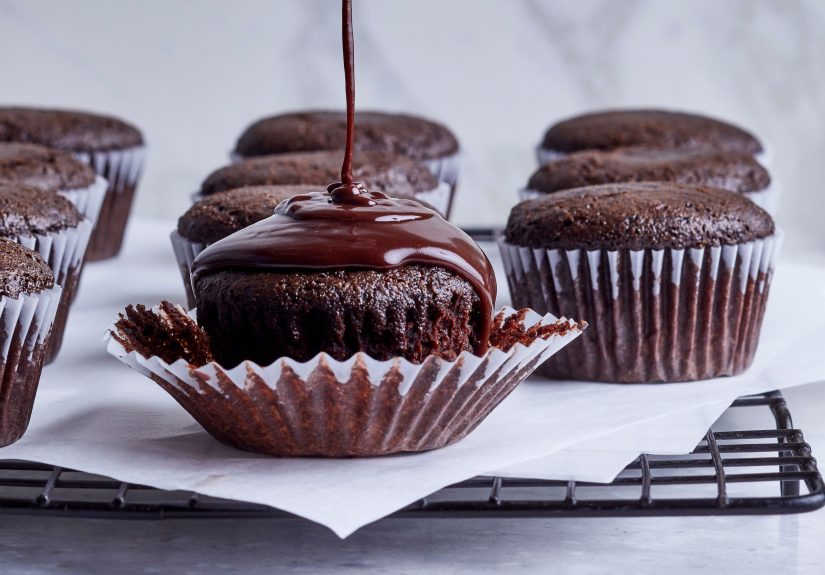
The best chocolate cupcakes should taste unapologetically chocolaty. Not sweet first and chocolate second. Rich first. Cocoa-forward. Slightly fudgy. Tender enough to melt, but sturdy enough to hold a generous swirl of frosting. Coffee or espresso powder often deepens the chocolate flavor without making the cupcake taste like a latte, which is one of baking’s great little plot twists.
Chocolate cupcakes are also the crowd-pleasers of the cupcake world. Kids love them. Adults mysteriously become “just half a cupcake” people until they finish two. Frost them with silky chocolate buttercream for maximum drama, or go with peanut butter frosting, raspberry frosting, or whipped ganache if you want something more grown-up. They are also excellent unfrosted in emergencies, which is not a design flaw. That is resilience.
3. Red Velvet Cupcakes
Red velvet remains a favorite because it delivers more than color. Done right, it has a subtle cocoa note, a slight tang from buttermilk or vinegar, and a soft, velvety crumb that feels lighter than a standard chocolate cupcake. Cream cheese frosting is the traditional partner, and for good reason: the tang cuts the sweetness and gives the whole thing some backbone.
The best red velvet cupcakes avoid two common mistakes: being too red and tasting like food coloring, or being basically chocolate cupcakes in a brighter outfit. You want balancejust enough cocoa for depth, just enough acidity for lift, and a frosting that is creamy instead of runny. Red velvet is dramatic, yes, but it should still taste like dessert, not theater.
4. Carrot Cake Cupcakes
Carrot cake cupcakes are proof that vegetables can have excellent public relations when sugar gets involved. A good version is moist and warmly spiced, with cinnamon, maybe nutmeg, and enough shredded carrot to add sweetness and texture without turning the crumb heavy. Optional add-ins like chopped pecans, walnuts, coconut, or raisins can work beautifullyassuming your household has signed the raisin consent form.
These cupcakes feel a little more sophisticated than birthday-cake styles, which makes them perfect for brunches, spring gatherings, and people who like desserts with “a little something going on.” Cream cheese frosting is still the champion here, but a maple cream cheese frosting or browned-butter variation can make the flavor even more memorable.
Unexpected Cupcake Recipes That Actually Deserve the Hype
5. Lemon Olive Oil Cupcakes
If butter makes cupcakes cozy, olive oil makes them elegant. Lemon olive oil cupcakes are bright, tender, and lightly fruity, with a texture that stays moist beautifully. The olive oil should not shout; it should hum underneath the lemon zest and juice, making the cupcake feel modern and just a little fancy without becoming weird.
Top these with a cream cheese frosting, mascarpone frosting, or even a not-too-sweet lemon glaze if you want a lighter finish. They are especially good for spring and summer, when rich desserts can feel like a bit much and citrus has main-character energy.
6. Banana Pudding Cupcakes
Banana pudding cupcakes take a Southern comfort dessert and give it a portable, party-friendly makeover. The best ones include real banana flavor, vanilla wafer notes, and a creamy center or frosting that nods to pudding without becoming heavy. These cupcakes are nostalgic in the best wayplayful, familiar, and just a little theatrical when done with crushed cookies on top.
They are ideal for potlucks and family events because they feel special without being intimidating. People know exactly what flavor story they are getting, but the format still surprises them. That is the sweet spot for an “unexpected” cupcake: recognizable enough to be inviting, creative enough to be memorable.
7. Chai Latte Cupcakes
Chai cupcakes are for bakers who want something cozy but not obvious. The warm blend of cinnamon, cardamom, ginger, cloves, and sometimes black pepper makes these cupcakes taste layered and aromatic, especially when paired with a lightly sweetened vanilla or honey frosting. They smell incredible while baking, which counts for something in a world where half the joy of dessert happens before the first bite.
This is a great flavor for fall and winter, but it works year-round for coffee lovers and spice fans. It also feels a little more adult than rainbow confetti, which is helpful when you need a dessert for a baby shower, office gathering, or dinner party where people wear linen and say things like “notes of spice.”
8. Peanut Butter and Jelly Cupcakes
PB&J cupcakes sound whimsical, but they can be genuinely excellent. A soft vanilla or peanut butter cupcake base with a jammy center and a fluffy peanut butter frosting hits both nostalgia and richness. The trick is balance. Too much peanut butter and the cupcake gets dense. Too much jelly and the whole thing tastes like a lunchbox exploded.
When it works, though, it really works. A tart berry filling can brighten the frosting, and chopped peanuts or freeze-dried fruit on top add texture. These are smart cupcakes for anyone who wants a playful flavor that still feels polished enough to serve to adults.
9. Boston Cream Cupcakes
Boston cream pie was already doing a lot, and then someone sensibly made it smaller. Boston cream cupcakes layer vanilla cake, pastry cream filling, and glossy chocolate topping into one compact dessert that feels both retro and luxurious. They require a little more effort than a simple frosted cupcake, but the payoff is huge.
These are ideal when you want cupcakes that feel “special occasion” without leaning on decoration alone. The creamy center creates contrast, the chocolate top adds drama, and the vanilla cake keeps everything grounded. They are a little old-school in the best possible way.
What Makes a Cupcake Recipe Actually Great?
The best cupcake recipes do not rely on luck. They rely on boring-but-important details, which is bad news for chaos bakers and good news for everyone else.
Use room-temperature ingredients
Butter, eggs, milk, and cream cheese blend more smoothly when they are not fridge-cold. That means a more even batter, better aeration, and a finer crumb. Cold ingredients are one of the fastest routes to lumpy batter and uneven texture.
Do not overmix the batter
Overmixing develops too much gluten and knocks out air, which can make cupcakes dense or tough. Mix until the ingredients are combined, then stop. The batter is not a personal enemy. You do not need to defeat it.
Fill liners correctly
Most standard cupcakes bake best when liners are filled about two-thirds to three-quarters full. Too little batter and you get sad, flat tops. Too much and you get mushroom caps trying to escape the pan. Neither is the dream.
Watch the oven like it owes you money
Even a good recipe can fail in a hot oven or one that runs unevenly. Cupcakes are done when the tops spring back lightly and a tester comes out with a few moist crumbs, not wet batter. Overbaking is the silent thief of cupcake joy.
Cool completely before frosting
This sounds obvious, yet melted frosting disasters continue worldwide. Let the cupcakes cool fully on a rack before decorating. Your buttercream should sit proudly on top, not slide off like it is making an escape.
Frosting Matters More Than People Admit
A cupcake is only as good as its frosting-to-cake relationship. American buttercream is the easiest and sweetest, perfect for birthday-style cupcakes and bold flavors. Cream cheese frosting brings tang and works beautifully with carrot cake, red velvet, banana, and spice cupcakes. Whipped ganache offers a smoother, more elegant finish for chocolate-forward bakes. Swiss or Italian buttercream gives a silkier texture for bakers who want less sweetness and a cleaner finish.
The best frosting should complement the cake, not bury it. If the cupcake is already rich, choose something lighter. If the cake is simple, the frosting can carry more personality. And one important note: buttercream tastes best when it is not served refrigerator-cold. Let chilled cupcakes sit long enough for the frosting to soften, unless you enjoy the mouthfeel of sweet butter brick.
How to Choose the Right Cupcake for the Occasion
For birthdays, vanilla, chocolate, and funfetti still rule because they appeal to nearly everyone. For brunches and showers, lemon, carrot cake, and strawberry-forward flavors feel bright and celebratory. For cooler weather, chai, pumpkin spice, chocolate peppermint, and red velvet are strong contenders. For bake sales, pick recipes that travel well and do not require delicate fillings unless you enjoy living dangerously.
If you want one safe strategy, bake one classic flavor and one unexpected one. Vanilla plus lemon olive oil. Chocolate plus banana pudding. Red velvet plus chai. That pairing gives cautious eaters something familiar and adventurous eaters something to talk about, which is honestly the ideal dessert table dynamic.
Cupcake Experiences: What I’ve Learned from the Ones That Workedand the Ones That Absolutely Did Not
The funniest thing about cupcake baking is how confident it can make you right before humbling you. The first time I made cupcakes for a big gathering, I chose vanilla because I thought vanilla sounded safe. It was safe in the same way beige carpet is safe. The cupcakes were technically fine, but they lacked sparkle. That batch taught me a lesson I have not forgotten: classic does not mean boring, but it does mean every detail matters more. Better vanilla, a little extra salt, and a frosting with actual personality changed everything the next time around.
Then there was the chocolate cupcake phase, which was when I learned the difference between “chocolate-flavored” and “deeply chocolate.” One recipe gave me cute cupcakes with the emotional intensity of a brown napkin. Another used better cocoa, a touch of coffee, and a softer crumb, and suddenly people were hovering near the cooling rack like respectful but determined vultures. That was the moment I understood why some recipes become keepers. It is not because they are flashy. It is because they make people immediately want another one.
Unexpected cupcake flavors taught me even more. Lemon olive oil cupcakes sounded a little too clever the first time I heard about them, like a dessert invented by someone who owns expensive candles. But once I tried them, I got it. They were bright, tender, and somehow both simple and sophisticated. Banana pudding cupcakes had a different kind of power: they made people grin. Nobody ate one politely. They ate one and launched into a story about church potlucks, grandma’s trifle bowl, or a childhood dessert they had not thought about in years.
The biggest surprise, though, was how much frosting affects memory. People remember flavor combinations, sure, but they also remember texture. A silky swirl of vanilla buttercream feels different from a tangy cream cheese frosting, and that difference changes the whole cupcake. I have watched guests pass over beautiful cupcakes with overly sweet frosting and go back for seconds on homelier ones with better balance. Cupcakes taught me that pretty matters, but delicious wins the election every time.
I have also learned that cupcakes are social in a way big cakes are not. People compare flavors. They trade halves. They point at someone else’s choice and say, “Okay, now I need that one too.” A good cupcake table becomes a tiny conversation starter. The classics create comfort; the unexpected ones create curiosity. Together, they make people feel taken care of, which is maybe the best compliment a dessert can earn.
So when I think about the best cupcake recipes, I do not just think about ingredients or oven temperature. I think about what happens after the tray hits the table: the pause, the laugh, the indecision, the crumbs, the immediate reach for another. That is the real test. Not perfection. Not height. Not picture-perfect piping. Just whether the cupcake disappears fast enough that you wish you had made one more dozen.
Final Crumb
The best cupcake recipes are the ones that combine dependable technique with a little personality. Master the classicsvanilla, chocolate, red velvet, carrot cakeand you will always have something crowd-friendly in your back pocket. Add a few unexpected favoriteslemon olive oil, banana pudding, chai, PB&J, Boston creamand suddenly your cupcake game looks a lot more interesting.
Bake them with care, frost them with confidence, and remember that the best cupcakes are not the most complicated ones. They are the ones people talk about later, request again, and secretly hope you bring to the next gathering. Which, in dessert terms, is basically a standing ovation.