Table of Contents >> Show >> Hide
- Table of Contents
- Quick Picks at a Glance
- How to Choose a Lawn Edger (Without Regretting It Later)
- The 7 Best Lawn Edgers of 2025
- 1) ECHO PE-225 (Best Overall)
- 2) WORX WG896 (Best Corded Electric)
- 3) Greenworks Pro 80V 8" Cordless Edger (Most Powerful Cordless)
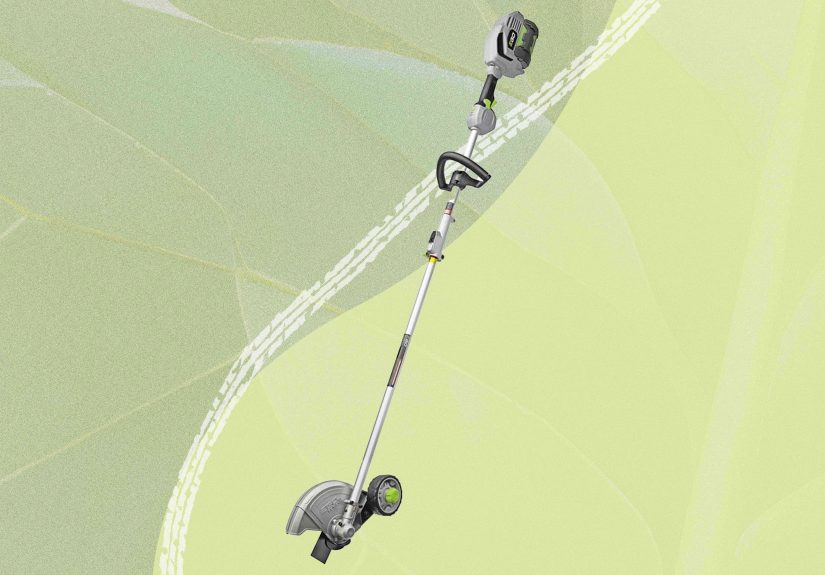
- 4) EGO POWER+ 8" Edger Attachment (Best Multi-Tool System)
- 5) BLACK+DECKER LE760 (Best Budget Edger + Trencher Combo)
- 6) Earthquake 41273 Walk-Behind Edger (Best for Long Driveways and Tough Jobs)
- 7) Fiskars Steel Long-Handle Edger (Best Manual for Quiet Precision)
- Also Worth Considering (Honorable Mentions)
- Edging Tips for Cleaner, Straighter Lines
- of Real-World Edging Experience (So You Don’t Learn the Hard Way)
- FAQ
- Final Thoughts
A perfectly edged lawn is the grown-up version of “making your bed.” Nobody has to do it… but once you do,
everything looks 37% more put-together (this number is scientifically verified by my neighbor’s side-eye).
If you’re tired of the “string trimmer shuffle” (tilt, guess, scalp a chunk of grass, apologize to the driveway),
a real lawn edger is the fastest way to get crisp borders along sidewalks, curbs, patios, and garden beds.
In 2025, the best lawn edgers fall into three camps: plug-in corded workhorses that never quit, cordless models that
are finally powerful enough to feel “real,” and gas edgers that laugh at tough soil (and also at your quiet Saturday).
Below are seven standout optionsplus practical tips so your edges look intentional, not like you traced them with a shaky hand
while holding iced coffee.
Quick Picks at a Glance
Different yards call for different tools. Here’s the fast shortlistthen we’ll dig into the “why” for each pick.
| Pick | Model | Power Type | Best For |
|---|---|---|---|
| Best Overall | ECHO PE-225 | Gas (handheld) | Clean cuts, strong performance, driveway/sidewalk edging |
| Best Corded | WORX WG896 | Corded electric | Reliable power for small–medium lawns |
| Most Powerful Cordless | Greenworks Pro 80V 8" Edger | Cordless battery | Big-lawn edging without gas or cords |
| Best Multi-Tool System | EGO POWER+ 8" Edger Attachment (Multi-Head) | Cordless battery (attachment) | Homeowners who want one power head, many tools |
| Best Budget (Edger + Trencher) | BLACK+DECKER LE760 | Corded electric | Affordable crisp edges and light trenching |
| Best for Long Driveways | Earthquake 41273 Walk-Behind | Gas (walk-behind) | Lots of linear edging, tougher soil, deeper cuts |
| Best Manual | Fiskars Steel Long-Handle Edger | Manual | Quiet, precise touch-ups; small lawns or garden beds |
How to Choose a Lawn Edger (Without Regretting It Later)
1) Power source: corded vs. cordless vs. gas vs. manual
-
Corded electric: Great power for the money and very low maintenance. The “catch” is extension-cord management,
which is basically a mini obstacle course you create for yourself. -
Cordless battery: Convenience king. Look for higher-voltage systems (or robust battery platforms) if you’ve got thick turf,
compacted soil, or a long perimeter to edge. -
Gas: Still the top choice for raw power and long sessions. Ideal for heavy grass overgrowth and hard edgesbut louder,
and you’ll deal with fuel, maintenance, and storage. -
Manual: Surprisingly effective for small areas and detail work. Also doubles as a “free workout”
(the kind your fitness app will label as “yard panic”).
2) Blade size and depth adjustment
Most homeowner edgers run 7.5"–9" blades and offer adjustable depth. Depth matters because you want to cut a clean vertical line,
not dig a moat. For routine maintenance edging, shallow is usually enough; deeper settings help reclaim turf that has crept over concrete.
3) Wheels, guides, and ergonomics
The easiest edgers to use have a stable wheel setup and some kind of edge guide/curb wheel. That stability is what keeps your line straight
and your mood stable. Adjustable handles also helpespecially if more than one person in the household will use the tool.
4) Your yard’s “edging personality”
Two quick questions: (1) How long is the edge you maintain? (2) How tough is your soil/turf? If you’re edging a few short sidewalks,
corded or manual can be perfect. If you’re edging long driveways, deep borders, or rough soil, step up to strong cordless or gas.
The 7 Best Lawn Edgers of 2025
1) ECHO PE-225 (Best Overall)
If you want that clean, professional-looking edge with minimal drama, the ECHO PE-225 is a standout. It’s a gas edger that’s designed to
do one job extremely well: cut a crisp line between turf and hardscape. It’s a favorite in testing roundups because it balances power,
control, and maneuverability.
Why it’s great
- Strong edging performance: Great for reclaiming overgrown edges along sidewalks and driveways.
- Manageable weight: Light enough for homeowners to handle without feeling like you’re wrestling a small motorcycle.
- Made for straight lines: The dedicated edger design helps you stay on track.
Specs snapshot
- Engine: 21.2cc gas
- Dry weight: about 13.1 lb
- Blade length: about 7.75"
Best for: Homeowners who want the cleanest edges and don’t mind gas power.
Keep in mind: Like any gas tool, it’s louder and needs basic fuel/maintenance habits.
2) WORX WG896 (Best Corded Electric)
The WORX WG896 is the corded edger people buy when they want dependable power at a reasonable price. Plug it in, set your depth, and go.
You get consistent cutting without worrying about battery runtimeor mixing fuel while questioning your life choices.
Why it’s great
- Strong corded power: A 12-amp motor gives it plenty of punch for routine edging.
- Easy depth settings: Handy for switching between maintenance edges and slightly tougher cleanup.
- Clean guidance: Features that help you keep a straighter line than “eyeballing it.”
Specs snapshot
- Motor: 12 amp
- Blade: 7.5"
- Depth adjustments: multiple settings (commonly around 1" to 1.5" range)
Best for: Small–medium lawns where an extension cord isn’t a dealbreaker.
Keep in mind: Cord management mattersuse a cord hook/strain relief and keep the cord behind you.
3) Greenworks Pro 80V 8" Cordless Edger (Most Powerful Cordless)
Cordless edgers used to be “fine for light touch-ups.” In 2025, some models are genuinely strong, and Greenworks’ Pro 80V 8-inch edger is
one of the best examples. It’s designed to deliver serious edging power with the convenience of push-button starting and no cord.
Why it’s great
- Real cordless muscle: Great for thicker turf lines and longer edging runs.
- 8" blade + curb wheel: Helps you track along concrete edges with more control.
- Battery platform advantage: If you’re already in the Greenworks 80V system, this is an easy win.
Specs snapshot
- Battery system: 80V platform
- Blade: 8"
- Cutting depth: about 2.25"
Best for: Homeowners who want cordless convenience but still want their edger to feel “serious.”
Keep in mind: High-power cordless tools can be heavierchoose a battery size you can comfortably handle.
4) EGO POWER+ 8" Edger Attachment (Best Multi-Tool System)
If you like the idea of one motor unit that can transform into multiple yard tools, EGO’s Multi-Head setup is a smart strategy.
The 8-inch edger attachment is a strong add-on: it’s built to cut clean edges with a guide wheel and a depth adjustment knob, and it’s
designed for up to about 3 inches of edging depth.
Why it’s great
- Space-saving: One power head + multiple attachments instead of a garage full of single-use machines.
- Clean adjustability: Guide wheel and depth adjustment for consistent edges.
- Weather-resistance: Built for real yard conditions (because lawns don’t care about your schedule).
Specs snapshot
- Blade: 8"
- Edging depth: up to about 3"
- System: Works with EGO Multi-Head power head (attachment-based)
Best for: Anyone building an EGO tool lineup and wanting a neat, modular setup.
Keep in mind: You’re buying into an ecosystemgreat if you want more attachments, less ideal if you want only one tool.
5) BLACK+DECKER LE760 (Best Budget Edger + Trencher Combo)
The BLACK+DECKER LE760 has been a budget favorite for years because it does two useful jobs: it edges and it can convert to a trencher.
In plain English: it’s great for crisp borders, and it can also help you cut a shallow trench for burying wire or shaping landscaping lines.
Why it’s great
- Strong value: A lot of functionality for the price.
- 2-in-1 versatility: Converts between edging and trenching when needed.
- Simple control: Depth adjustment and guides help keep your work consistent.
Specs snapshot
- Motor: 12 amp (corded)
- Function: Edger + trencher
- Common features: depth adjustment and edge guide
Best for: Budget-minded homeowners who still want sharp edgesand occasional trenching capability.
Keep in mind: Like all corded tools, it’s best when your yard layout makes cord routing easy.
6) Earthquake 41273 Walk-Behind Edger (Best for Long Driveways and Tough Jobs)
If you’ve got a long driveway, lots of sidewalk, or soil that fights back, a walk-behind edger can be the most comfortable way to get a
clean edge without doing the “forearm burn shuffle.” The Earthquake 41273 is built for heavier work, with a 79cc engine and adjustable
depth designed for serious edging and trenching.
Why it’s great
- Built for distance: Walk-behind design is great for long edging runs.
- Deeper cutting range: Useful when reclaiming overgrown edges or doing more aggressive reshaping.
- Stability: Wheels help keep the cut consistentless wobble, more straight lines.
Specs snapshot
- Engine: 79cc (gas, 4-cycle)
- Adjustable edging depth: about 0.5" to 3.5"
- Weight: roughly the “serious equipment” category (expect heavier than handheld models)
Best for: Large properties, long driveways, and homeowners who want less bending and steadier control.
Keep in mind: Bigger tool = more storage space and more engine maintenance (but also fewer redo passes).
7) Fiskars Steel Long-Handle Edger (Best Manual for Quiet Precision)
Manual edgers don’t get enough respect. The Fiskars long-handle edger is a simple, tough tool that can create a clean line without noise,
batteries, cords, or gas. It’s especially useful for tight spaces, garden beds, and touch-up work where powered edgers feel like overkill.
Why it’s great
- Zero maintenance: No charging, no fuel, no cordsjust you and your determination.
- Quiet: Great for early mornings, close neighbors, or anyone who likes peace.
- Ergonomic handle: Long handle and a T-grip help reduce bending and improve control.
Specs snapshot
- Power: manual
- Design: long handle with T-style grip
- Material: steel construction
Best for: Smaller lawns, garden beds, detail work, and people who want a quiet tool that always works.
Keep in mind: It’s physicalamazing for precision, less amazing for edging 300 feet of curb in one session.
Also Worth Considering (Honorable Mentions)
- STIHL FC 56 C-E (gas): Often praised for strong edging performance and maneuverability if you want a pro-grade gas option.
- RYOBI cordless options (battery): Popular in testing roundups for homeowners who want convenient cordless edging on an existing battery platform.
Edging Tips for Cleaner, Straighter Lines
Start shallow, then deepen if you need to
For regular maintenance, a shallow cut usually looks best. Going too deep can create a trench that collects water and makes your edge look
like a tiny canyon. Save deeper settings for reclaiming turf that has crept onto concrete.
Edge when the ground is slightly softnot soggy
Bone-dry soil can be brutal, especially for manual tools. Slightly moist ground is easier to cut cleanly. But if it’s muddy, you’ll clog
up your tool and possibly invent new words.
Use your sidewalk as the “rail”
Let the wheel/guide ride the concrete edge, and focus on steady pace over brute force. Most wobbly edges come from rushing, not from weak tools.
Follow up with a quick cleanup pass
After edging, blow or sweep debris back into the lawn (or into a bag). That 2-minute cleanup is what makes the edge look “finished,” not “almost.”
Safety isn’t optional
Eye protection matters. Edgers can kick up small stones and gritty debrisespecially along driveways. Gloves and closed-toe shoes are also a very good idea.
of Real-World Edging Experience (So You Don’t Learn the Hard Way)
The first time I used a dedicated lawn edger, I thought, “This will take five minutes.” That’s adorable. The truth is edging is a little
like painting trim: it’s not hard, but it exposes every shortcut you’ve ever taken. My biggest early mistake was treating edging like
mowingfast, straight, and powered by optimism. The edger disagreed. The moment the blade hit a spot where turf had crept over the sidewalk,
the tool tried to follow the path of least resistance, which is apparently “wherever I’m not looking.”
Lesson one: start shallow. On my first run I cranked the depth down because deeper felt “more professional.” Instead, I created a neat little
trench that collected water like it was training to become a koi pond. Once I backed the depth off and made two lighter passes, the edge
looked sharper and cleanerand the sidewalk stopped looking like it had a defensive moat.
Lesson two: cord management is 90% of corded edging. If you go corded (WORX WG896 or BLACK+DECKER LE760 style), do yourself a favor: route the
cord over your shoulder or behind you and commit to a direction. I once pivoted mid-pass and wrapped the cord around my leg like a cartoon
lasso. Nobody got hurt, but my dignity filed a complaint.
Lesson three: wheels are your best friend. When you’re tired, your hands start to “steer” the blade. A good guide wheel or curb wheel keeps
your cut tracking alongside the hardscape instead of wandering into the lawn like it’s sightseeing. This is where dedicated gas edgers like
the ECHO PE-225 shine: they’re built to hold that line, even when the grass is thick and your patience is thin.
Lesson four: the ground matters. Edging after a light watering or a day with mild moisture is easier, cleaner, and less stressful on both you
and the tool. Edging in bone-dry soil is like trying to slice stale bread with a spoon. Edging in mud is like trying to slice soup. Aim for
“slightly soft” and you’ll get the best cut.
Lesson five: don’t underestimate manual tools. I used to think manual edgers were only for people who enjoy suffering. Then I tried one for a
small garden bed edge and realized it’s basically precision surgery for your lawn linequiet, controlled, and surprisingly satisfying. For
small areas or touch-ups, a Fiskars-style manual edger can be faster than dragging out a powered tool.
The final lesson: edging is a “little often” task. If you edge regularly, you’ll do quick maintenance passes that take 10–15 minutes. If you
ignore it for a season, you’ll be out there reclaiming territory like you’re negotiating a border dispute. The best lawn edger of 2025 is the
one that fits your yard and your habitsbecause the tool you actually use is the one that makes your lawn look sharp.
FAQ
Do I really need a lawn edger if I already have a string trimmer?
Not strictlybut if you care about crisp lines, a dedicated edger is faster, straighter, and more consistent. A string trimmer can edge,
but it’s easier to wobble, scalp turf, or end up with a “pretty good from across the street” finish.
What’s the best lawn edger for a small yard?
For small yards, corded models are often the best value if outlets are convenient. If you want ultra-simple and quiet, a manual edger is a
surprisingly good option for short perimeters and garden edges.
What’s the best power type for thick grass and overgrowth?
Gas edgers and high-power cordless models tend to handle thick grass and overgrowth best. For long sessions and tougher conditions, gas and
walk-behind designs can be especially comfortable and efficient.