Table of Contents >> Show >> Hide
- What pest experts look for in a mouse trap
- The 10 best mouse traps
- 1) Tomcat Press ’N Set Mouse Trap (snap trap)
- 2) Victor M393 Power-Kill (snap trap)
- 3) Kness Snap-E (reusable snap trap)
- 4) Victor Easy-Set Wood Snap Trap (classic wooden snap)
- 5) Owltra In-/Outdoor Tunnel Snap Mouse Trap (covered snap)
- 6) Victor Electronic Mouse Trap (M250S-style electric trap)
- 7) Victor Tin Cat (M310S-style) multi-catch live trap
- 8) Kness Ketch-All Multiple-Catch Mousetrap (pro-style multi-catch)
- 9) Humane catch-and-release box/cage trap (Iiwey-style live trap)
- 10) Glue boards (monitoring tool, not a first-choice “solution”)
- How to choose the right trap for your home
- How to place mouse traps like a pro
- Bait that works (and bait that backfires)
- Stop the problem at the door: prevention beats endless trapping
- Myths that waste your time (and sometimes your lungs)
- Clean-up and safety: don’t turn a mouse problem into a health problem
- When to call a professional
- Bottom line
- Real-world experiences: what people actually run into (and how pros think through it)
- SEO Tags
If you’ve ever heard tiny “tap-dancing” in the wall at 2 a.m., congratulations: you’ve met a mouse.
The good news? You don’t need a medieval contraption or a YouTube-level “mouse obstacle course” to handle it.
Pest pros tend to agree on a simple truth: the best mouse trap is the one that matches your home, your comfort level, andmost importantlyhow mice actually move.
This guide breaks down the 10 best mouse traps (snap, electric, multi-catch, and humane live traps),
plus the practical “why it works” details pros rely on: placement, bait choices, safety around kids and pets,
and what to do so you’re not catching the same mouse’s cousins every winter.
What pest experts look for in a mouse trap
- Fast, reliable activation (mice are light; weak triggers can fail)
- Smart safety (reduced finger-pinching, better for homes with kids/pets)
- Easy disposal or no-touch cleanup (because nobody dreams of “rodent handling” as a hobby)
- Placement flexibility (tight spaces, along walls, behind appliances)
- Right tool for the job: quick-kill for active infestations, multi-catch for hotspots, live-catch for no-kill households
The 10 best mouse traps
1) Tomcat Press ’N Set Mouse Trap (snap trap)
Best for: Most households that want a quick, simple, effective trap.
Pest pros like modern plastic snap traps because they’re typically easier to set than old-school wood traps and reduce accidental finger damage.
The Press ’N Set style is popular because you can set it with one hand, and many models include a grab tab for disposal.
Pro tip: Use a tiny smear of baitthink “pea-sized,” not “peanut butter sundae.” Too much encourages nibbling without triggering.
2) Victor M393 Power-Kill (snap trap)
Best for: People who want a highly sensitive, strong snap mechanism with a larger trigger plate.
This style is often recommended for fast results when you know mice are active (fresh droppings, new gnaw marks, nighttime scratching).
The larger trigger area helps because mice don’t always step politely on the exact spot you’d prefer.
Pro tip: If you’re not catching anything after a few days, move trapsmice may be running a different “wall highway” than you think.
3) Kness Snap-E (reusable snap trap)
Best for: Repeat use (garages, sheds, seasonal homes) and anyone who hates the idea of tossing traps constantly.
Pros often like reusable snap designs because they resist odors and can be easier to clean than porous wood.
It’s a solid “set it, check it, reset it” workhorse.
Pro tip: Wear gloves when handling and placing traps. It’s good hygiene and helps avoid leaving strong human scent on the trap.
4) Victor Easy-Set Wood Snap Trap (classic wooden snap)
Best for: Budget shoppers who want the classic, widely available trap.
Wooden snap traps still workespecially when used in quantity. The downside is they can be trickier to set and can absorb odors over time.
But if you need many traps quickly, this style is easy to find and inexpensive.
Pro tip: More traps beats “one trap and a wish.” Place multiple traps where activity is likely.
5) Owltra In-/Outdoor Tunnel Snap Mouse Trap (covered snap)
Best for: Homes with pets/kids where you want a more enclosed design.
Tunnel-style snap traps add a layer of “hands-off” safety by covering the trigger area while still letting mice enter.
It’s a helpful compromise if you want a kill trap but prefer a design that reduces accidental contact.
Pro tip: Covered doesn’t mean invisiblestill place it along walls and out of foot traffic.
6) Victor Electronic Mouse Trap (M250S-style electric trap)
Best for: Cleaner disposal, less mess, and people who want a contained kill chamber.
Electric traps draw mice into a chamber and deliver a high-voltage shock. Many users like that the rodent is out of sight,
and disposal can be “no touch” by tipping out the chamber.
Pro tip: Keep the trap dry and follow the manufacturer’s cleaning instructionselectric traps work best when sensors and contacts stay clean.
7) Victor Tin Cat (M310S-style) multi-catch live trap
Best for: Active hotspots where you suspect more than one mouse (utility rooms, basements, storage areas).
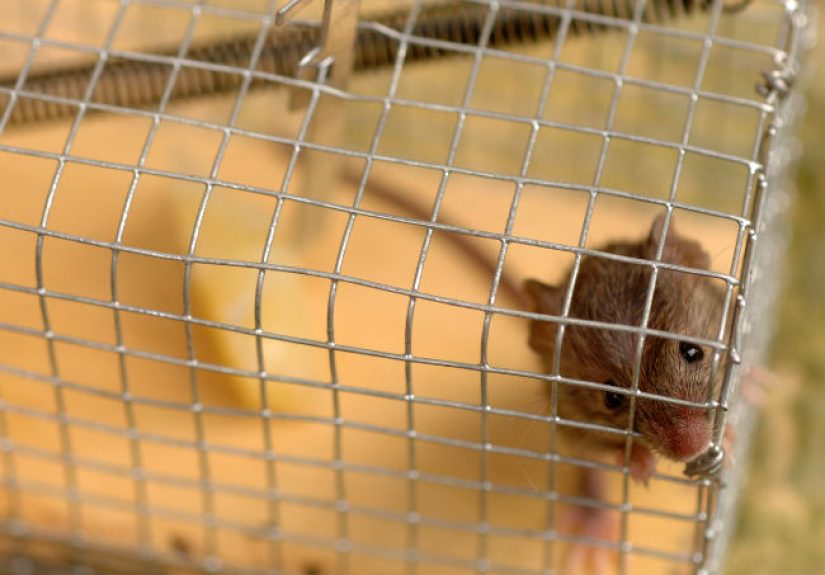
Multi-catch live traps can hold multiple mice, which is handy when your “single mouse” situation is actually a tiny family reunion.
Many designs are slim enough to slide along walls and behind appliances.
Pro tip: If you live-catch, you must check frequently. A “set it and forget it” approach is unfair to animals and can become a sanitation issue.
8) Kness Ketch-All Multiple-Catch Mousetrap (pro-style multi-catch)
Best for: People who want a professional-style, mechanical multi-catch trap designed for repeated service.
The Ketch-All style leverages a mouse’s curiosity and movement patterns, allowing multiple captures without resetting each time.
It’s often used in commercial settings but can be useful in homes with persistent activity in one area.
Pro tip: Place it parallel to the wall and follow the spacing guidance from the manufacturer for best results.
9) Humane catch-and-release box/cage trap (Iiwey-style live trap)
Best for: No-kill households that still want a practical solution indoors.
Box-style live traps are enclosed and can be easier for squeamish users. They’re also safer to place in areas where accidental contact is a concern.
The tradeoff is you must decide what “release” means in your area and handle it responsibly.
Pro tip: If you’re going humane, pair it with prevention. Otherwise you’ll be running a free shuttle service for mice all winter.
10) Glue boards (monitoring tool, not a first-choice “solution”)
Best for: Identifying where mice are traveling when used carefully and checked often.
Some pest management guidance discusses glue boards as a tool in specific settings, but many animal welfare organizations strongly oppose them
because they can cause prolonged suffering and may catch non-target animals.
If you choose to use them, treat them as short-term monitoring (frequent checks, protected placement, and strict safety).
Pro tip: If you have pets, curious kids, or wildlife exposure, skip glue boards and use safer alternatives.
How to choose the right trap for your home
Snap vs. electric vs. live-catch: which is “best”?
- Snap traps: Often the top recommendation for fast, effective results when placed correctly.
- Electric traps: A cleaner, contained optiongreat for people who want minimal mess and easier disposal.
- Live-catch traps: Good for no-kill preferences, but they require frequent checks and a prevention-first mindset.
Think about safety (and your future self)
If you have children or pets, look for covered/tunnel designs or electric traps with enclosed chambers.
If you’re squeamish, prioritize “no-touch” disposal features. The best trap is the one you’ll actually use correctlyand check consistently.
How to place mouse traps like a pro
Mice don’t usually sprint across the middle of your kitchen like they’re making a dramatic entrance. They prefer edges, shadows, and cover.
That’s why pros typically place traps along walls, behind appliances, and near suspected entry points.
Placement rules that actually matter
- Go where the mouse goes: Along walls, behind the fridge, under sinks, near pantry corners.
- Use pairs: Two traps side-by-side can increase odds if a mouse approaches from either direction.
- Use enough traps: A heavy “more traps, better” approach is common in professional guidance.
- Reposition if needed: If nothing happens after a few days, change locations and reassess signs.
Bait that works (and bait that backfires)
The goal isn’t to feed the mouse; it’s to make it commit to the trigger. Pros often use sticky, aromatic baits that are hard to steal.
Nut butters are common, but you can also try chocolate, caramel-like sweets, or even nesting materials (like cotton) in certain situations.
Best bait ideas
- Nut butter (tiny smear; avoid if allergy concerns apply)
- Chocolate (a small shaving or dab)
- Soft candy (small piece that sticks)
- Nesting material (cotton/dental floss bitsuseful when food bait isn’t winning)
What not to do
- Don’t use a huge glob of bait (it encourages careful nibbling).
- Don’t rely on “repellent myths” as your main plan (more on that below).
- Don’t place traps in open, high-traffic areas where people/pets will mess with them.
Stop the problem at the door: prevention beats endless trapping
Traps remove mice you have. Prevention stops the mice you haven’t met yet. Even small gaps mattermice can squeeze through surprisingly tiny openings.
Your most powerful “trap” might be a tube of caulk, steel wool, and the motivation to crawl around with a flashlight like a home-inspection detective.
Quick prevention checklist
- Seal gaps and holes around pipes, vents, doors, and foundations.
- Store food airtight (including pet food and bird seed).
- Reduce clutter (cardboard and paper become deluxe mouse nesting condos).
- Trim vegetation and remove debris near the foundation to reduce hiding spots.
Myths that waste your time (and sometimes your lungs)
If mothballs, ultrasonic devices, or a mystical peppermint aura solved mice, pest control would be a candle aisle.
Many experts warn that common DIY “repellents” aren’t reliable. Focus on trapping + exclusion + sanitation instead.
Clean-up and safety: don’t turn a mouse problem into a health problem
Whether you catch a mouse or discover droppings, handle cleanup carefully. Wear gloves, use a disinfectant method,
and avoid stirring up dust (no dry sweeping or vacuuming droppings).
Basic safe cleanup approach
- Put on gloves.
- Spray droppings/urine with disinfectant (or a bleach solution) until very wet, let it soak, then wipe up.
- Dispose of waste in a covered trash container and wash hands after removing gloves.
When to call a professional
If you’re seeing daytime mouse activity, catching multiple mice repeatedly, hearing frequent wall activity,
or finding heavy droppings, it may be time for a pest pro. Professionals can identify entry points you’d never notice,
confirm whether you’re dealing with mice vs. rats, and build an integrated plan that doesn’t rely on “just keep buying traps.”
Bottom line
Pest experts typically favor a simple strategy: use effective traps (often snap traps),
place them correctly (along walls, in pairs, in sufficient numbers),
and seal entry points so you’re not stuck in an endless cycle.
Choose the trap type that fits your household, then make it work with smart placement and prevention.
Real-world experiences: what people actually run into (and how pros think through it)
Here’s the part nobody puts on the trap packaging: mice problems are rarely “one and done.” In real homes, the story often goes like this:
someone sees a single mouse, sets one lonely trap in the middle of the room (where the mouse never travels), and declares defeat two days later.
Pest pros see the same pattern again and againso they build plans around behavior, not hope.
Experience #1: “I swear it disappeared… then it came back.”
Many households catch one mouse, feel victorious, and stop there. A week later: more droppings. Pros treat that first catch as evidence,
not closure. They’ll keep traps active a bit longer and focus hard on exclusionbecause if the entry point stays open, the “next shift” arrives.
The real win is sealing gaps and improving food storage so the home stops being an all-night buffet.
Experience #2: The kitchen is quiet, but the laundry room is popping off.
People naturally put traps where they feel creeped out (kitchen, pantry). Pros put traps where the mouse is traveling:
behind appliances, along the wall line, near utility penetrations, and around warm, hidden corners.
It’s common to find activity clustered near a single access routelike where plumbing enters, a dryer vent line runs, or a door sweep doesn’t seal.
When traps are moved from “center stage” to the wall edges, results usually improve fast.
Experience #3: Snap traps keep getting “licked clean” without a catch.
This is usually a bait problem, a placement problem, or a “too much bait” problem. Pros often use a tiny smear of sticky bait and
make sure the trigger side is positioned correctly to force contact. They may also switch tactics: try a different bait (chocolate works surprisingly well),
reduce competing food sources (pet food bowls left out overnight are basically a mouse restaurant),
and add more traps so the mouse can’t simply route around the danger zone.
Experience #4: Households with pets and kids need a different setup.
In the real world, safety changes everything. A trap that’s “best” on paper isn’t best if a curious toddler can reach it.
Pros often steer these households toward covered tunnel snap traps or enclosed electric traps, then place them in protected spots:
behind the refrigerator, under the sink in a secured cabinet, or in areas blocked by appliances.
The strategy becomes: protect humans and pets first, then build a trap layout that still matches mouse travel patterns.
Experience #5: The emotional factor is real.
Some people want the fastest kill; some want humane capture; some just want the mouse to teleport into a different universe.
Pros adjust: live-catch traps can work when checked frequently, but they also emphasize that humane outcomes require follow-through
(regular checks, responsible handling, and sealing up so you’re not repeatedly trapping). The most “human” approach in many cases is preventing entry,
minimizing suffering, and ending the problem quickly and cleanly.
When you zoom out, the most consistent “experience” is this: traps solve today’s mouse, and exclusion solves next month’s mouse.
The best households don’t just trapthey change the conditions that made mice think your home was a good idea in the first place.