Table of Contents >> Show >> Hide
- First, a Quick Reality Check (In a Helpful Way)
- Liposuction Recovery Timeline (Week-by-Week)
- What’s Normal After Liposuction (And What Might Surprise You)
- The Compression Garment: Your Temporary Sidekick
- Pain Control, Nausea, and “Why Am I So Constipated?”
- Incision Care, Showers, and “Can I Actually Get This Wet?”
- Returning to Work, Exercise, and “Real Life”
- What About Final Results and Long-Term Changes?
- FAQ: Quick Answers to Common Recovery Questions
- How to Prepare for a Smoother Recovery (Before You Even Have Surgery)
- Real-World Recovery Experiences (What People Often Say Out Loud)
- Conclusion
Liposuction recovery is a little like moving into a new apartment: you’re excited about the “after,” but the “right now” involves boxes, weird noises,
and at least one moment where you wonder, “Is this supposed to look like this?” The good news: most of what feels strange early onswelling,
bruising, drainage, tightness, numb patchescan be part of normal healing. The not-so-fun news: recovery is not instant, and your final results can take
weeks to months to fully show.
This guide breaks down a realistic liposuction recovery timeline, what’s normal, what’s not, and how to set yourself up for a smoother ride. (Spoiler:
the compression garment becomes your temporary personality.)
First, a Quick Reality Check (In a Helpful Way)
Liposuction isn’t a weight-loss procedure; it’s a body contouring surgery that removes fat cells from targeted areas. Your body still has to heal from
tissue trauma, fluid shifts, and tiny incisions. That healing happens in phasesand the mirror can be a terrible narrator during phase one.
What affects how your recovery feels?
- How many areas were treated (one zone is usually easier than a full “greatest hits” tour).
- How much fat/fluid was removed and whether drains were placed.
- The technique used (traditional, power-assisted, ultrasound-assisted, etc.).
- Your baseline health (smoking, anemia, diabetes, clot risk, sleep, nutrition).
- How closely you follow aftercare (yes, it matters more than your “high pain tolerance”).
Liposuction Recovery Timeline (Week-by-Week)
Your surgeon’s instructions always win, but most people experience a broadly similar pattern. Think of this as the mapnot the exact GPS route.
Day 0–2: “I’m Home. Now What?”
Right after surgery, you may feel groggy (especially if you had general anesthesia or deeper sedation). It’s common to have nausea, chills, a sore
throat, or fatigue as anesthesia wears off. Plan for someone to drive you home and stay with youat least for the first 24 hoursbecause your reaction
time and judgment may be off, even if you feel “fine.” If you’re taking opioid pain medication, driving is also a no-go.
- Expect: swelling, bruising, soreness, and a tight “worked-out” feeling.
- Also common: fluid leakage from small incision sites (your body’s version of “draining the plumbing”).
- Do: short, gentle walks as instructedmovement helps circulation and can reduce clot risk.
- Don’t: do laundry. It’s a trap. Lifting, bending, and twisting can make swelling worse.
Week 1: Swelling, Bruising, and the Compression Garment Era
Week one is usually the “puffy, tender, why is everything so tight?” phase. You may have prescribed pain medication and sometimes antibiotics,
depending on your surgeon’s plan. Your biggest jobs this week are protecting incisions, wearing your compression garment as directed, and keeping
activity light.
- Swelling & bruising: often peak early and then slowly start to improve.
- Discomfort: typically manageable, but expect soreness when changing positions.
- Energy: lower than expected. Healing is not lazy; it’s metabolically expensive.
- Walking: small, frequent walks beat one heroic “I’m back!” lap around the neighborhood.
Weeks 2–3: “I Feel Better… Can I Do Everything Now?”
Many people start to feel more human during weeks two and three. Some return to desk work, especially after outpatient procedures, but heavy lifting,
intense workouts, and high-impact activities are usually still limited.
- Better mobility: you’ll likely move more comfortably, though you may still feel stiff.
- Swelling: still present and can fluctuate (hello, evening puffiness).
- Texture changes: firmness, lumps, or uneven “ropey” spots can happen as swelling shifts and tissues heal.
- Clothes fit: may change before your “final shape” arrives. The mirror is early; your body is on a delay.
Weeks 4–6: Bruising Fades, Swelling Starts to Back Off
Around this window, bruising is often mostly gone and swelling begins to noticeably settle. Many surgeons gradually clear patients for gentle exercise
and then more activity, depending on healing and the areas treated.
- Compression: some people continue garments for several weeks (sometimes longer).
- Exercise: re-introduction is usually gradualwalking to light training before anything intense.
- Confidence: often improves as swelling declines and contours look more predictable.
Months 2–6: The “Results Reveal” Phase
The most dramatic swelling improvements happen early, but the last bit can take months. Many people see clearer results somewhere in the three-to-six
month range, when residual swelling and fluid retention settle down.
You may still notice subtle day-to-day changesespecially with heat, salt intake, long workdays, or travel. That’s normal. Healing is not a straight
line; it’s a slow spiral toward “oh, there it is.”
What’s Normal After Liposuction (And What Might Surprise You)
Normal or Common Experiences
- Swelling and fluid retention that improves gradually (and sometimes unevenly).
- Bruising and soreness that fade over weeks.
- Temporary numbness or tingling as nerves recover.
- Firmness, lumpiness, or tight bands as tissues remodel.
- Small scars at incision sites (usually tiny but still real).
- Emotional ups and downsthe “swollen stage” can mess with your head.
Call Your Surgeon Promptly If You Notice
- Fever or chills.
- Cloudy, foul-smelling, or pus-like drainage from an incision.
- Worsening redness, heat, or increasing pain around the surgical site.
- Severe, persistent pain that doesn’t improve with the plan you were given.
- Shortness of breath or chest pain (urgentseek emergency care).
- One-sided leg swelling, redness, warmth, or calf pain (possible cloturgent evaluation).
Important: only your surgical team can tell you what’s expected for your procedure. If something feels “off,” trust that instinct and call.
The Compression Garment: Your Temporary Sidekick
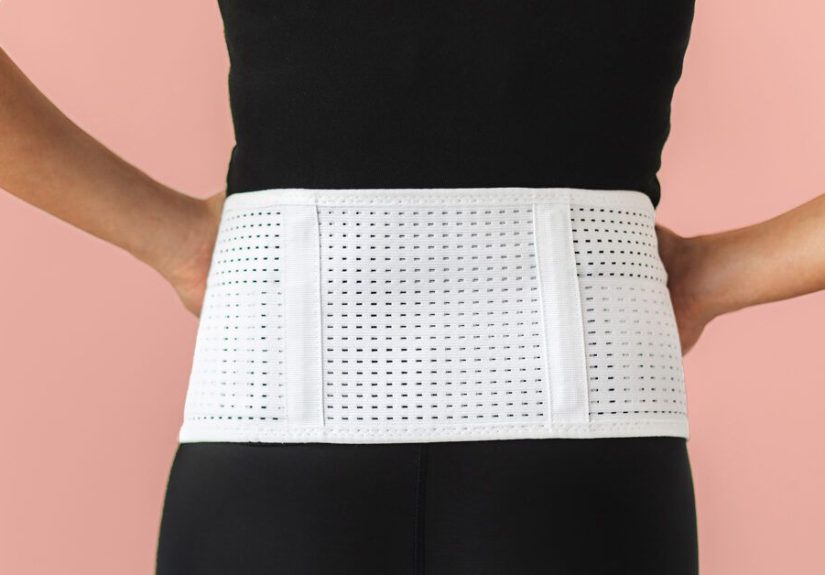
Compression garments help manage swelling, support healing tissues, and encourage smoother contours. They can also be… how do we say this delicately…
emotionally challenging. It’s normal to love the support and hate the logistics at the same time.
Practical garment tips
- Fit matters: too loose won’t support; too tight can cause discomfort or skin issues.
- Have a backup: so you can wash one while wearing the other.
- Protect your skin: soft liners or surgeon-approved pads can reduce rubbing.
- Don’t improvise: random shapewear isn’t automatically a medical-grade substitute.
Pain Control, Nausea, and “Why Am I So Constipated?”
Pain varies widely, but soreness and pressure are common early on. Some people need prescription pain medication briefly; others do well with a mix of
non-opioid options and restbased on their surgeon’s instructions and health history.
Common recovery annoyances (and what helps)
- Nausea: can be anesthesia-related; small meals, hydration, and prescribed anti-nausea meds help.
- Constipation: opioids and reduced movement can cause itask about stool softeners, hydration, fiber, and gentle walking.
- Sleep discomfort: pillows for support can be a game-changer, especially for abdomen/flanks.
Medication safety (not glamorous, but important)
If you’re prescribed opioids, store them securely and dispose of leftovers properly (ideally through a drug take-back program). If take-back isn’t
available, follow FDA guidance for home disposal. This protects kids, pets, andfranklyyour future self from mystery pills in the cabinet.
Incision Care, Showers, and “Can I Actually Get This Wet?”
Your surgeon may leave incisions open or place temporary drains to help fluid escape. Either way, keeping incision sites clean and protected is key.
You’ll get procedure-specific bathing instructionsfollow those exactly.
- Showering: often allowed after a short waiting period, but timelines vary.
- Soaking: baths, pools, and hot tubs are usually restricted until incisions fully heal.
- Drain care: if you have drains, you’ll be taught how to measure and record output.
Returning to Work, Exercise, and “Real Life”
Many people return to work within days if their job is sedentary, but “back at work” isn’t the same as “fully recovered.” Expect reduced stamina,
swelling fluctuations, and a slower pace for a bit.
General guidance (your surgeon’s clearance comes first)
- Desk work: often within a few days to a week, depending on discomfort and extent of treatment.
- Normal feeling: many report feeling more like themselves around two weeks.
- Exercise: commonly restricted for several weeks; full return may take up to six weeks or more.
- Long travel: ask your surgeon; prolonged sitting can increase clot risk.
What About Final Results and Long-Term Changes?
Liposuction permanently removes fat cells in treated areas, but it doesn’t make you immune to weight gain. If you gain weight, fat can still accumulate
(sometimes in different proportions), and the overall contour can change. Maintaining a stable weight and healthy routines helps preserve results.
Skin and contour expectations
- Skin elasticity matters: if skin is looser, it may not “snap back” fully without additional procedures.
- Irregularities can happen: mild asymmetry or contour changes may improve as swelling resolves.
- Patience is a skill: judging your result too early is like rating a cake while it’s still batter.
FAQ: Quick Answers to Common Recovery Questions
Is it normal to leak fluid after liposuction?
Some leakage can be normal, especially early on, depending on technique and whether incisions are left partially open for drainage. Follow your
surgeon’s dressing instructions and call if drainage becomes cloudy, foul-smelling, or accompanied by fever or worsening redness.
When will swelling go away?
Many people see meaningful improvement in the first few weeks, but residual swelling can take months. A common range for fuller resolution and clearer
“final” results is around three to six months.
Will I have scars?
You’ll typically have small scars at incision points. They often fade with time. Ask your surgeon when (and if) scar care products are appropriate.
Do I need lymphatic drainage massage?
Some surgeons recommend massage or lymphatic techniques to help with swelling and comfort, while others prefer a more hands-off approach early on.
Don’t book anything until your surgeon clears ittiming and technique matter.
How to Prepare for a Smoother Recovery (Before You Even Have Surgery)
Recovery goes better when you plan like a slightly overprotective event coordinator. You want fewer surprises and more snacks.
A simple pre-op recovery checklist
- Arrange help for the first 24–72 hours (rides, meals, kids, pets, basic chores).
- Prep your “recovery nest” with pillows, loose clothing, and easy-to-reach essentials.
- Stock hydration and simple meals (protein + fiber helps healing and constipation prevention).
- Set expectations at work (reduced energy is normal even if you’re “back”).
- Clarify your instructions on garments, showers, activity, and medswrite them down.
Real-World Recovery Experiences (What People Often Say Out Loud)
The clinical timeline is helpful, but lived experience is where recovery feels real. Here are common, composite-style experiences many patients report
during liposuction recoveryshared here so you feel less like you’re starring in a medical mystery.
Experience #1: “The swelling has moods.”
A lot of people expect swelling to drop steadily day by day. Instead, it behaves like a cat: it shows affection on its own schedule. Patients often
notice they look flatter in the morning and puffier by evening, especially after sitting for long stretches, eating salty foods, or being in warm
weather. This can be frustrating because it makes progress feel inconsistent. The helpful mindset shift is to track your recovery in weeks, not hours.
If you’re comparing “Tuesday at 8 a.m.” to “Tuesday at 8 p.m.,” you’re basically speedrunning anxiety.
Experience #2: “The garment is both comforting and wildly annoying.”
Many people love how supported they feel in compressionlike their tissues are being gently held in place. But they also describe the garment as a
logistical puzzle: bathroom breaks take longer, sleeping can feel restrictive, and summer heat becomes the villain of the story. A common tip is having
a second garment or surgeon-approved backup plan so you’re not stuck doing laundry math at midnight. Patients also mention that the garment can make
them feel “bigger” at first because it compresses and redistributes swellingso if your brain says “I look worse,” remind it: you’re looking at
swelling plus medical shapewear, not your final contour.
Experience #3: “The weird sensations are… weird.”
Numbness, tingling, zaps, itchiness, and “pins and needles” feelings are frequently reported as nerves recover. People often say it’s not painful so
much as bizarrelike your skin is sending slightly garbled text messages to your brain. Some describe areas that feel numb on the surface but tender
underneath, or patches that itch while you can’t fully feel them (a truly unfair combo). Most patients find this improves gradually, but it can take
time. If you notice worsening symptoms or anything that concerns you, that’s a good moment to call your surgeon for reassurance or evaluation.
Experience #4: “I had a mini emotional roller coaster.”
Even people who are thrilled they had the procedure often report an emotional dip during early recovery. Swelling can obscure results, sleep can be
disrupted, and the body can feel unfamiliar. It’s also common to have a “what did I do?” moment when bruising peaks or when you realize recovery
requires actual resting (rude). Many patients say mood improves as they return to normal routines and see steady contour changesoften somewhere around
weeks two to six. Planning small comforts (easy entertainment, supportive friends, gentle walks, realistic expectations) can help you ride out that
early phase without catastrophizing.
Experience #5: “The best recovery tool was… patience.”
A common theme is that people who did best weren’t the ones who pushed fastest; they were the ones who followed instructions consistently and gave
their bodies time. Many patients say their biggest “aha” moment was realizing that early swelling and firmness aren’t failuresthey’re part of the
normal healing process. Taking progress photos every couple of weeks (not every morning) helped them see changes they’d otherwise miss. The long view
tends to win: by months three to six, many people feel the results are far more obvious, and the early weirdness becomes a distant memorylike a bad
haircut phase, but with compression garments.
Conclusion
Liposuction recovery is a process of healing, reshaping, and waiting for swelling to stop telling lies. Most people deal with bruising, soreness, and
swelling early on, then gradually regain energy, mobility, and confidence over weeks. Clearer results often emerge over monthsnot daysso give
yourself the gift of patience and a solid aftercare plan. Wear compression as directed, move gently, protect your incisions, and call your surgical
team if you notice warning signs like fever, worsening redness, pus-like drainage, shortness of breath, chest pain, or one-sided leg swelling.