Table of Contents >> Show >> Hide
- How a Tankless Water Heater Works (Without the Jargon)
- Main Advantages of Tankless Water Heaters
- Key Disadvantages of Tankless Water Heaters
- Who Benefits Most from a Tankless Water Heater?
- Key Questions to Ask Before You Go Tankless
- Real-Life Experiences: What Homeowners Wish They’d Known First
- Bottom Line: Is a Tankless Water Heater Right for You?
Picture this: It’s a cold morning, you’re half awake, and you jump in the shower… only to discover someone used up all the hot water.
Classic tank-style water heater move. That’s exactly the kind of frustration tankless water heaters promise to fix but are they really worth the hype?
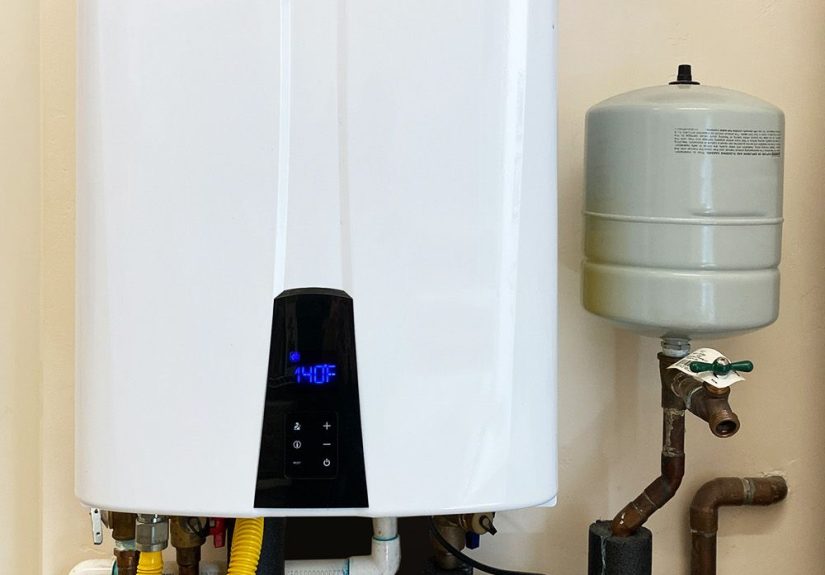
Tankless water heaters (also called on-demand or demand-type water heaters) heat water only when you turn on a tap, instead of storing a big tank of hot water 24/7.
According to the U.S. Department of Energy, this design can make them roughly 8% to 34% more efficient than traditional storage tank models, depending on how much hot water your household uses each day.
That’s great but they also cost more upfront and can be picky about how much hot water you want at once.
In this guide, we’ll break down the real-world pros and cons of tankless water heaters, using data and advice from sources like the U.S. Department of Energy, Consumer Reports, Better Homes & Gardens, Bob Vila, and major plumbing and energy companies.
By the end, you’ll know whether a tankless system actually fits your home, your budget, and your patience level.
How a Tankless Water Heater Works (Without the Jargon)
A traditional water heater keeps 40–50 gallons (or more) of water hot in a big insulated tank. It constantly heats and reheats that water to maintain the set temperature even when no one’s using it. That “standby heat loss” is basically energy slipping away for no reason.
A tankless water heater works differently:
- When you turn on a hot water tap, water flows through the unit.
- A powerful gas burner or electric heating element kicks on and rapidly heats the water as it passes through.
- Once you turn the tap off, the heater shuts down no more energy use until the next time you need hot water.
The catch? There’s no stored reserve of hot water. The unit has a maximum flow rate (measured in gallons per minute, or GPM). If your family is showering, running the dishwasher, and doing laundry at the same time, a single tankless unit might struggle to keep up.
Main Advantages of Tankless Water Heaters
1. Better Energy Efficiency and Lower Utility Bills
Because tankless systems only heat water when you need it, they can dramatically reduce wasted energy. The Department of Energy estimates that in homes that use up to about 41 gallons of hot water per day, a tankless heater can be 24%–34% more efficient than a comparable storage tank model.
For homes with higher daily usage, the efficiency gains are still there, just a bit smaller.
This efficiency translates into money. Various studies and energy guides suggest that gas tankless units can save many households around $100 or more per year on energy bills, and sometimes even more in areas with high utility rates.
Electric tankless units generally save less but can still cut costs compared to constantly heating a tank of water.
2. “Endless” Hot Water (Within Reason)
One of the biggest selling points: a properly sized tankless water heater doesn’t run out of hot water the way a tank does. As long as the unit’s flow capacity isn’t exceeded, you can shower for as long as you want without getting that icy surprise at the end.
That said, “endless” doesn’t mean “infinite for everything at once.” If three people try to shower and someone starts the washing machine, the system may struggle unless you’ve chosen a unit (or multiple units) with enough GPM to cover peak demand.
3. Longer Lifespan and Replaceable Parts
Traditional tank water heaters usually last around 10–15 years before they need to be replaced. Tankless models, according to the Department of Energy and home improvement experts, can often last more than 20 years.
Many parts can be replaced individually, which may extend the system’s working life even further.
That longer lifespan helps offset the higher upfront cost, especially if you plan to stay in your home for a while.
4. Space-Saving Design
If you’ve ever tried to wedge a massive 50-gallon tank into a tight utility closet, you’ll appreciate the compact design of a tankless heater. These units are often wall-mounted and roughly the size of a suitcase, freeing up floor space for storage or other equipment.
This can be especially valuable in condos, small homes, and older houses where every square foot counts.
5. Lower Risk of Tank Leaks and Flooding
A traditional tank full of hot water can eventually corrode or fail, sometimes dramatically hello, surprise indoor swimming pool. Because tankless units don’t store large volumes of water, the risk of catastrophic flooding from a tank failure is significantly reduced.
6. Potential Environmental and Tax Benefits
Higher efficiency means less fuel or electricity used overall, which can lower your home’s carbon footprint. Some high-efficiency tankless water heaters qualify for ENERGY STAR® and may be eligible for local rebates or federal tax credits when installed during certain years under existing incentive programs.
If you’re planning energy-efficient upgrades anyway, a tankless unit can play nicely with that bigger strategy.
Key Disadvantages of Tankless Water Heaters
1. Higher Upfront and Installation Costs
Here’s the tough part: tankless water heaters aren’t cheap. Many sources note that a tankless unit plus installation can run from about $1,400 to $5,600 or more, depending on the brand, size, fuel type, and complexity of the installation.
That’s often two to three times the cost of a standard tank model. If your existing gas line or electrical service isn’t adequate, you may also need upgrades another expense that can push the project cost higher.
The energy savings may pay back that investment over time, but the payback period can stretch over several years. If you’re planning to move soon, you might not see the full benefit.
2. Limited Flow Rate and “Too Many Taps” Problem
Tankless heaters are sized by how many gallons of hot water per minute they can deliver at a given temperature rise. If your family uses several fixtures at once say, two showers plus a dishwasher the unit might not keep up.
Possible solutions:
- Install a larger whole-house unit with higher GPM capacity.
- Use two smaller units (for example, one just for bathrooms, one for the kitchen).
- Stagger high-demand tasks, like running laundry after showers instead of during.
If you’re used to simply turning everything on at once and not thinking about it, this adjustment can feel like a minor lifestyle change.
3. Maintenance and Hard Water Issues
Tankless systems are a bit more delicate when it comes to mineral buildup. Hard water can create scale inside the unit, reducing efficiency and potentially shortening its lifespan. Many plumbers and manufacturers recommend flushing or descaling a tankless water heater once a year or every 6 months if you have very hard water.
Regular maintenance often involves:
- Shutting off the unit and isolating it with service valves.
- Running white vinegar or a descaling solution through the system.
- Cleaning filters and checking venting or intake screens.
If you’re handy, you can learn to do this yourself. If not, you’ll need to budget for yearly professional service.
4. Slight Delay and “Cold-Water Sandwich” Effect
Because tankless units start from cold and heat water as it flows, it often takes a few seconds longer for hot water to reach your tap compared to a tank that already has hot water ready.
Some homeowners also notice a “cold-water sandwich” a brief burst of cool water between hot bursts especially if hot water is turned on and off repeatedly in short intervals (like quick rinses in the kitchen sink).
5. Not Ideal for Every Home or Fuel Setup
In some situations, a tankless water heater just doesn’t pencil out:
- Homes with very high simultaneous hot water demand may require multiple units or very large systems.
- Older homes may need expensive electrical or gas line upgrades to support a tankless unit’s power requirements.
- Areas with cheap natural gas and low hot water usage might not see huge cost savings compared to a high-efficiency tank model.
For some households, a high-efficiency storage tank or hybrid system can be a better fit.
Who Benefits Most from a Tankless Water Heater?
A tankless system tends to work best when:
- You plan to stay in your home long enough to benefit from long-term energy savings and the longer lifespan.
- Your household’s hot water demand is moderate and reasonably predictable.
- You want to save space in a small utility closet, basement, or condo.
- You’re comfortable scheduling regular maintenance or have a good plumber you trust.
- You value energy efficiency, lower utility bills over time, and possibly tax incentives or rebates.
On the other hand, if your main priority is the lowest upfront cost and “set it and forget it” operation with minimal maintenance, a traditional tank might still be the right call.
Key Questions to Ask Before You Go Tankless
- How much hot water do we use at the same time?
Make a quick list: how many showers, faucets, appliances, and fixtures might run together during your busiest hour? - What fuel types are available?
Natural gas, propane, or electric? Gas units generally deliver higher flow rates and better efficiency, but may require venting and gas line upgrades. - Is our electrical or gas system up to the job?
Large electric units can require significant amperage; gas units may need larger gas lines or updated venting. - How hard is our water?
Hard water means more frequent descaling, or possibly adding a water softener to protect your new heater. - What’s our long-term timeline?
If you plan to stay in your home 10–20 years, the higher upfront cost may be easier to justify. - What does a reputable local plumber recommend?
Local pros know the typical water quality, climate, and building codes in your area and can suggest a realistic system size and brand.
Real-Life Experiences: What Homeowners Wish They’d Known First
Beyond the numbers, real-world experience with a tankless water heater can feel different from what the glossy brochure suggests. Here are some common themes homeowners talk about after living with one for a while:
First, the “We can all shower now” moment. Families often rave about finally being able to stagger showers less carefully. With a properly sized unit, three or four people can shower in the morning without anyone screaming when the water suddenly turns cold. As long as the total flow rate stays within the heater’s capacity, that “endless hot water” promise feels very real.
Then comes the adjustment period. People used to instant hot water from a nearby tank sometimes notice it takes a few extra seconds for the tankless system to fire up and deliver hot water. In a big house with long pipe runs, that delay can feel noticeable. Some homeowners add a recirculation loop or use point-of-use units in bathrooms far from the main heater to cut that wait time.
Many tankless owners also talk about becoming more aware of their peak demand habits. For example, they learn not to run the dishwasher right when everyone’s jumping in the shower, or they schedule laundry for later in the day. It’s not a huge lifestyle overhaul, but there’s a bit more planning involved if you want to avoid overloading the system.
On the maintenance side, a lot of people admit they initially assumed a tankless heater was “install and forget.” In reality, especially in areas with hard water, plumbers and manufacturers recommend flushing the unit regularly to prevent scale buildup. Some homeowners set a calendar reminder to descale every 6–12 months or have it done during annual HVAC visits, treating it like a routine part of home care.
Cost-wise, many people report a real but gradual improvement in their utility bills. You don’t wake up one day with a bill cut in half, but over a year or two, the numbers start to show a consistent reduction compared with their old tank. Households that used a lot of hot water large families, frequent laundry, long showers tend to notice the biggest benefit.
Finally, there’s the “peace of mind factor”. Homeowners who replaced an aging tank often mention feeling relieved that they’re much less likely to wake up to 50 gallons of water on the basement floor. They like the extra space in the utility area and the cleaner, more modern look of a wall-mounted unit. In other words, the perks aren’t just about efficiency; they also include convenience and confidence in the system.
When you add up these experiences, a clear pattern emerges: people who do their homework, size the system correctly, and stay on top of maintenance tend to be the most satisfied with their tankless water heater. Those who rush into the purchase, ignore water quality, or underestimate how much hot water they use at once are more likely to walk away frustrated. The more realistic you are going in, the happier you’ll be living with the system day to day.
Bottom Line: Is a Tankless Water Heater Right for You?
Tankless water heaters offer real advantages: higher energy efficiency, a longer lifespan, continuous hot water within their flow capacity, and a much smaller footprint. They’re an especially smart choice for households that use a moderate amount of hot water, care about long-term energy savings, and don’t mind a little routine maintenance.
But they’re not a one-size-fits-all solution. The higher upfront cost, flow rate limits, and maintenance needs mean you should take a careful look at your home’s layout, water quality, fuel options, and hot water habits before you commit.
If you’re willing to invest a bit more now for smoother showers, a more efficient home, and fewer worries about tank failures later, a tankless water heater can be a solid upgrade. If you just want the cheapest, simplest option today, a high-efficiency storage tank may still be the better match.
SEO JSON