Table of Contents >> Show >> Hide
- Why Sweet Beet Soup Works So Well
- What Sweet Beet Soup Tastes Like
- How to Make Sweet Beet Soup
- Best Ingredients for a Better Bowl
- Tips for the Sweetest, Smoothest Beet Soup
- Easy Variations
- Nutrition and Practical Benefits
- How to Serve Sweet Beet Soup
- Common Mistakes to Avoid
- Storage and Make-Ahead Advice
- Experiences with Sweet Beet Soup
- Conclusion
There are soups that warm you up, and then there are soups that make you feel like you accidentally turned dinner into a small act of elegance. Sweet beet soup belongs in the second category. It is vivid, silky, earthy, sweet in a natural way, and dramatic enough to make plain old tomato soup look like it forgot its lines. If you have ever stared at a bunch of beets and thought, “You seem wholesome, but what exactly am I supposed to do with you?” this is your moment.
At its best, sweet beet soup is a balance game. Beets bring natural sugars, an earthy depth, and that impossible ruby color. Onion and garlic add savory backbone. Broth gives the soup body. A splash of vinegar or lemon keeps the sweetness from becoming clingy. A spoonful of yogurt, sour cream, or crème fraîche adds tang and richness. The result is a soup that tastes cozy and bright at the same time, like a sweater with good lighting.
This version leans into the sweeter side of beet soup without turning it into dessert in a bowl. It is savory first, gently sweet second, and built for real-life cooks who want a recipe that feels polished without demanding a culinary degree or a soundtrack of European folk music.
Why Sweet Beet Soup Works So Well
Beets are naturally sweet, but that sweetness becomes more interesting when it is paired with contrast. Roasting intensifies their flavor and concentrates their sugars, while simmering keeps the soup tender and mellow. Add aromatics like onion and garlic, a little acidity from red wine vinegar or lemon juice, and fresh herbs such as dill or thyme, and the soup stops tasting one-note. It becomes layered, balanced, and honestly a little addictive.
That balance is why beet soup appears in so many forms. Some versions are hearty and rustic, like borscht with cabbage and potatoes. Some are smooth and creamy. Some are served hot in winter, while chilled versions show up in warmer months with yogurt, cucumbers, or fresh herbs. Sweet beet soup fits beautifully into that family, but it keeps the spotlight on the beet itself rather than asking ten other vegetables to do improv around it.
What Sweet Beet Soup Tastes Like
If you have never had beet soup before, here is the honest description: it tastes earthy, mellow, slightly sweet, and deeply vegetal, but in a polished way. Good beet soup does not taste like dirt. Bad beet soup tastes like somebody pureed a garden path and hoped for the best. The difference is seasoning, texture, and acidity.
A well-made sweet beet soup has a soft sweetness similar to roasted carrots, but darker and more complex. It often carries hints of onion, garlic, black pepper, and herbs. A creamy topping adds a cool tang that brightens the whole bowl. Crusty bread on the side is not mandatory, but it does make the meal feel like you have your life together.
How to Make Sweet Beet Soup
Ingredients
- 2 pounds red beets, trimmed and scrubbed
- 1 tablespoon olive oil
- 1 medium yellow onion, chopped
- 2 cloves garlic, minced
- 1 small carrot, chopped
- 4 cups vegetable broth or chicken broth
- 1 medium potato, peeled and diced
- 1 teaspoon fresh thyme leaves or 1/2 teaspoon dried thyme
- 1 tablespoon red wine vinegar or fresh lemon juice
- 1 teaspoon honey or maple syrup, optional
- Salt and black pepper to taste
- 1/4 to 1/2 cup plain Greek yogurt, sour cream, or crème fraîche for serving
- Fresh dill or chives for garnish
Directions
- Preheat the oven to 400°F. Wrap the beets loosely in foil or place them in a covered baking dish. Roast for 45 to 60 minutes, or until fork-tender. Let them cool just enough to handle, then peel and chop.
- In a large soup pot, heat the olive oil over medium heat. Add the onion and carrot and cook until softened, about 6 to 8 minutes. Stir in the garlic and thyme and cook for 1 more minute.
- Add the chopped roasted beets, diced potato, and broth. Bring the mixture to a gentle boil, then reduce the heat and simmer for 15 to 20 minutes, until the potato is very tender.
- Blend the soup until smooth using an immersion blender, or carefully transfer it in batches to a countertop blender.
- Stir in the red wine vinegar or lemon juice. Taste and season with salt and black pepper. Add a small drizzle of honey or maple syrup only if you want a rounder, sweeter finish.
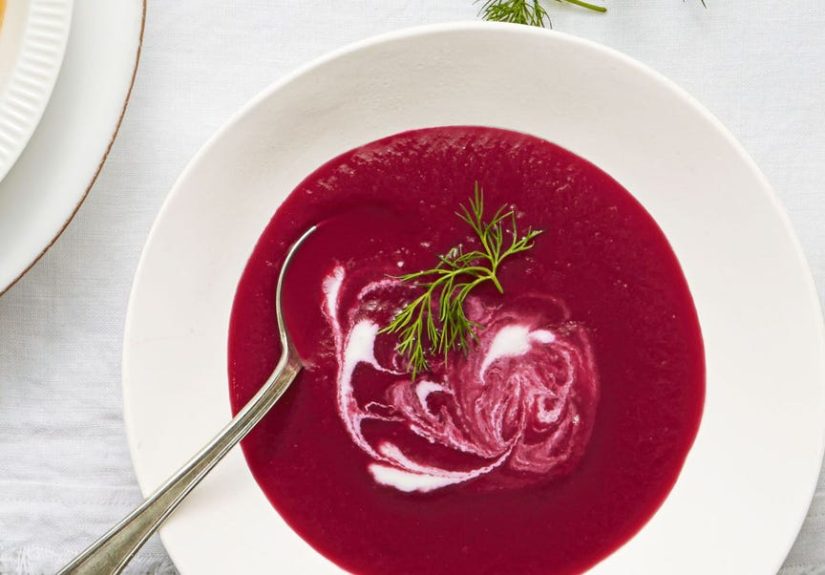
- Serve hot with a swirl of yogurt or sour cream and a shower of dill or chives.
Best Ingredients for a Better Bowl
Beets
Fresh red beets are the obvious choice for that jewel-toned color and sweet, earthy flavor. Golden beets work too, but they create a milder, less dramatic soup. And let us be honest: half the fun of beet soup is serving something so brightly colored that guests assume you suddenly got very sophisticated.
Onion and Garlic
These bring the savory notes that keep the soup grounded. Without them, sweet beet soup can taste flat. With them, it tastes intentional.
Potato or Carrot
A small potato helps create a creamy texture without a ton of dairy. A carrot adds extra sweetness and depth. Some cooks use both, which is never a bad idea unless you are emotionally opposed to vegetables helping each other.
Acid
This is the make-or-break detail. Vinegar or lemon juice brightens the soup and prevents it from feeling too sweet or muddy. Beet soup almost always tastes more alive after a splash of acid.
Creamy Finish
Greek yogurt, sour cream, crème fraîche, or even a little coconut milk can soften the edges and add body. The creamy topping is not just decorative. It changes the flavor of every spoonful.
Tips for the Sweetest, Smoothest Beet Soup
Roast instead of boil when possible. Roasting develops deeper flavor and reduces the watery edge that boiled beets can sometimes have. It also makes the soup taste more concentrated and luxurious.
Do not skip the acid. Even if you want a sweeter profile, a touch of vinegar or lemon makes the sweetness taste cleaner and more natural.
Blend thoroughly. Beet soup becomes especially elegant when it is silky smooth. If you want restaurant-style texture, blend it a little longer than you think you need to.
Season at the end. Broths vary in saltiness, and beets mellow as they cook. Final seasoning should happen after blending so the soup tastes balanced, not bland or overly salty.
Let it rest. Beet soup is often even better the next day. The flavors settle, the color deepens, and the soup somehow gets its act together overnight.
Easy Variations
Sweet Beet Soup with Apple
Add one peeled apple with the beets for gentle fruit sweetness and a subtle tart note. This version is especially good in fall and pairs beautifully with thyme.
Sweet Beet Ginger Soup
Add a tablespoon of fresh ginger with the garlic. Ginger gives the soup warmth and brightness, making it taste lively rather than heavy.
Creamy Sweet Beet Soup
Stir in a small splash of heavy cream or coconut milk after blending. The result is richer, softer, and ideal for anyone who wants their soup to feel slightly fancy.
Sweet Beet Soup with Dill and Yogurt
This version leans toward Eastern European flavors. The sweet earthiness of beets and the fresh coolness of dill are a famously good match.
Nutrition and Practical Benefits
One reason beet soup stays popular is that it is not just pretty. Beets bring fiber, folate, potassium, and naturally occurring nitrates to the table, and they can fit nicely into a vegetable-forward eating pattern. That does not mean beet soup is a magic potion in a bowl, because the internet has already given us enough “miracle foods” to last several lifetimes. But it does mean this is a meal you can feel good about serving on a regular basis.
Because the soup is blended, it is also a smart choice for people who want more vegetables in a comforting format. It can be made vegetarian, dressed up for dinner guests, or packed for weekday lunches. It freezes well, reheats beautifully, and is surprisingly satisfying with a slice of rye bread, sourdough toast, or a grilled cheese if you are feeling delightfully unbothered by culinary rules.
How to Serve Sweet Beet Soup
Serve it hot in cold weather with crusty bread, a dollop of sour cream, and a little dill. Or chill it and serve it in summer with yogurt and cucumbers for a refreshing variation. If you want to turn it into a dinner-party starter, pour small portions into shallow bowls and finish with cracked black pepper and a decorative swirl of crème fraîche. If you want it to be lunch, put it in a mug and call it rustic. Language is powerful.
For side dishes, go with foods that balance the soup’s sweetness and texture. Sharp cheeses, dark bread, roasted potatoes, grain salads, and lightly dressed greens all work well. Avoid overly sweet sides unless you are determined to make your meal feel like a confused holiday buffet.
Common Mistakes to Avoid
Using too much sugar: Beets are already sweet. Adding too much honey or sugar makes the soup taste artificial and heavy.
Under-seasoning: Beet soup needs enough salt, pepper, and acid to come alive. Otherwise, the flavor can seem flat.
Skipping a creamy contrast: Even a small spoonful of yogurt or sour cream adds balance. You do not need much, but it helps.
Serving it without texture: A garnish of herbs, toasted seeds, or crunchy bread gives the soup a better eating experience.
Storage and Make-Ahead Advice
Sweet beet soup keeps well in the refrigerator for about 4 days in a tightly sealed container. Reheat it gently on the stove or in the microwave, stirring occasionally. If the soup thickens too much, add a splash of broth or water. It can also be frozen for up to 3 months. For the best texture, freeze the soup without the yogurt or sour cream garnish and add that fresh when serving.
This is one of those rare recipes that feels equally appropriate for meal prep and for company. You can make it ahead, relax, and then serve it as though you casually produce jewel-toned soups every week. Nobody has to know you were wearing socks that did not match while blending it.
Experiences with Sweet Beet Soup
The first experience many people have with sweet beet soup is visual before it is culinary. You bring the bowl to the table, and there is always a small pause. People look at the color, that rich magenta-red that seems almost too vivid to be natural, and suddenly the soup has everyone’s attention. It does not matter whether they are seasoned beet lovers or lifelong skeptics. Sweet beet soup has excellent entrance energy.
Then comes the first spoonful, which is usually where expectations shift. People assume something that bright will either taste aggressively earthy or suspiciously sweet. Instead, the best versions taste rounded and calm. There is sweetness, yes, but it is softened by onion, broth, and tangy dairy. The texture is smooth and comforting, and the flavor unfolds slowly. You taste earthiness first, then sweetness, then whatever bright note you added, maybe lemon, vinegar, dill, or ginger. It feels more complex than the ingredient list suggests.
Home cooks often say sweet beet soup becomes a recipe they return to for different reasons in different seasons. In winter, it feels warming, substantial, and somehow more cheerful than beige soups. In summer, a chilled version tastes refreshing and polished, especially with yogurt and herbs. Around the holidays, it looks festive without trying too hard. On a random Tuesday, it makes leftovers feel far more glamorous than leftovers have any right to feel.
There is also something satisfying about the process. Roasting beets fills the kitchen with a mellow, earthy aroma that feels grounding. Peeling them after roasting is a little messy, but in a rewarding way, like gardening without the pollen. Blending the soup is the transformation moment. Chunky vegetables become this glossy, velvety bowl of color, and it feels almost theatrical. It is the sort of cooking experience that reminds people why homemade food can be fun, not just practical.
Sweet beet soup also tends to create memorable table conversations. Someone always asks what makes it sweet. Someone else wants to know whether there is cream in it. Someone inevitably says they “usually do not like beets” and then proceeds to finish the bowl anyway. It is a useful recipe for changing minds. Not with pressure, just with flavor. No speech required.
For many cooks, the biggest surprise is how adaptable the soup feels over time. One batch might get apple and thyme for a mellow fall version. Another might pick up ginger and coconut milk for warmth and spice. Another might stay classic with dill and sour cream. The core experience stays the same: beautiful color, comforting texture, balanced sweetness, and a flavor that feels both old-fashioned and fresh.
That may be the real charm of sweet beet soup. It feels special, but it is made from humble ingredients. It looks elegant, but it is forgiving. It belongs equally well at a quiet lunch, a dinner party starter, or a meal-prep session on a Sunday afternoon. It is not flashy in a trendy way. It is flashy in a “my soup is prettier than your centerpiece” way, which is arguably better.
Conclusion
Sweet beet soup proves that comfort food does not have to be brown, heavy, or predictable. With its natural sweetness, earthy depth, silky texture, and bright finish, it offers a bowl that feels nourishing and memorable at the same time. Roast the beets, balance them with acid, add a creamy garnish, and you have a soup that works for weeknights, guests, meal prep, and those moments when you simply want dinner to look a little more alive. In other words, sweet beet soup is practical, beautiful, and much tastier than its quiet little root-vegetable reputation suggests.