Table of Contents >> Show >> Hide
- What (Exactly) Is a Housecoat?
- A Brief History: From “Wrapper” to Wardrobe Power Move
- Why the Housecoat Is Back (and Why It’s Not a Phase)
- The Modern Housecoat Formula: Soft + Structured + Stylish
- How to Wear the Reimagined Housecoat (Without Feeling Costume-y)
- Shopping Counsel: What to Look For (So You Don’t Regret It)
- Care and Longevity: Keep It Looking Intentional
- The Housecoat’s New Identity: Not Just for Women, Not Just for Home
- Style Counsel Field Notes: Living in a Modern Housecoat (Experience-Based, About )
- Conclusion
The housecoat has spent decades in pop-culture witness protection. Say the word and people picture a
quilted, zip-front mystery garment paired with slippers and an expression that says, “I’m not answering
the door unless you’re holding pizza.”
But fashion loves a comeback storyespecially one with pockets. Today’s housecoat revival isn’t about
dressing like you time-traveled from a 1957 detergent commercial. It’s about reclaiming an old idea:
an at-home layer that looks intentional, feels comfortable, and doesn’t collapse into “I rolled out of
bed and the bed rolled out with me.”
Consider this your permission slip to wear something that’s practical and a little glamorous.
We’re reimagining the housecoat as the hero piece of modern life: part robe, part dress, part light coat,
all confidence.
What (Exactly) Is a Housecoat?
In plain English, a housecoat is an informal garment meant for wear around the houseoften dress-like,
often longer, and typically more “put-together” than a bathrobe. Think: a soft layer you can wear over
sleepwear, loungewear, or even real clothes, when you want comfort without looking like a laundry pile
gained sentience.
Housecoat vs. Bathrobe vs. “I Swear This Is an Outfit”
- Bathrobe: Usually absorbent (terry) or plush (fleece). Built for post-shower warmth and drying off.
- Housecoat: Often button- or zip-front, more structured, and meant to be worn while you’re doing life at home.
- House dress / duster: A dress designed for home weareasy, washable, and functional, sometimes overlapping with the housecoat idea.
- Robe coat / wrap coat: A robe-inspired piece designed to go out in public, often in wool or luxe fabrics.
- Caftan / kaftan: A loose, airy, often ankle-grazing silhouettecomfortable, dramatic, and surprisingly versatile.
The modern housecoat lives in the overlap: comfy enough for the couch, polished enough for a quick
coffee run, and forgiving enough to handle the chaos of daily life (including that moment when you
open the fridge and forget why you’re there).
A Brief History: From “Wrapper” to Wardrobe Power Move
At-home garments have always existed, but the housecoat/house-dress family really hit its stride in the
early-to-mid 20th century. In the United States, brands and designers helped popularize the idea that
“clothes for home” could still look stylish, not purely utilitarian.
The American housedress era
House dresses were designed for work around the home, but many were intentionally attractivebecause
people hosted at home, answered the door regularly, and (crucially) expected to be seen. Some housedresses
were washable cotton with easy closures; others leaned more “brunch coat,” a dressy layer meant for
relaxed entertaining.
Design that understood real life
One of the most delightful examples of the “practical can be chic” philosophy is Claire McCardell’s
famous “Popover” conceptan easy wrap silhouette that blurred the line between housedress, cover-up,
and stylish everyday wear. It’s a reminder that comfort dressing didn’t start with sweatpants; it just
took a long nap and woke up trending.
So why did the housecoat get a bad reputation?
Two reasons: association and aesthetics. Over time, “housecoat” became shorthand for
something purely domestic and, frankly, frumpy. Mass-market versions prioritized warmth and ease above
design, and the silhouette got stuck in a loop of boxy shapes and dull colors. The garment didn’t fail
the styling did.
Today’s revival is about updating the design language: better fabric, smarter cuts, more intentional
details, and a new attitudeless “I gave up,” more “I opted out of discomfort.”
Why the Housecoat Is Back (and Why It’s Not a Phase)
1) Comfort became a lifestyle category
The last several years made “soft structure” the gold standard. People wanted clothes that could handle
home life, video calls, quick errands, and spontaneous “I guess we’re meeting friends” moments without
a full costume change.
2) The rise of the nap dress and modern house dresses
The internet-famous nap dress proved there’s huge demand for pieces that feel like pajamas but look like
you tried. Smocking, airy cotton, romantic sleeves, easy movementthese details translate directly into
the new housecoat mindset: effortless, wearable, and a little dreamy.
3) Caftans and robe silhouettes normalized “at-home glamour”
Caftans, robe coats, and wrap silhouettes have been embraced as chic uniformsespecially when comfort
matters. The lesson: if the silhouette reads intentional, the comfort reads luxurious instead of lazy.
The Modern Housecoat Formula: Soft + Structured + Stylish
A great reimagined housecoat balances three things:
comfort (movement, softness), structure (shape, closure), and
styling (details that look designed, not accidental).
Silhouettes that work in 2026
-
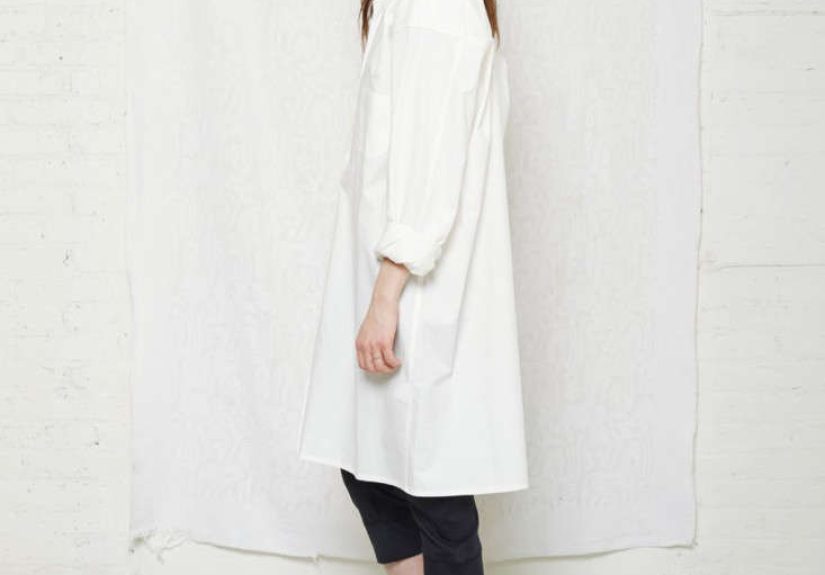
Button-front shirt-dress housecoat: The “I can answer the door” classic. Look for a collar,
cuffed sleeves, and pockets. -
Zip-front housecoat (updated): Same ease, better cut. A slightly nipped waist or princess seams
can make it feel modern. - Wrap housecoat: Adjustable fit, easy layering. Bonus points for inner ties so it stays put.
- Kimono-style housecoat: Wider sleeves, smoother drape, often feels elevated with minimal effort.
- Caftan-inspired housecoat: Airy, floaty, and deceptively polished. Add a belt for shape when desired.
Fabrics that feel good and behave well
Your fabric choice determines whether your housecoat reads “spa weekend” or “I’m wearing a blanket and
calling it fashion.” Both are valid, but let’s be intentional.
- Cotton poplin: Crisp and breathablegreat for a polished, daywear-adjacent look.
- Seersucker: Summer-friendly and forgiving (wrinkles barely register).
- Linen / linen blends: Naturally relaxed, excellent for warm climates and layering.
- Flannel / brushed cotton: Cozy without the bulk of fleece.
- Quilted cotton: A nod to vintage warmth, but best in a clean, modern cut.
- Tencel / viscose blends: Drapey, soft, and often cooler to the touch.
- Silk or satin: For the “old Hollywood breakfast scene” energyespecially as a robe-coat hybrid.
Details that separate “housecoat” from “random layer”
- Pockets: Non-negotiable. If a garment is for home life, it must hold phone, lip balm, and hope.
- A defined closure: Buttons, snaps, zipper, or wrap tiessomething that creates a deliberate front.
- A neckline with intention: Collar, V-neck, or a clean bound edge reads polished on camera.
- Washability: Real life is washable. Choose fabrics and trims that won’t punish you for existing.
- Movement: Side slits, roomy sleeves, or an A-line shape keep it practical for chores and lounging.
How to Wear the Reimagined Housecoat (Without Feeling Costume-y)
The secret is styling contrast: pair “soft” with something that signals structureshoes, jewelry, a belt,
a bag, or a sharper base layer. Here are five real-life formulas.
1) The “Coffee Run in 90 Seconds” Look
- Housecoat: Button-front poplin or linen
- Base: Tank + leggings or bike shorts
- Shoes: Clean sneakers or leather slides
- Finisher: Sunglasses + tote (the universal signal for “I have a plan”)
2) The “Zoom-Ready, Pajama-Adjacent” Look
- Housecoat: Kimono-style in a drapey fabric
- Base: Fitted tee or mock neck
- Finisher: Small hoops or a bold necklace (camera-friendly details do the heavy lifting)
3) The “Host Without Stress” Look
- Housecoat: Wrap style with a belt
- Base: Wide-leg lounge pants + cami
- Finisher: A slipper you’d let other adults see (a chic mule is basically diplomacy)
4) The “Cold Morning, Warm Vibes” Look
- Housecoat: Quilted cotton or brushed flannel
- Base: Long-sleeve tee + socks you actually like
- Finisher: Add a beanie if you want “cabin chic” instead of “thermostat feud.”
5) The “Make It Outerwear” Look
Yes, you can wear a robe-inspired piece outsideespecially if it’s structured and the styling is sharp.
Think of it as a robe coat’s relaxed cousin.
- Housecoat: Satin or silk-like wrap, or a crisp longline button-front
- Base: Jeans + fitted knit
- Shoes: Loafers or ankle boots
- Finisher: A real bag (not the reusable grocery one with the avocado print)
Shopping Counsel: What to Look For (So You Don’t Regret It)
Start with the “where will I wear this?” checklist
- Mostly lounging? Choose softness and drape; prioritize comfort and easy care.
- Doing chores? Look for washable cotton, secure closures, and sleeves that won’t dip into dishwater.
- Answering the door / quick errands? Choose a collar, a belt, or a more structured silhouette.
- Warm climate? Linen, cotton voile, seersucker, or lighter viscose blends.
- Cold climate? Flannel, quilted cotton, or heavier knitswithout turning into a full sleeping bag.
Fit and inclusivity tips
The best modern housecoats are designed for movement and a range of body types. Adjustable waists,
forgiving bust fits (like smocking or wrap fronts), and generous size ranges matter. If you’ve ever loved
a dress because it “just works,” you already understand the housecoat goal: flattering without fuss.
Small design features that make a big difference
- Two-way zippers: Great for sitting and movement.
- Inner ties on wrap styles: Prevent constant re-tying (and accidental dramatic reveals of your pajama shorts).
- Deep pockets: If your phone doesn’t fit, it’s a decorative suggestion, not a pocket.
- Easy sleeves: Rolled cuffs, elastic wrists, or bracelet-length sleeves keep it functional.
Care and Longevity: Keep It Looking Intentional
A housecoat earns its keep, so treat it like an everyday staple:
- Wash smart: Cold or warm cycles for cotton; gentle cycles for drapey fabrics; avoid over-drying.
- Steam beats iron: A quick steam makes relaxed fabrics look expensive in two minutes.
- Hang it up: A hook by the bedroom or bathroom turns it into a “grab-and-go” layer instead of a chair-pile resident.
- Rotate seasons: Lightweight for warm months, quilted/brushed fabrics for cool months.
The Housecoat’s New Identity: Not Just for Women, Not Just for Home
Traditionally, the term “housecoat” was gendered, but the modern reimagining doesn’t need to be. Relaxed
wraps, longline layers, and caftan-inspired silhouettes can be styled for anyoneespecially when the focus
is comfort, function, and personal style rather than old stereotypes.
The bigger shift is cultural: we’re finally admitting that “at home” is not a style void. It’s where we
live, work, cook, laugh, rest, host, and exist. Dressing for that life doesn’t have to mean giving up
aestheticsor your dignityjust because you’re not leaving the house.
Style Counsel Field Notes: Living in a Modern Housecoat (Experience-Based, About )
The first time I tried a “real” modern housecoatone that wasn’t terry, wasn’t fleece, and didn’t look like
it came free with a set of hair rollersI expected it to feel like a costume. Instead, it felt like a
cheat code.
Here’s what surprised me: the housecoat didn’t make me feel overdressed at home; it made my day feel
organized. I slipped it on in the morning the way some people make the bedless for practical necessity,
more as a signal to my brain that we are, in fact, participating in reality today.
The key was structure. Mine had a button front, a soft collar, and pockets deep enough to hold my phone,
a pen, and the tiny panic that arrives when you remember a meeting exists. Over leggings and a tee, it read
like a casual shirt dress. Over pajamas, it read like I was “intentionally cozy,” which is the polite way
of saying I didn’t change yet but I’m doing it with confidence.
I found myself using it as a transitional layer. When the house was chilly in the morning, it was my warm
buffer. When I started cooking, I rolled the sleeves and suddenly it felt like a purpose-built uniform
the kind of thing that makes you want to chop vegetables dramatically, as if a cooking show producer is
about to yell, “And… action!”
The funniest part: it made “small outings” easier. Trash run? Housecoat on. Quick mail pickup? Housecoat on.
Unexpected delivery? Housecoat on. It removed the decision fatigue of “do I need to get dressed for this?”
because the answer became “I already kind of am.” I wasn’t wearing a robe that screamed “I have emerged from
the shower.” I was wearing a garment that said, “Hello, I exist, and I may or may not be holding coffee.”
Over time, I learned a few personal rules. One: pick a fabric that matches your climate. Crisp cotton
works when it’s warm; brushed cotton or quilted layers work when it’s cold. Two: keep the styling simple
but intentional. A housecoat doesn’t need a full fashion productionjust one or two signals, like earrings,
a tidy bun, or shoes that aren’t strictly bedroom-only. Three: treat it like a favorite jacket, not like
an afterthought. Hanging it up instead of tossing it on a chair made it feel like a choice rather than
a surrender.
In the end, the modern housecoat became less about “looking good at home” and more about “feeling like
myself at home.” It’s comfort that doesn’t apologizeand honestly, that’s the best kind.
Conclusion
The housecoat reimagined is not a throwbackit’s a smart response to how we live now. By choosing modern
silhouettes, breathable (or cozy) fabrics, and details like pockets and intentional closures, you get an
at-home layer that feels easy and looks elevated. Whether you prefer a crisp button-front style, a drapey
wrap, or a caftan-inspired sweep, the goal is the same: comfort with a point of view.